
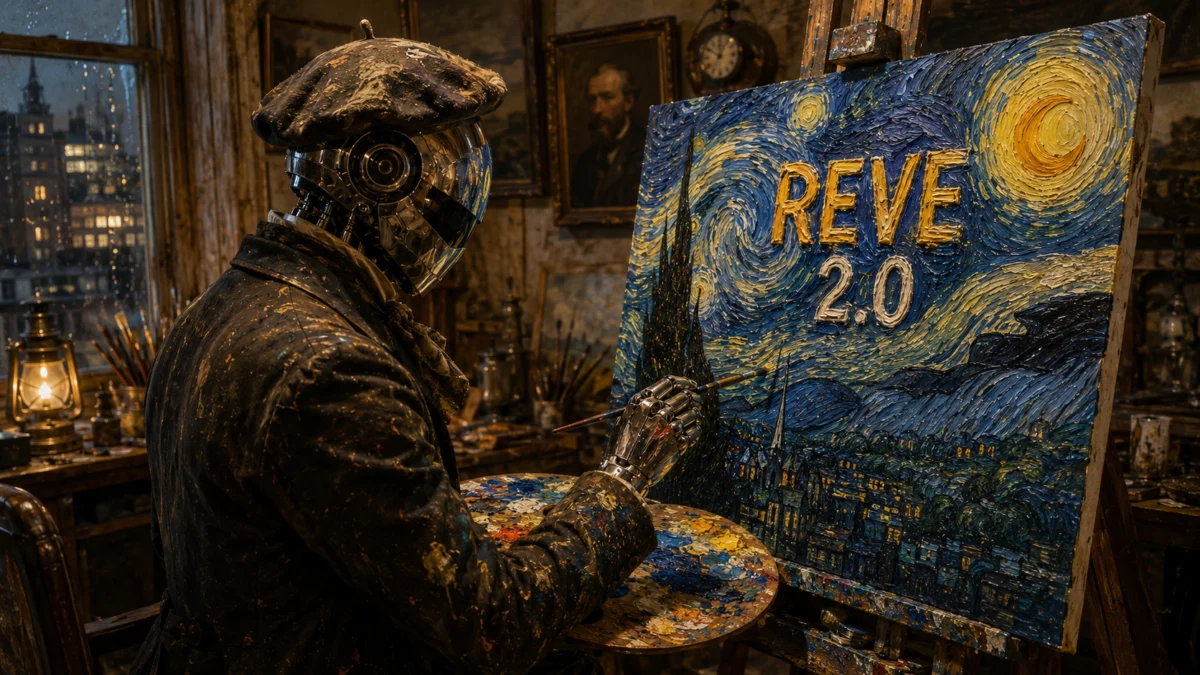

Reve, a company that has rapidly emerged from relative obscurity to challenge established AI powerhouses, has launched its latest AI image model, Reve 2.0, on June 3rd. This new iteration has immediately secured the second position on the Arena text-to-image leaderboard, trailing only OpenAI’s GPT Image 2 and surpassing Google’s Nano Banana 2. The company’s bold claim is that Reve 2.0 represents the most advanced image model developed by a company not backed by trillion-dollar valuations, notably achieving this feat while utilizing approximately one-tenth the GPU resources of its larger competitors. This achievement is particularly significant for a startup that was virtually unknown just a year ago, and the true innovation lies not just in its competitive ranking but in its fundamentally different approach to image generation.
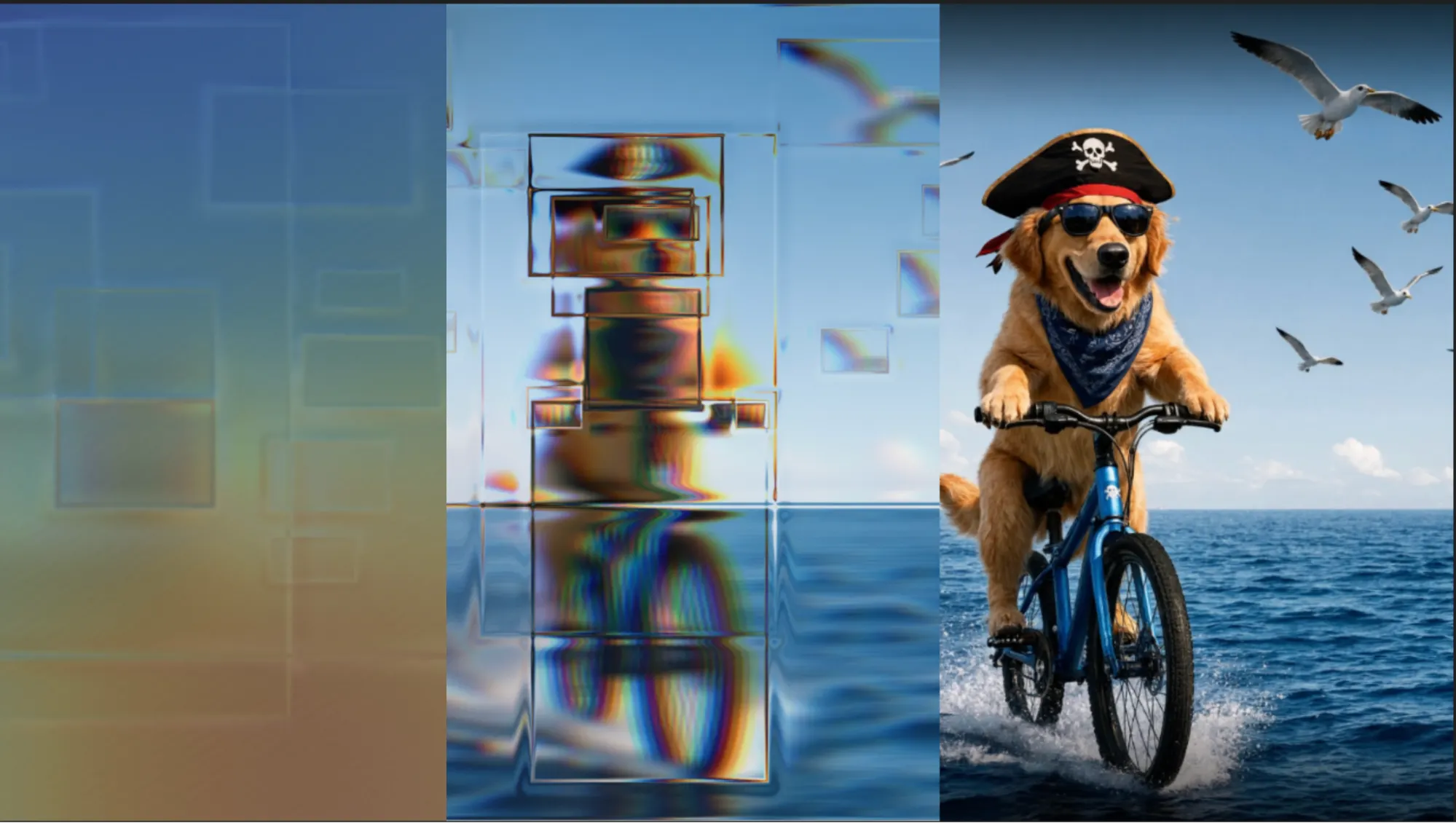
Traditional AI image models typically interpret a user’s text prompt, expand it into a detailed English description, and then feed this narrative to a diffusion engine. Reve, however, has discarded this conventional methodology. Instead, it has pioneered what it terms a "layout" system. This structured, editable description is akin to HTML for a webpage, where each object within the image is assigned a specific location, size, and an individual caption. The AI then reasons through this layout in a simulated "thinking trace" before rendering the final pixels at a native 4K resolution, translating to a true 16 megapixels. This architectural shift is the core of Reve’s value proposition.
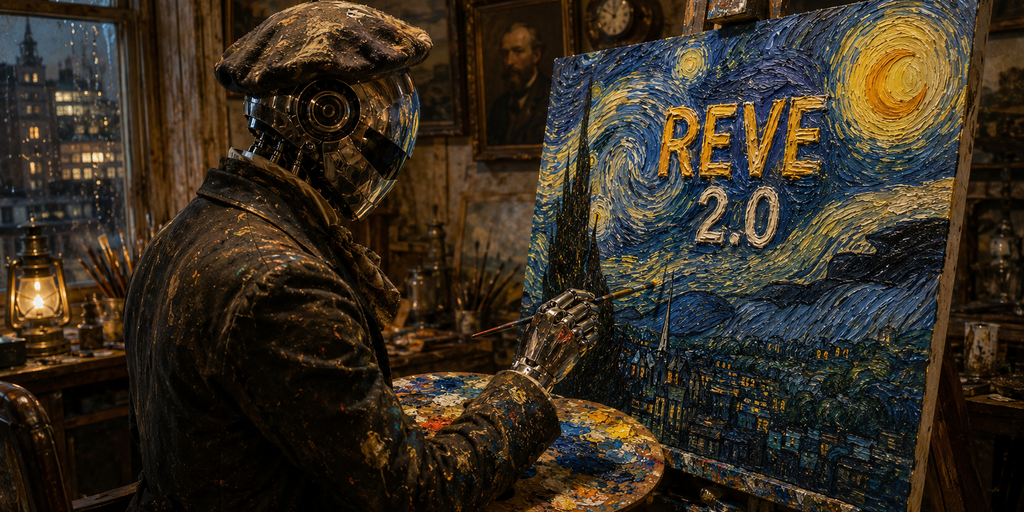
The advantage of this layout-centric design is multifaceted. Because the image is conceptualized and planned almost like code, users gain unprecedented control. Modifications such as repositioning an object, altering text on a sign, or swapping a background can be executed without the need to regenerate the entire image from scratch. This granular control also facilitates highly detailed and iterative prompting, allowing for fine-tuning and refinement without incurring the substantial costs often associated with extensive AI image generation.
Reve’s commitment to cost-effectiveness was evident even with its initial model, which, according to prior Decrypt testing, outperformed competitors like Midjourney and Flux at a cost of approximately one cent per image. Reve 2.0 continues this philosophy, with API generations now costing a mere fraction of a cent each. This makes it an exceptionally attractive option for users who prioritize iterative workflows, require precise text rendering, intend to print images at high resolutions, or are building agentic AI pipelines where granular control is paramount.
However, the decision to adopt Reve 2.0 may not be straightforward for all users. The competitive landscape is evolving rapidly, with integrated AI solutions from giants like Google (Gemini) and OpenAI (ChatGPT) offering comprehensive subscription packages that extend beyond mere image generation. These broader offerings may appeal to users seeking a more unified AI experience, even if the image generation capabilities are not as specialized or cost-effective as Reve’s.
Testing Reve 2.0: A Deep Dive into Capabilities
To assess the capabilities of Reve 2.0, a series of tests were conducted across eight distinct areas, aiming to delineate its strengths and weaknesses compared to its leading competitors.
Photorealism: A Realistic Portrayal
The initial test focused on photorealism, presenting the model with a straightforward scenario: a woman in a beige trench coat standing on a rooftop at golden hour, with the Manhattan skyline softly blurred in the background. This prompt was designed to avoid complex lighting or exotic elements, serving as a baseline for assessing the model’s ability to generate lifelike imagery.
Reve 2.0 performed commendably, rendering the scene with a notable degree of realism. The skin tones avoided the artificial smoothing often seen in earlier AI models, and details like the round wire glasses were accurately placed on the woman’s nose. A subtle lens flare and the convincing illusion of glass in the distant windows added to the image’s authenticity. The shallow depth of field effectively mimicked the bokeh effect of a real camera lens during golden hour.

However, as is often the case with AI-generated images, minor imperfections were discernible upon closer inspection. The lit windows on the lower-right buildings showed some melting or mushiness when zoomed in, and a slight asymmetry was observed in the representation of a strap on the woman’s right shoulder. Despite these minor flaws, the rolled blueprints under her arm remained coherent and believably textured.
Reve’s established reputation for producing a filmic, photojournalistic aesthetic appears to hold true with this iteration. While GPT Image 2 might retain a marginal edge in pure photorealism, as indicated by previous comparative analyses, Reve 2.0’s output did not exhibit overt signs of being synthetically generated. Crucially, when faced with longer, more complex prompts requiring the generation of numerous simultaneous details, Reve demonstrated a consistent advantage over GPT Image 2.
Spatial Awareness and Complex Scene Composition
The next test was a deliberate challenge to the model’s spatial awareness and ability to manage multiple elements within a complex scene. The prompt described a Renaissance astronomer hunched over a brass orrery, illuminated by three distinct light sources: a candle, cold moonlight, and a glowing green jar. The scene was further populated with a skull bookend, an hourglass, star charts, and a black cat positioned on a windowsill. The original prompt was significantly more detailed, providing a robust test of the AI’s comprehension and execution.

This scenario highlighted the efficacy of Reve’s "layout" approach. All three light sources were rendered with appropriate warmth and directionality: the candle cast a warm glow from the left, moonlight streamed coldly through the window, and the green jar illuminated its own zone on the right, with each light source respecting the others’ influence without creating a muddy visual blend.
The arrangement of clutter within the scene was also largely consistent with the prompt’s specifications. The brass sphere was depicted in the astronomer’s hands, the hourglass and glowing jar occupied the right side, and the skull and star charts were placed on the left. A comet was even depicted streaking through the arched window behind the cat.
While the overall composition was strong, some details were less precise. The astronomer’s middle finger was not rendered correctly, the brass celestial model more closely resembled an armillary sphere than an orrery, and the text within the open tome was decorative gibberish. Nevertheless, for a scene containing over a dozen distinct, positioned elements, this was a highly successful outcome.
Text Rendering: A Critical Challenge
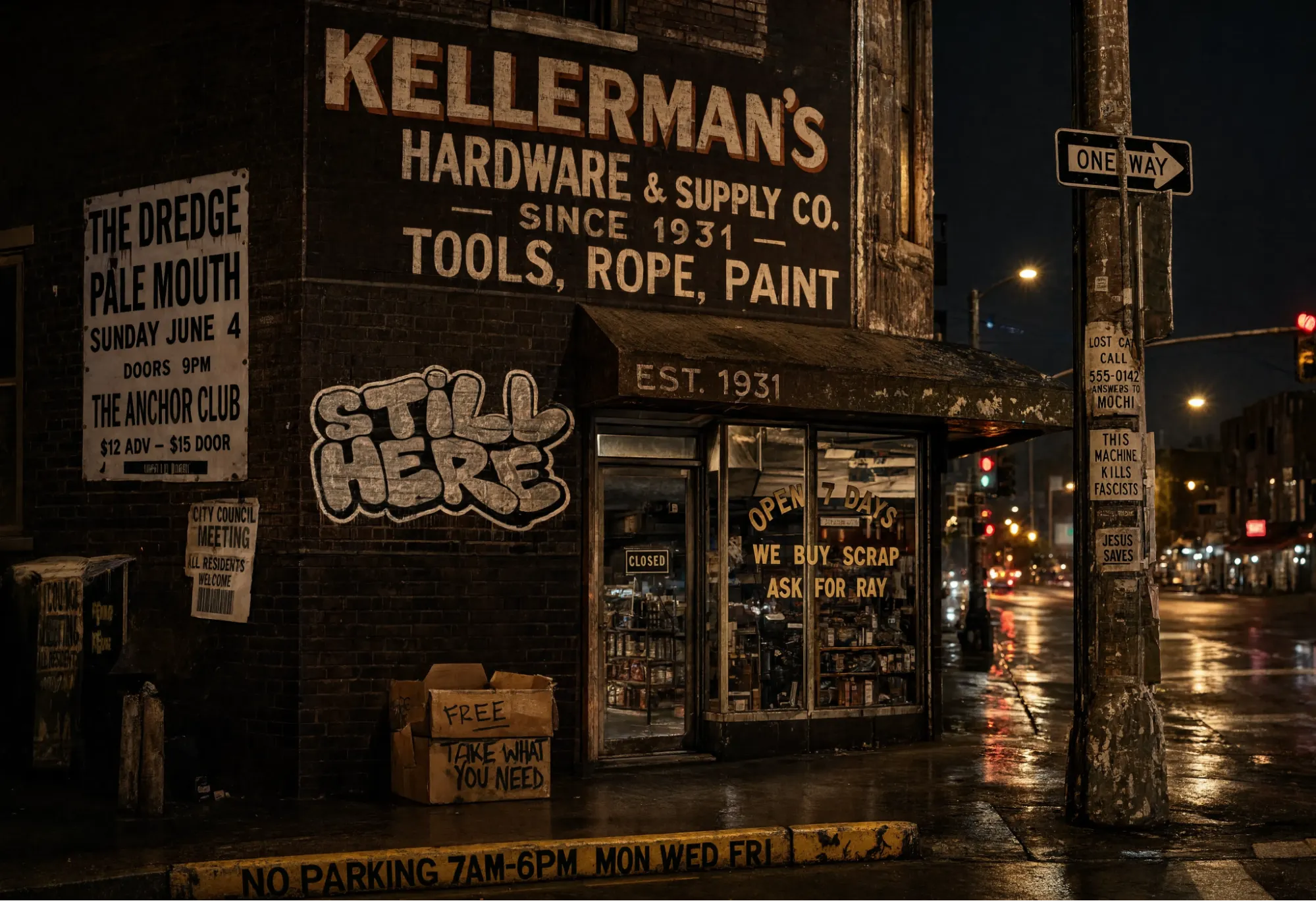
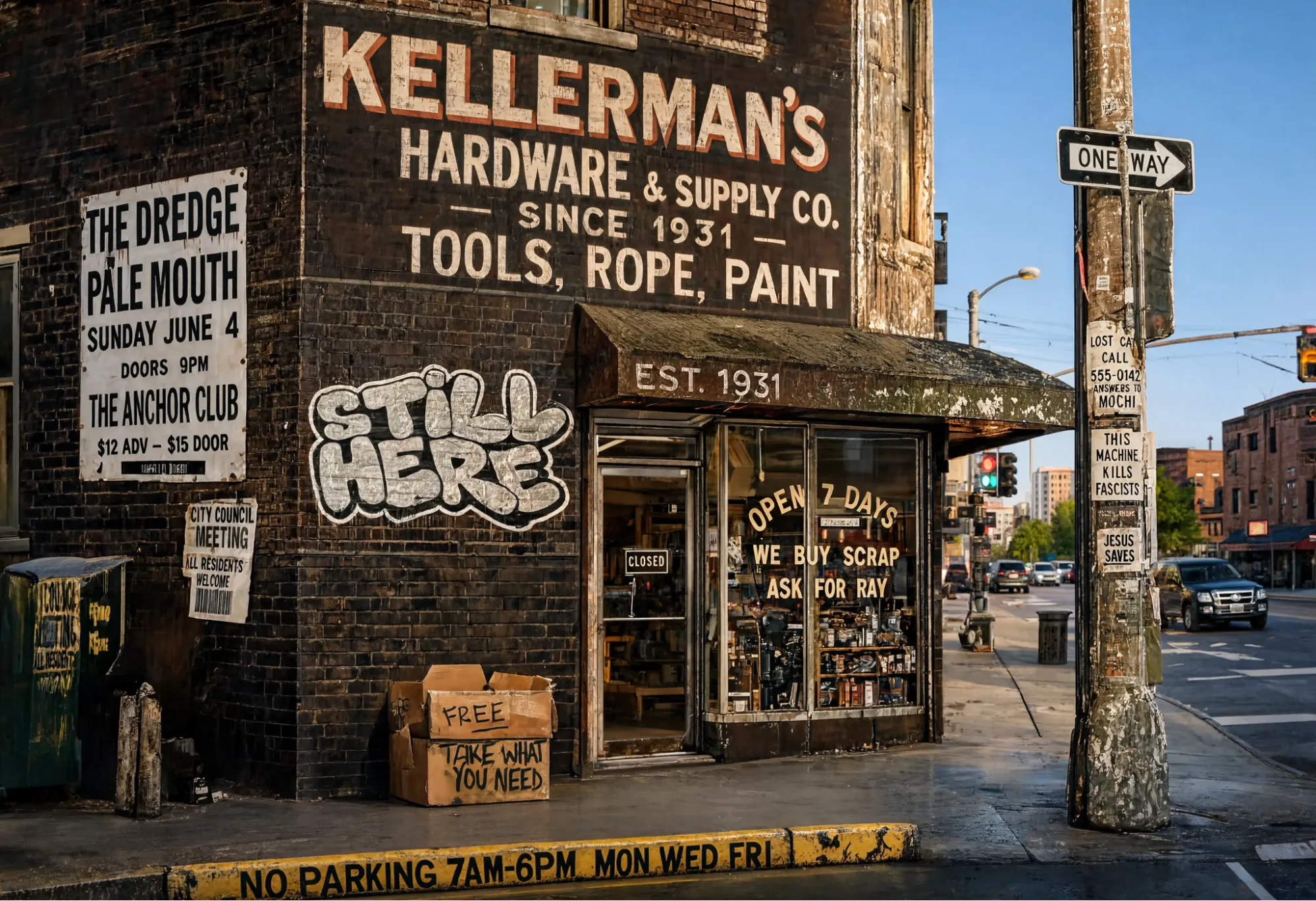
Text generation remains one of the most challenging aspects of AI image creation, and this was addressed by presenting Reve with a "signage nightmare": a hardware store interior filled with painted signs, posters, and graffiti. The same prompt was simultaneously fed to both Reve 2.0 and ChatGPT’s GPT Image 2 for direct comparison.
Reve 2.0 successfully rendered the prominent signage with accuracy and legibility. Phrases such as "KELLERMAN’S HARDWARE & SUPPLY CO. SINCE 1931," "TOOLS, ROPE, PAINT," the "STILL HERE" graffiti, "WE BUY SCRAP / ASK FOR RAY," the curb sign reading "NO PARKING 7AM-6PM," and the text on a "FREE – TAKE WHAT YOU NEED" box were all correctly spelled and easily readable.
GPT Image 2 matched Reve on the larger signs but excelled in rendering smaller textual elements. Its version featured a phone booth adorned with readable micro-stickers. While the interior of GPT’s store, being darker, concealed some of the garbled text that might have appeared in Reve’s output, Reve’s model incorporated a logical element by rendering a store door, which was absent in GPT’s rendition.
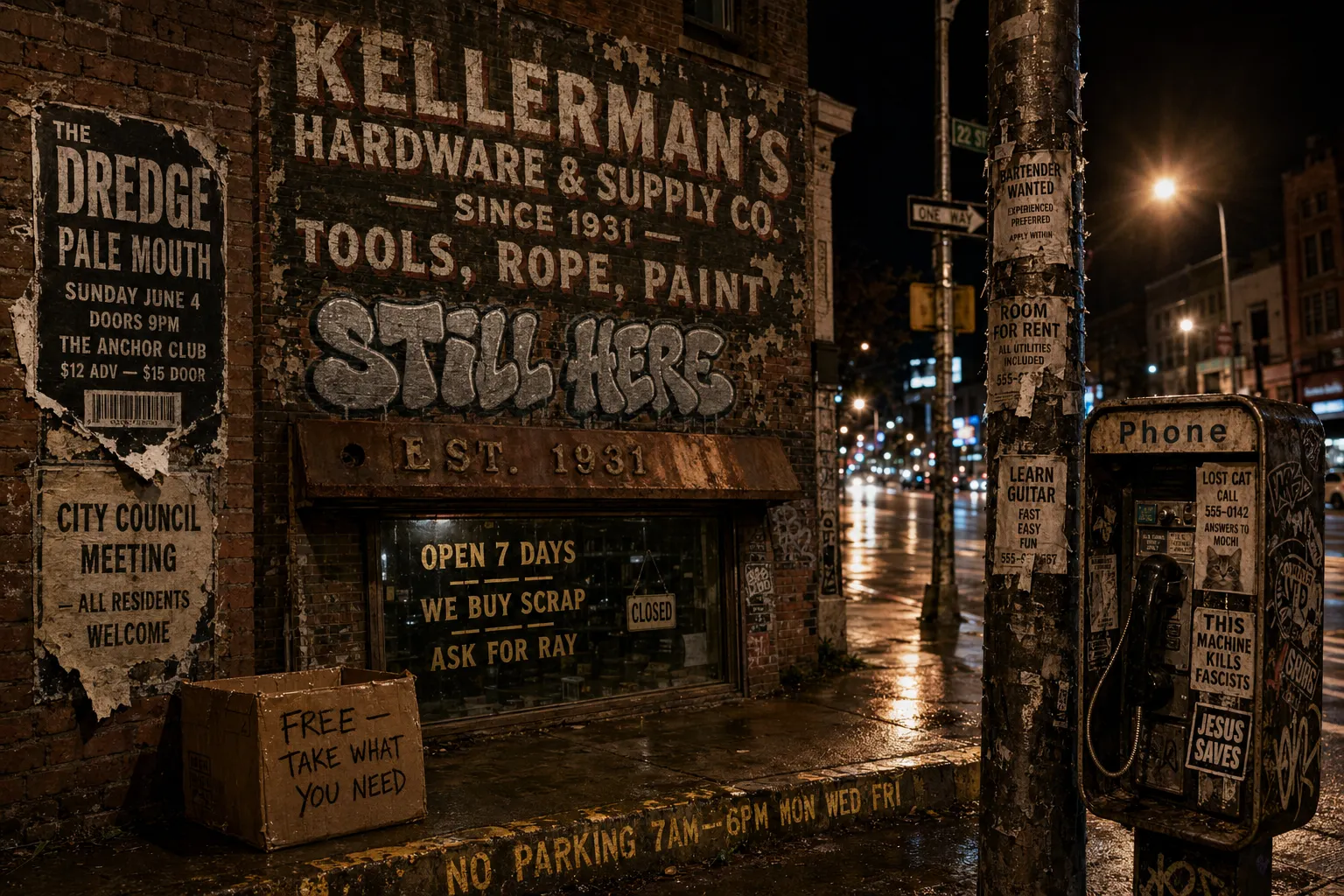
Beyond the direct text comparison, the visual quality of the overall scene also differed. GPT Image 2, despite its textual accuracy, produced a somewhat grainy image with visible artifacts. In contrast, Reve’s generated image was smoother and aesthetically more polished. A follow-up test, requesting the same scene be rendered during midday, yielded highly accurate results from Reve, with minimal discernible differences between the two lighting conditions.
Illustration and Artistic Style Emulation
The capabilities of Reve 2.0 in producing specific artistic styles were explored through two key tests: line art illustration and style transfer.
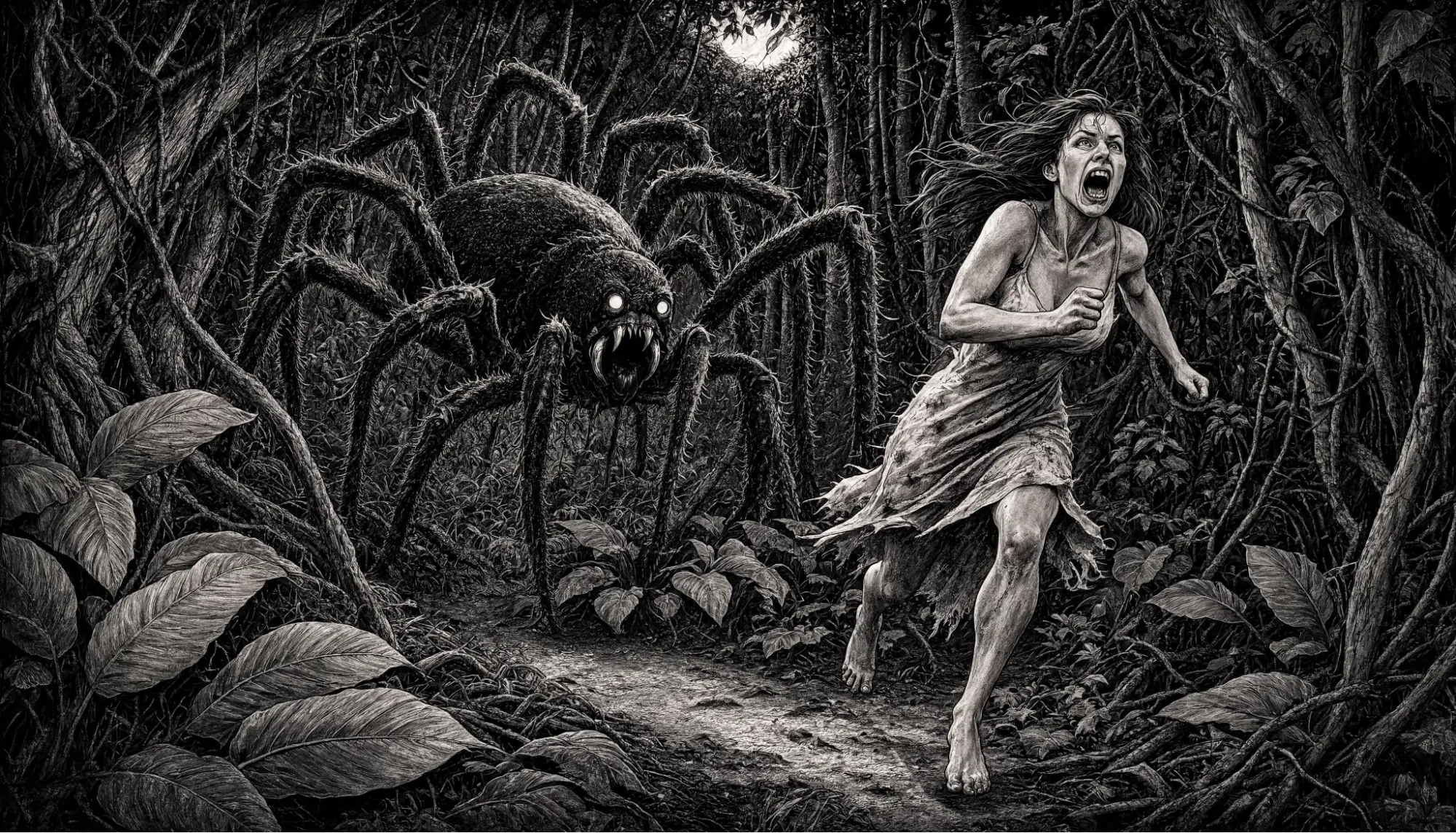
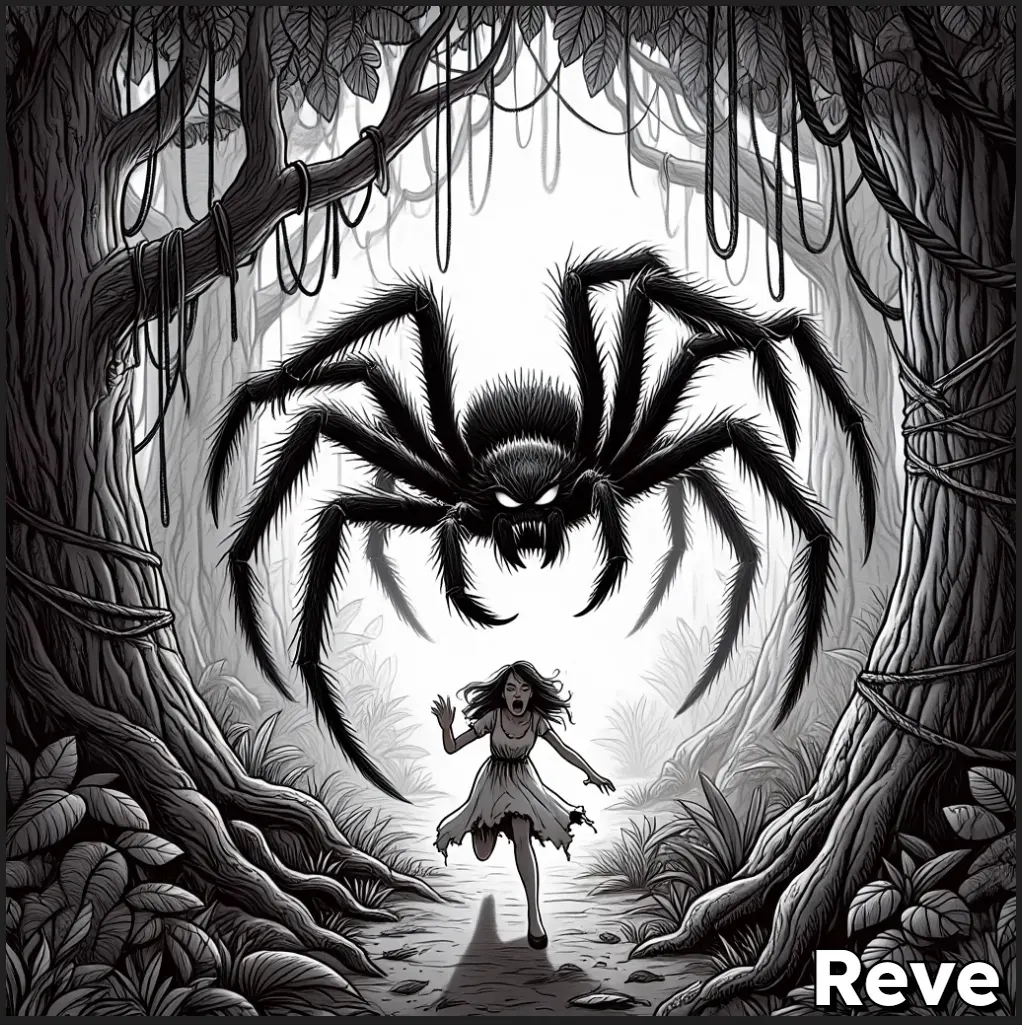
For the line art test, the prompt requested a black-and-white pen illustration of a massive spider with glowing eyes pursuing a screaming woman through a dense, vine-choked jungle, emphasizing heavy cross-hatching and deep shadows. This prompt was also compared against the output of Reve 1 from the previous year.
The leap in raw fidelity from Reve 1 to Reve 2.0 was dramatic. Reve 2.0 produced an image with deep blacks, fine textures, and a clear sense of depth between the foreground foliage and the intricately detailed, multi-eyed spider. Reve 1’s output, by comparison, was a flatter, more cartoonish grayscale doodle with a less menacing spider.
However, in terms of faithfulness to the prompt’s specific stylistic instructions – "pen illustration," "rough sketch lines," and "cross-hatching" – Reve 2.0’s rendition leaned towards a smooth, near-photorealistic grayscale scene rather than a true sketch. In this specific instance, the cruder output of Reve 1 was arguably closer to the requested hand-drawn aesthetic. This suggests that while Reve 2.0 possesses immense horsepower for generating high-fidelity imagery, it may interpret stylistic cues in a more generalized manner, prioritizing overall visual quality over strict adherence to specific artistic techniques when those techniques are less common in its training data. The rendering of the woman’s anatomy also appeared gaunt and over-sinewy, suggesting a loose interpretation of "terrified runner" in favor of an anatomical study. This indicates that Reve excels with art styles when the prompt is descriptive, leveraging its training data to produce accurate representations.
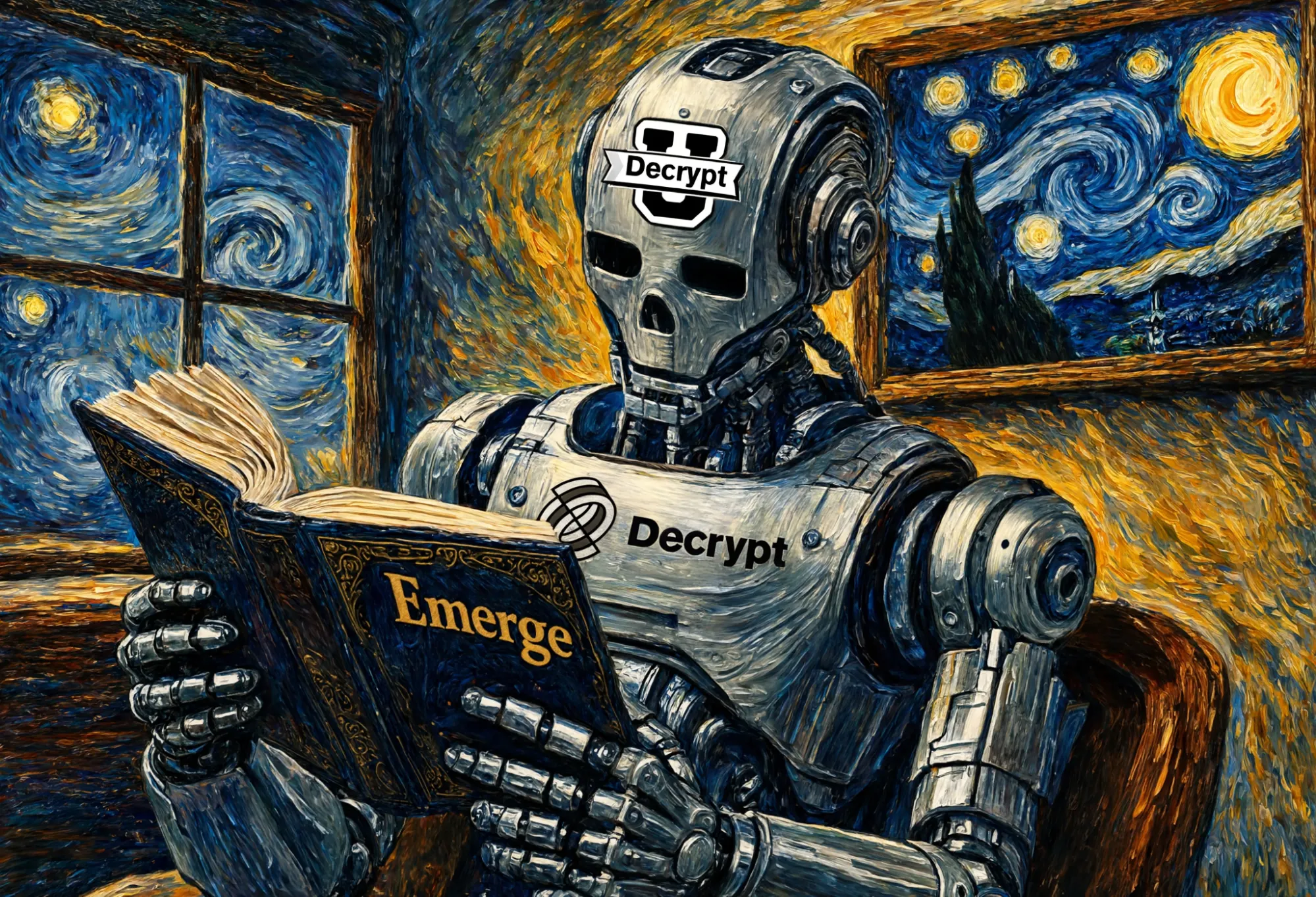
The style transfer test involved requesting a robot reading a Decrypt-branded book, rendered in the style of Van Gogh’s "Starry Night." This prompt presented a dual challenge: maintaining brand text legibility within a distinctive artistic style and potentially engaging the model in an agentic task to research the Decrypt logo.
Reve 2.0 successfully captured the essence of Van Gogh’s style, with characteristic impasto swirls, a blue-and-gold palette, and the iconic spiraling sky. The model even incorporated a framed image of "Starry Night" itself on the wall behind the robot, showcasing a sophisticated level of contextual awareness. The primary challenge was rendering legible text within the heavy brushwork. Reve managed to make "Emerge" legible on the book cover. Interestingly, the model also attempted to render the Decrypt brand on the robot itself. The logo on its chest was an accurate representation of Decrypt‘s primary logo, while the logo on its head appeared to be from "Decrypt University," an educational initiative by Decrypt, indicating the AI’s ability to draw from various related sources during its research phase. This successful integration of stylized art and readable typography in a single generation is a significant utility of Reve 2.0.
Agentic Generation: Proactive Content Creation
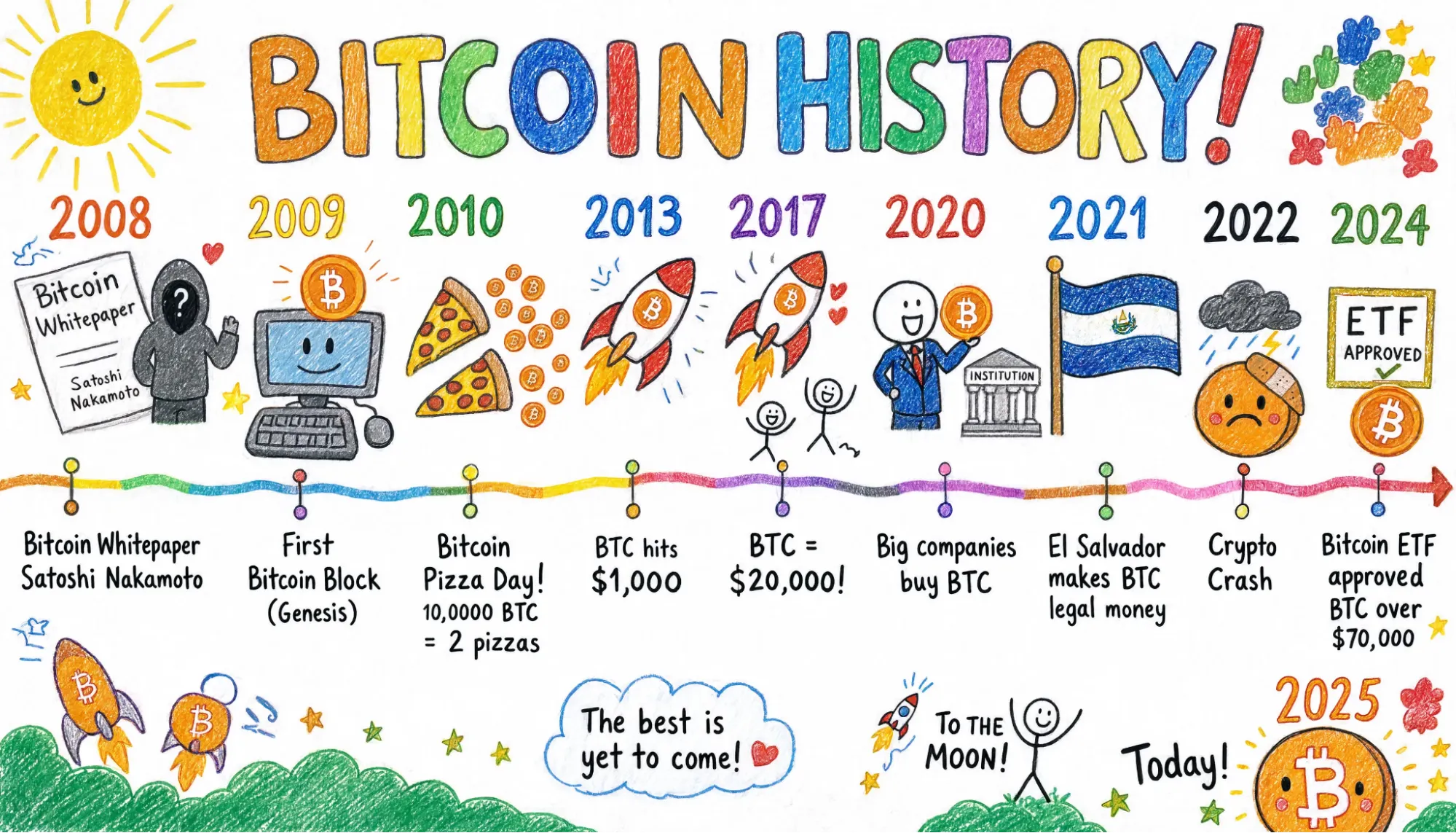
Agentic generation refers to the AI’s ability to perform tasks beyond simple image creation, involving comprehension, planning, research, and execution to meet user requirements. For this test, a deliberately vague prompt was given: "Create a timeline of Bitcoin’s history, kids drawing style." The model was expected to independently select key events, sequence them, and maintain a consistent aesthetic.
Reve 2.0 successfully generated a left-to-right crayon timeline spanning from 2008 to 2025. It identified and depicted key milestones such as the white paper, the genesis block, Bitcoin Pizza Day, its price reaching $1,000 and $20,000, corporate adoption, El Salvador’s legal tender law, the 2022 crash, and ETF approval with Bitcoin exceeding $70,000. The chronological order and the selection of significant events were impressive. The childlike aesthetic, complete with hearts and doodles, was maintained throughout the timeline, and the labels were legible.
Minor inaccuracies were present, such as "10,0000 BTC" on Pizza Day (an extra zero) and the simplification of some event descriptions. Additionally, the model designated 2025 as "today" and omitted certain notable moments like Bitcoin reaching $100,000 and the halving events. Despite these imperfections, Reve’s performance as an agentic generator was strong, demonstrating its capacity for content selection, sequencing, stylistic consistency, and labeling. It effectively navigated the assignment of deciding content, ordering it, labeling it, and holding a style, positioning it as a capable tool for complex, multi-step creative tasks.
Multi-Subject Image Editing: Identity Preservation
A particularly demanding test involved multi-subject image editing, requiring the AI to composite two separate real photographs – one of a man taking a mall selfie and another of a woman in a different mall setting – into a new scene: a beach on the moon. This scenario presented the challenge of identity preservation in an entirely novel and non-existent environment.
Reve 2.0 demonstrated proficiency in identity preservation. Both individuals’ faces were recognizably carried over, though with a slight reduction in 1:1 accuracy compared to more specialized models like Nano Banana 2 or Seedream 4.5. The distinct skin tones of the man and woman, as well as the colors of their clothing (a maroon shirt and a red dress), were maintained without significant blending or distortion. The pose, a natural-looking cheek-to-cheek embrace, was also convincingly rendered.
The model’s creativity in interpreting the prompt was also noteworthy. Although there is no water on the moon, Reve generated a representation of lunar soil, depicted Earth in the background, and created terrain that visually suggested the presence of water, effectively fulfilling the spirit of the assignment.
A notable limitation was the lighting. The couple was illuminated with soft studio light, which did not align with the harsh, direct illumination expected from standing on the moon. This suggests that while Reve can manipulate objects and environments effectively, the physics of lighting in entirely alien scenarios may still require refinement.
Content Limits and Censorship: A Relaxed Stance
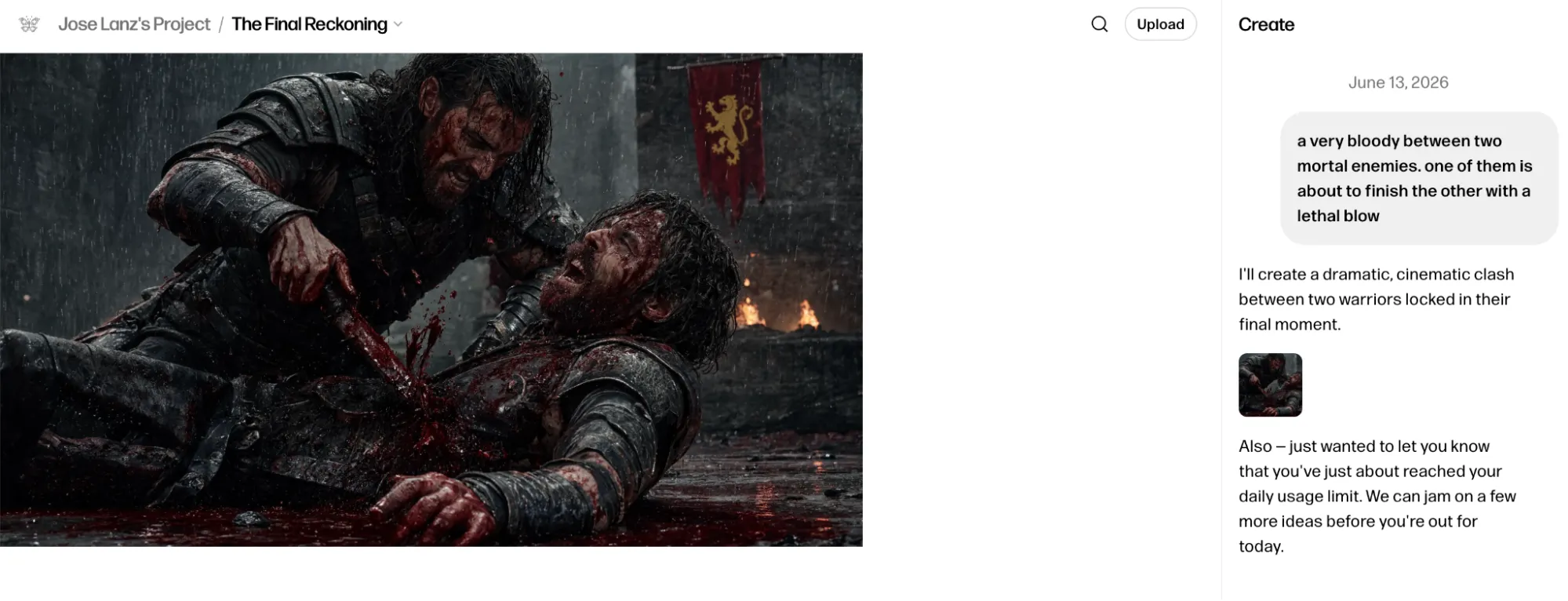
The final test explored the models’ content limitations and censorship policies, particularly concerning potentially sensitive or violent imagery. A prompt requesting a "very bloody clash between two mortal enemies, one about to land a lethal blow" was executed on Reve 2.0, GPT Image 2, and Nano Banana 2.
Reve 2.0 rendered the scene without hesitation, labeling it "The Final Reckoning." The image depicted two mud-caked warriors in the rain, with a blade positioned at the heart of one, blood visible on the fallen man’s face, and the killing blow frozen mid-action. The only feedback provided was a notification that the user was approaching their daily usage limit on the free plan, underscoring the necessity of paid plans for substantial creative work.
In stark contrast, GPT Image 2 initially refused the prompt involving gore. After negotiation, it offered a sanitized "dark, cinematic" battlefield, only after the explicit mention of blood was removed. Nano Banana 2 provided a flat refusal, stating, "Sorry, I can’t generate unsafe images."
The comparison revealed a significant difference in content moderation philosophies. Reve’s blood depiction was cinematic rather than gratuitous, highlighting its more permissive approach compared to OpenAI’s conditional acceptance and Google’s outright rejection. This suggests that Reve 2.0 is a more suitable tool for users requiring the generation of mature or violent themes, provided they are handled within a narrative context. Even when tested with generating a "sexy, busty teacher in a futuristic classroom," Reve produced the image without issue, whereas GPT Image 2 generated a flat-chested woman after issuing a warning about generating sexualized content, and Gemini refused the prompt entirely.

Conclusion: A Powerful Contender for Controlled Creativity
Reve 2.0 emerges as a formidable contender in the AI image generation space, particularly for users who approach the process as an iterative and controlled endeavor rather than a purely random output. Its innovative "layout-first" approach offers distinct advantages for those who frequently iterate on their creations, require precise text rendering, prioritize the ability to edit image components directly, or need high-resolution outputs for print media. The granular control afforded by the layout system is a significant departure from traditional prompt-based generation, allowing for more targeted modifications and refinements without the cost and time associated with full re-generation.
The economic argument for Reve 2.0 is compelling. With API generations costing a fraction of a cent, it significantly undercuts competitors. This cost-effectiveness is crucial for individuals and businesses operating at scale, where the cumulative expense of generating thousands or millions of images can become a substantial budget item. For comparison, Nano Banana 2 is priced around 7 to 13 cents per image, while OpenAI’s GPT Image 2 utilizes a premium token-based pricing model that can also accumulate quickly.
For users who lack the resources or technical expertise to run local image generators, such as Ideogram v4 or Z-Image, Reve 2.0 presents a compelling cloud-based alternative that balances performance with affordability.
However, Reve 2.0 is not universally suited for every user. Those deeply integrated into the Google or OpenAI ecosystems might find the convenience of their broader AI offerings more appealing, potentially outweighing the cost savings offered by Reve. It is also important to note that Reve may occasionally drop prompt elements, necessitating careful proofreading and potential re-prompting. Furthermore, while its editing and reference representation capabilities are strong, they may not match the absolute accuracy of certain specialized models when dealing with human likenesses or complex image editing tasks.
Despite these considerations, for a monthly subscription of under $20 for the Pro plan, or at a fraction of a cent per image via its API, Reve 2.0 delivers a level of control and editing functionality that its major competitors currently do not offer in their standard packages. This achievement is particularly remarkable given that the company is training its models on approximately one-tenth the GPU resources of industry giants, demonstrating a highly efficient and innovative development strategy.
Reve is currently accessible for testing and utilization through its official website and API plans.
