

Amazon Web Services (AWS) has unveiled a significant new capability within its Web Application Firewall (WAF) service, designed to allow digital content owners and publishers to monetize the growing volume of AI bot and agent traffic accessing their protected web content. This innovative feature, integrated directly at the network edge, enables publishers to establish granular, per-request pricing based on content path, bot category, or verification tier, without necessitating modifications to their origin infrastructure or the development of custom application code. This strategic move by AWS addresses a critical and escalating challenge for content providers grappling with the economic implications of unmonetized AI consumption of their valuable digital assets.
The Unseen Burden: The Rise of AI Bot Traffic and its Economic Impact
The digital landscape has undergone a profound transformation with the proliferation of artificial intelligence, and nowhere is this more evident than in web traffic patterns. For a substantial number of content providers, AI bot traffic now constitutes over 50% of their total web interactions, a figure that continues to climb rapidly. More specifically, AI-specific crawlers have witnessed an astronomical growth of over 300% year-over-year, fundamentally altering the economics of content creation and distribution.
Historically, traditional search engine crawlers, such as those operated by Google or Bing, indexed web content primarily to generate search results, ultimately driving measurable referral traffic back to publisher websites. This symbiotic relationship meant that while publishers bore the infrastructure costs of serving these crawlers, they benefited from increased page views, ad impressions, and potential subscription conversions that offset those expenses.
However, the new generation of AI bots operates under a different paradigm. These sophisticated agents, often associated with large language models and generative AI systems, consume vast quantities of web content to generate summaries, answers, and various forms of synthesized information directly within AI interfaces. Crucially, this consumption often occurs with little to no referral traffic directed back to the original source. Publishers are thus left shouldering the substantial infrastructure costs – including bandwidth, server resources, and maintenance – without receiving the traditional forms of compensation that typically justify such expenditures. This imbalance has created an unsustainable model for many content creators, forcing them to bear the cost of content serving while seeing their intellectual property leveraged for commercial AI applications without commensurate remuneration.
Prior to this new release, AWS WAF Bot Control already provided customers with robust tools for visibility into bot activity, allowing them to block or rate-limit traffic. While effective for security and resource management, it lacked the crucial capability for monetizing these interactions. The introduction of AI traffic monetization directly addresses this gap, providing a comprehensive solution for content owners to configure pricing rules and collect payments from AI agents, bypassing the need for complex custom payment infrastructure or time-consuming individual licensing negotiations.
A New Economic Model: Charging at the Edge
The AI traffic monetization feature leverages AWS WAF’s position at the network edge, allowing it to intercept and process requests before they even reach the publisher’s origin servers. This design offers several key advantages, including minimal latency, enhanced security, and the ability to apply policies without altering core application logic.
Content owners can now define sophisticated access policies tailored to specific agent types. This includes setting per-request pricing, which can vary by the content path being accessed, the category of the bot (e.g., general AI crawler, specialized data scraper), or its verification tier. Payments are collected in stablecoins, such as USDC, and disbursed directly to the content owner’s preferred wallet address on supported blockchain networks. The initial rollout features integration with Coinbase’s x402 Facilitator for payment settlement and verification flows, with future plans for direct account payments via Stripe and support for the Machine Payments Protocol (MPP). This multi-faceted approach aims to streamline the payment process for both content providers and AI agents, fostering a more equitable digital economy.

The system also provides content owners with a unified dashboard for real-time monitoring of revenue streams and AI bot activity, offering unprecedented transparency and control over their digital assets.
Operationalizing Monetization: A Step-by-Step Approach
Implementing AI traffic monetization begins within the AWS Management Console, specifically in the WAF & Shield section. A prerequisite is the activation of AWS WAF Bot Control at either the Common or Targeted level on the web ACL associated with the CloudFront distribution. Bot Control is fundamental as it provides the essential agent classification data upon which monetization rules depend.
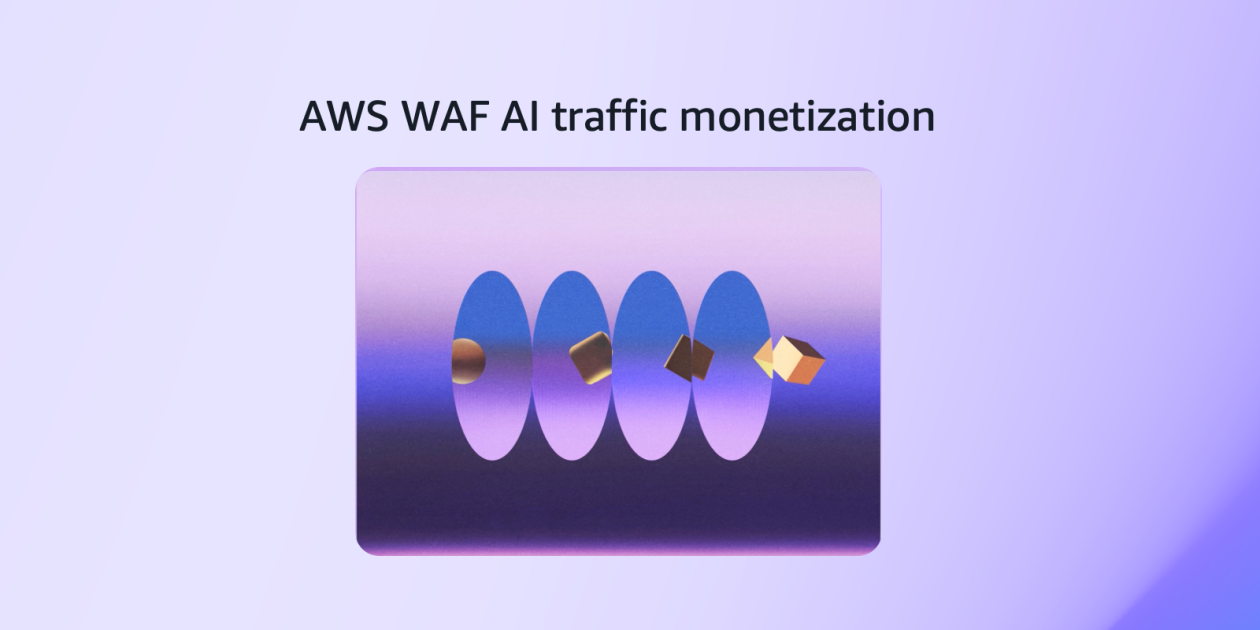
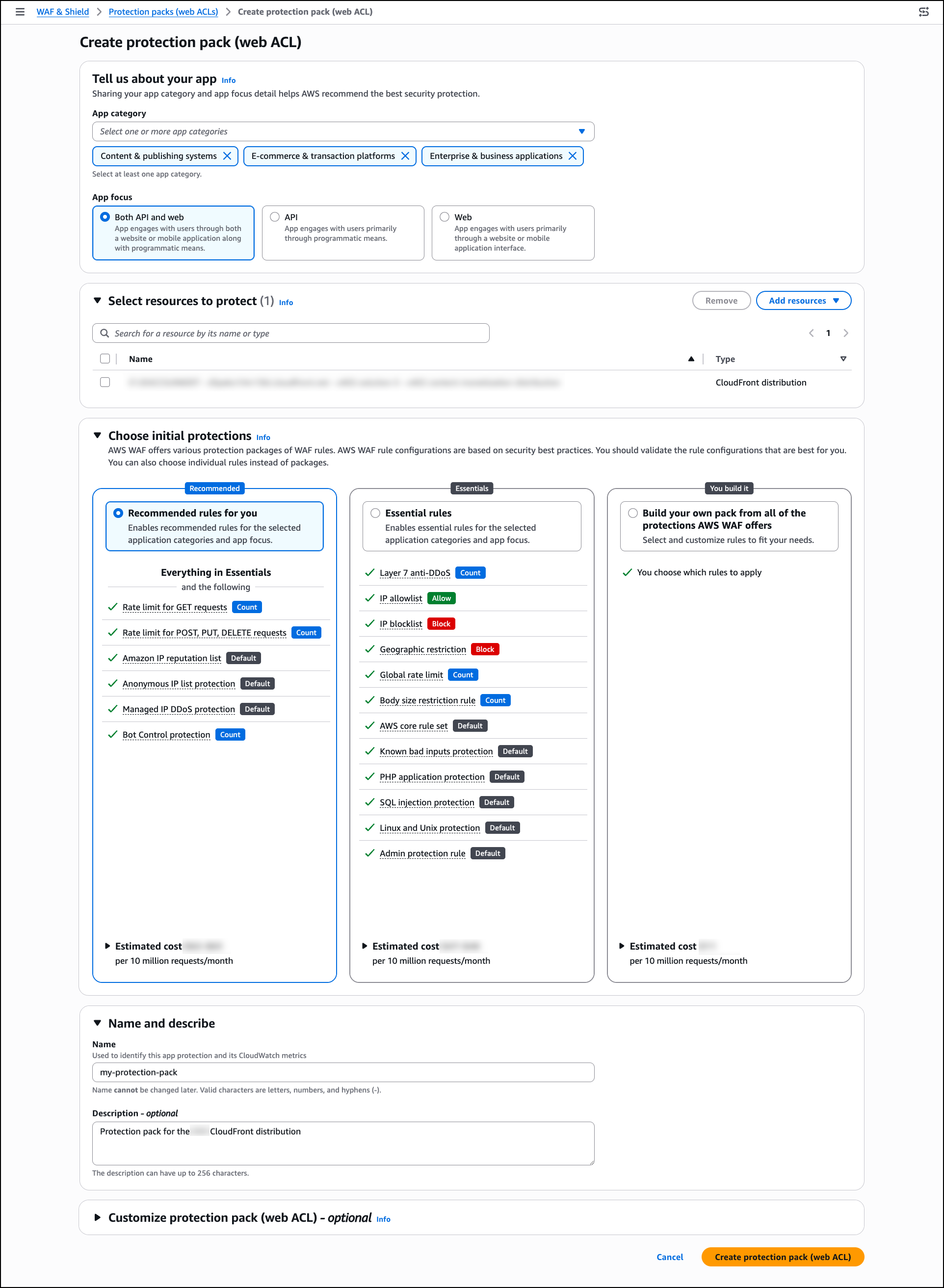
The core configuration unit for this new capability is the "protection pack." This comprehensive configuration defines which content paths are subject to monetization, the charges for each agent verification tier, the accepted payment methods, and the applicable license terms. When creating a protection pack, users categorize their content (e.g., Content & Publishing, E-commerce), specify an application focus, and associate regional or global resources like CloudFront distributions. AWS WAF then recommends suitable security protections.
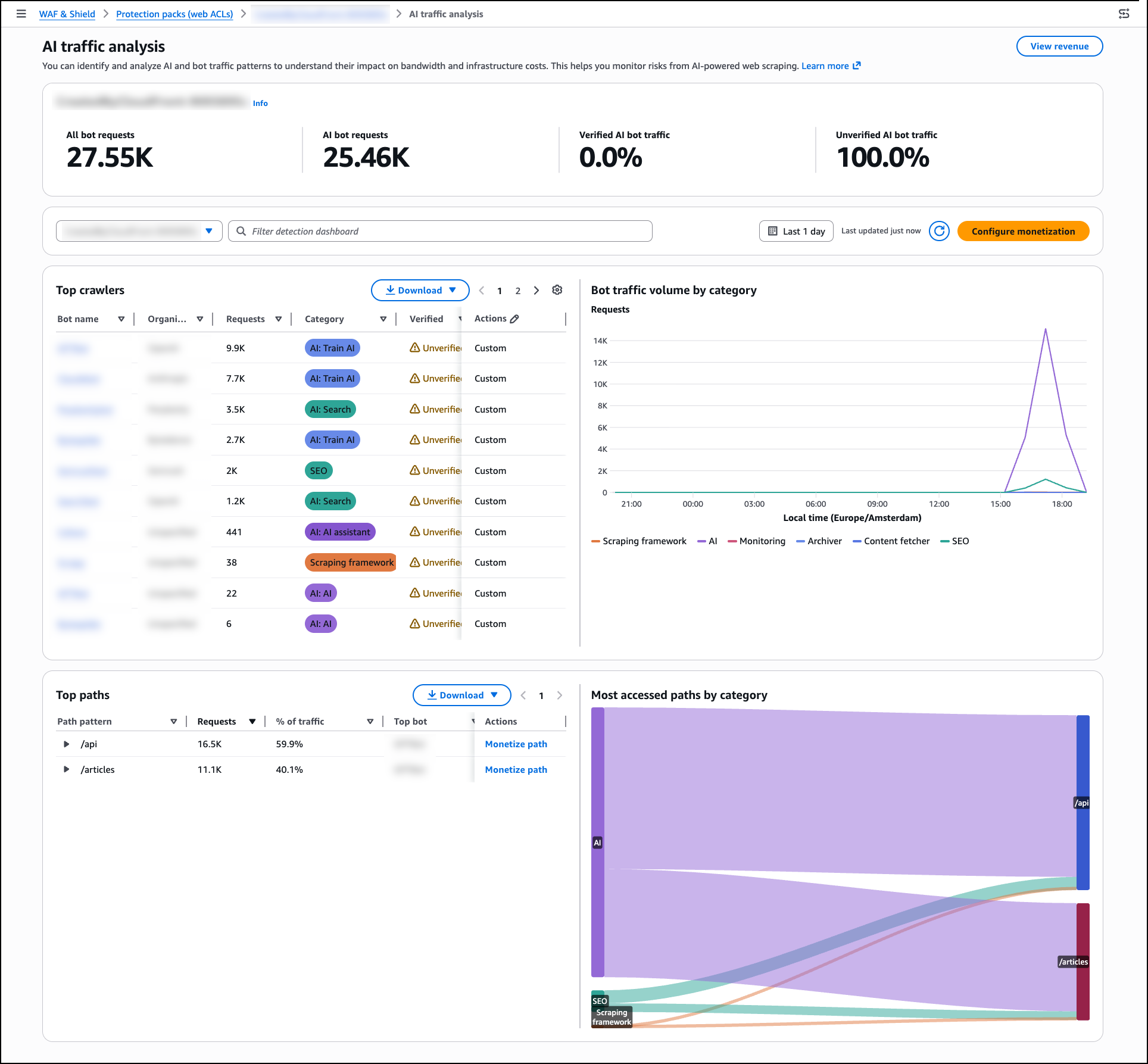
Before finalizing a pricing strategy, publishers are encouraged to utilize the AI traffic analysis dashboard. This powerful tool provides invaluable insights into the existing impact of AI bot traffic. The dashboard segments traffic into four key categories: All bot requests, AI bot requests, Verified AI bot traffic, and Unverified AI bot traffic. It also surfaces critical infrastructure impact metrics, including bandwidth consumed, estimated monthly costs, and peak request rates. A granular per-path heatmap illustrates which content areas experience the most AI bot activity by hour, furnishing publishers with the data necessary to make informed and strategic pricing decisions.
AWS WAF Bot Control is capable of classifying over 650 distinct AI bot and agent types, including prominent ones like GPTBot, Claude-Web, and Perplexity-Bot. Each identified bot is assigned a verification tier, enabling fine-grained control over access and pricing.
Once traffic patterns have been analyzed, content owners can configure AI monetization within their protection pack. For each agent verification tier within the pack, one of six actions can be assigned:
- Monetize: Returns an HTTP 402 Payment Required response, indicating a charge is necessary.
- Allow: Grants free access to the content.
- Block: Denies access entirely.
- Count: Logs the request without charging or blocking.
- CAPTCHA: Presents a puzzle to verify the sender is human.
- Challenge: Runs a silent check to verify the client is a browser, not a bot.
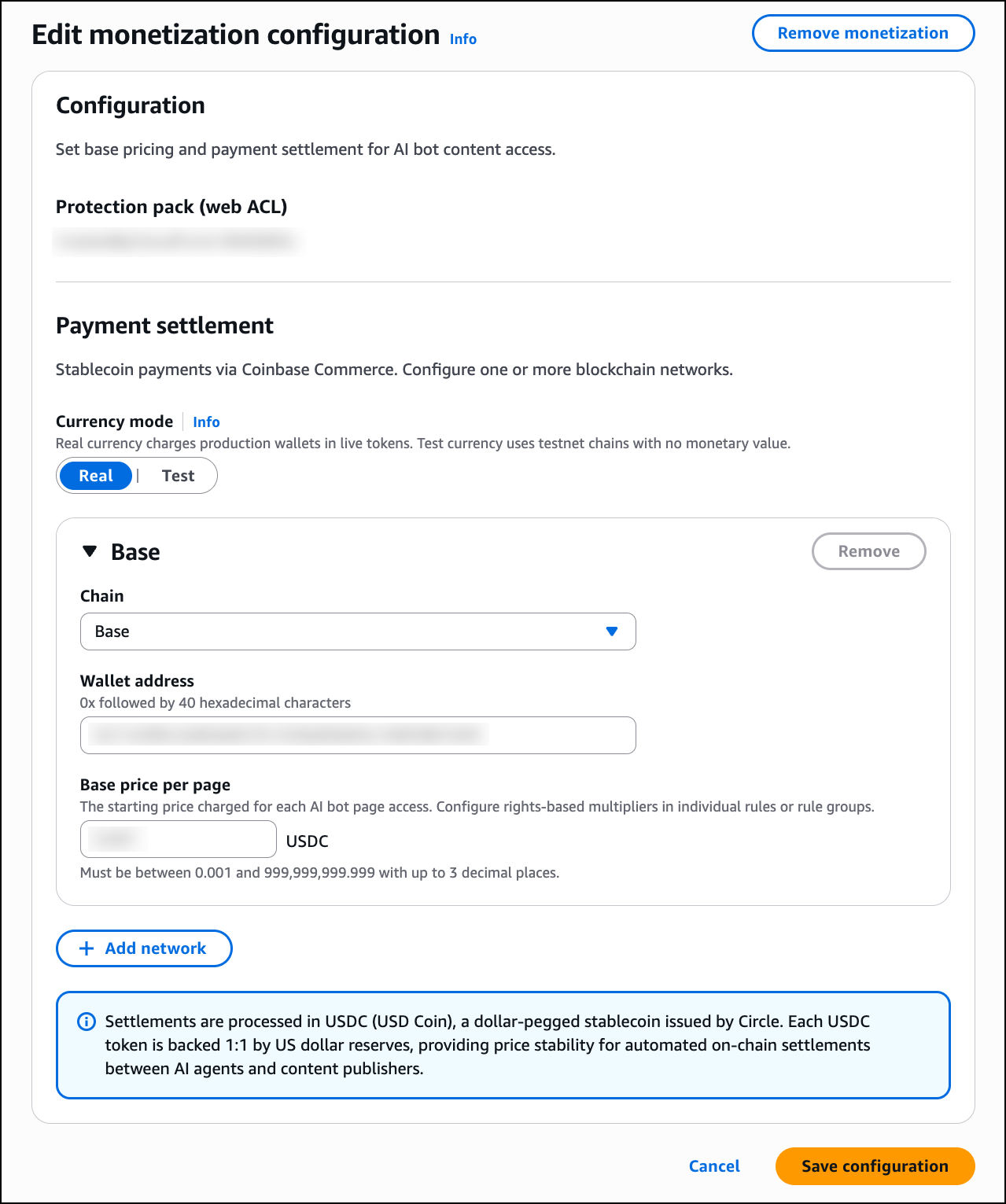
Under the "Payment settlement" section, content owners select one or more blockchain networks for stablecoin payments, providing their wallet address and setting a base price per page in USDC. AWS explicitly states it does not process payments or take a fee on content revenue, with disbursement being self-managed or handled by the wallet provider.
When a "Monetize" rule is triggered, AWS WAF sends an HTTP 402 response containing a machine-readable price manifest in JSON format, adhering to the x402 open protocol for machine-to-machine payments. This manifest includes the content price, accepted blockchain networks (e.g., Base, Solana), the destination wallet address, payment timeout, and payment scheme. An x402-compatible agent runtime can autonomously complete this transaction: the client submits a signed payment authorization, AWS WAF verifies it, integrates with third-party facilitator services for on-chain settlement, and then serves the requested content. It is important to note that the "Monetize" action is currently supported exclusively for web ACLs associated with Amazon CloudFront distributions, ensuring optimal performance and global reach.
Ensuring Readiness: Test Mode and Real-Time Monitoring
To facilitate seamless implementation, AWS WAF includes a "Currency mode" toggle, allowing content owners to switch between "Real" and "Test" modes at any time. Before going live, publishers can use test mode on non-production traffic to validate pricing structures, wallet configurations, and the end-to-end x402 payment flows. In test mode, payments are still enforced via x402 but are processed on testnets (like Base Sepolia or Solana Devnet) using test funds obtained from faucets. This ensures that the entire payment flow is replicated identically to production, with all events logged with a CurrencyMode: TEST flag. Once satisfied with the configuration, switching back to "Real" mode initiates live payment processing.
Upon activation of "Real" currency mode, the "AI access monetization" dashboard provides real-time tracking of monetization outcomes. This dashboard, which specifically excludes test transactions, offers a comprehensive overview of revenue generation. It displays total revenue, a breakdown by verified and unverified bots, and the average revenue per request. The "Top revenue sources" panel groups earnings by bot category, while the "AI access patterns" panel ranks content paths based on the revenue they generate. A "Settlements" tab further aids reconciliation by detailing payments by provider, distribution of payment methods, and any failed payment attempts.
Industry Reactions and Broader Implications
The introduction of AI traffic monetization by AWS is poised to have significant repercussions across the digital content ecosystem. From AWS’s perspective, this feature underscores their commitment to empowering content creators and fostering a more equitable digital economy. It positions AWS as a leader in addressing the complex challenges posed by evolving AI technologies, offering a practical and scalable solution that leverages their robust cloud infrastructure and security services. The emphasis on ease of integration and the ability to protect existing investments in content without requiring extensive re-engineering are key messages from the platform provider.
For content publishers, this capability is expected to be met with considerable relief and enthusiasm. The ability to directly monetize AI bot traffic transforms what was once a pure cost center into a potential new revenue stream. This could significantly impact the sustainability of digital publishing, allowing creators to reinvest in high-quality content production and innovation. Publishers, who have long voiced concerns about their content being used without fair compensation, now have a powerful tool to assert control and derive value. It may also lead to a more nuanced approach to content licensing, where programmatic, machine-to-machine payments become a standard for AI access, complementing traditional human-centric monetization models.
The implications for AI developers are also noteworthy. While some might initially view this as an additional cost for data acquisition, it could ultimately lead to a more transparent and structured marketplace for training data. Instead of relying on web scraping of unmonetized content, AI companies could establish direct, automated payment relationships with content owners, ensuring the ethical sourcing and fair compensation for the data that fuels their models. This could foster a new era of collaboration and trust between content creators and AI innovators, potentially leading to higher quality, licensed datasets.
Industry analysts suggest that this move by AWS marks a pivotal moment in the digital economy, signaling a formalization of machine-to-machine payments as a legitimate and scalable transaction model. It lays the groundwork for a new "content API economy" where web content is treated as a service, accessible via programmatic payments. This could drive further innovation in automated payment systems and blockchain-based settlement solutions. The challenge will be balancing the need for monetization with the principle of an open web, ensuring that essential public information remains accessible while proprietary and valuable content can be fairly compensated.
Availability and Future Outlook
AI traffic monetization is now available for Amazon CloudFront customers at no additional charge beyond standard AWS WAF pricing. The capability is accessible in all edge locations where AWS WAF web ACLs are associated with Amazon CloudFront distributions, ensuring global reach and immediate implementation for existing users.
This new feature represents more than just an update to a security service; it signifies a fundamental shift in how digital content is valued and transacted in the age of artificial intelligence. As AI continues to reshape the digital landscape, solutions like AWS WAF’s AI traffic monetization will be crucial in building a sustainable and equitable future for content creators worldwide. The ongoing evolution of web monetization, driven by technological advancements and the imperative for fair compensation, will undoubtedly see further innovations in this space, with AWS positioned at the forefront of this transformation.
