
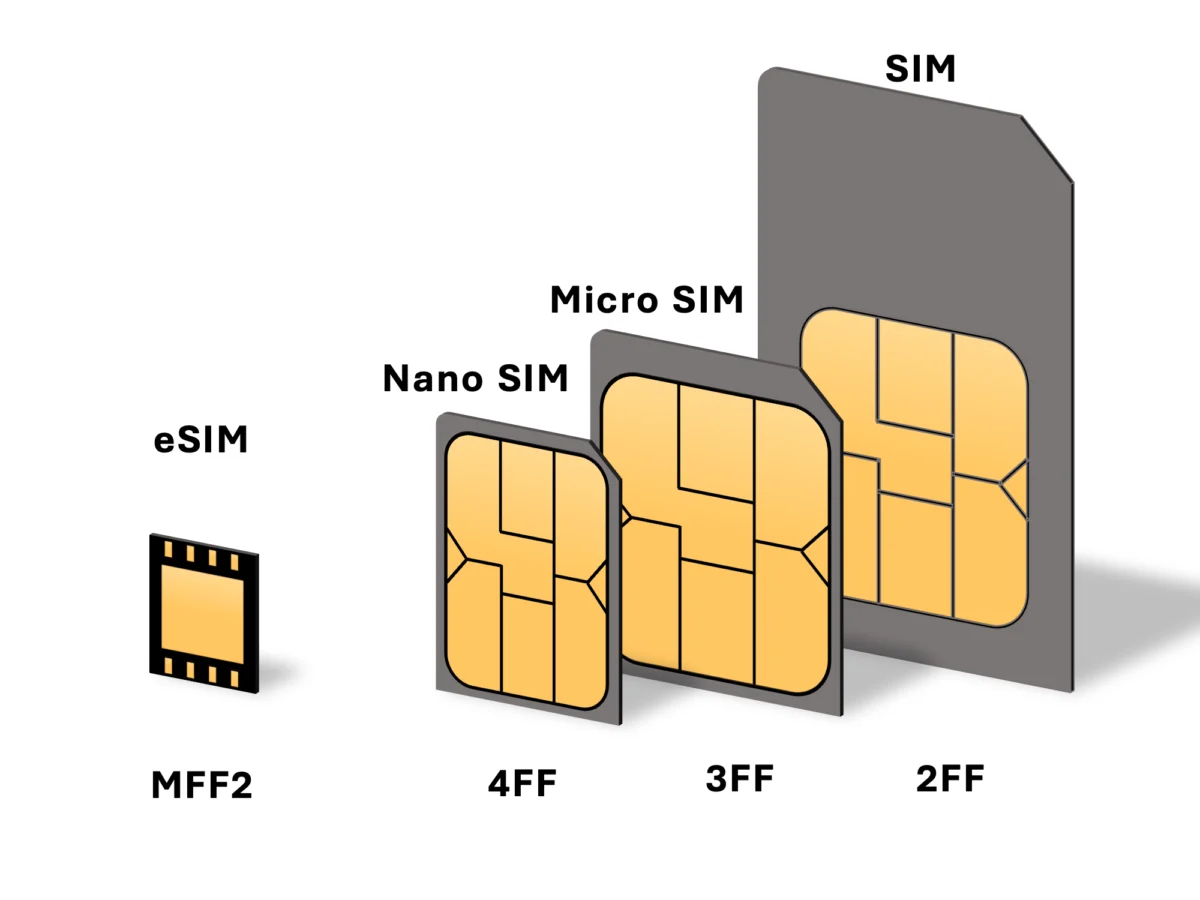

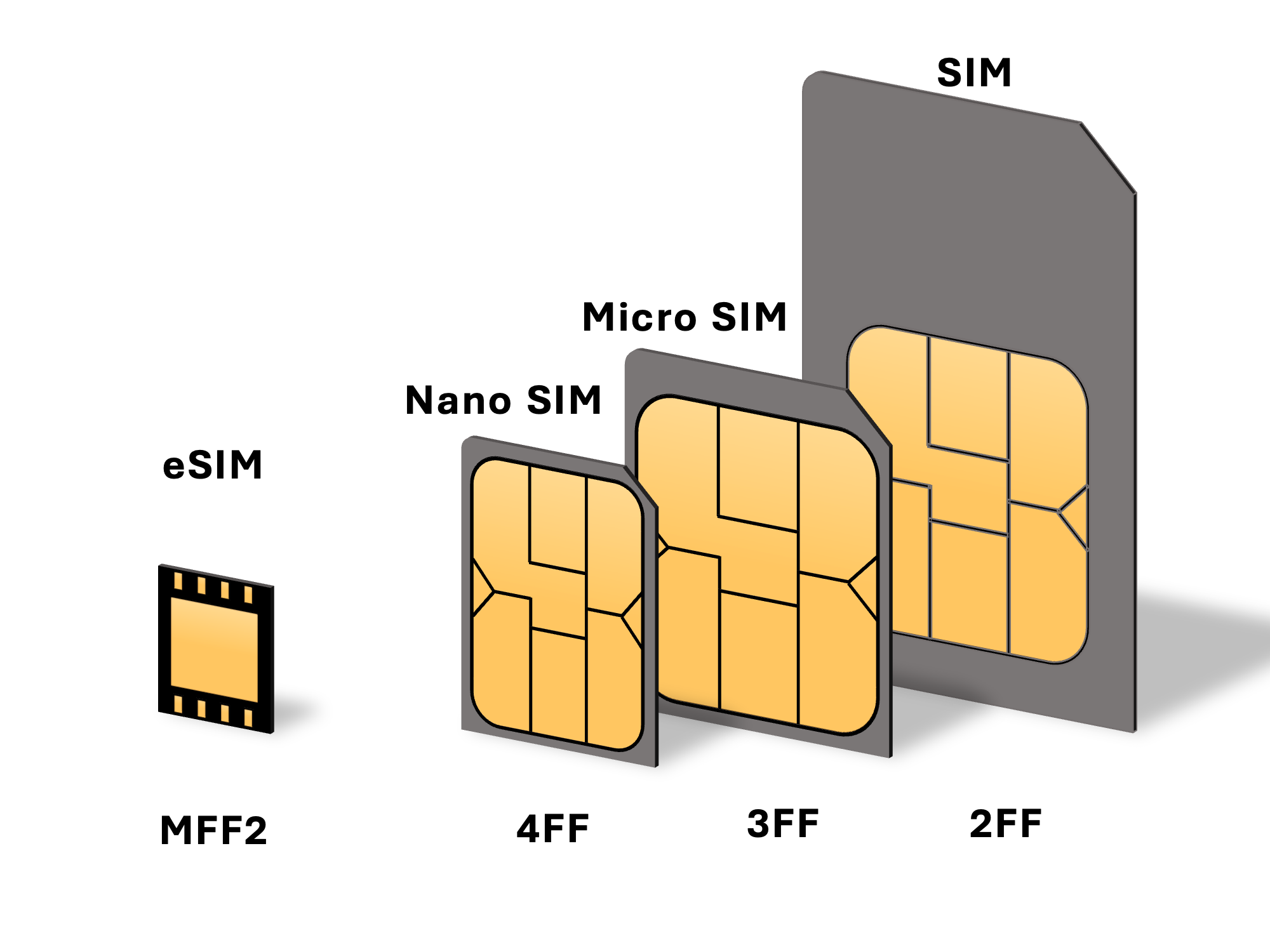
South Korea has long been recognized as a global leader in information and communications technology (ICT), consistently ranking at the top of global indices for internet speed and mobile connectivity. In recent years, this technological prowess has manifested in the rapid adoption of eSIM (embedded SIM) technology. As an electronic version of the traditional physical SIM card, the eSIM is a small chip built directly into a device’s hardware. This innovation allows users to activate a cellular plan digitally, bypassing the logistical hurdles of purchasing, handling, and swapping physical plastic cards. For the millions of tourists and long-term expatriates who arrive in the Republic of Korea annually, the shift toward eSIM technology represents a significant leap in convenience, security, and flexibility.
The Evolution of Mobile Connectivity in South Korea
The transition to eSIM technology in South Korea did not happen in a vacuum. It is the result of a coordinated effort between the government, regulatory bodies, and the nation’s "Big Three" telecommunications providers: SK Telecom, KT (formerly Korea Telecom), and LG U+. While eSIM technology gained international prominence with the release of the iPhone XS in 2018, South Korea’s domestic market initially saw a slower rollout due to the high saturation of physical SIM distribution networks.
However, a pivotal turning point occurred in late 2021 when the Ministry of Science and ICT, alongside the Korea Communications Commission (KCC), announced a formal roadmap for eSIM implementation. By September 2022, the government mandated that all major carriers support eSIM services for newly released smartphones. This policy was driven by the desire to lower communication costs for consumers and to streamline the process of switching carriers, thereby fostering a more competitive market environment. Today, South Korea stands as one of the most eSIM-friendly nations in the world, offering specialized digital packages tailored for short-term visitors, digital nomads, and permanent residents alike.
Technical Infrastructure and the Benefits of eSIM Adoption
The primary advantage of eSIM technology lies in its programmable nature. Unlike a physical SIM card, which is hard-coded to a specific carrier, an eSIM can store multiple "profiles." This allows a traveler to maintain their home country’s phone number for receiving essential SMS (such as bank authentication codes) while simultaneously using a local Korean data plan for navigation and social media.
From a hardware perspective, the removal of the physical SIM tray allows manufacturers to create more water-resistant devices and reallocate internal space for larger batteries or advanced cooling systems. For the consumer in Korea, the benefits are even more practical. Upon landing at Incheon International Airport, a traveler no longer needs to wait in long queues at kiosks. Instead, they can scan a QR code received via email to gain instant access to Korea’s robust 4G LTE and 5G networks.
Furthermore, eSIMs enhance security. In the event of a lost or stolen phone, a physical SIM card can be easily removed and used in another device for fraudulent activities. An eSIM, however, is embedded in the hardware and cannot be removed, making it much harder for unauthorized parties to hijack the user’s cellular identity.
Market Analysis: Leading eSIM Providers for Tourists
The Korean mobile market is highly competitive, and the entry of eSIM technology has introduced new players alongside established giants. For tourists, the primary concerns are usually data volume, ease of activation, and the inclusion of T-Money (transportation card) functionality.
1. Korea SIM Card
Korea SIM Card has emerged as a preferred choice for budget-conscious travelers and short-term visitors. By leveraging the networks of major carriers, they provide a reliable bridge for international users. Their entry-level plans typically start at $25 for 1GB of data with a 30-day validity. They distinguish themselves through multilingual customer support, which is vital for travelers navigating a foreign linguistic landscape.
2. SK Telecom (SKT)
As the largest telecommunications operator in South Korea, SK Telecom offers the most extensive network coverage, particularly in mountainous regions and remote islands like Jeju. Their tourist eSIM plan, priced at approximately $35 for 1GB (30-day validity), is marketed toward those who prioritize high-speed stability. SKT’s 5G infrastructure is among the most advanced in the world, making their plans ideal for power users and business travelers.
3. KT Olleh
KT Olleh is renowned for its "Olleh WiFi" network. When a user purchases a KT eSIM, they often gain access to thousands of secure Wi-Fi hotspots located in subways, cafes, and public buildings across the country. Their 30-day 1GB plan is priced competitively at $36.50. KT has been particularly aggressive in marketing to the "K-Culture" demographic, often bundling their SIM services with tourist-centric apps.
4. LG U+
LG U+ often targets the younger demographic and digital nomads with competitive pricing and robust data-only packages. Their 1GB 30-day plan sits at the higher end of the spectrum at $39, but they frequently offer promotions that include unlimited data at capped speeds after the initial quota is met. Their network is particularly strong in urban centers like Seoul and Busan.
Comparative Data and Cost Analysis
To understand the value proposition of these providers, it is helpful to view the current market landscape through a comparative lens. The following table outlines the standard offerings for short-term 30-day plans:
| Provider Name | Starting Price | Data Allowance | Validity | Network Host |
|---|---|---|---|---|
| Korea SIM Card | $25.00 | 1GB | 30 Days | Various |
| SK Telecom | $35.00 | 1GB | 30 Days | SKT |
| KT Olleh | $36.50 | 1GB | 30 Days | KT |
| LG U+ | $39.00 | 1GB | 30 Days | LG U+ |
While the price per gigabyte may seem higher than in some European markets, the value in Korea is derived from the ubiquity of the signal and the lack of "dead zones." Most travelers opt for "Unlimited Data" plans, which generally cost between $50 and $70 for a 30-day period, providing peace of mind for those relying on GPS and translation apps.
Solutions for Long-Term Residents and Expatriates
For foreign residents holding an Alien Registration Card (ARC), the eSIM landscape is different. Long-term residents require a plan that supports "Self-Authentication," a system used in Korea to verify identity for online shopping, banking, and government services.
SK Telecom, KT, and LG U+ offer contract-based eSIM plans for residents that start as low as $29 to $35 per month. These plans typically include:
- Generous Data Quotas: Often starting at 2GB to 10GB before throttling.
- Unlimited Domestic Voice and Text: Essential for local integration.
- Identity Verification: The ability to use the phone number as a digital ID.
- Family Bundles: Significant discounts for households using the same provider for home internet and mobile services.
Regulatory Response and Industry Implications
The Korea Communications Commission (KCC) has expressed that the widespread adoption of eSIMs is a cornerstone of the nation’s "Digital New Deal." By reducing the reliance on physical plastic, the industry is also making strides toward environmental sustainability. It is estimated that the global shift to eSIMs could prevent the production of billions of plastic SIM cards annually, which are often non-recyclable due to their metal components.
Industry analysts suggest that the next phase of eSIM growth in Korea will involve the "Internet of Things" (IoT). We are already seeing eSIMs integrated into smartwatches, tablets, and even connected vehicles, allowing for a seamless "One-Number" service where a user’s phone and watch share the same data pool and identity.
Procedural Guide: Activation and Management
Activating an eSIM in Korea is designed to be user-friendly, provided the device is carrier-unlocked and supports the technology. The general workflow follows a standardized path:
- Verification: Ensure the device (e.g., iPhone 11 or later, Samsung Galaxy S20 or later) is eSIM compatible.
- Purchase: Select a plan from a provider’s website. For tourists, this usually requires a passport upload for identity verification under Korean law.
- Reception: The provider sends a QR code via email.
- Installation: Navigate to the device settings (Cellular/Mobile Data -> Add eSIM) and scan the QR code.
- Activation: Once in Korea, the device will connect to the local towers. Users may need to restart their device or toggle Airplane Mode to finalize the registration.
Topping up an eSIM is equally digital. Most providers offer an online portal or a dedicated app where users can add data or extend their validity period using international credit cards or local payment methods like KakaoPay.
Frequently Asked Questions
Is a specific device required for eSIM use in Korea?
Yes. While most flagship phones produced after 2019 support eSIM, some regional variants (specifically those manufactured for the Chinese mainland market) may only feature dual physical SIM slots and lack eSIM support.
Can tourists use eSIMs for voice calls?
Many tourist eSIMs are "Data Only." However, major carriers offer "Voice + Data" bundles. It is important to note that receiving calls and texts is often free, but making outgoing calls requires a pre-paid balance.
Are there hidden fees?
Generally, no. However, users should be aware that international roaming is rarely included in local Korean eSIM plans. Using a Korean eSIM to call back to one’s home country will incur significant per-minute charges unless an international calling add-on is purchased.
Conclusion: The Future of the Connected Traveler
The integration of eSIM technology into the South Korean telecommunications ecosystem represents more than just a technical upgrade; it is a fundamental shift in how the world interacts with a hyper-connected society. For the traveler, it removes the "connectivity anxiety" that once defined international arrivals. For the resident, it offers a streamlined, cost-effective way to manage digital identity.
As South Korea continues to roll out 6G research and expands its smart-city infrastructure, the eSIM will serve as the essential digital key. Whether choosing the broad coverage of SK Telecom, the Wi-Fi perks of KT, or the specialized tourist packages of Korea SIM Card, users can now enjoy the full breadth of Korea’s digital landscape with nothing more than a scan of a QR code. The era of the physical SIM card is rapidly drawing to a close, replaced by a more invisible, efficient, and secure digital standard.
