
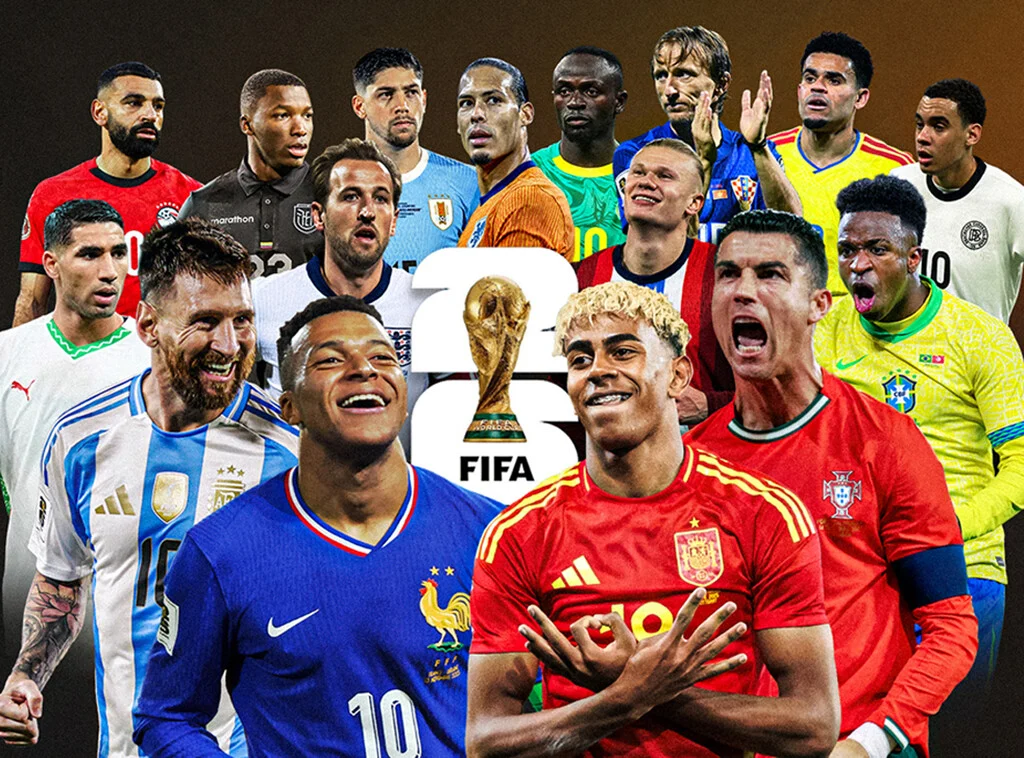

With the group stage now a captivating memory, the FIFA World Cup 2026 has unequivocally transitioned into its most decisive phase: the knockout rounds. This monumental tournament, unprecedented in scale and global reach, now operates under the unforgiving mantra of "win or go home," where every pass, tackle, and shot carries the weight of a nation’s hopes. For football enthusiasts across Spain, navigating the intricate landscape of broadcast options is paramount to experiencing every لحظة of this high-octane drama, a landscape defined by a strategic blend of premium subscription services and vital free-to-air coverage.
The Dawn of a New Era: The Expanded FIFA World Cup 2026
The FIFA World Cup 2026 marks a historic departure from previous iterations, ushering in an era of unprecedented scale and ambition. Co-hosted by the United States, Canada, and Mexico, this tournament is the first to feature an expanded roster of 48 national teams, a significant increase from the 32-team format that had been standard since 1998. This expansion dramatically alters the tournament structure, escalating the total number of matches from 64 to an astonishing 104 across 16 host cities.
The most immediate and impactful consequence of this expansion for the knockout phase is the introduction of a new round: the Round of 32, or "dieciseisavos de final" as referred to in Spanish. Previously, the group stage directly led into the Round of 16. Now, 16 additional teams qualify from the group stage, creating an extra layer of elimination and intensifying the competition from an earlier point. The 48 teams are divided into 12 groups of four, with the top two teams from each group and the eight best third-placed teams advancing to the Round of 32. This format ensures more nations participate, offering broader global representation and increasing the overall spectacle, though it also extends the tournament duration and logistical demands on teams and organizers. For fans, it means more football, more upsets, and more opportunities for unforgettable moments as teams battle through additional high-stakes encounters.
Navigating the Spanish Broadcast Landscape: A Hybrid Access Model
For Spanish viewers, the journey through the expanded World Cup 2026 is facilitated by a multi-platform broadcast strategy that combines exclusive pay-per-view access with a public service offering. This hybrid model reflects the evolving nature of sports broadcasting rights, balancing commercial exclusivity with the desire for widespread public access to major national and international events. Three primary avenues exist for comprehensive coverage: DAZN, Movistar Plus+, and Orange TV, all of which offer the full complement of 104 matches. Complementing these premium services, RTVE, Spain’s public broadcaster, provides a crucial free-to-air option, ensuring that a significant portion of the tournament remains accessible to all citizens via traditional terrestrial television (TDT) and its digital streaming platform. This tiered approach caters to different viewer preferences and financial capacities, a common trend in major sporting event coverage globally.
DAZN’s Strategic Dominance and Premium Offerings
At the core of the World Cup 2026 broadcast strategy in Spain lies DAZN, the global sports streaming service, which secured the exclusive rights to broadcast all 104 matches of the tournament. This acquisition represents a monumental strategic coup for DAZN, further solidifying its position as a dominant force in the Spanish sports media landscape. Known for its extensive portfolio of football leagues, combat sports, and motor racing, DAZN’s securing of the World Cup rights underscores its ambition to be the definitive destination for premium sports content.
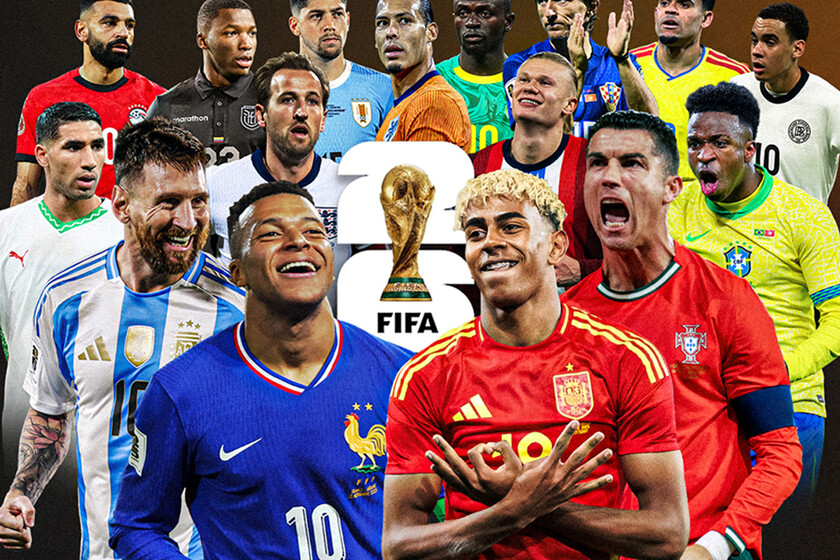
To facilitate comprehensive coverage, DAZN has launched "DAZN Mundial," a dedicated channel designed to immerse subscribers in every aspect of the tournament. This channel not only broadcasts all matches live but also offers extensive pre- and post-match analysis, expert commentary, exclusive interviews, and highlight reels. The strategic implications for DAZN are profound: it significantly boosts subscriber numbers, enhances brand visibility, and positions the platform as an indispensable service for serious football fans. By offering the full spectrum of matches, DAZN caters to the dedicated viewer who desires an uninterrupted and in-depth World Cup experience, free from the constraints of selected free-to-air fixtures. This exclusive access allows DAZN to curate a premium viewing environment, often including advanced features like multiple audio options, interactive statistics, and on-demand replays, further justifying its subscription model.
The Telco Alliances: Movistar Plus+ and Orange TV
Recognizing the immense popularity and drawing power of the FIFA World Cup, leading Spanish telecommunication operators Movistar Plus+ and Orange TV have entered into strategic agreements with DAZN. These partnerships are critical for extending the reach of DAZN’s exclusive content to a broader subscriber base, particularly those who prefer to bundle their entertainment and communication services. Through these alliances, customers of Movistar Plus+ and Orange TV gain access to the "DAZN Mundial" channel and, by extension, all 104 World Cup matches, seamlessly integrated into their existing television packages.
These collaborations are mutually beneficial. For DAZN, they represent an effective distribution channel, allowing its content to reach millions of households beyond its direct subscriber base, thereby maximizing viewership and revenue potential. For Movistar Plus+ and Orange TV, the inclusion of the World Cup is a powerful differentiator and a key retention tool in a highly competitive market. Offering the complete tournament enhances their premium content offering, attracting new subscribers and preventing churn among existing ones who might otherwise seek out DAZN directly. These operators can leverage the World Cup to promote higher-tier packages that include sports content, driving up average revenue per user. The integration typically means that subscribers can access DAZN Mundial directly through their set-top boxes or dedicated apps, providing a unified and convenient viewing experience. This strategic bundling highlights a growing trend in the telecommunications industry, where telcos increasingly act as aggregators of premium content to add value to their core services.
RTVE’s Public Service Commitment: Free-to-Air Access for All
In parallel with the premium offerings, RTVE, Spain’s national public broadcasting service, upholds its crucial role in ensuring widespread accessibility to major sporting events. RTVE has committed to broadcasting a total of 33 matches of the FIFA World Cup 2026 free-to-air, a commitment that balances commercial exclusivity with the public’s right to access significant national and international events. This provision is particularly vital during the knockout stages, where national interest and collective excitement peak.
These 33 matches are broadcast primarily on La 1, RTVE’s flagship channel, and are also available in stunning 4K resolution on La 1 UHD for those with compatible televisions and service providers. Additionally, all free-to-air matches are streamed live and on-demand via RTVE Play, the broadcaster’s digital platform, extending accessibility to mobile devices, tablets, and smart TVs. This multi-platform approach ensures that whether viewers prefer traditional television, high-definition terrestrial broadcasting, or digital streaming, they have options to follow the tournament.
During the group stage, RTVE successfully delivered 17 matches, including all three of Spain’s fixtures, captivating a broad audience. As the tournament progresses into the high-stakes knockout phase, RTVE will continue its coverage, providing access to a curated selection of seven crucial matches in the Round of 32. This includes key encounters that are likely to feature prominent teams or generate significant public interest. The availability of La 1 UHD on select operators like Orange TV, Vodafone TV, and Digi TV further enhances the viewing experience for those with advanced setups, allowing them to witness the action in unparalleled clarity. RTVE’s role is not merely about broadcasting; it is about fostering a sense of national unity and shared experience, ensuring that the magic of the World Cup is not confined to paid subscribers but is a collective celebration for all.
The Intensifying Knockout Stage: ‘Win or Go Home’
The transition to the knockout rounds fundamentally transforms the tournament’s dynamic. Gone are the safety nets of draws or points differentials; every match is a definitive contest where only victory secures advancement. This "win or go home" ethos injects an unparalleled level of drama and intensity into every minute of play, making each fixture a potential classic. The expanded 48-team format means the Round of 32 is the first true crucible of this do-or-die phase, adding an extra layer of strategic planning and endurance requirement for the teams.
The viewing distribution for these crucial knockout matches in Spain follows the established hybrid model:
- Free-to-Air on RTVE (La 1 / La 1 UHD / RTVE Play): As previously mentioned, RTVE will air seven selected matches from the Round of 32. These fixtures are carefully chosen to maximize public interest and viewership, often featuring high-profile teams or particularly intriguing matchups. This ensures a baseline of accessible, high-quality football for the general populace.
- Exclusive on DAZN Mundial (DAZN, Movistar Plus+, Orange TV): The remaining matches of the Round of 32, and indeed all subsequent knockout rounds including the Round of 16, Quarter-finals, Semi-finals, and the Grand Final, will be exclusively available through the DAZN Mundial channel. This means that to witness the entirety of the knockout drama unfold, from the surprise upsets to the eventual crowning of the world champion, a subscription to DAZN or a package from Movistar Plus+ or Orange TV that includes DAZN Mundial is essential.
This dual distribution strategy ensures that while key moments are shared widely, the comprehensive, in-depth experience is reserved for premium subscribers. The progression through the knockout rounds is a narrative arc of increasing stakes: from the initial Round of 32, teams vie for a spot in the Round of 16, then the elite eight of the Quarter-finals, leading to the ultimate tension of the Semi-finals, and finally, the singular glory of the World Cup Final. Each step demands peak performance, tactical brilliance, and mental fortitude, making the viewing experience for fans a roller coaster of emotions.
Enhancing Fan Engagement: Digital Tools and Interactive Experiences
Beyond passive viewing, modern football tournaments increasingly leverage digital tools to enhance fan engagement and provide interactive experiences. The FIFA World Cup 2026 is no exception, with various platforms and applications designed to deepen the connection between fans and the game. One notable example is the "FWC26 Circle Draw" website, which allows users to simulate the entire knockout bracket. Fans can personally select which teams they believe will advance through each round, crafting their dream final and predicting potential upsets. This interactive tool transforms passive spectators into active participants, fostering discussion, friendly competition, and a deeper understanding of the tournament’s structure and potential outcomes.
Furthermore, broadcasters like RTVE and DAZN offer companion apps and online portals that extend the viewing experience. These platforms often include features such as real-time statistics, multi-angle camera options, instant replays, and personalized notifications for favorite teams. Social media integration also plays a significant role, allowing fans to share their reactions, engage with commentators, and participate in global conversations surrounding the matches. These digital enhancements cater to a tech-savvy audience, providing a more immersive and personalized World Cup journey, making the tournament not just an event to watch, but an experience to participate in.
Implications for Sports Broadcasting and Viewer Experience
The broadcast model for the FIFA World Cup 2026 in Spain holds significant implications for the future of sports broadcasting and the overall viewer experience. The hybrid approach—combining exclusive premium rights with substantial free-to-air coverage—is likely to become a template for major global sporting events. This model attempts to strike a balance between the commercial imperative of rights holders to monetize their investments and the public interest in universal access to culturally significant events.
From a commercial perspective, DAZN’s full exclusivity for 104 matches, coupled with its strategic partnerships with telcos, underscores the increasing value of live sports content as a driver for subscriptions and customer loyalty. It also highlights the growing trend of digital-first broadcasters challenging traditional media giants for top-tier sports rights. For telecommunication companies, bundling premium sports acts as a powerful lever in a saturated market, offering an attractive proposition to retain and acquire customers.
For the viewer, this model presents both opportunities and challenges. On one hand, the sheer volume of matches available, coupled with high-definition and 4K options, offers an unparalleled viewing experience for those willing to subscribe. The integration of digital tools further enriches this experience, making it more interactive and personalized. On the other hand, the cost of accessing all matches can be a barrier for some, potentially creating a two-tiered viewership experience. However, RTVE’s commitment to broadcasting 33 matches ensures that the core narrative of the tournament, including key knockout encounters, remains accessible to all, preserving the communal aspect of watching the World Cup.
Looking ahead, this World Cup sets a precedent for how future mega-events might be distributed. The technological demands for seamless 4K streaming and multi-device access will continue to push innovation in broadcasting infrastructure. The economic impact on advertising revenues, subscription growth, and ancillary services will be substantial. Ultimately, the FIFA World Cup 2026, with its expanded format and diversified broadcast strategy, is not just a football tournament; it is a profound case study in the evolving dynamics of global sports consumption, demonstrating how traditional viewing habits are merging with digital innovation to create a multifaceted and engaging experience for millions worldwide.
As the tournament progresses through its electrifying knockout stages, the anticipation only builds. Every match is a story waiting to be written, a test of skill, resilience, and nerve. For fans in Spain, whether they choose the comprehensive premium experience or the vital free-to-air coverage, the stage is set for an unforgettable journey through the largest and most ambitious FIFA World Cup in history.
