
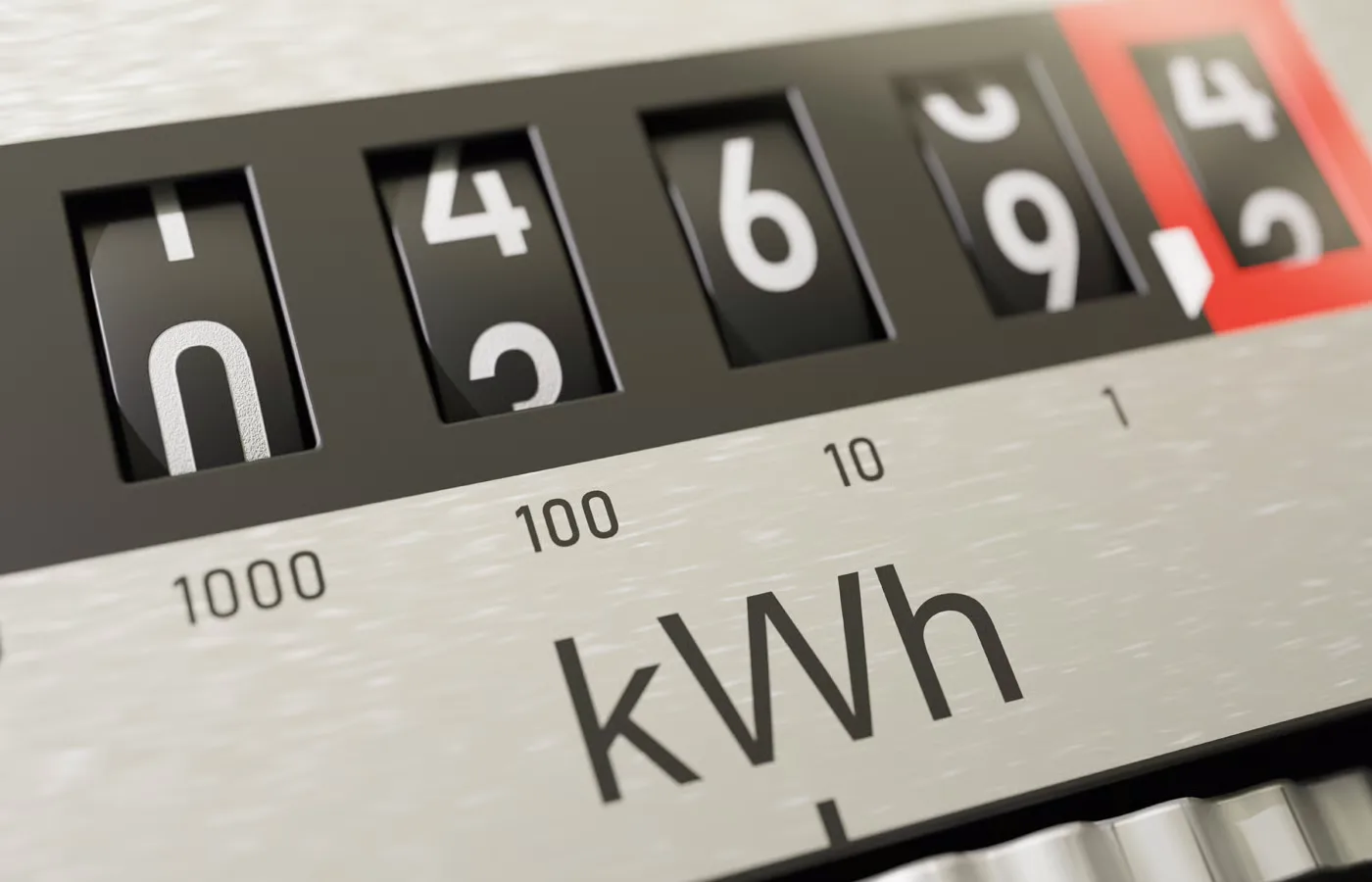

Energy consumption stands as one of the most significant operational expenditures for data centers, a reality that has grown increasingly pronounced as the digital infrastructure supporting our modern world expands at an unprecedented pace. The continuous operation of servers, essential for processing, storing, and transmitting vast quantities of data, coupled with the robust cooling systems required to dissipate the considerable heat they generate, culminates in substantial energy demands. As data centers evolve, accommodating ever-increasing data volumes and computational workloads, their energy consumption, and consequently their operational costs, continue to escalate, presenting a critical challenge for operators worldwide.
To effectively address these mounting concerns, a comprehensive understanding of data center power consumption mechanisms is paramount. This involves dissecting the intricate interplay of various components and systems that underpin these vital facilities. This article will delve into the fundamental workings of data center power usage, identify the primary contributors to energy consumption, and then explore key strategies for optimizing power efficiency, along with the tangible business implications of adopting these measures.
The Anatomy of Data Center Power Consumption
The intricate process of data center power consumption is a symphony of interconnected systems working in concert to meet the relentless demand for digital services. Understanding this complex ecosystem requires a detailed examination of its core components.
Power Infrastructure: The Foundation of Operation
At the bedrock of any data center’s energy footprint lies its robust power infrastructure. This critical network comprises external power sources, typically drawing from the local grid, which then feeds into a sophisticated system of backup generators and uninterruptible power supplies (UPS). These safeguards are essential for ensuring continuous operation in the event of grid failures or fluctuations. Power distribution units (PDUs) then meticulously route this electricity to the myriad of devices within the facility. The reliability and efficiency of this foundational layer directly influence the overall energy management strategy of the data center.
Servers and Computing Equipment: The Primary Energy Consumers
The servers themselves represent the beating heart of a data center and, consequently, the most significant consumers of electrical power. These machines are tasked with the core functions of data processing, storage, and networking, demanding substantial energy to perform these operations. The power draw of individual servers is directly correlated with their workload; as processing demands intensify, so too does their energy consumption. Beyond servers, other critical computing components, including vast storage arrays and high-speed network devices, also contribute substantially to the total energy expenditure, creating a complex web of power demands. Industry reports consistently highlight that IT equipment accounts for approximately 40-50% of a data center’s total energy usage, underscoring its critical role.
Cooling and Climate Control: The Unsung Energy Drain
Maintaining optimal operating temperatures within a data center is not merely a matter of comfort; it is an absolute necessity for the longevity and performance of sensitive electronic equipment. This necessitates comprehensive cooling and climate control systems, which can include Computer Room Air Conditioner (CRAC) units, chillers, and cooling towers. These systems are tasked with the arduous job of dissipating the immense heat generated by the servers and other hardware. Alarmingly, the energy expended on cooling can often rival, and sometimes even exceed, the power consumed by the computing equipment itself. According to the International Energy Agency (IEA), cooling systems can account for as much as 30-40% of a data center’s total energy consumption, a figure that underscores the critical importance of efficient cooling strategies.
Power Usage Effectiveness (PUE): A Metric for Efficiency
To quantify and benchmark the energy efficiency of data centers, the industry widely employs a key performance indicator known as Power Usage Effectiveness (PUE). PUE is calculated as the ratio of the total energy entering the data center facility to the energy delivered to the IT equipment. An ideal PUE of 1.0 signifies that all power is used solely for computing operations, a theoretical benchmark rarely achieved in practice. Most modern data centers strive for PUE values between 1.2 and 1.5, with leading facilities achieving figures below 1.1. This metric serves as a crucial tool for identifying areas of inefficiency and driving improvements in energy management.
Lighting and Auxiliary Systems: The Supporting Cast
While often overshadowed by the energy demands of servers and cooling, lighting and other auxiliary systems—such as security, monitoring equipment, and building management systems—also contribute to the overall power consumption of a data center. Although their individual energy footprints may be smaller, implementing energy-efficient lighting solutions, such as LED technology, and leveraging automation for these systems can yield cumulative savings and contribute to a more sustainable operational profile.
Power Fluctuations and Demand Scaling: A Dynamic Equilibrium
Data center power consumption is not static; it is a dynamic entity that fluctuates significantly based on real-time demand. During periods of peak activity, more servers are activated to handle the increased workload, leading to a commensurate rise in power consumption. Conversely, during off-peak hours, power usage may decrease. Modern data centers are increasingly adopting sophisticated demand scaling and virtualization techniques to dynamically optimize power consumption in alignment with fluctuating workloads, ensuring that resources are utilized efficiently without compromising performance.
Key Factors Influencing Power Consumption
The energy footprint of a data center is shaped by a multitude of factors, extending beyond the immediate hardware to encompass environmental conditions, operational practices, and architectural design. A holistic understanding of these influences is crucial for formulating effective strategies to reduce energy usage.
Environmental Factors and External Influences
Ambient temperature and humidity levels play a significant role in determining the load on cooling systems. In warmer climates, cooling systems must work harder to maintain optimal temperatures, thereby increasing energy consumption. Similarly, high humidity can necessitate additional dehumidification processes. External factors like the availability and cost of electricity, as well as local environmental regulations, also influence operational decisions and the adoption of energy-efficient technologies.
Hardware Efficiency and Utilization
The inherent energy efficiency of servers, storage devices, and networking equipment is a fundamental determinant of a data center’s power consumption. Newer, more energy-efficient hardware, often bearing Energy Star certifications, can significantly reduce power draw per unit of performance. Furthermore, the utilization rate of this hardware is critical. Idle or underutilized servers still consume power, making server consolidation and virtualization essential for maximizing efficiency. Studies have shown that consolidating workloads onto fewer, more powerful servers can lead to energy savings of up to 80% for the consolidated hardware.
Data Center Design and Layout
The physical design and layout of a data center have a profound impact on cooling efficiency and, consequently, energy consumption. Strategies such as hot aisle and cold aisle containment are designed to prevent the mixing of hot exhaust air from IT equipment with the cool intake air, thereby optimizing airflow and reducing the workload on cooling systems. The density of IT equipment within racks also influences cooling requirements; higher-density deployments necessitate more robust and efficient cooling solutions.
Operational Practices and Management
The day-to-day operational practices and the sophistication of management systems employed within a data center are critical drivers of energy efficiency. This includes diligent monitoring of power consumption, regular maintenance of cooling systems, and the implementation of power management policies. Advanced Data Center Infrastructure Management (DCIM) software plays a vital role in providing real-time visibility into power usage, enabling operators to identify anomalies, optimize resource allocation, and proactively address potential inefficiencies.
Five Pillars of Data Center Power Optimization
Achieving greater power efficiency in data centers is not only an environmental imperative but also a strategic business advantage, leading to reduced operational costs and enhanced sustainability. The following five strategies offer a robust framework for optimizing power consumption:
1. Embracing Energy-Efficient Hardware and Infrastructure
A foundational step towards reducing power consumption involves a strategic upgrade to energy-efficient hardware. This includes selecting servers and storage devices with superior power efficiency ratings and prioritizing Energy Star-certified equipment. The transition from traditional Hard Disk Drives (HDDs) to Solid-State Drives (SSDs) also offers significant energy savings, as SSDs consume substantially less power and generate less heat. Furthermore, optimizing the power delivery infrastructure, including the use of high-efficiency power supplies and intelligent PDUs, can minimize energy losses throughout the distribution network. According to industry analyses, replacing older server hardware with modern, energy-efficient models can yield power savings of up to 30% per server.
2. Revolutionizing Cooling Systems for Peak Efficiency
Cooling systems, a major energy drain, can be significantly optimized through the adoption of advanced techniques. Liquid cooling solutions, such as direct-to-chip cooling or immersion cooling, offer far more efficient heat dissipation compared to traditional air cooling, particularly for high-density computing environments. Evaporative cooling and free cooling (using outside air when conditions permit) can also dramatically reduce reliance on energy-intensive mechanical refrigeration. Precision cooling strategies, focused on delivering cool air directly to the server inlets, minimize wasted cooling capacity. Optimizing airflow management through well-designed hot/cold aisle containment and sealing cable openings further enhances cooling efficiency.
3. Harnessing the Power of Virtualization and Server Consolidation
Virtualization technology stands as a cornerstone of modern data center efficiency. By enabling multiple virtual machines (VMs) to operate on a single physical server, virtualization drastically reduces the number of physical servers required, leading to significant savings in both space and power consumption. Server consolidation maximizes the utilization of existing hardware, ensuring that servers are operating at optimal load levels. This not only reduces the overall power draw but also minimizes the need for extensive cooling. Advanced workload management and orchestration tools, often integrated with virtualization platforms, further enhance this efficiency by intelligently distributing tasks across available resources. The widespread adoption of virtualization has been credited with saving billions of kilowatt-hours of energy annually across the globe.
4. Implementing Intelligent Power Management Software
The strategic deployment of Data Center Infrastructure Management (DCIM) tools and other power management software solutions is crucial for gaining granular control over energy consumption. These platforms provide real-time monitoring of power usage across all critical components, enabling operators to identify trends, detect anomalies, and implement corrective actions swiftly. By offering comprehensive visibility into power distribution, PUE metrics, and environmental conditions, DCIM software empowers data center managers to make data-driven decisions for optimization. The integration of Artificial Intelligence (AI) and machine learning algorithms into these solutions can further enhance efficiency by providing predictive analytics for workload forecasting and proactive power adjustments.
5. Integrating Renewable Energy Sources for Sustainable Operations
The transition to renewable energy sources is a transformative step for data centers seeking to minimize their environmental impact and achieve greater energy independence. Sourcing electricity from solar, wind, or hydroelectric power significantly reduces reliance on fossil fuels and lowers the carbon footprint. Data centers can achieve this through direct purchase agreements with renewable energy providers, investing in on-site renewable energy generation (such as solar panels on facility rooftops), or participating in Renewable Energy Credits (RECs) programs. This commitment to renewable energy not only aligns with corporate sustainability goals but also often leads to long-term cost predictability, insulating operations from volatile fossil fuel markets.
The Multifaceted Benefits of Data Center Energy Efficiency
The relentless pursuit of energy efficiency within data centers yields a cascade of advantages that extend far beyond mere cost savings, positively impacting economic, environmental, and operational spheres.
Economic Advantages: Reduced Operational Expenditures and Enhanced Profitability
The most immediate and tangible benefit of energy efficiency is the significant reduction in operational costs. Lower energy bills directly translate into improved profitability, freeing up capital that can be reinvested in infrastructure upgrades, innovation, or other strategic initiatives. Moreover, efficient data centers often benefit from preferential utility rates and may be eligible for government incentives or tax credits aimed at promoting sustainable energy practices. This financial prudence also enhances the overall economic resilience of the data center operation.
Environmental Stewardship: Minimizing Carbon Footprint and Promoting Sustainability
In an era of heightened environmental consciousness, data centers have a critical role to play in mitigating climate change. By reducing energy consumption and embracing renewable energy sources, data centers can dramatically lower their carbon footprint, contributing to global sustainability efforts. This commitment to environmental responsibility not only aligns with societal expectations but also enhances brand reputation and can attract environmentally conscious clients and investors. Efficient operations reduce the demand on natural resources and minimize the environmental impact associated with energy generation.
Operational Enhancements: Improved Reliability, Performance, and Capacity
Contrary to the misconception that efficiency might compromise performance, optimized energy management often leads to improved operational reliability and performance. Well-managed cooling systems prevent hardware overheating, reducing the risk of equipment failure and extending the lifespan of critical IT components. Furthermore, by optimizing power usage, data centers can often increase their usable capacity within existing infrastructure, delaying the need for costly expansions. This enhanced efficiency contributes to a more stable, predictable, and high-performing operational environment.
Navigating the Challenges of Data Center Power Management
Despite the clear benefits, achieving optimal data center energy efficiency is not without its hurdles. These challenges span technical, financial, and operational domains, requiring strategic planning and innovative solutions.
The Delicate Balance: Performance Versus Efficiency
One of the most persistent challenges is the inherent tension between the ever-increasing demand for high-performance computing power and the imperative for energy efficiency. As data analytics, AI, and machine learning workloads become more complex and computationally intensive, they naturally drive up power consumption. Finding the optimal balance between delivering the required computational power and minimizing energy usage requires sophisticated resource management, intelligent workload placement, and continuous evaluation of hardware and software capabilities.
The Burden of Upgrades: Technological and Infrastructure Investments
Implementing energy-efficient hardware and advanced cooling systems often necessitates substantial upfront capital investment. Many data centers operate with legacy systems that, while functional, are inherently less energy-efficient. Upgrading these systems can be a complex and costly undertaking, requiring careful planning to minimize disruption to ongoing operations. The financial commitment associated with modernizing infrastructure and adopting cutting-edge technologies remains a significant barrier for some organizations.
The Heat of the Matter: Cooling System Efficiency in High-Density Environments
Efficiently managing the heat generated by densely packed IT equipment presents a formidable challenge. As compute density increases within racks, the localized heat loads intensify, demanding highly effective and often energy-intensive cooling solutions. While innovative cooling technologies exist, their implementation can be complex and may not be universally applicable or cost-effective for all data center configurations. Ensuring consistent and adequate cooling without excessive energy expenditure remains a primary concern, particularly in the context of growing demand for high-performance computing.
The Bottom Line: The Indispensable Role of Efficient Power Management
In conclusion, the efficient management of power within data centers has transcended its status as a mere operational concern to become a critical determinant of economic viability, environmental responsibility, and long-term strategic success. As the digital backbone of our global economy, data centers bear a profound responsibility to manage their substantial energy consumption effectively.
Efficient power management is not simply about reducing electricity bills; it is a fundamental pillar of responsible corporate citizenship and a key driver of competitive advantage. By minimizing energy consumption, optimizing the utilization of resources, and embracing renewable energy sources, data centers can significantly reduce their environmental impact, demonstrating a tangible commitment to global sustainability initiatives. This proactive approach not only strengthens their reputation but also positions them as leaders in the evolving landscape of green IT, ensuring their continued relevance and success in the digital age.
For those seeking to deepen their understanding of sustainable IT practices, exploring comprehensive guides on Green IT principles, benefits, and challenges is highly recommended. Furthermore, organizations ready to embark on the journey of infrastructure virtualization will find value in researching leading virtualization companies that can provide the expertise and solutions necessary for a seamless transition.
