
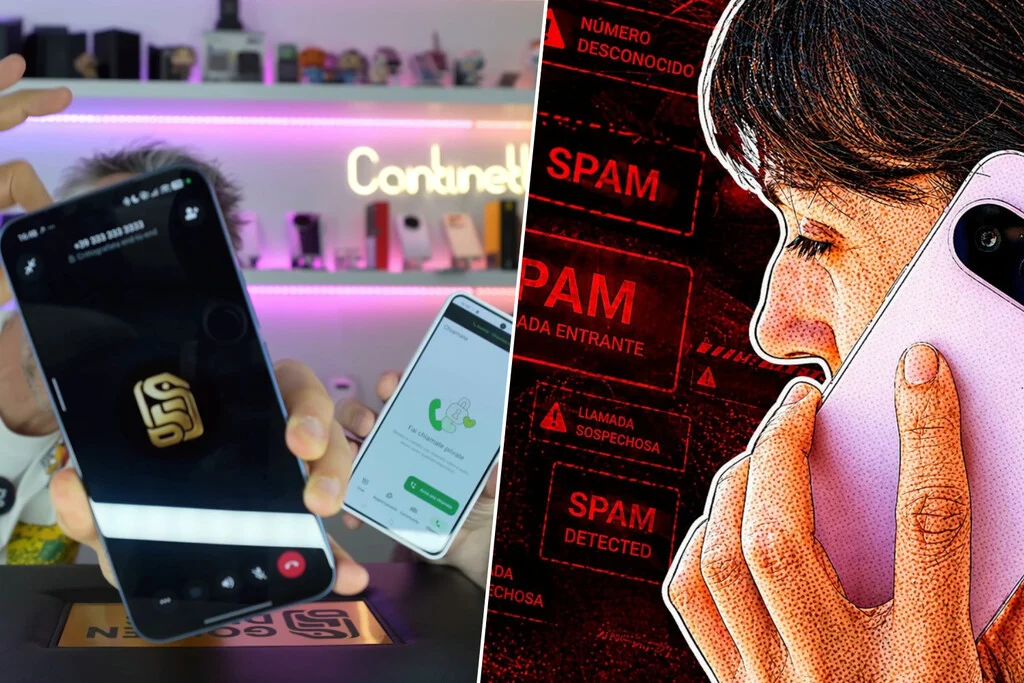

The realm of technological collecting extends far beyond the preservation of vintage hardware or obsolete software; it delves into the acquisition of unique digital identifiers and the pursuit of extraordinary records. While the public might be familiar with feats like the Guinness World Record for internet speed achieved by combining dozens of 56 kbps modems or the unconventional international championships dedicated to mobile phone throwing, a more discreet, yet highly lucrative, niche exists within mobile telephony: the acquisition of "Gold Numbers." These coveted sequences of digits represent a peculiar intersection of personal passion, commercial value, and unforeseen privacy challenges. At the forefront of this unique phenomenon stands an anonymous Italian citizen, known only as "Señor Sim," who possesses what many consider a crown jewel of telecommunications: a telephone number so rare that it has attracted astronomical offers, all of which he has steadfastly rejected. His story encapsulates the burgeoning appreciation for digital rarity and the complex implications of owning an undeniably memorable asset in the modern age.
The Evolving Landscape of Digital Collecting and Record-Breaking
Technological collecting has matured significantly from its early days, broadening its scope to encompass a diverse array of digital and physical artifacts. Initially driven by nostalgia or a desire to preserve computing history, collectors sought out iconic hardware like early Apple computers, vintage video game consoles, or pioneering mobile phones. However, the definition of what constitutes a valuable technological "collectible" has expanded. Today, this includes rare software, unique domain names, coveted social media handles, and even non-fungible tokens (NFTs) representing digital art or ownership. The allure lies not just in the object’s utility or historical significance, but often in its uniqueness, its story, or its symbolic value.
The pursuit of records, too, has found fertile ground in the tech sector. Beyond traditional benchmarks like processing power or data transfer speeds, enthusiasts and innovators have pushed boundaries in unconventional ways. The example of combining numerous 56 kbps modems to achieve a Guinness World Record for internet speed, while perhaps more a testament to human ingenuity and perseverance than practical application, highlights a culture that celebrates the extraordinary within technology. Similarly, the mobile phone throwing championship, an annual event, transforms a common device into a projectile in a sport that playfully comments on technological obsolescence and durability. These examples serve as a backdrop, illustrating a broader cultural inclination to find unique value and challenge limits within the technological sphere, setting the stage for understanding the peculiar appeal of a "Gold Number."
Defining "Gold Numbers": Rarity, Value, and Market Dynamics
Within this expansive ecosystem of tech appreciation, "Gold Numbers" – also frequently referred to as "Vanity Numbers" or "Premium Numbers" – occupy a distinct and highly specialized segment. These are telephone numbers characterized by easily memorable sequences, often featuring repetitive digits, ascending or descending patterns, or combinations that spell out words (e.g., 1-800-FLOWERS). Their value stems from their inherent rarity and the ease with which they can be recalled, making them exceptionally desirable for businesses seeking strong brand recognition or individuals desiring a status symbol.
The market for these numbers is surprisingly robust and operates with a hierarchy of desirability. Numbers with simpler, more symmetrical patterns command higher prices. For instance, sequences of consecutive identical digits, like the "333 3333333" owned by Señor Sim, are considered the pinnacle of rarity. Another crucial factor influencing value, particularly in Italy and other European markets, is the number of digits following the country and area codes. Older numbering schemes sometimes allowed for shorter, six-digit sequences after the prefix, which are now highly coveted due to their scarcity and historical significance compared to the more common seven-digit numbers assigned today. Telecommunications experts often point to the finite nature of such highly desirable numerical combinations as the primary driver of their escalating market value, likening them to rare art or vintage collector cars – assets whose supply is inherently limited while demand, fueled by status and memorability, continues to grow.
Señor Sim: A Collector’s Passion Beyond Monetary Value
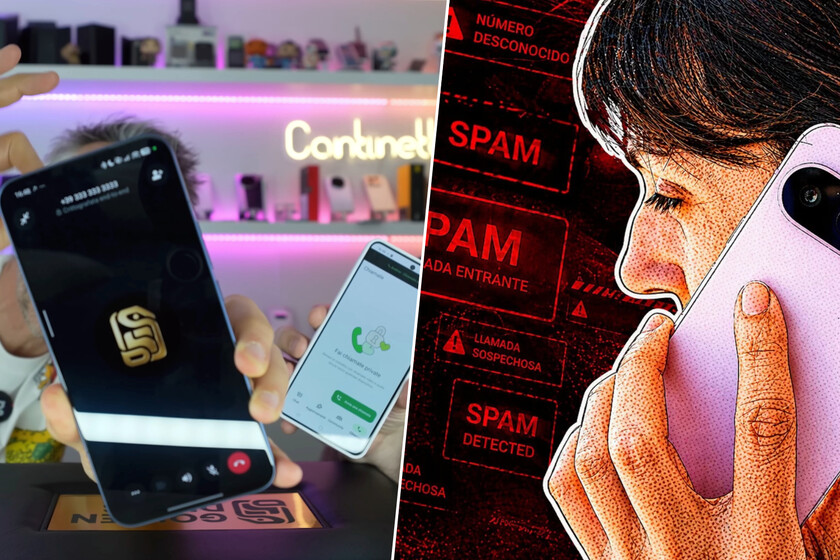
The story of Señor Sim epitomizes the profound connection a collector can forge with a unique item, transcending its market value. An Italian man in his forties or fifties, his journey into collecting began, somewhat unconventionally, with Pokémon cards. This initial foray into accumulating rare items eventually led him to discover a peculiar vocation: the collection of telephone number rarities. For nearly two decades, he has been the proud, and often beleaguered, owner of the number (+39) 333 3333333. This specific sequence is not merely a "Gold Number"; it is recognized by Guinness World Records as the "rarest number in the world," a testament to its unparalleled pattern and the statistical unlikelihood of its existence. This official designation further cements its status as a unique digital artifact.
The exceptional nature of Señor Sim’s number became globally evident when he revealed, during an interview with content creator Andrea Galeazzi, that he had received a staggering offer for his SIM card. An attorney, representing none other than the royal family of Dubai, proposed a purchase price of two million euros. This extraordinary sum underscores the immense value placed on such unique identifiers by ultra-high-net-worth individuals and entities, particularly in regions where luxury and exclusivity are highly prized. Despite repeated insistence and the life-changing sum on the table, Señor Sim remained unyielding. His refusal was not a negotiation tactic; it was a profound declaration of his collector’s ethos. As he explained, "it’s not an economic issue… I do it precisely because it’s something I like, therefore, I don’t give it a [monetary] value." This statement resonates deeply within the collecting community, where the intrinsic satisfaction of ownership often outweighs the speculative gains. His decision highlights the often-underestimated psychological value that collectors attach to their prized possessions, a value that cannot be quantified by market forces alone.
The Unseen Toll: Privacy and Daily Disruption
While the ownership of such a globally unique asset bestows a certain prestige and fulfills a deep personal passion, it also comes with a significant, non-monetary cost: a severe erosion of personal privacy and constant daily disruption. Señor Sim’s "Gold Number," being incredibly easy to remember and highly distinctive, has become a magnet for unsolicited contact. He estimates that he receives an astonishing 1,500 to 2,000 calls every single day.
The sources of this deluge of communication are varied and shed light on contemporary digital behaviors. A substantial portion of these calls originates from individuals who, when confronted with online forms requiring a phone number, deliberately input Señor Sim’s sequence to avoid providing their actual personal data. This tactic, while understandable from a privacy-conscious perspective, inadvertently turns his unique number into a digital dumping ground for anonymous form submissions. Furthermore, the ubiquity of messaging applications like WhatsApp has introduced another layer of intrusion. Many users, recognizing the distinctive pattern, add the number to their contacts, believing it to be a fake or inactive line. They then proceed to use it as a "personal cloud," sending notes, documents, and photographs to themselves via a chat with this "empty" number, unaware that a real person is on the receiving end. This chaotic influx of communication transforms a valuable asset into a daily burden, making it nearly impossible for Señor Sim to use his phone for conventional purposes without constant interruption.
The implications for his privacy are profound. His personal line, meant for private communication, has effectively become a public utility, a repository for countless anonymous interactions. This constant barrage represents a significant psychological burden, forcing him to navigate an endless stream of irrelevant calls and messages. To cope with this overwhelming situation and preserve some semblance of personal space, Señor Sim has resorted to a drastic measure: he has configured his mobile phone to automatically reject any call or message originating from numbers not explicitly saved in his contact list. While this software-based solution offers a degree of respite, it also limits his ability to receive legitimate calls from new contacts or unexpected, but important, communications, effectively isolating him within his own digital fortress.
Regulatory Responses and Security Implications
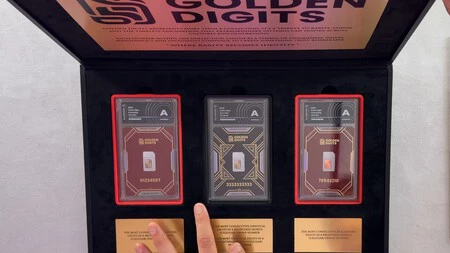
The growing value and unique characteristics of "Gold Numbers" have also brought to the forefront significant security concerns, particularly regarding identity theft and fraud. One of the most insidious threats is "SIM swapping," a sophisticated form of attack where criminals trick mobile operators into transferring a victim’s phone number to a SIM card under their control. Once they control the number, they can intercept two-factor authentication codes, reset passwords, and gain access to bank accounts, email, and other critical online services. "Gold Numbers," due to their high perceived value and memorability, are particularly attractive targets for such fraudulent activities, as their owners are often perceived as high-value individuals.
In response to these escalating threats and a broader need to enhance consumer protection in the telecommunications sector, Italy, like many other nations, has revised its legislation. The updated regulations, spearheaded by authorities such as AGCOM, now mandate stricter protocols for the transfer of telephone numbers. Specifically, any change of ownership for a mobile number requires both the buyer and the seller to be physically present at a service point or to undergo rigorous digital verification processes to confirm their identities. These measures are designed to significantly complicate the process for fraudsters attempting SIM swapping or other forms of identity theft, thereby protecting both the owners of valuable numbers and the general public. These legislative changes reflect a global trend towards reinforcing digital security and acknowledging the phone number’s critical role as a primary identifier in the digital economy. While primarily aimed at combating fraud, these regulations also indirectly underscore the increasing recognition of phone numbers as valuable personal assets that require robust legal protection.
Broader Impact and the Future of Digital Assets
Señor Sim’s saga offers a compelling case study in the broader implications of digital asset ownership in the 21st century. It highlights the evolving nature of value, where a sequence of numbers can command a price comparable to luxury real estate or fine art. This phenomenon reflects a deeper societal trend: as our lives become increasingly digitized, so too do the elements that define our identity, status, and personal connections. Phone numbers, once mere conduits for communication, have transformed into central hubs for our digital existence, linking us to everything from banking apps to social media profiles.
The story also sparks a conversation about the ethical dimensions of data privacy and the unintended consequences of technological ubiquity. The constant bombardment of calls and messages faced by Señor Sim underscores the fragility of personal boundaries in an interconnected world. It poses questions about how individuals can effectively safeguard their digital space when their identifiers become public knowledge, even unintentionally. Privacy advocates frequently point to such cases as evidence of the need for stronger data protection frameworks and for individuals to be empowered with greater control over their digital footprint.
Looking ahead, the market for unique digital assets, whether "Gold Numbers," premium domain names, or other rare digital identifiers, is likely to continue its upward trajectory. The human desire for uniqueness, status, and ease of recall ensures a steady demand for such items. As technology advances, new forms of digital "vanity assets" may emerge, each presenting its own set of opportunities and challenges. Señor Sim’s unwavering commitment to his passion, despite the considerable personal cost and the lucrative offers, stands as a powerful testament to the intrinsic, often irrational, value that collectors place on their unique treasures. His story is not just about a phone number; it is a profound exploration of modern collecting, the paradoxes of digital value, and the enduring human quest for something truly one-of-a-kind in an increasingly homogenized world.
