

TikTok Shop’s remarkable surge in sales, reaching a staggering $64.3 billion in merchandise volume in 2025, a near doubling from the previous year, is fundamentally reshaping the landscape of online retail. Of this substantial figure, the United States alone contributed $15.1 billion, a significant portion of which was propelled by the distinctive short-form, face-to-camera product showcases that have become synonymous with the platform. Historically, the creation of these engaging, albeit often brief, marketing videos demanded considerable human effort: a dedicated person, a smartphone, controlled lighting, and multiple takes to achieve the desired result. However, a paradigm shift is underway, driven by the rapid advancements in artificial intelligence. Today, the barrier to entry for producing such compelling promotional content has been drastically lowered, requiring little more than a product image and access to a suite of AI tools, many of which are available at no cost. This article delves into the step-by-step workflow that empowers aspiring entrepreneurs and established businesses alike to leverage AI for building their e-commerce empires.
The Rise of TikTok Shop and the Demand for Dynamic Content
The meteoric rise of TikTok Shop is a testament to the platform’s ability to blend social interaction with seamless purchasing. Launched as an integrated e-commerce feature, it allows users to discover and buy products directly within the app, transforming passive scrolling into active shopping. This model has proven exceptionally effective in capturing consumer attention, particularly among younger demographics who are highly engaged with short-form video content. The year 2025 saw this trend accelerate, with global GMV (Gross Merchandise Volume) on TikTok Shop doubling year-on-year. This growth trajectory underscores a critical demand: the need for a constant stream of fresh, engaging, and persuasive marketing materials. Traditional video production methods, while effective, are often time-consuming and costly, posing a significant challenge for smaller businesses or individuals looking to scale their operations. The emergence of accessible AI tools offers a compelling solution, democratizing the creation of high-impact promotional videos.
A New Workflow: AI-Powered Content Creation for E-commerce
The process of creating effective e-commerce videos has been significantly streamlined through the integration of AI. This new workflow, requiring no specialized technical expertise, can be broken down into several key stages.
Step 1: Securing a Pristine Product Image
The foundational element of any successful product promotion is a high-quality visual representation of the item itself. Sellers have two primary avenues for sourcing this crucial asset: either by selecting products they are genuinely passionate about and have a deep understanding of, or by strategically identifying trending and high-demand items on the TikTok Shop itself and leveraging their imagery. For those affiliated with specific brands or companies, utilizing official supplier photographs is the most reliable approach.
Crucially, the chosen image must undergo meticulous preparation. The objective is to isolate the product, ensuring it is the sole focus of the visual. This involves cropping the image to eliminate any extraneous elements, such as models, distracting backgrounds, or watermarks. A clean, uncluttered image serves as the AI’s "source of truth," directly influencing the fidelity and accuracy of the subsequent AI-generated outputs. For instance, when preparing an image for a vertical TikTok format, the product should be framed accordingly, while a horizontal format suitable for YouTube would require a different composition. The clarity and precision of this initial image are paramount, as any ambiguity or clutter can lead to less faithful AI interpretations.
Step 2: Infusing Products with AI-Generated Models and Scenarios
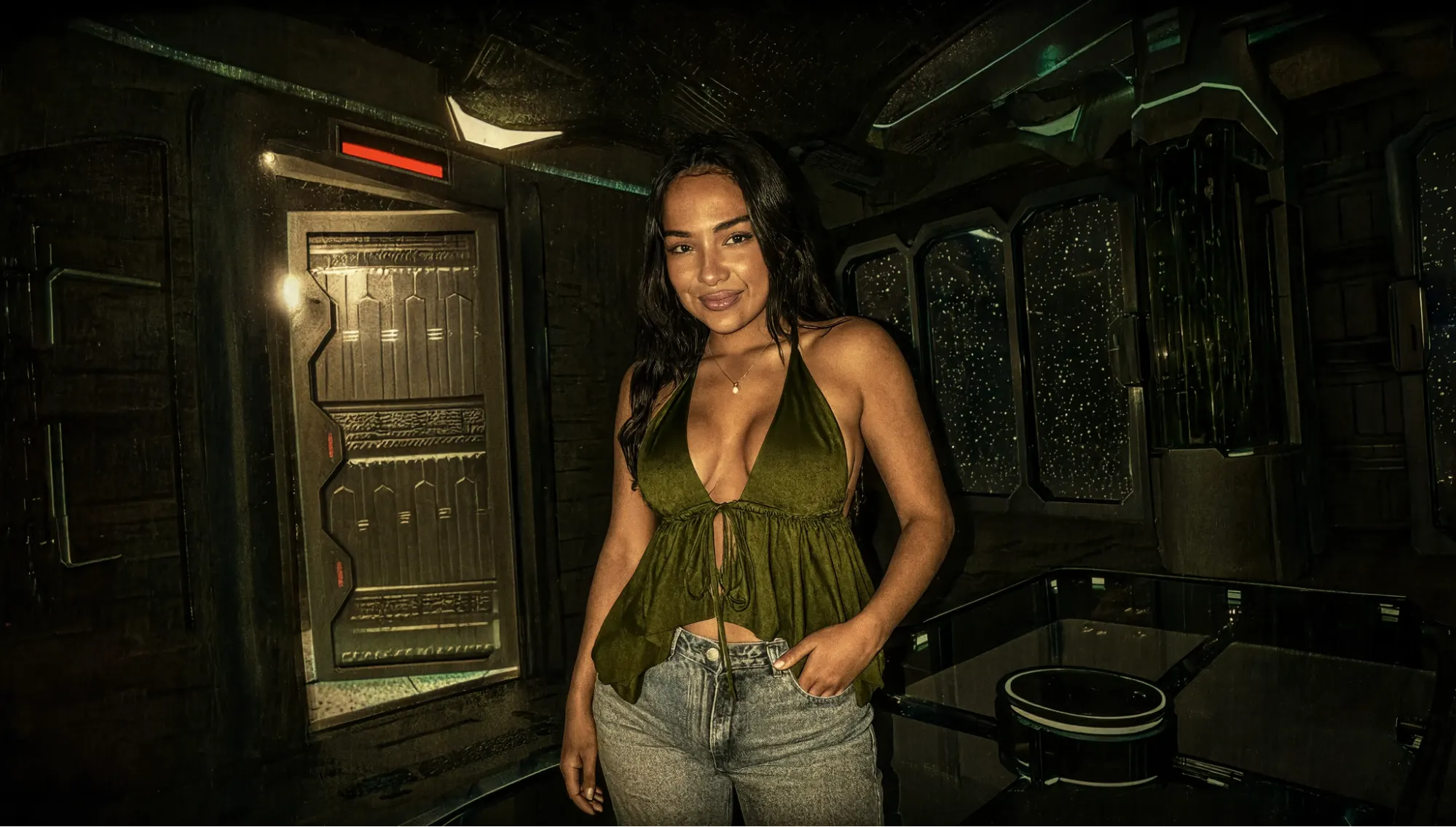
For product categories that benefit from a human touch, such as apparel and accessories, the ability to place products onto realistic models within specific environments is invaluable. This is where advanced AI image generation tools come into play. Platforms like ChatGPT, particularly its GPT Image 2 model, have demonstrated superior performance in photorealism and product fidelity compared to competitors, making them ideal for generating ads that appear authentic and not artificially constructed.
The process begins with uploading the cleaned product image to the AI. The user then crafts a descriptive prompt that outlines the desired scenario. For example, a prompt for a clothing item might read: "Generate a vertical 9:16 photo of a Latina woman in her late 20s wearing this exact garment, posing for a casual smartphone photo in a bright apartment. Preserve every characteristic of the product exactly as shown in the reference image: shape, proportions, color, fabric texture, stitching, and fit. Do not redesign, recolor, or alter the product in any way."

This allows for precise control over the model’s appearance (ethnicity, age, body type) and the surrounding environment (e.g., a gym for activewear, a cafe for accessories, a street scene for streetwear). For non-clothing items, the prompt can be adapted to depict the product being held or used by the AI-generated model. Furthermore, advanced AI capabilities enable the compositing of generated subjects into entirely different background images, offering immense creative flexibility. While tools like Google’s Nano Banana 2 also excel in compositing, and alternatives like Reve offer a more budget-friendly option, careful consideration of product accuracy is necessary with less sophisticated tools.
Step 3: Scripting with AI for Maximum Impact
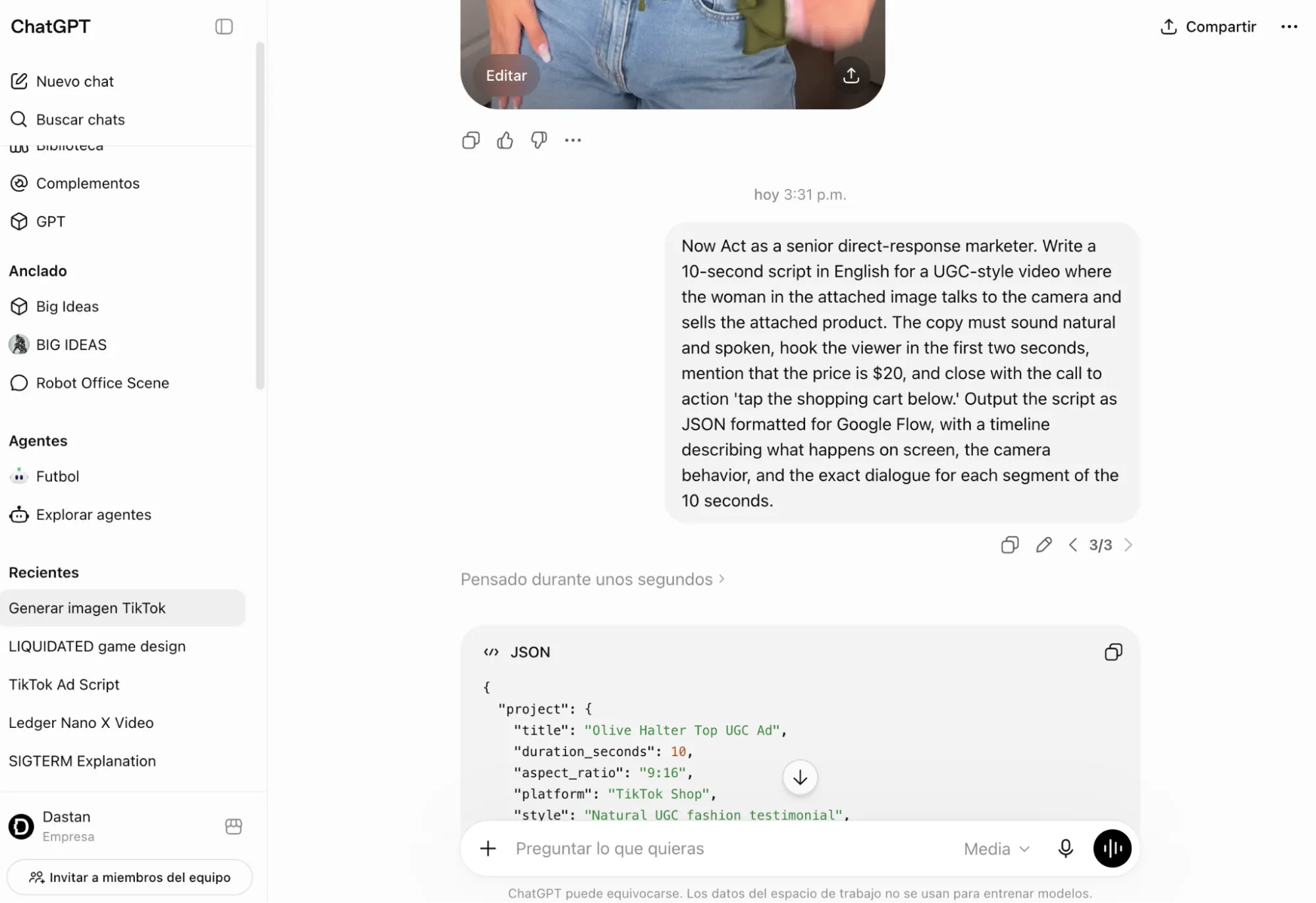
The next critical phase involves crafting a compelling script that will drive engagement and conversions. Instead of manual scriptwriting, which can be time-consuming and may lack marketing expertise, AI can be leveraged to generate dynamic scripts tailored for direct-response marketing. By instructing ChatGPT to act as a "senior direct-response marketer," users can solicit scripts designed to hook viewers within the crucial initial seconds, clearly state pricing, and include a strong call to action.
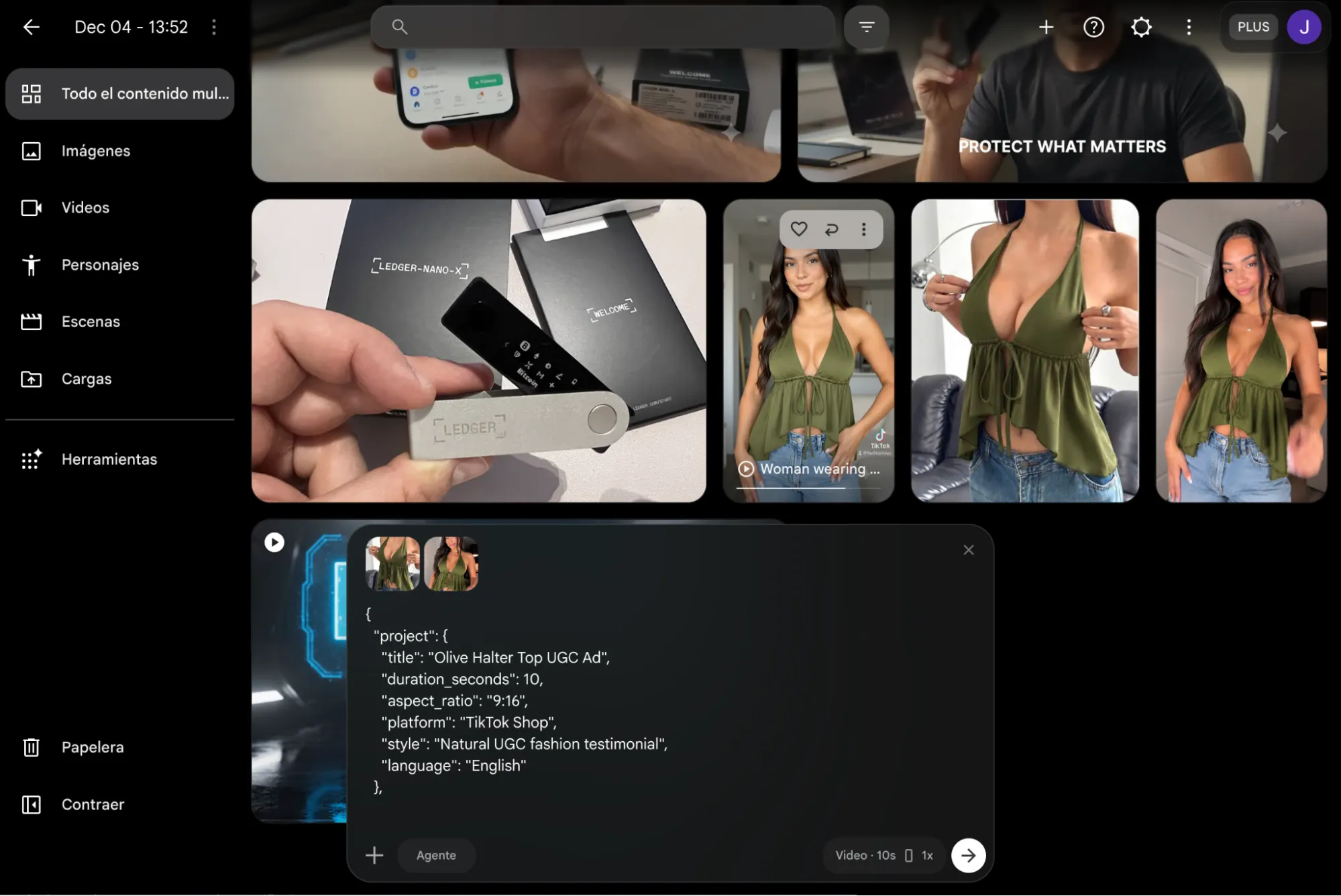
A key innovation here is the output format: JSON. This structured data format is particularly effective when feeding scripts into advanced video generation models, as it allows for precise synchronization of on-screen actions, camera movements, and dialogue. A prompt might specify: "Write a 10-second script in English for a UGC-style video where the woman in the attached image talks to the camera and sells the attached product. The copy must sound natural and spoken, hook the viewer in the first two seconds, mention that the price is $20, and close with the call to action ‘tap the shopping cart below.’ Output the script as JSON formatted for Google Flow, with a timeline describing what happens on screen, the camera behavior, and the exact dialogue for each segment of the 10 seconds."
This JSON output enables AI video generators to meticulously follow the intended pacing and delivery, ensuring that the dialogue, gestures, and overall flow align with the marketing objectives. It is important to review the AI-generated script for literal interpretations that might lead to repetitive actions, and to be prepared to make minor adjustments. The flexibility extends to platform-specific customization, allowing for tailored messaging and calls to action appropriate for TikTok, Instagram, YouTube, or other social media channels.
Step 4: Generating Dynamic Video Content with AI
With the visual assets and the structured script in place, the next step is to bring the advertisement to life using AI video generation platforms. Google Flow, featuring models like Gemini Omni, offers a powerful solution. Gemini Omni, launched in 2026, is capable of generating up to 10-second clips with synchronized native audio, meaning the AI-generated model will speak the dialogue. The platform’s ability to accept reference images is central to this workflow, ensuring the AI model adheres to the visual identity established in previous steps.
Users upload both the AI-generated model image and the product close-up, then paste the JSON script into the prompt box. The output format can be specified as vertical (9:16) for platforms like TikTok and Reels, or horizontal (16:9) for YouTube. While other advanced video generation tools exist, Gemini Omni’s cost-effectiveness and integration within the Google ecosystem make it an attractive option.
The financial aspect of AI video generation is a key consideration. While Google Flow offers free daily credits for non-subscribers, these are often restricted to specific models. Gemini Omni, while accessible through paid Google AI plans, offers a cost-effective per-second pricing structure. Importantly, Google makes Omni available at no cost within YouTube Shorts and the YouTube Create app for eligible users, providing a genuinely free entry point for content creation. It is crucial to note that all AI-generated videos produced by Omni carry an invisible SynthID watermark, ensuring transparency and compliance with emerging regulations around synthetic media.
It is also important to acknowledge that AI video generation is an evolving field. Initial outputs may contain random elements or minor imperfections due to the creative nature of these models. Users are encouraged to regenerate clips if the first attempt is unsatisfactory and to utilize post-production tools for fine-tuning.
Step 5: Refining and Polishing with Editing Software
The final stage of the AI-powered content creation process involves post-production refinement. Exporting the generated video clip into user-friendly editing software such as CapCut allows for meticulous trimming of any anomalies, such as extraneous dialogue or looping gestures. This step ensures the final video is precisely as intended before direct export to social media platforms.
CapCut offers a range of features, including automatic captioning, though advanced animated caption styles may require a Pro subscription. For those operating on a budget, manual text insertion remains a free and effective option. This final polish is essential for ensuring a professional and seamless viewing experience for the end consumer, making the AI-generated content indistinguishable from traditionally produced advertisements. The example of an AI-generated TikTok ad with a corrected call to action demonstrates the tangible results of this integrated workflow.
Navigating the Evolving Landscape of E-commerce and AI Disclosure
The proliferation of AI-generated content in marketing necessitates a clear understanding of platform policies and disclosure requirements. Both TikTok and YouTube permit the use of AI-generated promotional videos, but mandate transparency regarding their creation and any commercial relationships involved.
TikTok’s policy requires realistic AI-generated content to be labeled. Advertisers running non-Spark ads must also activate a specific AI-generated content disclaimer within TikTok Ads Manager. Furthermore, any individual or entity promoting a brand, product, or service must enable TikTok’s commercial-content disclosure setting.
YouTube mirrors these requirements, asking creators to indicate "Yes" under "AI use" for videos containing realistic AI-generated or significantly altered content. This prompts YouTube to apply an AI label. Sponsored or commercially influenced videos must also utilize the platform’s paid-promotion disclosure.
X (formerly Twitter) has a more nuanced approach. Its Authenticity policy prohibits synthetic or manipulated media when it is deceptively presented and poses risks of confusion, public safety threats, or serious harm. Advertising rules emphasize honesty and lawfulness, without an explicit ban on AI-generated promotional content.
The Competitive Frontier: Accessibility vs. Saturation
While the AI tools discussed offer a near-free pathway to sophisticated video content creation, the market is becoming increasingly competitive. The low barrier to entry means that a vast number of businesses and individuals are leveraging these technologies. As Camille Moore, president of the marketing agency Third Eye Insights, noted, over half of the 803,500 TikTok Shop stores operating in the U.S. in the previous year recorded zero sales. This stark statistic highlights that while the tools for content creation are now readily accessible and affordable, the true challenge lies in differentiating oneself in a saturated marketplace. Success in the burgeoning AI-driven e-commerce landscape will depend not only on the ability to generate content efficiently but also on strategic product selection, compelling marketing narratives, and a deep understanding of consumer behavior. The AI revolution has democratized creation, but mastery of the market remains the ultimate arbiter of success.
