
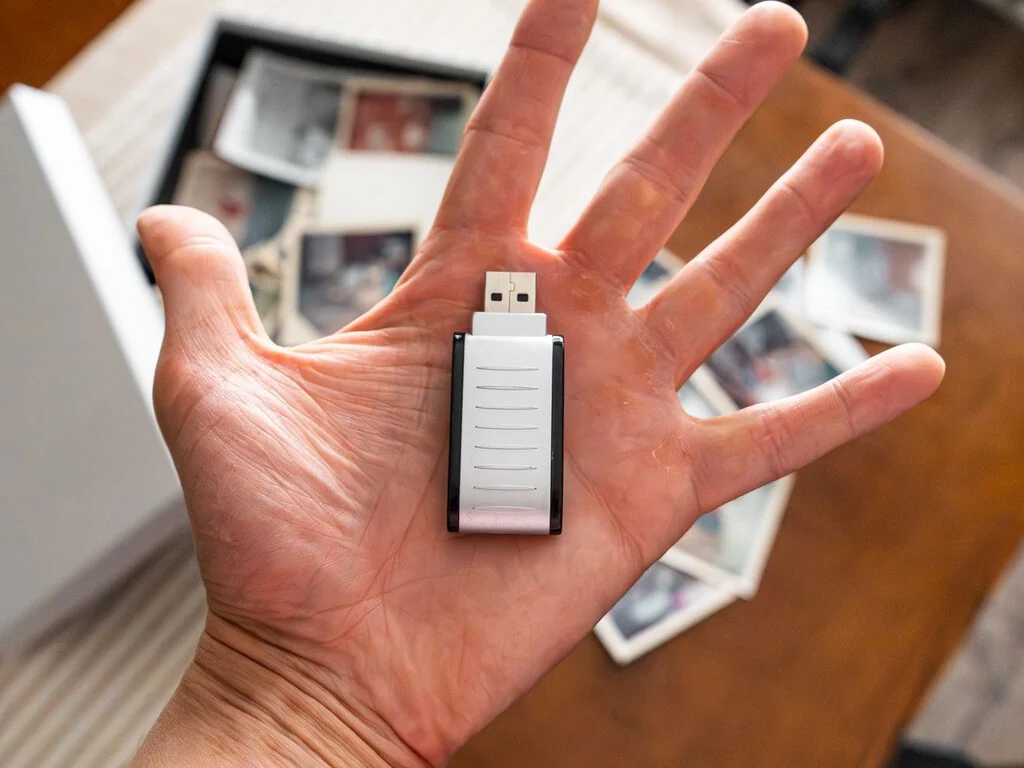

While the ubiquitous smartphone, a pocket-sized personal computer, might seem to negate the need for external peripherals like USB pendrives, especially given the prevalence of USB-C ports contrasting with the traditional USB-A memory sticks, their continued relevance and surprising utility for mobile devices are undeniable. Far from being an anachronism, these compact storage solutions offer significant advantages that address critical user needs in an increasingly data-intensive digital landscape. This article delves into the often-overlooked benefits, technological evolution, and practical applications of using pendrives with smartphones, providing a detailed perspective on their strategic role.
The perception of external storage for smartphones has undergone a significant transformation. In the early days of mobile computing, internal storage was often limited, and data transfer was cumbersome, relying on slow Bluetooth connections or proprietary cables connected to a PC. The advent of USB On-The-Go (OTG) technology marked a pivotal shift, allowing smartphones to act as hosts for external USB devices, thereby unlocking a new realm of possibilities for peripheral connectivity. This foundational development paved the way for the seamless integration of pendrives, enabling direct data exchange and storage expansion without the need for an intermediary computer.
The Evolving Landscape of Mobile Connectivity: From Micro-USB to USB-C Dominance
The journey of smartphone connectivity has been characterized by rapid evolution, driven by the demand for faster data transfer, more versatile power delivery, and enhanced user convenience. Initially, micro-USB ports were the standard for Android devices, offering basic OTG functionality. Apple, meanwhile, developed its proprietary Lightning connector, which, while reversible and compact, remained a closed ecosystem. The true game-changer arrived with the widespread adoption of USB-C, beginning around 2015.
USB-C rapidly became the industry standard due to its multifaceted advantages:
- Reversibility: Eliminating the frustration of incorrect plug orientation.
- Higher Data Transfer Speeds: Supporting various USB standards, including USB 3.0, 3.1, 3.2, and now USB4, which offer theoretical speeds ranging from 5 Gigabits per second (Gbps) to an astonishing 40 Gbps, far surpassing older standards.
- Power Delivery (PD): Enabling faster charging and the ability to power external devices.
- Versatility: Capable of carrying video, audio, and other data streams, making it a truly universal port.
This shift to USB-C has democratized connectivity, making it easier for a broader range of peripherals, including pendrives, to interface directly with smartphones. A significant milestone in this evolution was Apple’s transition from Lightning to USB-C for its iPhone 15 series in late 2023, largely driven by regulatory pressures in the European Union. This move effectively unified the mobile industry under a single, high-performance port standard, further enhancing the interoperability of external storage devices.
Technological Advancements in Portable Storage and Selection Criteria
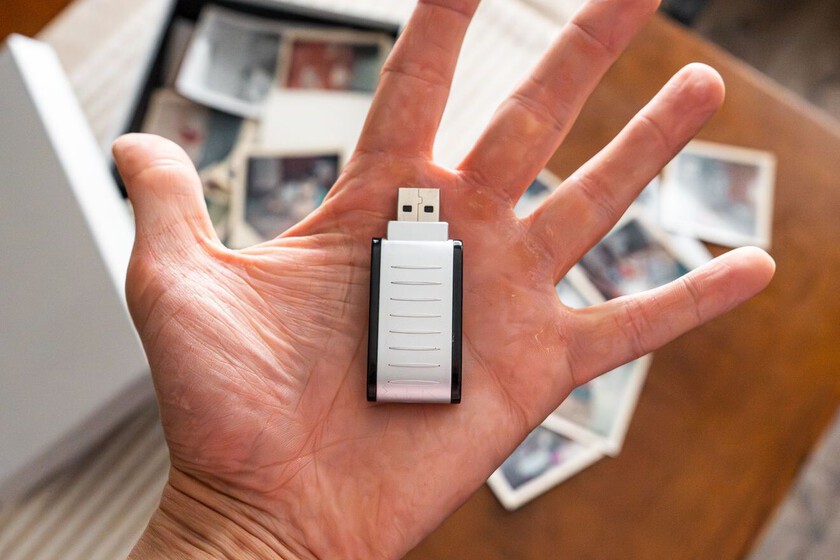
The pendrive itself has also evolved considerably. Early models were limited to USB 2.0, offering transfer speeds of up to 480 Megabits per second (Mbps). Modern pendrives leverage USB 3.0 (also known as USB 3.1 Gen 1 or USB 3.2 Gen 1×1), providing a significant leap to 5 Gbps. Even faster options exist with USB 3.1 Gen 2 (10 Gbps) and USB 3.2 Gen 2×2 (20 Gbps), ensuring that large files can be transferred rapidly.
When selecting a pendrive for smartphone use, several factors are critical:
-
Storage Capacity: Pendrives are available in a vast range of capacities, from a few gigabytes to terabytes. Given the ever-increasing size of digital content, particularly high-resolution photos and 4K/8K videos, opting for a higher capacity is generally advisable. As a rule of thumb, it is often better to have more storage than less, anticipating future needs. Industry data suggests that while the median internal storage for new smartphones globally hovered around 128GB in 2023, user content creation, especially in multimedia, often outpaces this, quickly filling available space.
-
Connectivity Type: The most crucial consideration for smartphone compatibility. While classic pendrives typically feature a USB-A connector, requiring an adapter for USB-C or Lightning ports, the market has responded with innovative solutions.
- Dual-Connector Pendrives: Many modern pendrives now come equipped with both USB-A and USB-C connectors, offering immediate plug-and-play compatibility across a wider range of devices, including older computers and newer smartphones.
- Native USB-C or Lightning Pendrives: Increasingly common, these drives feature the smartphone-compatible connector directly, eliminating the need for adapters. This not only streamlines the connection process but also enhances stability and potentially transfer speeds by removing an intermediary component. For iPhone users prior to the iPhone 15, Lightning-specific pendrives remain a viable option.
-
Transfer Speed: While capacity is often prioritized, the read and write speeds of a pendrive significantly impact user experience, especially when dealing with large files. Opting for USB 3.0 or higher ensures efficient data transfer, minimizing wait times.
-
Durability and Form Factor: Given their portable nature, durability is a practical consideration. Some pendrives offer robust casings, water resistance, or compact designs that are less prone to damage.

Key Applications and Undeniable Advantages for Smartphone Users
The practical applications of integrating a pendrive into a smartphone workflow are diverse and address several common pain points for mobile users.
Expanding Storage and Optimizing Device Performance
One of the most immediate and impactful benefits is the ability to free up valuable internal storage on the smartphone. As users capture more high-resolution photos, record 4K videos, download large applications, and accumulate media, internal storage can quickly become a bottleneck, leading to slower device performance and the inability to install new content. A pendrive serves as an excellent offloading tool, allowing users to transfer large files, archived documents, or less frequently accessed media from the phone’s internal memory to external storage. This process not only creates more room for new data but can also improve the overall responsiveness of the smartphone by reducing the load on its internal storage system. While cloud storage offers remote accessibility, local storage provides immediate, offline access and can be more cost-effective in the long run, avoiding recurring subscription fees.
Robust Data Backup and Archiving for Critical Information
While comprehensive cloud backup solutions exist for both Android and iOS, a pendrive offers a tangible, localized, and often more private method for securing critical files. For users wary of cloud security or those requiring immediate, offline access to backups, a pendrive is invaluable. It enables the creation of physical backups for important documents, cherished photos, and videos, acting as a safeguard against data loss due to device malfunction, accidental deletion, theft, or replacement. This adherence to a "3-2-1 backup rule" (three copies of data, on two different media, with one copy offsite) can be partially fulfilled by having a local, physical backup on a pendrive, complementing cloud solutions for a more resilient data protection strategy.
A Portable Digital Media Hub and Entertainment Center
For avid readers, music lovers, or frequent travelers, a pendrive can transform a smartphone into an expansive portable digital library. Users can store thousands of e-books, extensive music collections, podcasts, or a curated selection of movies and TV series directly on the pendrive. This eliminates the need to consume valuable internal storage or rely on streaming services that require constant internet connectivity, which can be unreliable or costly while traveling. The advantage extends beyond personal consumption, as these media files can be easily transferred and played on other compatible devices, such as tablets, laptops, or smart TVs, making the pendrive a versatile entertainment hub.
Seamless Data Transfer and Enhanced Interoperability
The pendrive excels as a bridge for transferring large volumes of data between a smartphone and other devices, such as a computer, another phone, or even a smart TV. Unlike wireless transfer methods, which can be limited by network speed, file size restrictions, or software compatibility, a direct USB connection offers unparalleled speed and reliability. This is particularly beneficial in professional or academic settings where large presentations, research papers, or media projects need to be moved efficiently between devices without relying on email attachments or potentially insecure public networks. Its universal compatibility (with the right connector) makes it an indispensable tool for cross-platform data exchange.
Offline Software Installation and Portable Utilities (Android Specific)
For Android users, a pendrive can facilitate the installation of applications in APK format. This allows users to download APK files from secure sources to the pendrive and then install them directly onto their device, bypassing app stores or enabling the installation of apps not available in their region. While this method requires the pendrive to be connected when the app is in use and some app data will still reside on the phone’s internal storage, it offers flexibility for managing certain types of applications, especially those that are not essential for constant notification delivery or background processes. Furthermore, some specialized portable utilities or diagnostic tools can be stored and run from a pendrive, offering advanced functionalities for tech-savvy users.

Safeguarding Precious Memories: Photos and Videos
Photos and videos are often the most personal and space-intensive files on a smartphone. A pendrive provides an excellent solution for archiving these irreplaceable memories. Users can regularly offload their photo and video libraries, creating a physical archive that is separate from their device. This not only frees up significant internal storage but also provides an additional layer of security for these valuable files, protecting them from accidental deletion or device failure. The ability to quickly transfer and view these files on other devices, such as a family photo frame or a large TV, further enhances their utility.
Addressing Challenges and Future Implications
Despite their significant advantages, using pendrives with smartphones is not without challenges. Compatibility issues, particularly with older Android versions or iPhones before the USB-C transition, can necessitate adapters, adding a layer of inconvenience and potential instability. The physical loss of a pendrive can result in data loss, and security is paramount; encryption is recommended for sensitive information. Moreover, constant connection of a pendrive can drain smartphone battery faster, depending on the drive’s power requirements.
However, industry trends indicate a continued commitment to enhancing external storage solutions. Smartphone manufacturers are increasingly optimizing their operating systems for better OTG support, while accessory makers are innovating with more compact, faster, and dual-connector pendrives. The growing demand for local data control, privacy concerns surrounding cloud storage, and the sheer volume of data generated by modern smartphone users ensure the enduring relevance of physical external storage.
In conclusion, the USB pendrive, far from being obsolete in the age of smartphones and cloud computing, has solidified its position as a practical, versatile, and often indispensable accessory. Its ability to expand storage, provide robust backups, act as a portable media hub, facilitate seamless data transfer, and even enable advanced functionalities underscores its strategic utility. As mobile technology continues to evolve, the pendrive, with its own advancements in speed and connectivity, will likely continue to play a crucial role in empowering users with greater control over their digital lives.
