
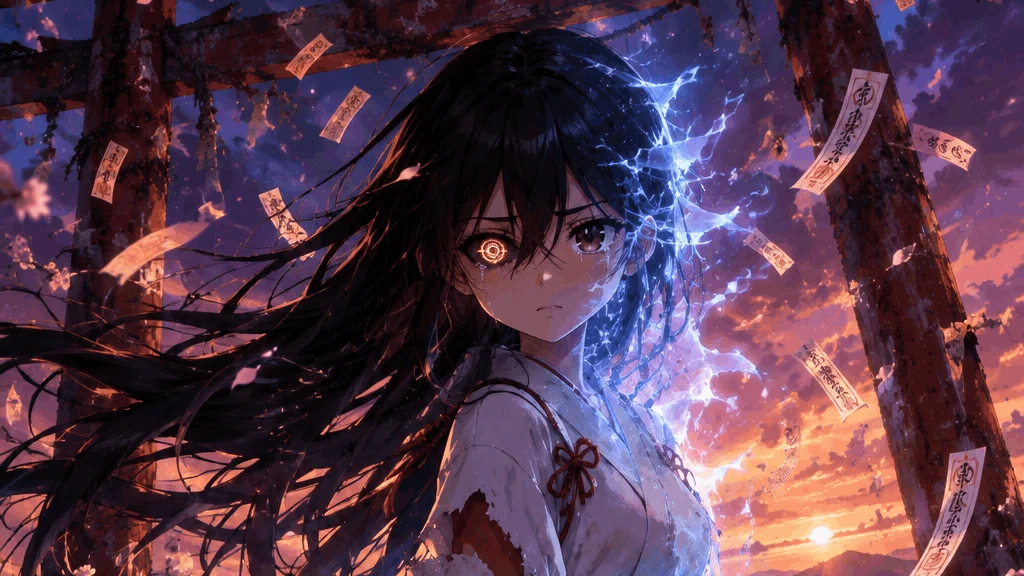

OpenAI officially launched its latest iteration of image-generation technology, ChatGPT Images 2.5, on September 8, marking a significant milestone in the ongoing evolution of generative artificial intelligence. The update focuses on addressing long-standing technical hurdles, specifically aiming to provide sharper image fidelity, improved textural depth, and more sophisticated natural lighting. According to the company, the new model architecture offers a 50% reduction in latency compared to its predecessor, the Images 2.0 model, providing a faster experience for enterprise and developer users alike.
The release introduces two distinct models within the OpenAI API: GPT-Image-2.5 Flare, which is optimized for rapid generation, and GPT-Image-2.5 Sunburst, a variant engineered for high-precision, premium-level editing tasks. This rollout arrives during a period of intense competition in the AI sector, as firms like Google, Anthropic, and Stability AI race to capture market share through both speed and creative capability.
A Chronology of Iterative Refinement
The path to this version has been defined by a series of high-profile attempts to rectify persistent design flaws. When the original GPT Image 1 debuted, it was frequently criticized by users and technical reviewers for a distinctive, warm yellow color cast, colloquially dubbed by the online community as the "piss filter." Despite significant public discourse, the issue remained a hallmark of the model’s output throughout its lifecycle.
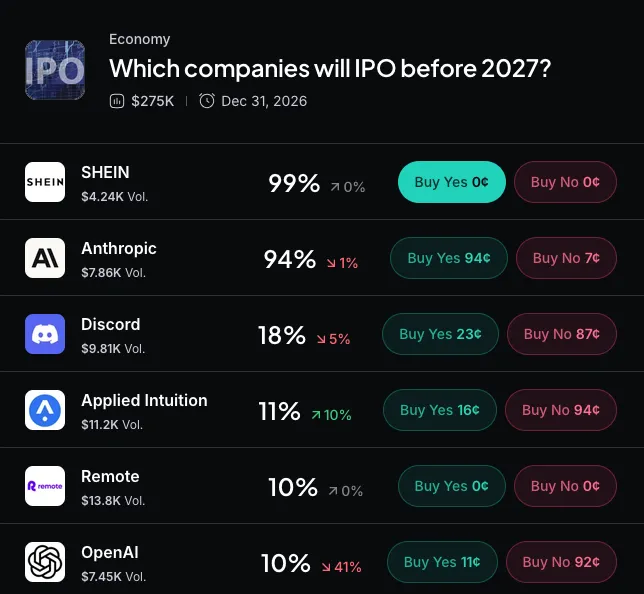
Following this, the release of GPT Image 2 attempted to pivot toward more realistic color balancing. However, it introduced a new, arguably more disruptive, artifact: an aggressive oversharpening algorithm. When subjected to complex prompts with layered constraints, the model would often produce "crunchy" or over-processed imagery, characterized by digital artifacts and unnatural edge definition.
The introduction of Images 2.5 represents a deliberate attempt to resolve these technical debt items. In recent comparative benchmarks, the 2.5 architecture has successfully eliminated both the yellow tint and the oversharpening tendencies, producing images that retain color accuracy even when processing highly complex, multi-layered prompts. This suggests that OpenAI has likely updated its underlying training data sets and refined its reinforcement learning from human feedback (RLHF) protocols to favor natural photographic coherence over rigid, stylized rendering.
Performance Benchmarks and Technical Comparisons
To assess the capabilities of the new model, testers utilized a series of "stress tests" pitting OpenAI’s latest offering against Google’s Gemini 3.1 Flash Image, marketed under the name Nano Banana 2. The matchup focused on a same-tier comparison between two high-speed, high-efficiency models.
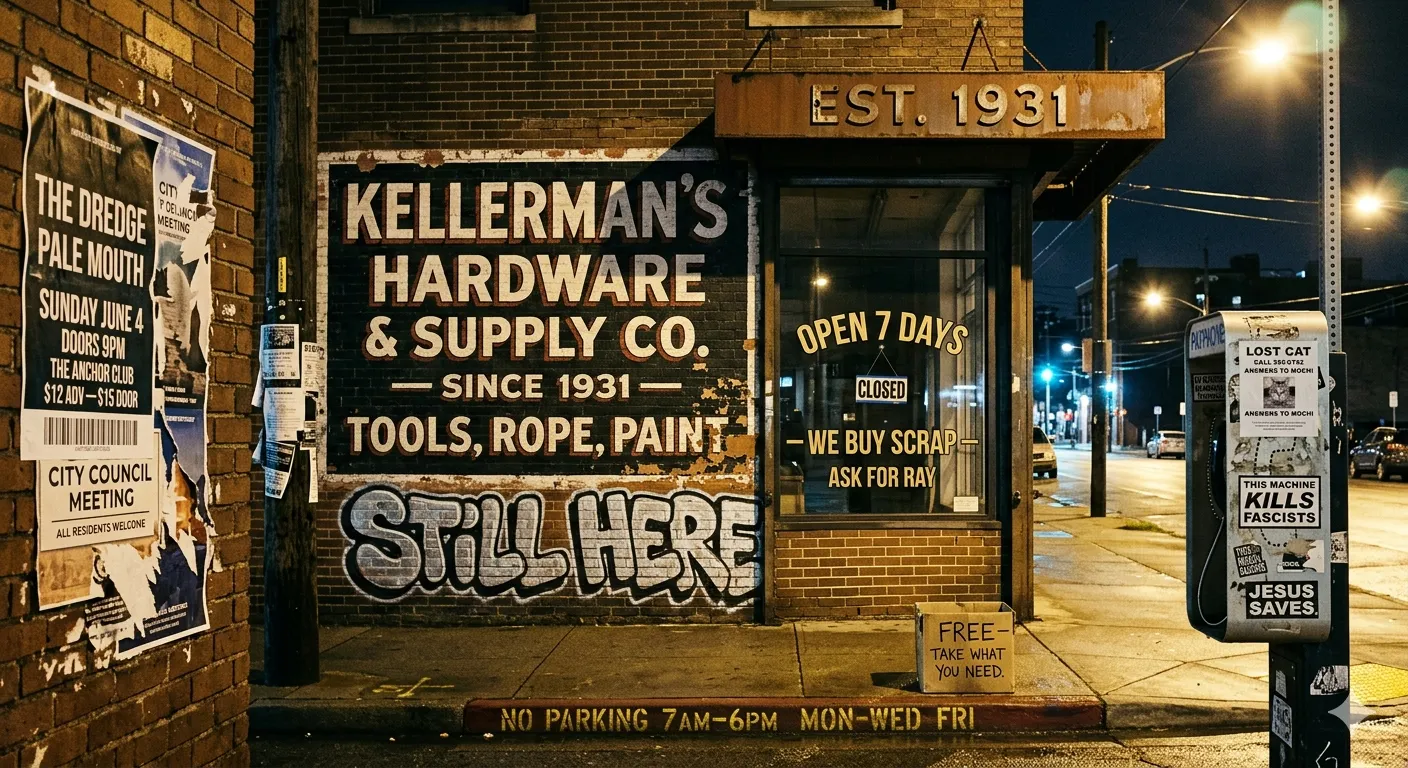
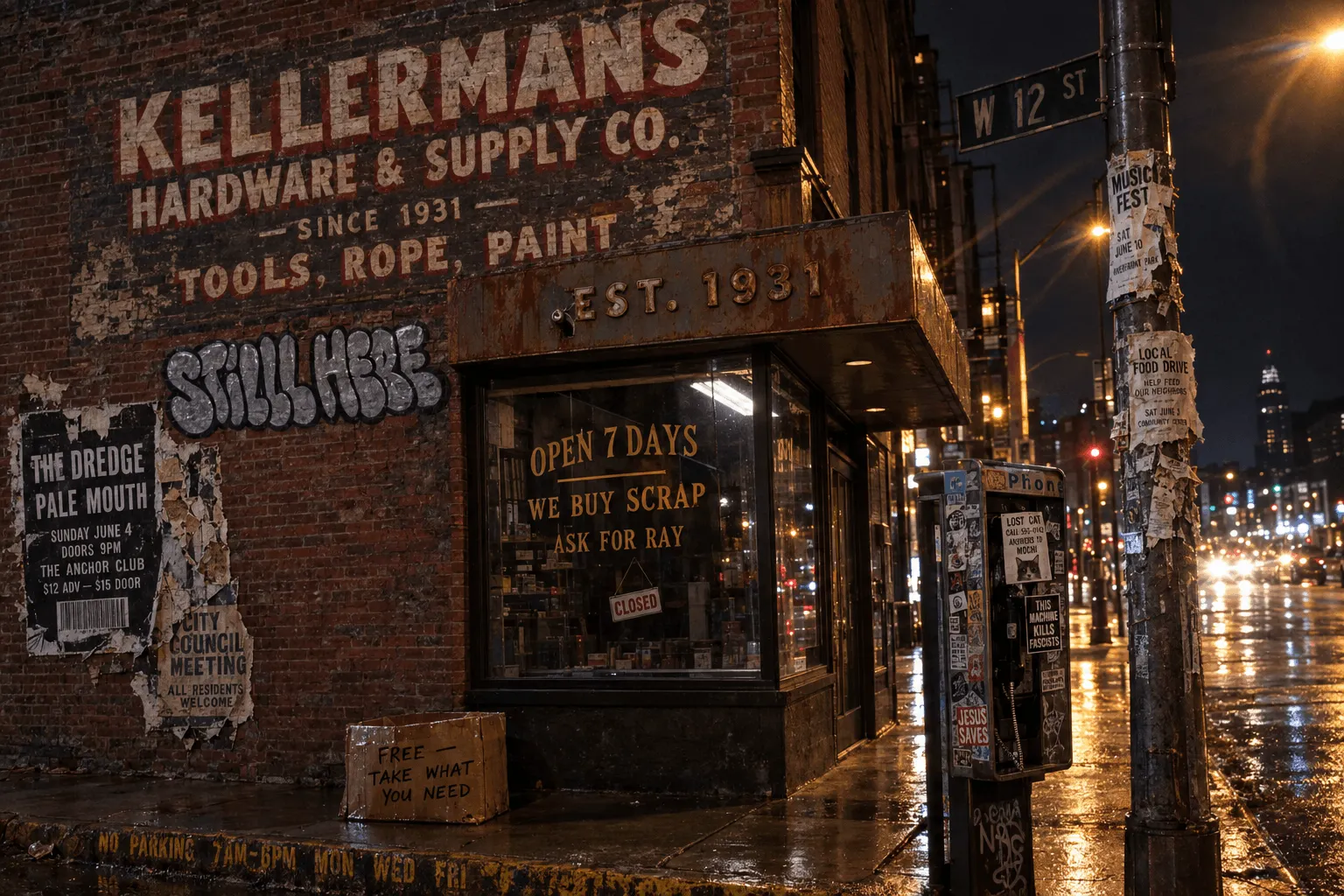
In tests involving high-density text rendering—a notoriously difficult task for diffusion models—both platforms demonstrated significant capability. In a scenario depicting a gritty, urban storefront at 2:00 a.m., Nano Banana 2 maintained high legibility across a variety of surfaces, including ghost signs and spray-painted graffiti. While ChatGPT Images 2.5 displayed superior atmospheric rendering, it encountered minor spelling errors in its text output, suggesting that while visual coherence has improved, semantic accuracy in rendering specific strings of text remains a work in progress.
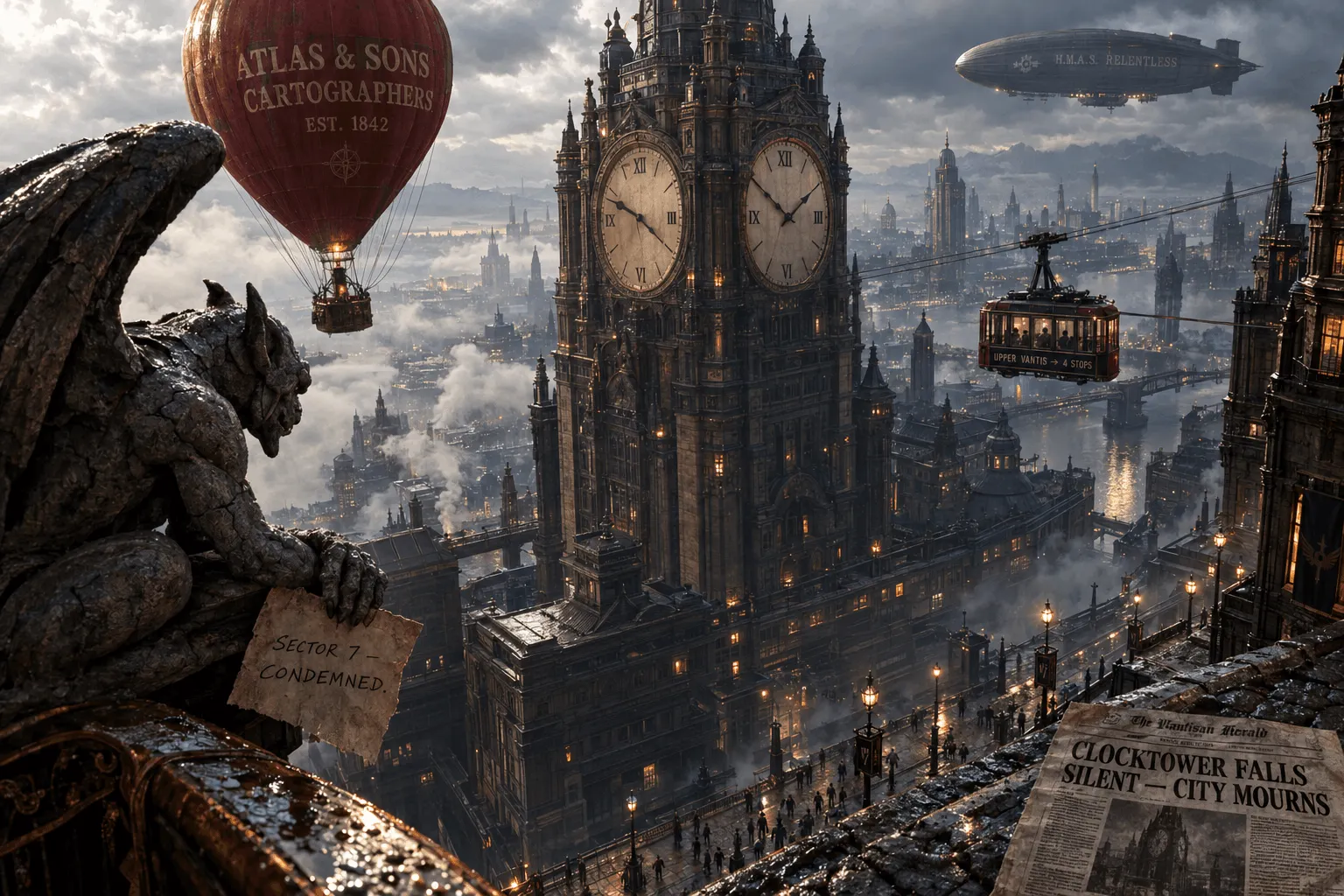
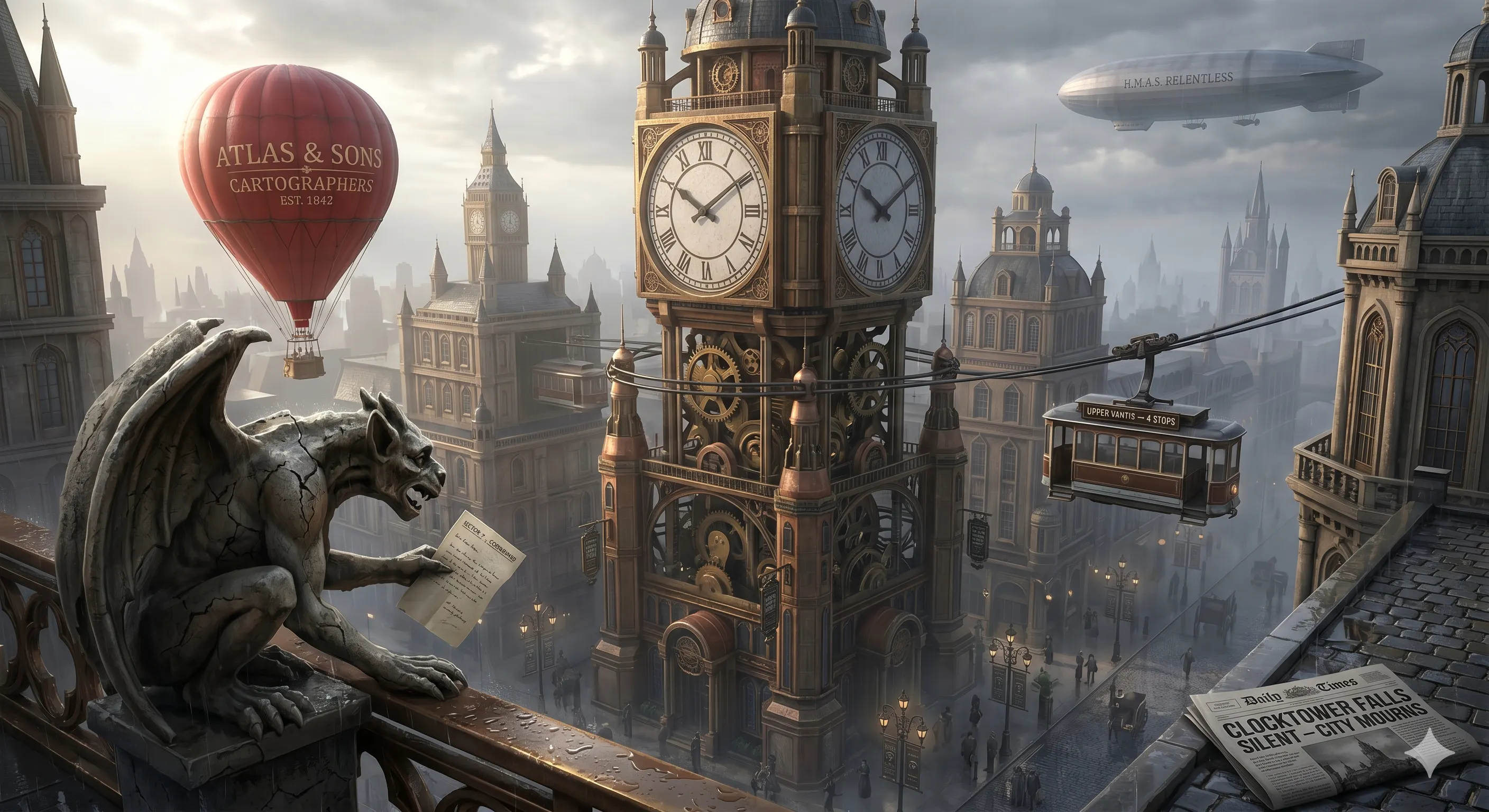
Conversely, in spatial awareness and composition—such as a complex aerial shot of a steampunk clock tower—ChatGPT Images 2.5 excelled. The model demonstrated a superior grasp of depth, tonal range, and atmospheric perspective. While the Google-based model provided accurate Roman numerals on clock faces, it lacked the depth and environmental storytelling present in the OpenAI generation.
New Features and Workflow Integration
Beyond raw image generation, OpenAI has introduced several "agentic" features designed to streamline professional workflows. These include:
- Sketch Integration: Users can now provide rough layouts directly within the chat interface, serving as a structural guide for the model to follow.
- Prompt Sharing and Collaboration: Enhanced tools for sharing generation parameters and inline commenting on specific regions of an image allow for iterative team-based refinement.
- Industry-Specific Templates: New formatting options for posters, merchandise, and digital marketing materials indicate a shift toward making the tool more viable for commercial design use cases.
- API Scaling: The introduction of "high" and "max" quality tiers allows developers to trade off between generation speed and image resolution, providing greater flexibility than the previous version.
The Challenge of Agentic Reasoning and Accuracy
A critical area of evaluation for modern AI models is "agentic research," or the ability to synthesize factual information before rendering it visually. In a test involving the creation of a historical timeline of Bitcoin, both models were asked to illustrate key events with high factual accuracy.
The results underscored the limitations of current generative models. ChatGPT Images 2.5 produced a visually superior infographic but included a factual error regarding the date of U.S. Bitcoin ETF approval, citing 2023 instead of the correct 2024 date. While the error may stem from an interpretative mismatch regarding futures versus spot ETFs, the incident highlights the ongoing challenge of relying on generative models for strictly factual, data-driven visualizations. Nano Banana 2, while less visually structured, opted for a broader date range, thereby avoiding a direct factual error. This distinction is vital for enterprise users who require high degrees of reliability alongside creative outputs.
Broader Implications for the AI Industry
The release of ChatGPT Images 2.5 signals that the "arms race" in AI image generation is shifting from simple visual fidelity to precision, utility, and workflow integration. As models become increasingly capable of generating high-quality images, the industry is pivoting toward "controllability."
Companies are no longer just asking if a model can create a beautiful image, but whether it can create that image within a specific brand identity, with accurate text, and according to exact layout requirements. The fact that OpenAI has now built tools specifically for professional designers—such as the sketch reference and regional commenting—demonstrates that the company is aiming to integrate ChatGPT into professional design pipelines, moving beyond the casual hobbyist market.
However, the "confidently wrong" nature of the model during research tasks remains a bottleneck for widespread enterprise adoption. Until these models can consistently distinguish between verified historical facts and misinterpreted data, they will likely remain restricted to use cases where creative license is valued over absolute accuracy.
Conclusion and Future Outlook
As the competition between OpenAI and Google continues, the "winner" of any given benchmark appears increasingly subjective, contingent on the specific needs of the user. ChatGPT Images 2.5 has successfully addressed the aesthetic flaws of its predecessors, positioning itself as a robust, high-performance tool. Yet, the persistent need for human oversight—particularly in text rendering and factual research—remains a defining characteristic of the current technological landscape.
With the release of these two models, the divide between "fast" and "precise" is narrowing, yet not fully closed. For designers and developers, the choice between these platforms will likely be dictated by which specific model better handles their individual workflows, rather than a single, universal standard of quality. As OpenAI looks toward the future, the integration of more reliable agentic reasoning will likely be the next major hurdle for the next generation of image-generation models.
