
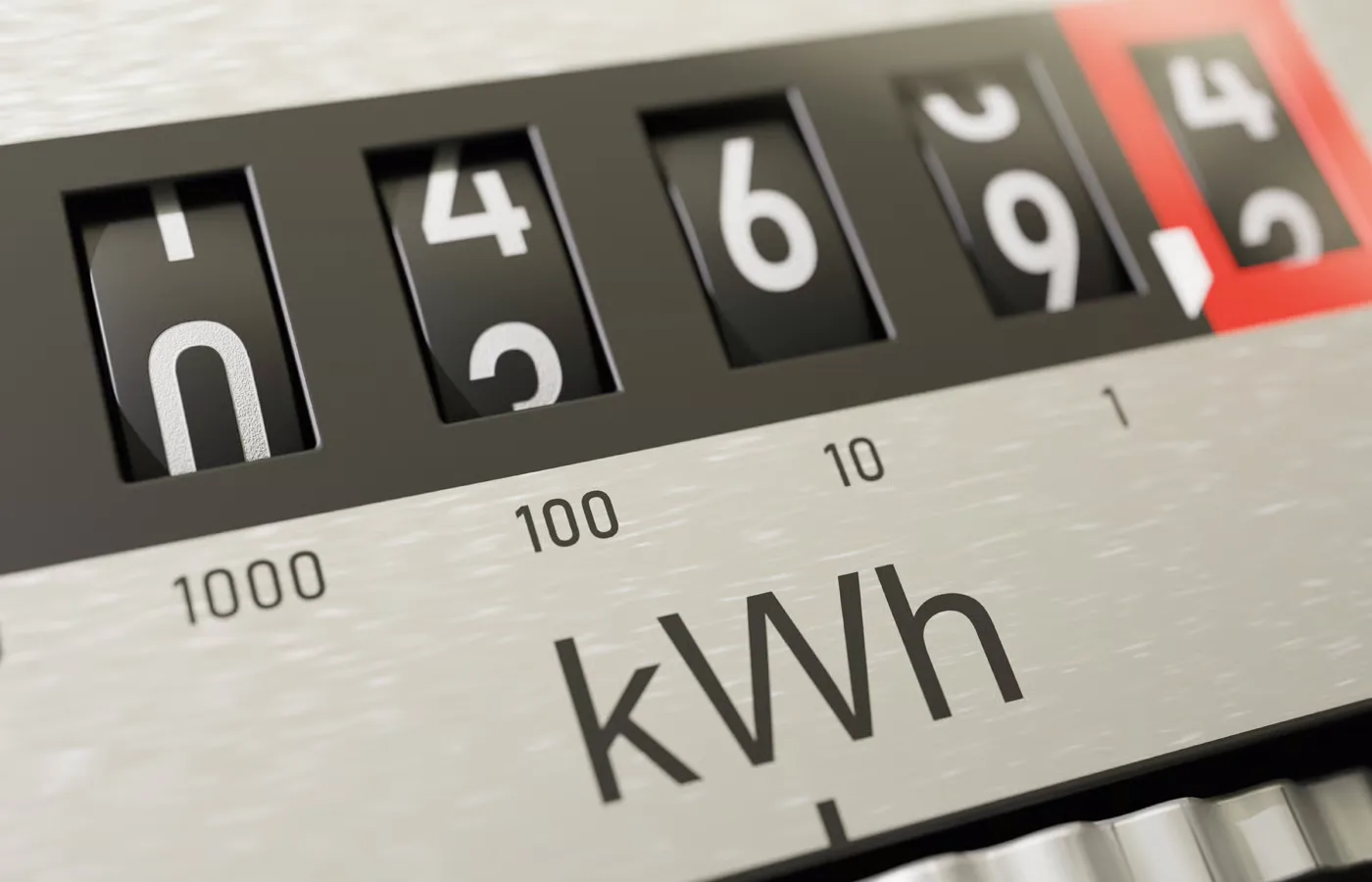

Energy consumption has rapidly evolved into one of the most critical operational bottlenecks and financial burdens for modern data centers worldwide. As global data creation accelerates due to cloud adoption, streaming services, and the explosive growth of artificial intelligence workloads, the electrical grid experiences unprecedented strain. The dual requirement of powering high-density servers and operating extensive climate control systems to dissipate generated heat creates a massive financial footprint. Consequently, industry stakeholders, enterprise IT leaders, and facility operators are actively re-evaluating their energy strategies to maintain profitability while meeting corporate sustainability mandates.
The operational architecture of a data center relies on a complex, highly synchronized power infrastructure designed to guarantee continuous uptime. The process begins at the foundational level with external power sources drawn from regional electrical grids, which are heavily supplemented by complex networks of uninterruptible power supplies (UPS), backup diesel generators, and power distribution units (PDUs). While these components ensure resilience against grid failures, they also introduce systemic energy losses. Within the facility, computing equipment—primarily servers, storage area networks, and enterprise networking gear—acts as the primary consumer of electricity, scaling its power demand dynamically based on incoming computational workloads.
Simultaneously, cooling and climate control mechanisms consume an almost equivalent share of the total energy budget. Traditional Computer Room Air Conditioner (CRAC) units, chillers, and sophisticated cooling towers are mandatory to prevent thermal throttling and hardware degradation. Industry metrics, most notably Power Usage Effectiveness (PUE), quantify this operational overhead. Established by the Green Grid, PUE calculates the ratio of total facility energy to the energy delivered directly to IT equipment. While an ideal PUE rating of 1.0 represents absolute computing efficiency without auxiliary overhead, historical data centers often operated with averages scaling between 2.0 and 2.5, meaning half of all incoming electricity was lost entirely to cooling, lighting, and power conversion. Over the past decade, rigorous engineering standards have driven industry averages down closer to 1.5, though high-density artificial intelligence computing clusters threaten to reverse these efficiency gains.
To address the escalation of energy expenditures, facility architects and operations managers are deploying a multi-layered optimization framework centered around hardware modernization, thermal management, virtualization, software automation, and renewable energy integration. Transitioning from legacy infrastructure to energy-efficient hardware remains a cornerstone of these efforts. Modern enterprise servers carrying rigorous Energy Star certifications feature advanced power-scaling capabilities that dynamically adjust voltage and frequency based on computational demand. Furthermore, the systematic replacement of traditional magnetic hard disk drives with solid-state drives (SSDs) yields substantial energy reductions due to the elimination of mechanical spin motors and lower idle-power draw.
Parallel to hardware upgrades, thermal engineering has undergone a radical transformation. Traditional air-cooling strategies struggle to manage the immense thermal loads generated by modern dense rack configurations, particularly those housing graphics processing units utilized for machine learning training. Consequently, facilities are increasingly adopting liquid cooling technologies, which utilize dielectric fluids or water loops to dissipate heat directly at the processor level with significantly higher thermal conductivity than air. Combined with structural containment strategies such as hot and cold aisle configurations and the implementation of economizers—which leverage ambient external air for cooling during favorable weather windows—facilities can dramatically reduce the workload on mechanical chillers.
Software-driven optimization has proven equally vital in curbing unnecessary power usage. Data center virtualization allows system administrators to consolidate multiple virtual machines onto a single physical server, thereby reducing the total physical footprint and eliminating the power draw associated with idle legacy machines. When virtualization is paired with advanced Data Center Infrastructure Management (DCIM) software platforms, operators gain real-time visibility into power distribution and thermal profiles. Modern DCIM deployments frequently incorporate machine learning algorithms capable of predicting workload spikes and dynamically migrating virtual workloads to regions of the facility powered by cheaper or greener energy sources.
The integration of renewable energy sources represents the final frontier in sustainable data center operations. Major cloud providers and colocation operators have aggressively pursued long-term power purchase agreements (PPAs) with wind, solar, and hydroelectric producers. Beyond relying on grid-level green energy, leading organizations are investing in on-site renewable generation coupled with advanced battery energy storage systems (BESS). These storage solutions allow facilities to buffer intermittent renewable generation, shave peak grid demand charges, and maintain temporary backup power independent of fossil-fuel generators.
Despite the proven benefits of energy optimization, facility operators face severe structural and financial challenges when executing efficiency upgrades. The primary barrier remains the high initial capital expenditure required to overhaul legacy infrastructure. Replacing outdated transformers, retrofitting legacy facilities with liquid cooling loops, and purchasing modern, high-efficiency servers require substantial upfront investment that may take years to amortize. Furthermore, organizations must carefully navigate the delicate balance between maximum computational performance and energy efficiency. High-performance computing environments often require sustained maximum power draw, making aggressive power-saving throttles counterproductive to mission-critical processing speed.
The broader implications of efficient data center energy management extend far beyond corporate balance sheets, touching upon global environmental stability and macroeconomic trends. As regulatory bodies worldwide introduce stricter carbon reporting requirements and mandate energy efficiency disclosures for large-scale digital infrastructure, sustainability has transitioned from a voluntary public relations initiative to a mandatory compliance metric. Enterprises that fail to modernize their power infrastructure risk facing escalating utility tariffs, regulatory penalties, and reputational damage among environmentally conscious consumers and investors. Ultimately, the future viability of the digital economy depends on the industry’s ability to decouple data growth from carbon emissions through relentless technological and operational innovation.
