
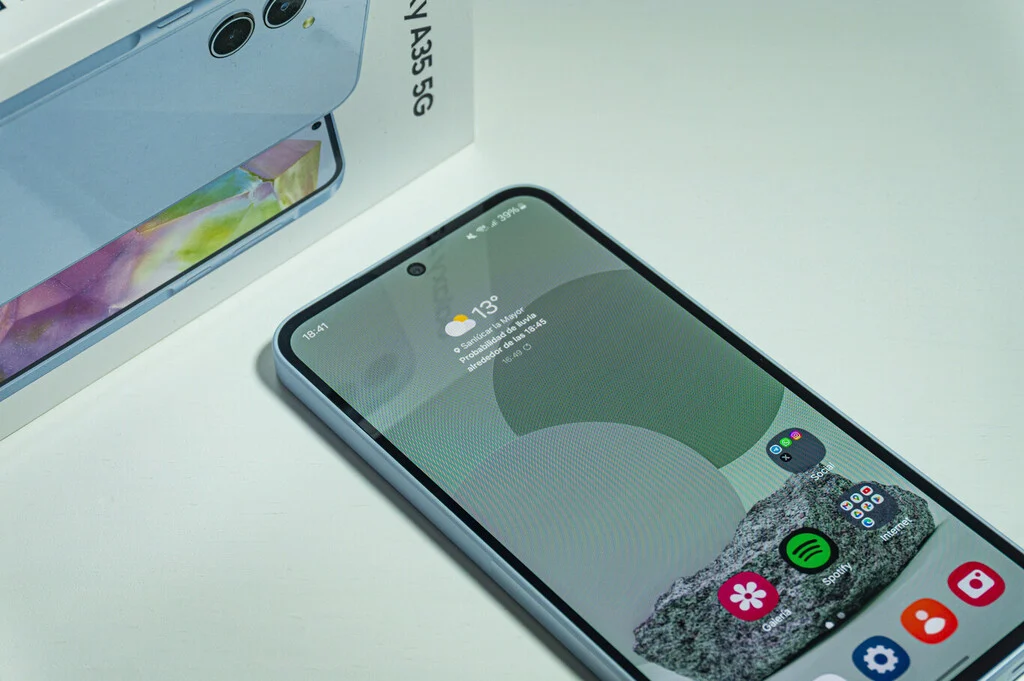

When the global smartphone industry first signaled its intention to remove charging bricks from retail packaging in 2020, the justification was rooted firmly in environmental stewardship. The narrative was clear: consumers already possessed a surplus of wall adapters, and by streamlining packaging, manufacturers could significantly reduce their carbon footprint and logistics costs. While the removal of power adapters became an industry standard for flagship devices, the USB-C cable remained the last bastion of essential connectivity included in the box. However, that era is now coming to an end as even the most budget-conscious segments of the market face a stripped-down retail experience.
Samsung, the world’s largest smartphone manufacturer, has officially begun shipping its latest entry-level models—specifically the Galaxy A07s and the Galaxy A08—without a USB-C cable. This shift marks a significant evolution in market trends, as the omission of essential accessories, once reserved for premium handsets priced above $1,000, has migrated to devices retailing for little more than $100.
The Chronology of Accessory Depletion
The gradual erosion of the "complete" unboxing experience did not happen overnight. It began as a bold experiment by industry leaders to address regulatory pressures regarding electronic waste and to optimize supply chain efficiency.
- 2020: The Catalyst: Apple initiated the trend with the iPhone 12 series, citing carbon emission reductions. While met with initial consumer skepticism and legal challenges in various jurisdictions, competitors eventually followed suit.
- 2021-2022: Normalization: The trend spread to flagship Android devices. Companies like Samsung and Xiaomi adopted the "sustainability" argument, though they continued to provide USB-C cables to ensure users could at least connect their devices to existing power sources or computers.
- 2023: The Precedent: Sony began testing the limits of this trend with its mid-range Xperia 10 series, shipping units with essentially nothing but the phone and documentation.
- 2024-2025: The Budget Shift: The removal of the USB-C cable from the Galaxy A-series indicates that manufacturers are now applying these cost-saving measures to their most price-sensitive consumers, a demographic that typically relies on the included cable as their primary charging link.
Economic Drivers and the Supply Chain Crisis
While manufacturers often cite environmental impact as the primary driver for these decisions, industry analysts point toward a more complex set of economic pressures. The global semiconductor and memory component market has experienced unprecedented volatility over the past 24 months.
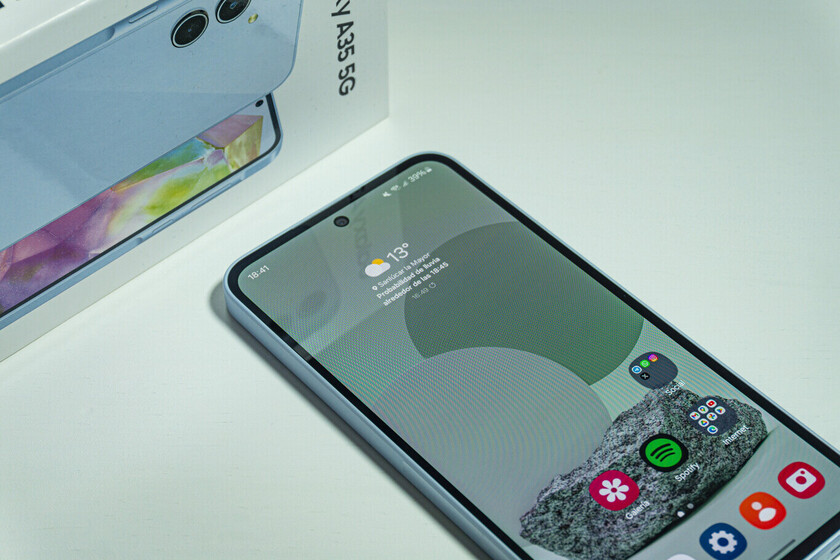
The integration of advanced memory modules, such as the LPDDR5X used in the latest Galaxy A08, combined with the continued reliance on capable chipsets like the MediaTek Helio G99+, has placed immense pressure on profit margins for entry-level devices. In an environment where the cost of internal components is rising, manufacturers are seeking every possible avenue to maintain price competitiveness.
Reducing the weight and dimensions of smartphone packaging yields a dual financial benefit. First, it directly lowers the unit cost by removing the plastic and copper found in cables. Second, it allows for more units to be stacked on a single shipping pallet, drastically reducing the cost of international freight—a critical consideration given current fuel and logistics inflation.
The Consumer Impact: A Hidden Tax
The removal of the charging cable from entry-level devices introduces a "hidden tax" on the consumer. For a buyer purchasing a $115 smartphone, the necessity of buying a separate, high-quality, high-speed charging cable represents an immediate, unforeseen expense.
This impact is particularly pronounced for the target demographic of the Galaxy A07s and A08: students, elderly users, and individuals in emerging markets who may be purchasing their first smartphone. Unlike the consumer who upgrades a flagship device annually and likely has a drawer full of cables, a first-time buyer or a budget-conscious user may lack a functional, high-quality USB-C cable.
If the user is forced to purchase a cheap, third-party cable that lacks the necessary shielding or data transfer capabilities, they risk damaging the device’s charging port or experiencing significantly slower, less efficient charging cycles. This creates a scenario where the "sustainability" goal is undermined by the proliferation of low-quality, disposable e-waste that consumers are forced to buy separately.

Software Longevity vs. Hardware Minimalism
One of the most striking contradictions in Samsung’s current strategy is the juxtaposition of hardware austerity with software generosity. The Galaxy A08 is marketed with a commitment to six years of Android OS updates and security patches, theoretically supporting the device until 2032.
By providing such an extended software support lifecycle, Samsung is encouraging users to keep their devices for longer periods. However, the decision to remove the cable—and the potential for early port failure due to the use of substandard third-party accessories—creates a tension between the longevity of the software and the physical durability of the hardware. Providing a robust software path is an industry-leading move, yet failing to provide the physical means to power that hardware for the next seven years appears, to many industry observers, as a misalignment of priorities.
The Broader Implications for the Market
The move by a market leader like Samsung to strip the box of even the most basic connectivity cable is likely to set a new industry standard. Historical data shows that when major manufacturers alter their packaging configurations, regional and smaller brands often follow suit within 12 to 18 months to remain competitive on pricing.
We are entering a phase where the "unboxing" experience—once a celebrated ritual in tech culture—is becoming a utilitarian exercise. The implications for the retail sector are also notable; retailers may see an uptick in "point-of-sale" accessory sales, as they bundle chargers and cables with these "naked" devices to assist customers.
Furthermore, there is an ongoing debate regarding the efficacy of these policies from a regulatory perspective. While the European Union and other bodies have mandated universal charging standards (USB-C), they have yet to mandate the inclusion of cables in the box. As the regulatory landscape matures, it is possible that future legislation may require manufacturers to include the necessary hardware to ensure that the "universal" standard is actually accessible to all consumers.

Looking Ahead
As the industry moves toward 2026, the focus will likely remain on optimizing logistics and component costs. Whether this trend ultimately benefits the environment remains a subject of intense debate among sustainability experts. While the reduction in plastic and cardboard is measurable, the environmental impact of consumers purchasing standalone accessories—often packaged individually and shipped via separate logistics chains—is yet to be fully accounted for in corporate sustainability reports.
For now, the consumer is left with a new reality: the smartphone of the future comes with the promise of years of software updates, but with a box that contains little more than the device itself. As companies like Samsung push the boundaries of what can be removed from a retail package, the market will continue to watch closely to see if this trend truly serves the consumer, or if it merely shifts the costs of ownership onto those least able to afford them.
The transition from a "complete package" to a "device-only" model is not just a change in shipping logistics; it is a fundamental shift in the relationship between the manufacturer and the end-user. As the industry continues to prioritize lean supply chains and margin preservation, the unboxing experience will likely continue to shrink, leaving the consumer to bridge the gap between a high-tech handset and the basic accessories required to keep it powered.
