
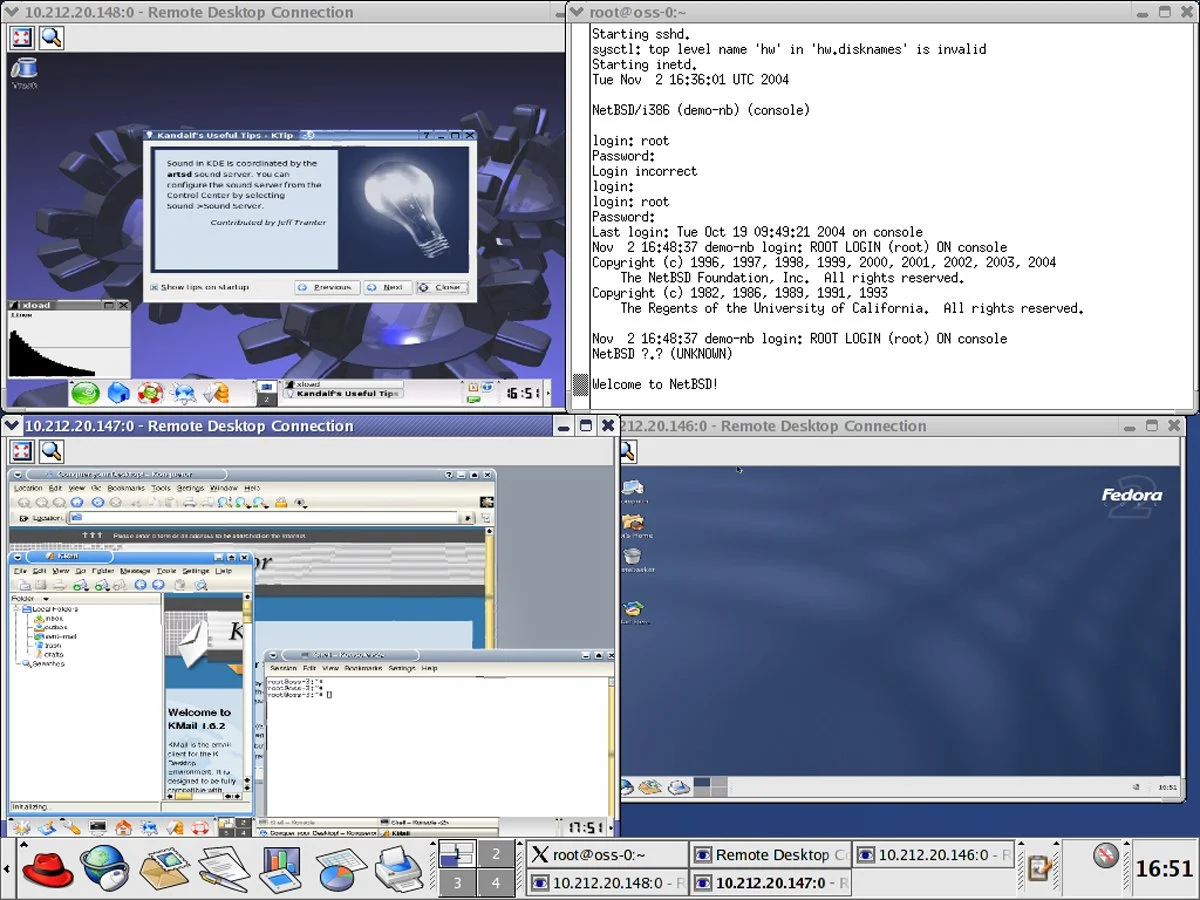

Virtualization technology has fundamentally transformed modern computing by allowing IT professionals, software developers, and enterprise architects to run multiple independent operating systems and applications on a single physical machine. Within the Linux ecosystem, virtualization platforms range from lightweight, desktop-oriented hypervisors to robust, highly scalable, enterprise-grade solutions. These platforms enable users to create isolated virtual environments, known as virtual machines (VMs), equipped with their own dedicated virtual hardware resources and distinct operating systems.

As organizations increasingly look to optimize their IT expenditures, reduce physical server footprints, and modernize legacy infrastructure, choosing the right virtualization software is a critical strategic decision. The market offers a wide variety of tools tailored to different performance requirements, security protocols, networking complexities, and budgetary constraints.
Evolution and Background of Linux Virtualization
The trajectory of Linux virtualization has evolved rapidly over the past two decades, transitioning from basic hardware emulation to deeply integrated, kernel-level hypervisors and modern cloud-native orchestration frameworks. Historically, early virtualization relied heavily on software-only emulation, which introduced significant performance overhead. The introduction of hardware-assisted virtualization extensions by CPU manufacturers—such as Intel VT-AMD-V—alongside the integration of Kernel-based Virtual Machine (KVM) directly into the mainline Linux kernel in 2007, marked a pivotal turning point.

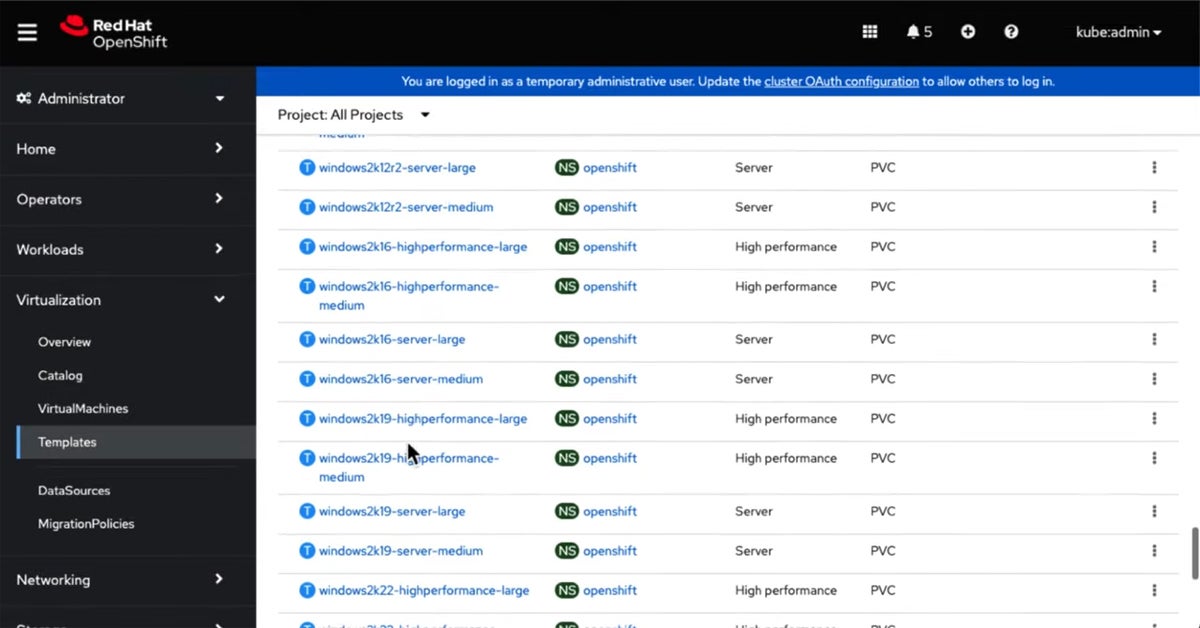
By turning Linux into a native Type-1 (bare-metal) hypervisor, KVM unlocked near-native performance for virtualized workloads. Over time, related technologies like QEMU expanded hardware architecture emulation capabilities, while enterprise management platforms like oVirt emerged to streamline data center administration. More recently, the industry has seen a massive strategic shift toward hybrid cloud environments, exemplified by tools like Red Hat OpenShift Virtualization, which bridges traditional virtual machines and modern containerized applications.
Comprehensive Comparison of Top Linux Virtualization Solutions
To simplify the decision-making process for IT administrators and developers, industry analysts evaluate virtualization platforms across several critical pillars: performance and resource management, system compatibility, security isolation, networking capabilities, and cost.
| Software Solution | Performance & Resource Management | Compatibility & System Requirements | Security & Isolation | Networking Capabilities | Starting Pricing |
|---|---|---|---|---|---|
| Red Hat OpenShift Virtualization | Robust performance built on KVM with advanced resource management. | Designed for enterprise Red Hat and Kubernetes environments; high system requirements. | Inherits KVM security with added enterprise-grade controls. | Enhanced for cloud-native networking and Kubernetes integration. | Subscription-based (Contact Red Hat) |
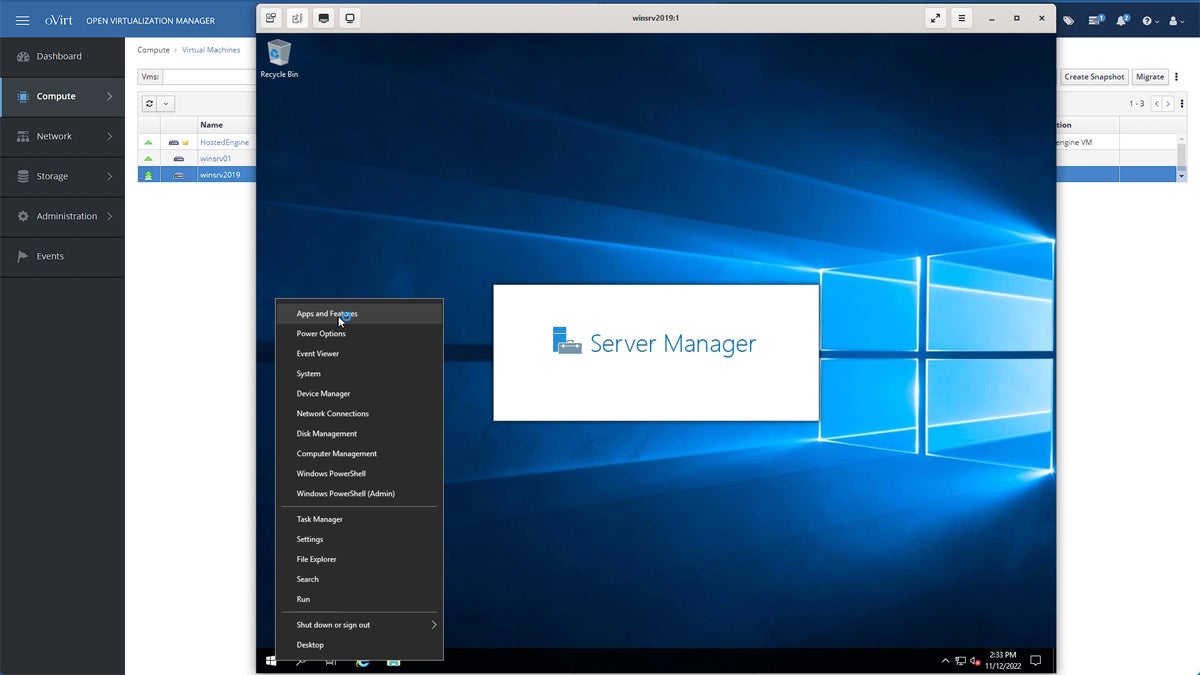
| oVirt | Excellent performance and resource handling tailored for data centers. | Compatible with diverse Linux environments; requires significant management overhead. | Inherits strong KVM isolation with multi-platform management complexity. | Robust data center-level networking features. | Free, Open-Source |
| Linux-KVM | Direct kernel integration ensures high efficiency and minimal latency. | Optimized specifically for Linux host and guest environments. | Native kernel-level security and strong workload isolation. | Highly configurable, advanced networking architecture. | Free, Open-Source |
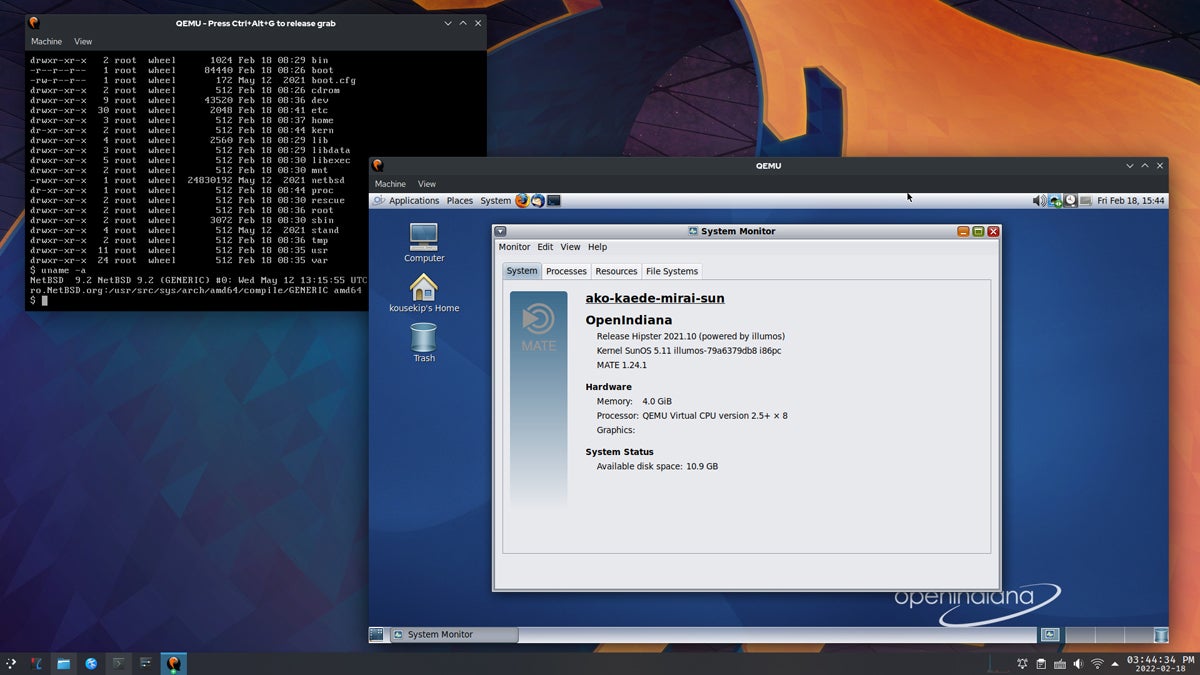
| QEMU | Broad hardware support, though pure emulation can introduce latency. | Highly compatible across diverse CPU architectures. | Configurable isolation dependent on deployment setup. | Comprehensive network emulation and routing options. | Free, Open-Source |
| Xen Project | Exceptional paravirtualization performance for enterprise and cloud setups. | Highly compatible with server hardware, Linux distributions, and select Unix/Windows environments. | Industry-standard security and multi-tenant isolation. | Enterprise-grade cloud networking features. | Free, Open-Source |
| VirtualBox | User-friendly, though less efficient in high-density enterprise resource allocation. | Broad cross-platform support (Windows, Linux, macOS, Solaris). | Effective isolation for standard desktop and testing use cases. | Standard, user-friendly networking modes (NAT, Bridged). | Free, Open-Source |
Deep Dive into Leading Linux Virtualization Platforms
Red Hat OpenShift Virtualization
Positioned as a top-tier enterprise solution, Red Hat OpenShift Virtualization allows organizations to run and manage virtual machine workloads alongside containerized applications within a unified, cloud-native platform. This capability is vital for businesses modernizing legacy applications without completely abandoning traditional VM architectures. By integrating VM management directly into the OpenShift container orchestration ecosystem, administrators can centrally manage diverse workloads, streamline hybrid cloud deployments, and dynamically scale resources. While it demands significant computational resources and requires teams to master both container and VM technologies, it remains the leading option for enterprise digital transformation.
oVirt
Designed for large-scale data center management, oVirt is a powerful open-source virtualization platform that evolved from Red Hat Enterprise Virtualization (RHEV). It excels at managing massive clusters of virtual machines across heterogeneous hardware. Offering a budget-friendly alternative to expensive proprietary hypervisors, oVirt provides comprehensive management dashboards, high availability, and live migration. However, its complex setup and maintenance requirements mean it is best suited for organizations with dedicated IT infrastructure teams.

Linux-KVM (Kernel-based Virtual Machine)
As a core component of the Linux kernel, KVM transforms Linux into a high-performance, bare-metal hypervisor. It is the gold standard for Linux enthusiasts and system administrators seeking maximum efficiency, stability, and direct hardware utilization. Because it leverages modern CPU virtualization extensions, KVM delivers exceptional speed and minimal overhead. While its primary optimization lies within the Linux ecosystem, its open-source nature and global developer backing make it the foundational engine behind many modern cloud infrastructures.
QEMU (Quick Emulator)
QEMU is a highly versatile, open-source tool capable of both generic hardware emulation and full machine virtualization. Unlike hypervisors restricted to matching host and guest architectures, QEMU can emulate entirely different CPU architectures—such as running ARM-based code on an x86 host. This makes it an indispensable tool for cross-platform software development, debugging, and legacy system testing. Although pure emulation modes can experience performance penalties compared to hardware-assisted virtualization, QEMU’s flexibility remains unmatched.
Xen Project
The Xen Project hypervisor is globally recognized for its uncompromising security, scalability, and performance in multi-tenant cloud environments. Utilizing advanced paravirtualization techniques, Xen allows guest operating systems to run with minimal performance overhead while maintaining strict security boundaries. Widely adopted by major cloud service providers, Xen is ideally suited for advanced enterprise users requiring rigorous isolation and reliable uptime, though it requires specialized administrative expertise to configure.
Oracle VirtualBox
VirtualBox is widely recognized as the most accessible, user-friendly virtualization platform for desktop users and developers needing quick cross-platform testing environments. Supporting host operating systems including Windows, Linux, macOS, and Solaris, VirtualBox allows users to spin up virtual machines with minimal configuration. While it may lack the high-density resource efficiency and advanced orchestration tools required by enterprise data centers, its zero-cost model and intuitive graphical user interface make it an essential tool for localized development.

Core Technical Evaluation Criteria
When selecting a virtualization platform, technical stakeholders evaluate solutions based on several quantifiable metrics:
- Performance and Resource Management: The efficiency with which a hypervisor allocates CPU cycles, RAM, and disk I/O under fluctuating workloads. Solutions integrated directly into the kernel, such as KVM, typically dominate this category.
- Security and Isolation: The ability to restrict breaches to a single virtual machine, preventing lateral movement across hosts. Hypervisors utilizing strict memory separation and secure multi-tenancy (such as Xen and KVM) score highest here.
- Usability and Management: The balance between administrative simplicity and deep configuration control. While enterprise tools require steep learning curves, desktop solutions prioritize intuitive GUIs.
- Networking and Scalability: Support for complex virtual local area networks (VLANs), software-defined networking (SDN), and dynamic resource rebalancing to accommodate enterprise growth.
Strategic Implications and Industry Analysis
The ongoing dominance of open-source virtualization tools within the Linux ecosystem underscores a broader economic and technical trend: organizations are aggressively seeking vendor neutrality and cost optimization without sacrificing performance. Proprietary hypervisors have historically dominated enterprise data centers; however, licensing cost increases and rigid contract structures have accelerated migrations toward KVM-based architectures and OpenShift integrations.
From an economic perspective, adopting open-source hypervisors eliminates upfront software licensing burdens, allowing enterprises to reallocate budgets toward hardware upgrades, security hardening, and talent acquisition. Nevertheless, organizations must factor in the "hidden costs" of open-source adoption, specifically the need for specialized in-house technical expertise to manage deployment, routine maintenance, and disaster recovery.
Furthermore, the convergence of virtual machines and containerization represents the future of enterprise IT architecture. As applications are refactored into microservices, the ability of modern virtualization platforms to manage VMs and containers side-by-side on a single operating system ensures that legacy databases and modern cloud-native apps can coexist seamlessly.

Conclusion and Recommendations
Selecting the optimal Linux virtualization software depends heavily on organizational scale, technical expertise, and specific operational goals. Small businesses and individual developers seeking rapid, localized testing environments will find Oracle VirtualBox or QEMU to be adaptable and cost-effective. Conversely, enterprise data centers managing massive server clusters will benefit from the robust scalability of oVirt or the cloud-native unification provided by Red Hat OpenShift Virtualization.
Regardless of the platform selected, administrators must prioritize comprehensive security protocols, regular backup strategies, and automated failover mechanisms to safeguard virtualized data centers against modern cyber threats and hardware failures.
