

After an influential eight-year run documenting the rapid evolution of connected devices, smart home automation, and industrial technology, The Internet of Things Podcast has officially broadcast its final episode. Episode 437 marks the end of an era for the program, which established itself as a premier destination for industry professionals, developers, and tech enthusiasts seeking deep analysis of the connected device ecosystem. Rather than dedicating the final broadcast to breaking news headlines—such as Arm’s high-profile initial public offering, the release of Brilliant’s latest smart home control panel, or Leviton’s generation-two smart circuit breakers—the hosts chose to reflect on the journey, outline their motivations for stepping back, and discuss the future trajectories of their respective careers.
The conclusion of the podcast coincides with a transformative period for the broader Internet of Things (IoT) and smart home sectors. Over the past decade, the industry has transitioned from a fragmented landscape of proprietary ecosystems into a more cohesive market driven by cross-platform interoperability standards like Matter. By stepping away at this juncture, the creators leave behind a comprehensive audio archive that chronicles the birth, maturation, and standardization of modern connected infrastructure.
A Retrospective Look at Eight Years of IoT Evolution
Launched full-time in 2016, The Internet of Things Podcast began broadcasting during a formative era when voice assistants were newly entering living rooms, consumer smart lighting was gaining mainstream traction, and industrial IoT (IIoT) was moving past initial conceptual phases into enterprise deployment. Over the course of 437 episodes, the show provided a consistent, critical lens through which listeners could evaluate the promises and pitfalls of a permanently connected world.
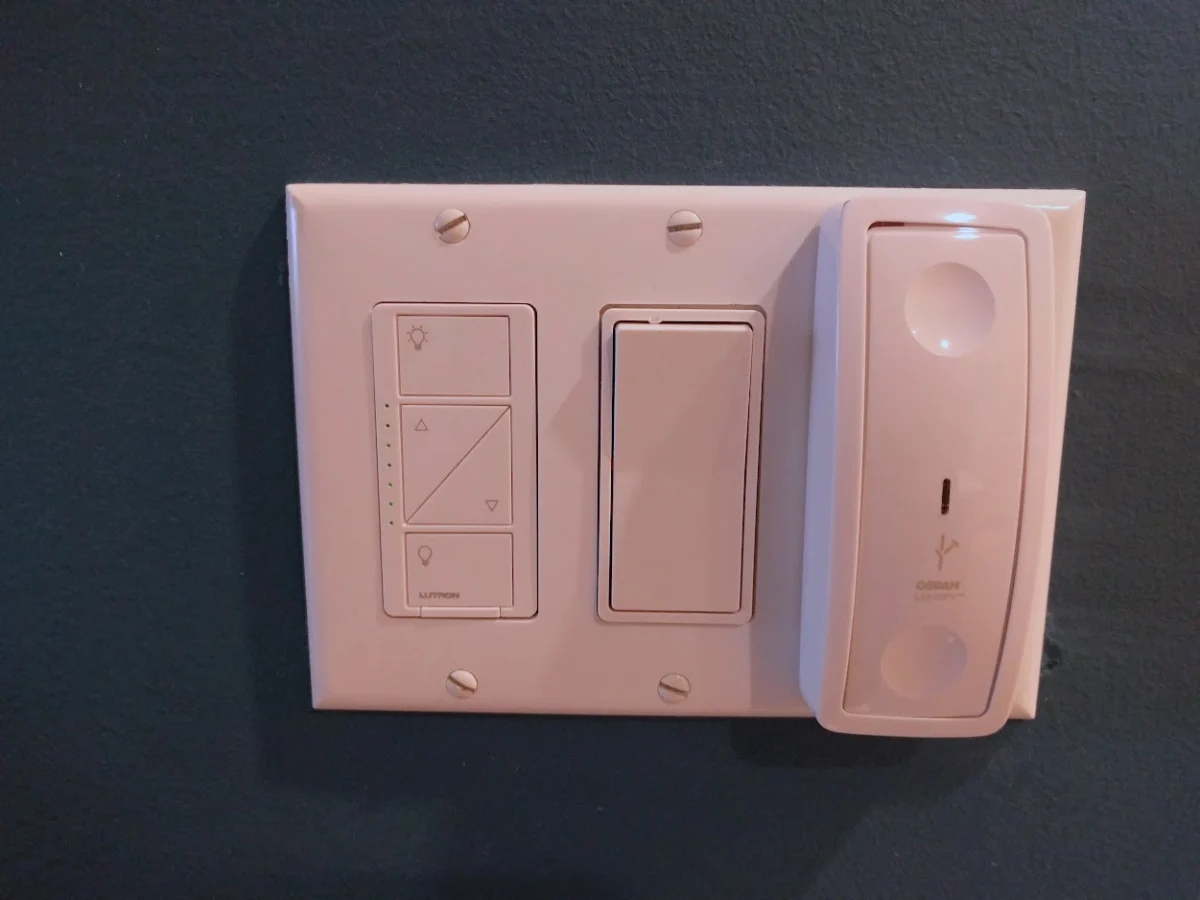
Reflecting on the early days of full-time production, the team often noted the practical quirks of living on the bleeding edge of consumer technology. From homes retrofitted with a chaotic mix of mismatched smart switches and experimental relays to navigating the early hurdles of protocol incompatibilities, the hosts experienced firsthand the exact friction points that consumer adopters faced globally. This practical, boots-on-the-ground perspective earned the show a loyal and engaged audience that valued authenticity alongside technical acumen.
Throughout its eight-year chronology, the podcast tracked major milestones, including the consolidation of smart home platforms around major technology conglomerates, the escalating focus on consumer data privacy and cybersecurity vulnerabilities, and the arduous, multi-year development of the Matter smart home standard by the Connectivity Standards Alliance (CSA). As industrial applications matured, the show expanded its scope beyond consumer conveniences, frequently addressing supply chain tracking, predictive maintenance, and energy management solutions driven by edge computing and 5G connectivity.
Industry Analysis and the State of the Smart Home
To provide a fitting capstone to the series, Episode 437 featured a comprehensive interview with Jennifer Pattison Tuohy, a veteran technology journalist covering the smart home beat for The Verge. Having spent nearly a decade tracking the sector across various specialized publications, Tuohy brought a historical perspective to the discussion, evaluating how far the connected home has progressed and identifying the remaining structural hurdles.
During the conversation, Tuohy and the hosts examined the current state of the Matter protocol, analyzing its successes in reducing ecosystem friction alongside its ongoing growing pains regarding advanced device capability integration. The discussion also addressed the evolving economics of the smart home, exploring viable business models for manufacturers who must balance upfront hardware costs with the ongoing cloud infrastructure expenses required to maintain connected devices.
Furthermore, Tuohy shared insights into upcoming initiatives planned by the Connectivity Standards Alliance, contrasted the longevity of foundational smart home infrastructure with rapidly iterating consumer gadgets, and revealed details of her own personal smart home configuration. This dialogue underscored a central theme of the final episode: that the success of the IoT ecosystem relies as much on robust, invisible infrastructure as it does on flashy consumer-facing gadgets.
Curated Resources for the Next Generation of IoT Professionals
Recognizing that the community would seek alternative sources for ongoing news and analysis, the final episode served as a curated clearinghouse for top-tier IoT media resources. The hosts shared a comprehensive reading and listening list designed to help enthusiasts and industry insiders stay informed following the podcast’s conclusion.
For audio alternatives, the hosts recommended The Mr. Beacon Show, which focuses heavily on tracking technologies and sensor networks, as well as The IoT Podcast. In print and digital journalism, foundational outlets such as The Verge, TechHive, The Ambient, and the Journal of Innovation—published quarterly by the Industrial IoT Consortium—were highlighted for their rigorous reporting and enterprise insights.
For community-driven troubleshooting and trend-spotting, the Reddit communities r/smarthome and r/homeautomation were noted as essential daily stops. Industrial IoT professionals were directed to the work of James Blackman at RCR Wireless for specialized coverage of cellular IoT, private networks, and industrial deployments. Financial tracking and venture capital movements in the sector can be followed via Dan Primack’s Axios Pro Rata newsletter, while Iskander Smit’s publication Target is New was recommended for thought-provoking examinations of the intersection between IoT, artificial intelligence, and industrial design.
Addressing Listener Inquiries and the Future of Connected Living
True to the format that endeared the show to its audience over hundreds of episodes, Episode 437 concluded by addressing a final listener question. The inquiry challenged the hosts to define what constitutes a truly "complete" smart home and to share their predictions regarding the breakthrough innovations that will drive the industry forward over the next decade.
The discussion emphasized that a complete smart home is no longer defined by the sheer quantity of connected devices or flashy automation routines, but rather by reliability, security, and invisibility. True smart home maturity, the hosts argued, occurs when technology recedes into the background, operating reliably without demanding constant user intervention or maintenance. Predictive automation, localized edge processing, and energy self-sufficiency were identified as critical vectors for future development.
Broader Industry Implications and Market Outlook
The conclusion of The Internet of Things Podcast arrives at a pivotal juncture for the technology sector at large. The macroeconomic environment has shifted enterprise and consumer priorities alike, placing heightened emphasis on profitability, energy efficiency, and tangible return on investment rather than speculative growth.
In the consumer space, the maturation of the Matter standard has lowered barriers to entry, enabling traditional lighting, security, and climate control manufacturers to build interoperable hardware with greater confidence. However, companies continue to grapple with sustainable business models. The reliance on monthly subscription fees for advanced features—such as cloud video storage or deep automation analytics—remains a contentious point for consumers, forcing hardware makers to innovate around service-based monetization without alienating their user bases.
In the industrial sector, IoT adoption is increasingly intertwined with artificial intelligence and machine learning. Enterprises are moving past the initial pilot phases of digital transformation, deploying massive sensor arrays to optimize supply chains, reduce carbon footprints, and implement predictive maintenance protocols that prevent costly equipment failures. The insights and historical documentation provided by media resources like The Internet of Things Podcast have played a quiet yet vital role in educating the workforce that drives these large-scale deployments.
Conclusion and Legacy
While the final sign-off of Episode 437 brings a beloved audio program to a close, the archive of insights generated over eight years remains a valuable educational resource for the technology community. By choosing to step back while the industry stands on solid ground, the creators ensure that the podcast’s legacy is defined by consistency, technical depth, and an unwavering commitment to making complex technology accessible. As the IoT ecosystem continues to expand into new frontiers of automation, edge computing, and ambient intelligence, the foundation laid by the show and its peers will continue to inform the architects of tomorrow’s connected world.
