
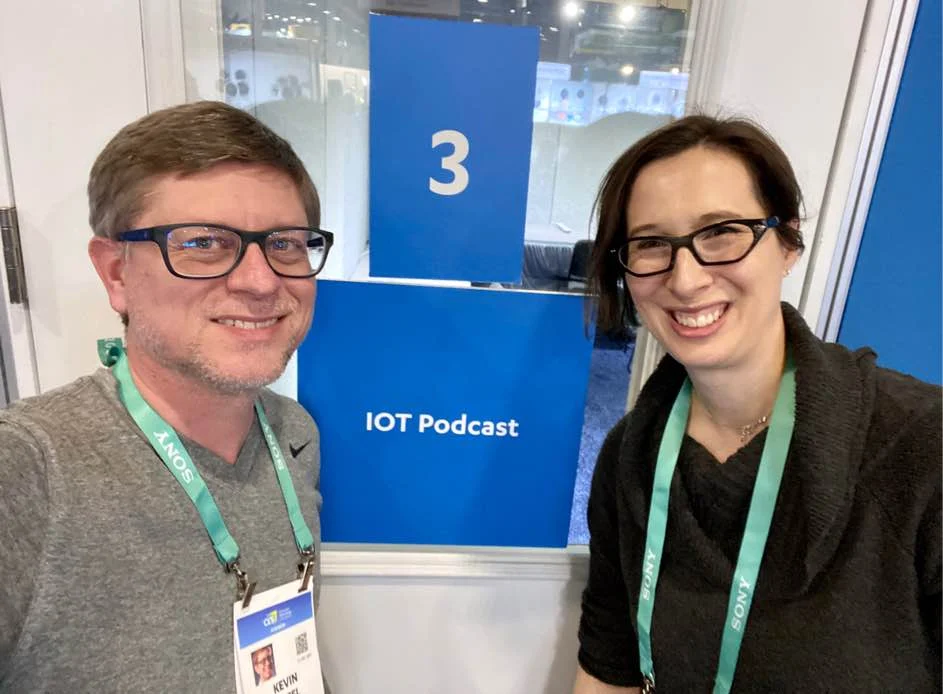

After more than two decades covering the fast-paced evolution of the technology sector, prominent tech journalist and Internet of Things (IoT) analyst Stacey Higginbotham has officially published her final weekly newsletter and stepped down as the host of her long-running weekly IoT podcast. The announcement, originally shared with subscribers on August 18, 2023, marks a significant transition for one of the most recognizable independent voices in the connected-device community. While Higginbotham is stepping away from the daily rigors of independent tech journalism, she is not disappearing entirely from the public sphere. She has accepted a consulting role with the Consumer Reports Innovation Lab, where she will focus on cybersecurity and consumer privacy, and plans to remain active on alternative digital platforms such as Bluesky.
The decision brings to a close a notable chapter of independent technology reporting that began in 2016, when Higginbotham departed her position as a senior editor at Fortune magazine to launch her own independent media venture. At the time, the move was met with skepticism from peers who questioned the viability of leaving an established publication to build a niche, subscription- and sponsor-supported media business dedicated entirely to the burgeoning Internet of Things ecosystem. Despite initial doubts, her enterprise flourished, fueled by a dedicated readership and sustained corporate sponsorships that enabled deep, investigative coverage into how computing was rapidly integrating into everyday physical and social infrastructures.
A Decade of Tracking the Connected Revolution
Higginbotham’s departure closes a chapter on an era that saw the smart home transition from a novelty for early adopters into a pervasive, cloud-connected reality. When she began covering the smart home landscape in earnest around 2012, the industry was largely defined by disconnected hubs, proprietary protocols, and enthusiastic startups promising seamless automation. Over the subsequent decade, that landscape shifted dramatically toward dominant tech ecosystems controlled by a handful of multinational conglomerates, raising complex questions regarding consumer privacy, data harvesting, and digital surveillance.
Throughout her tenure, Higginbotham chronicled the systemic maturation of IoT, moving beyond consumer conveniences to evaluate the broader societal ramifications of ubiquitous connectivity. Her reporting closely tracked the economic models underpinning connected devices—a commercial tug-of-war that frequently alternated between high-priced recurring subscriptions and aggressive corporate data collection. Furthermore, her analysis expanded into industrial sectors, examining how connected sensors and algorithmic monitoring tools were deployed in the workplace to optimize operational efficiency, occasionally pushing labor forces to unprecedented thresholds of surveillance and productivity pressure.
Burnout and the Changing Media and Tech Landscape
The announcement also sheds light on the growing fatigue experienced by veteran technology journalists operating at the intersection of rapid innovation and corporate accountability. In her farewell statements, Higginbotham pointed to the exhaustion born from more than twenty years of reacting to daily, immediate news cycles. This relentless pace often leaves little room for deep reflection on the long-term ethical, environmental, and societal implications of the consumer electronics and enterprise software championed by the industry.
In recent years, the intersection of technology and corporate responsibility has increasingly focused on Environmental, Social, and Governance (ESG) criteria. While numerous enterprises have heavily publicized their investments in IoT-driven carbon reduction tools and smart grid efficiencies, critics—including industry analysts like Higginbotham—have frequently questioned whether such initiatives represent meaningful structural change or sophisticated greenwashing designed to obscure fundamentally unsustainable business practices. This tension between genuine problem-solving and corporate marketing hype contributed significantly to the reporter’s growing skepticism toward incoming market entrants and venture-backed startups, ultimately culminating in her decision to step back and seek a renewed perspective on human ingenuity.
Transition to Consumer Advocacy and Cybersecurity
Rather than exiting the technology sector entirely, Higginbotham’s next professional phase pivots directly toward consumer protection and institutional advocacy. Her new role with the Consumer Reports Innovation Lab places her at the forefront of digital safety, where she will concentrate on the critical vulnerabilities inherent in connected hardware. Consumer Reports has long campaigned for robust legislative frameworks and industry standards to safeguard consumer data, making Higginbotham’s deep technical expertise in IoT ecosystems a natural fit for the organization’s ongoing cybersecurity initiatives.
The Consumer Reports Innovation Lab operates as a specialized research hub designed to anticipate the societal harms and security risks posed by emerging technologies. By collaborating with engineers, policy experts, and consumer advocates, the lab evaluates connected products ranging from smart appliances to medical devices, identifying systemic flaws before they can be exploited by malicious actors or leveraged for invasive corporate surveillance. Higginbotham’s involvement is expected to bolster these investigative efforts, bridging the gap between technical vulnerability analysis and accessible public awareness.
Broader Industry Implications and Future Outlook
The departure of an independent voice of Higginbotham’s caliber underscores structural challenges within the contemporary tech journalism ecosystem. As major media outlets continue to downsize specialized reporting desks in favor of generalist coverage or automated content generation, independent analysts have served as vital watchdogs holding connected-device manufacturers accountable for security lapses and privacy violations. While institutional outlets like Consumer Reports continue to fill critical gaps through dedicated testing and policy advocacy, the loss of independent, day-to-day commentary leaves a noticeable void in the public discourse surrounding IoT governance.
Looking ahead, the issues championed throughout Higginbotham’s career—ranging from secure firmware update lifecycles to transparent data-handling practices—remain central to the future stability of the digital economy. As regulatory bodies in both the United States and the European Union move toward stricter enforcement of cybersecurity baselines for connected hardware, the foundational critiques raised by independent researchers will continue to inform policy debates. Though the weekly newsletter and podcast have concluded their run, the legacy of rigorous, consumer-focused inquiry established over the past decade will continue to shape how society navigates an increasingly automated and interconnected world.
