
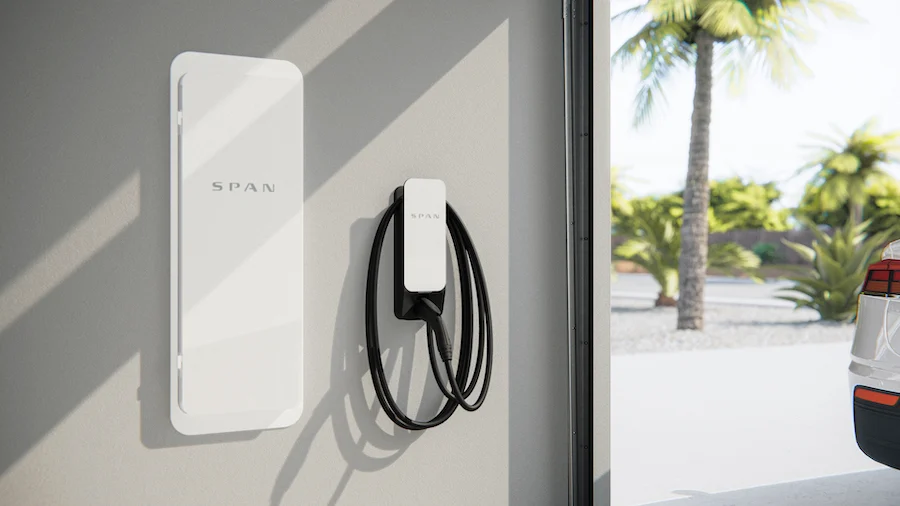

The escalating frequency and intensity of extreme weather events, coupled with a growing awareness of the vulnerabilities inherent in existing power grids, have fostered a widespread consensus that integrating smart energy management components into residential properties is no longer a luxury but a necessity. While currently, this often manifests as a smart thermostat participating in a utility’s demand response program, the trajectory of technological advancement and evolving energy infrastructure suggests a far more comprehensive integration within the next decade. This future vision encompasses smart breaker boxes, intelligent electric vehicle (EV) chargers, and potentially solar power generation paired with energy storage solutions. Orchestrating these diverse elements will be sophisticated software designed to facilitate seamless communication between home devices and utility providers, ensuring the efficient distribution of power, particularly during periods of peak demand when supply may be constrained.
The Evolving Landscape of Home Energy Management
The concept of a fully integrated smart home energy management system is rapidly taking shape, driven by innovation from prominent industry players such as Schneider Electric, Eaton, Leviton, Savant, and Span. These companies are developing products that move beyond individual smart devices to create interconnected ecosystems capable of optimizing household energy consumption. The legislative landscape is also providing a significant impetus. Federal initiatives, including incentives enacted under the Biden administration, are encouraging homeowners to transition from outdated, "dumb" electrical infrastructure to more modern, intelligent alternatives. This policy support is crucial, as the upfront cost and complexity associated with upgrading a home’s entire electrical system can be a significant barrier for many consumers.
Addressing the Consumer’s Initial Hesitation
For the average homeowner, the prospect of overhauling their home’s electrical system is considerably more daunting than simply replacing a thermostat. This inherent apprehension highlights the need for accessible and actionable first steps that empower individuals to begin their journey toward smarter energy management without requiring immediate, large-scale investments. The key lies in demystifying the process and providing practical guidance that builds confidence and understanding.
The Foundational Step: The Home Energy Audit
The most immediate and accessible action any homeowner can take to initiate smart energy management is to conduct a thorough audit of their existing breaker box. This process, which can be undertaken with minimal technical expertise, involves a systematic identification of each circuit and the appliances it powers. A simple yet effective method is to enlist the assistance of a friend or family member, communicating via a mobile phone. While one person is stationed at the breaker box, the other can move through the house, observing which outlets and appliances lose power as individual circuit breakers are toggled.
The outcome of this audit is a detailed list, mapping each circuit to its corresponding outlets and the devices connected to them. This information serves as a critical baseline for understanding current energy usage patterns and identifying potential areas for optimization. Crucially, the audit also reveals any "headroom"—empty circuits or available capacity within the existing electrical panel. This headroom is particularly important for homeowners considering popular electrification projects, such as installing an EV charger, a heat pump, or an induction stove.
Navigating Electrical Capacity and Future Upgrades
For older homes lacking sufficient headroom, the installation of these modern, high-demand appliances will likely necessitate an upgrade to the home’s electrical service, potentially involving an increase in amperage to the main electrical line and the breaker box itself. Such upgrades, while essential for accommodating new technologies, can represent a substantial financial undertaking. For homeowners seeking a more conservative approach, a smart breaker box offers a compelling intermediate solution. These advanced panels can intelligently manage and distribute power, allowing for the prioritization of certain devices. For instance, a smart breaker box could be programmed to ensure an electric vehicle charges exclusively during off-peak hours, typically at night, when overall household energy demand is lower. While this strategy can mitigate immediate capacity concerns, it is acknowledged that it represents a partial solution, and a full electrical system upgrade may eventually be required for comprehensive energy management.

Understanding Smart Breaker Box Technologies
The market for smart breaker boxes is evolving, offering various solutions to meet different homeowner needs and technical proficiencies. Some devices, such as those from Sense or Emporia, are designed to be installed within the existing breaker box. These systems excel at providing granular data on energy consumption for individual circuits and connected appliances. They offer valuable insights into where energy is being used within the home, but they do not typically offer the functionality to actively control or manage these loads. As one might intuitively understand, knowing a refrigerator consumes 500 watts daily does not, in itself, facilitate energy savings if the appliance cannot be remotely managed or scheduled.
A more advanced category of smart electrical solutions includes smart circuits, which possess the capability to be switched on and off remotely. This feature grants homeowners direct control over specific loads, enabling active management of energy usage. While some manufacturers offer entirely integrated smart breaker boxes, others provide the option to purchase individual smart circuits for targeted upgrades. It is important to note that many of these smart circuit solutions rely on proprietary software platforms for load management, which can limit interoperability. For highly technical users and dedicated DIY enthusiasts, open-source smart home energy management solutions are also emerging, offering greater customization and flexibility, albeit with a steeper learning curve.
The Role of Software and Interoperability
The ultimate effectiveness of a smart home energy management system hinges on the intelligence and interoperability of its controlling software. The vision is a unified platform that can communicate with a diverse array of devices, from smart thermostats and appliances to EV chargers and energy storage systems. This software would then interact with utility providers to dynamically adjust energy consumption based on grid conditions, energy prices, and demand signals.
Future Visions and the Path Forward
To gain a tangible sense of what a more advanced smart home energy management experience might entail, consumers can explore platforms like SmartThings Energy. This system leverages data from smart meters and real-time electricity rates to provide detailed insights into the power consumption of compatible smart appliances. For users with Samsung appliances, the platform offers features like "Power Savings" mode, accessible through the accompanying app, which can contribute to incremental energy savings.
However, the current landscape is not without its challenges. A significant hurdle remains the lack of standardized communication protocols between different smart home appliances and the software that manages the energy infrastructure. This fragmentation can limit the seamless integration and full potential of smart energy management systems. Nevertheless, the industry is actively working towards establishing these critical standards, and progress is being made.
In the interim, homeowners are encouraged to adopt a proactive approach. The foundational step of conducting an energy audit remains paramount. This initial assessment not only clarifies current energy usage but also prepares homeowners for future decisions, particularly when considering the purchase of new appliances. As the trend towards all-electric homes accelerates, prioritizing appliances that exhibit intelligent energy management capabilities will be a key strategy for building a more resilient and sustainable household energy ecosystem. The ongoing development of smart technologies, coupled with supportive policies, suggests that a future where homes actively participate in managing and optimizing their energy consumption is increasingly within reach. The journey begins with understanding what you have, and then strategically planning for what you will need.
