
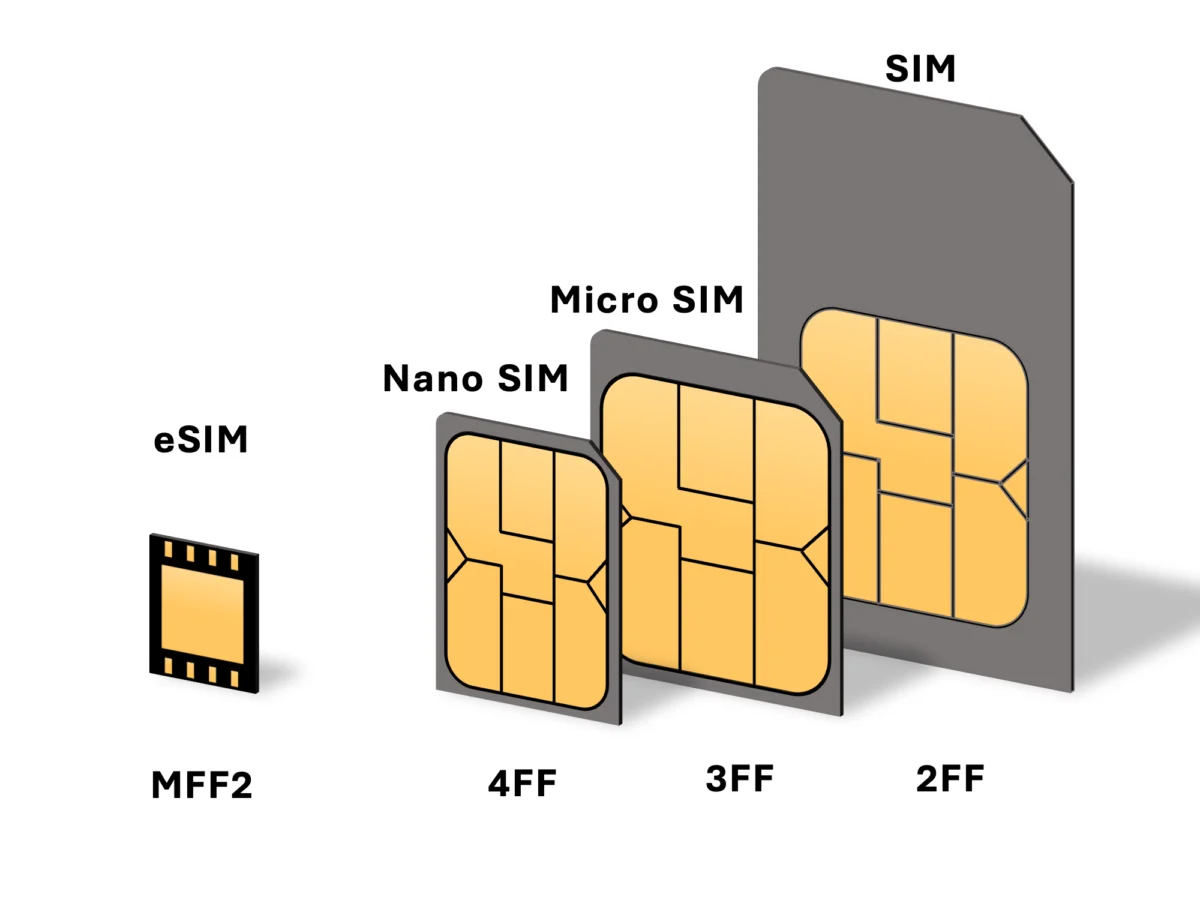

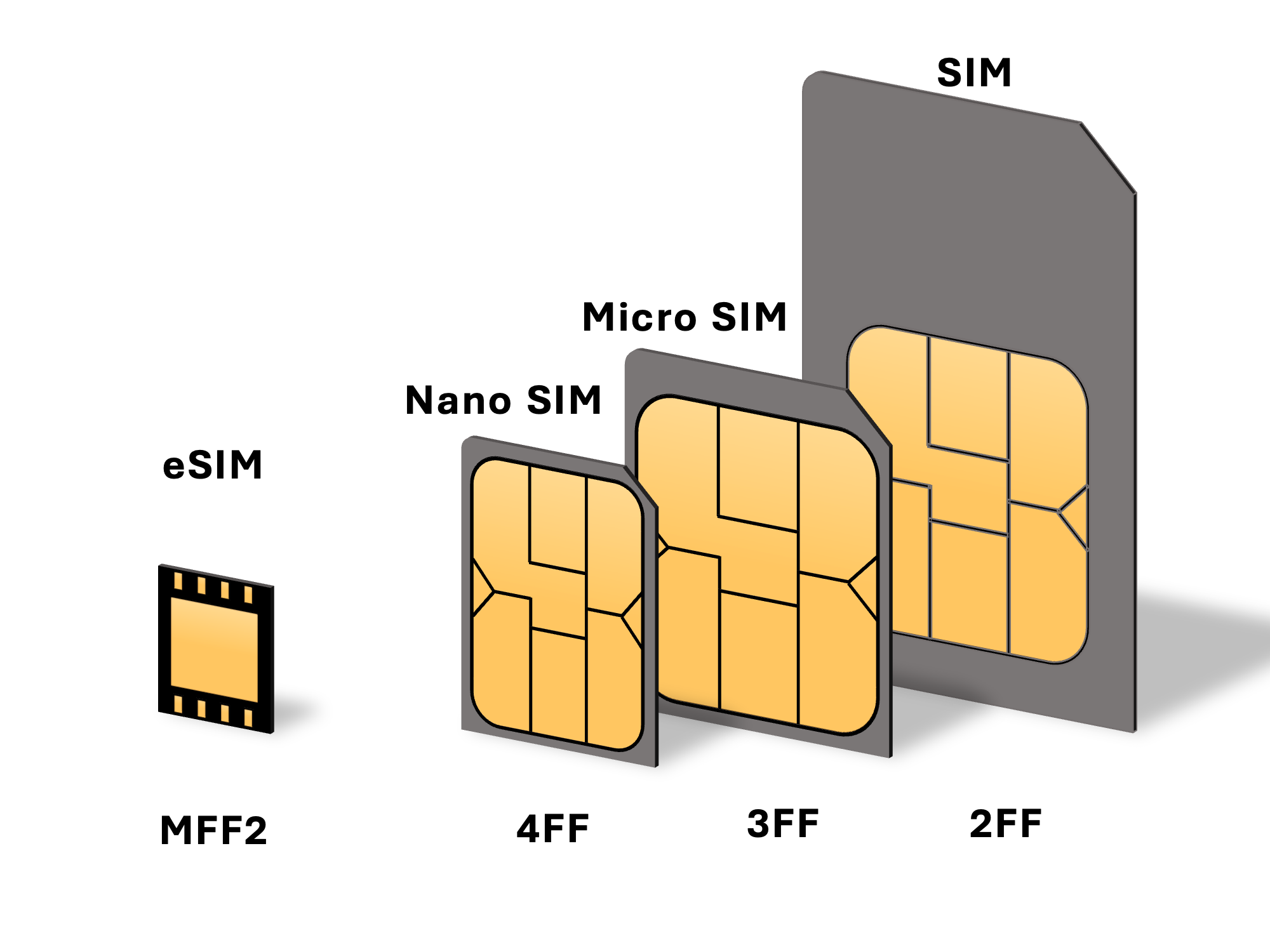
The telecommunications landscape in South Korea is currently undergoing a significant shift as digital-first connectivity solutions replace traditional hardware. At the forefront of this evolution is the eSIM, or embedded Subscriber Identity Module, a technology that has transitioned from a niche feature to a mainstream requirement for travelers and residents alike. Unlike the physical SIM cards that have dominated the market for decades, the eSIM is a small, programmable chip integrated directly into a device’s motherboard. This advancement allows users to download and activate cellular profiles remotely, bypassing the logistical hurdles of physical retail stores and the mechanical risks associated with swapping plastic cards. As South Korea continues to solidify its position as one of the world’s most connected nations, understanding the nuances of its eSIM market is essential for anyone navigating the peninsula’s digital infrastructure.
The Technological Shift: Understanding eSIM Infrastructure in Korea
The adoption of eSIM technology in South Korea was not instantaneous but rather a calculated rollout driven by both consumer demand and regulatory frameworks. Historically, the South Korean mobile market was dominated by three major Mobile Network Operators (MNOs): SK Telecom, KT, and LG U+. While these giants initially prioritized physical SIM cards to maintain control over device ecosystems, the global trend toward dual-SIM functionality—pioneered largely by Apple and Samsung—forced a pivot.
In September 2022, the South Korean Ministry of Science and ICT officially mandated that all major domestic carriers support eSIM services for local residents. This regulatory milestone opened the floodgates for a more competitive market, allowing for easier switching between providers and fostering the growth of Mobile Virtual Network Operators (MVNOs). For the consumer, this means the hardware in their iPhone 14, Samsung Galaxy S23, or newer devices can now hold multiple "personalities," enabling a tourist to keep their home number active for SMS while using a local Korean eSIM for high-speed 5G or 4G LTE data.
Comparative Analysis of Major Korean eSIM Providers
Choosing a provider in South Korea requires a balance of price, network reliability, and ease of registration. The market is divided into the "Big Three" MNOs and specialized aggregators like Korea SIM Card.
1. SK Telecom (SKT)
As the largest telecommunications operator in the country, SK Telecom commands approximately 47% of the market share. Their eSIM offering for tourists is positioned as a premium service. At a price point of roughly $35 for 1GB of data over a 30-day period, it is not the most economical choice. However, the value proposition lies in the network’s robustness. SKT’s infrastructure is particularly superior in mountainous regions and rural provinces, making it the preferred choice for travelers planning to hike in Seoraksan or explore Jeju Island’s remote corners.
2. KT Olleh
KT is often the most visible provider for international arrivals, maintaining a heavy presence at Incheon International Airport (ICN). Their eSIM plans are competitively priced at $36.50 for 1GB over 30 days. One of the distinct advantages of KT is the integration with "GiGA WiFi." KT operates millions of secure Wi-Fi hotspots across the country, particularly in subway stations and major commercial districts. When a user activates a KT eSIM, they often gain complimentary access to these hotspots, allowing them to preserve their cellular data allowance while in high-traffic urban areas.
3. LG U+
Often viewed as the most innovative of the three MNOs, LG U+ has invested heavily in its 5G network architecture. Their tourist eSIM plan is priced at the higher end of the spectrum at $39 for 1GB. While the price may seem a deterrent, LG U+ frequently bundles their eSIMs with additional perks, such as T-Money card discounts or integrated transportation features. Their customer support infrastructure is also highly rated for its English-language accessibility, which is a critical factor for short-term visitors.
4. Korea SIM Card (Specialized Provider)
For many tourists, Korea SIM Card represents the most accessible entry point. Priced at $25 for 1GB, it significantly undercuts the direct MNO prices. This provider functions as an aggregator, utilizing the networks of the major carriers while offering a streamlined, English-centric user interface. Their flexibility in offering data-only versus voice-and-data packages makes them a versatile choice for the modern traveler who may rely more on KakaoTalk or WhatsApp than traditional voice calls.
Chronology of Activation: From Purchase to Connectivity
The process of utilizing an eSIM in Korea has been optimized to ensure that users can achieve connectivity within minutes of landing. The typical chronology of an eSIM lifecycle for a visitor follows a specific path:
- Device Compatibility Check: Before purchase, users must ensure their device is carrier-unlocked and supports eSIM. This is generally true for iPhones from the XR model onwards and Samsung S20 models or newer.
- Online Procurement: Unlike physical SIMs, which often require queuing at an airport kiosk, eSIMs are purchased via web portals or dedicated apps. This can be done before leaving one’s home country.
- Reception of QR Code: Upon payment, the provider generates a unique QR code sent via email. This code contains the SM-DP+ (Subscription Manager Data Preparation) address and activation code.
- On-Device Installation: Users navigate to their phone’s cellular settings and "Add eSIM." Scanning the QR code initiates the download of the profile.
- Activation upon Arrival: The eSIM typically does not "start" its validity period until it pings a Korean cell tower. Upon landing at Incheon or Gimpo, the user simply toggles the eSIM line to "On."
Strategic Considerations for Long-Term Residents
For expatriates, digital nomads, and students residing in Korea for more than 90 days, the criteria for choosing an eSIM provider shift from convenience to sustainability. Long-term residents are required to have an Alien Registration Card (ARC), which unlocks a different tier of cellular plans.
The ARC Requirement and "Real-Name Verification"
In South Korea, a mobile phone number is more than a communication tool; it is a digital identity. Almost all local services, from food delivery apps like Baedal Minjok to online banking and government portals, require "Real-Name Verification" via a mobile number. Tourist eSIMs generally do not support this level of verification. Therefore, residents typically migrate to monthly post-paid or pre-paid plans offered by SKT, KT, or LG U+ that are linked to their ARC.
Resident Pricing Models
Long-term plans are significantly more cost-effective than tourist packages. For approximately $29 to $35 per month, residents can access 2GB to 5GB of high-speed data, followed by throttled unlimited data, along with unlimited domestic calls and texts. These plans also allow for "family bundling," where residents can link their mobile plan with their home internet and television services for substantial discounts—a common practice in Korean households.
Network Performance and Data Analysis
South Korea consistently ranks in the top five globally for both 5G penetration and average download speeds. According to recent industry data, the average 5G download speed in Seoul exceeds 400 Mbps, while 4G LTE speeds hover around 75-100 Mbps.
When evaluating eSIM providers, data latency is a crucial metric. Because some international eSIM roaming providers (like Airalo or Holafly) route data through servers in Singapore or Hong Kong, users may experience a "lag" or high latency. In contrast, local providers like SKT, KT, and LG U+ route data through domestic servers, resulting in pings as low as 10-20ms. This is vital for users who rely on real-time navigation via Naver Maps or those engaged in mobile gaming.
Broader Implications and Future Outlook
The transition to eSIM in Korea reflects a broader commitment to environmental sustainability and digital efficiency. By eliminating the need for plastic SIM cards and their associated packaging, the telecommunications industry is reducing its carbon footprint. Furthermore, the ease of eSIM activation is expected to boost the "smart tourism" sector. The Korea Tourism Organization (KTO) has noted that seamless connectivity is one of the highest-rated factors in visitor satisfaction.
Looking ahead, the integration of eSIM with "IoT" (Internet of Things) devices is the next frontier. We are likely to see an increase in wearable-specific eSIM plans, allowing tourists to leave their phones in their hotel rooms and navigate the streets of Myeongdong using only a smartwatch.
Conclusion: Navigating the Choice
The "best" eSIM provider in Korea is ultimately contingent on the user’s specific itinerary and residency status. For the budget-conscious tourist staying in urban centers, Korea SIM Card offers the most competitive rates. For the traveler venturing into the rural heartlands or the islands, the premium network of SK Telecom provides necessary peace of mind. Meanwhile, KT Olleh remains the champion of urban convenience due to its ubiquitous Wi-Fi network.
As South Korea continues to refine its digital borders, the eSIM stands as a testament to the country’s tech-centric philosophy. It is no longer just a tool for communication, but a foundational element of the travel experience, enabling instant access to the maps, translation apps, and transport services that make the "Land of the Morning Calm" one of the most accessible destinations in the world. Visitors and residents alike are encouraged to verify their device compatibility and choose a provider that aligns with their data consumption patterns to fully leverage Korea’s world-class digital infrastructure.
