
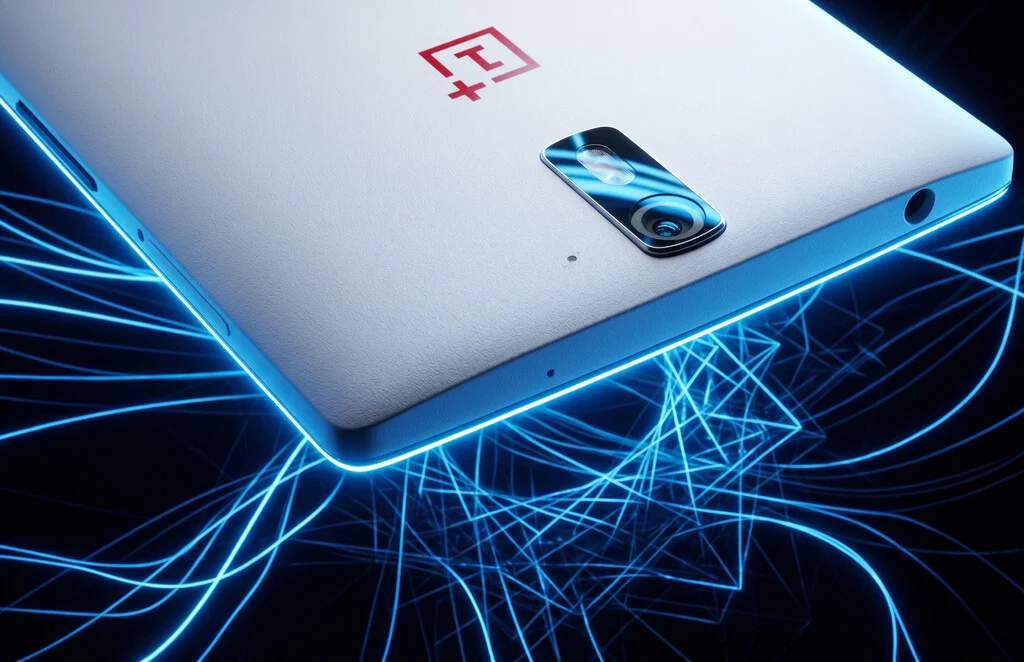

The year 2014 stands out as a pivotal period in the evolution of Android, a transformative era marked by significant advancements that reshaped the mobile landscape. It was the year that witnessed the birth of Android Wear, Google’s ambitious foray into wearable technology, promising a seamless extension of smartphone functionality. Concurrently, Google unveiled Material Design, a revolutionary visual language that would go on to define the aesthetic and user experience of Android for years, laying the groundwork for its modern iterations like Material 3. This fertile ground also saw the release of several iconic smartphones, including the LG G3, renowned for its Quad HD display; the Samsung Galaxy S5, a robust flagship from the market leader; and the HTC One (M8), celebrated for its premium design and BoomSound speakers. Yet, amidst this flurry of innovation and high-profile launches, an unexpected contender emerged from a little-known company, priced at a remarkably accessible 300 euros. This device, the OnePlus One, managed to capture the headlines, dominate tech forums, and ignite conversations across the industry, marking its official announcement twelve years ago as a moment of genuine disruption.
The Genesis of a Disruptor: OnePlus’s Bold Promise
OnePlus, co-founded just months prior by Pete Lau and Carl Pei, burst onto the scene with a seemingly audacious promise: to deliver the market’s most cutting-edge hardware at a price point deemed unattainable by established competitors. Their mantra, "Never Settle," quickly resonated with tech enthusiasts, creating a seismic shift in expectations. It was this singular vision that gave birth to the "Flagship Killer" concept, a term that would encapsulate the brand’s early ethos. This formula, however, proved exceptionally challenging to replicate with the same purity, even by OnePlus itself, underscoring the unique confluence of circumstances that propelled the original device to stardom. The company’s strategy was not merely about offering a cheaper alternative; it was about democratizing high-end specifications and challenging the prevailing pricing structures of the mobile industry.
Unprecedented Value: Hardware That Challenged Norms
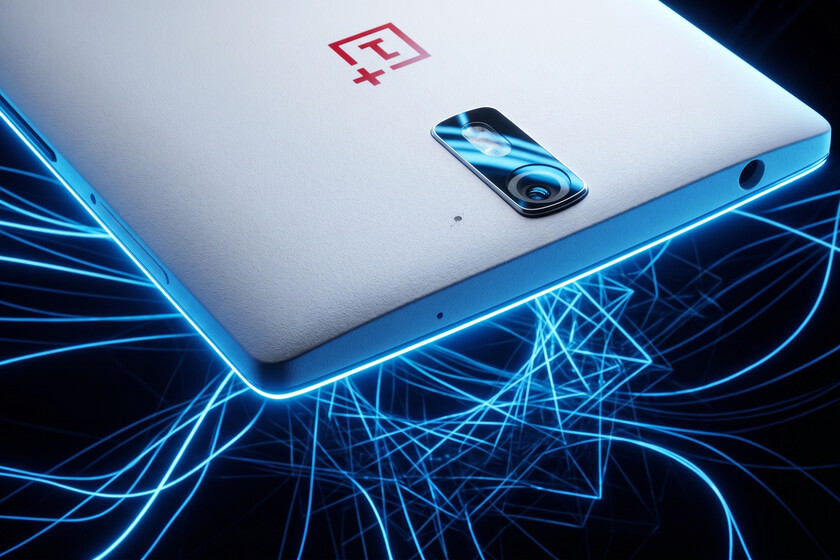
When technology publications, including Xataka, conducted their initial reviews of the original OnePlus One, it became unequivocally clear that the company was delivering substance, not just hype. In an era where a flagship device like the Samsung Galaxy S5 commanded prices upwards of 650 euros, the OnePlus One launched at an astonishing 269 euros for its base model. This aggressive pricing was achieved without compromising on essential hardware components; in fact, the OnePlus One often matched or even surpassed the specifications of its more expensive rivals.
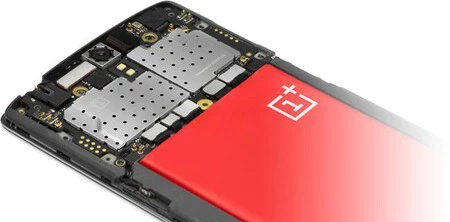
At its core, the OnePlus One was powered by the formidable Qualcomm Snapdragon 801 processor, the same high-performance chipset found in many top-tier smartphones of 2014. However, it distinguished itself by offering a more generous 3 GB of RAM, a significant upgrade from the then-standard 2 GB found in many competitors. It featured a vibrant 5.5-inch Full HD IPS display, larger than many contemporary flagships, providing an immersive viewing experience. Furthermore, its robust 3,100 mAh battery promised extended usage, a critical advantage for power users. Perhaps most notably, the device shipped with CyanogenMod pre-installed, a highly acclaimed custom Android ROM known for its extensive customization options, enhanced performance, and a cleaner, more enthusiast-friendly user interface than many OEM skins. This combination of top-tier hardware, a competitive price, and a beloved software experience made the OnePlus One an irresistible proposition.
The Economic Underpinnings: Selling at Cost
The OnePlus One’s aggressive pricing strategy laid bare the substantial profit margins enjoyed by traditional manufacturers like Samsung, Motorola, HTC, and LG. However, this disruptive model came with its own set of trade-offs. OnePlus openly acknowledged that it was selling the device at near cost, a strategy designed to gain market penetration and build brand awareness rather than immediate profitability. Lacking the gargantuan marketing budgets of its established competitors, OnePlus had to innovate not only in product development but also in its approach to market outreach.
The Genius of Scarcity: Marketing a Revolution
To overcome its limited marketing resources and foster a sense of desirability, OnePlus devised an ingenious and highly controversial strategy: an invitation system. This system transformed the act of purchasing a smartphone into an exclusive event, akin to acquiring a coveted golden ticket. Users eager to get their hands on the OnePlus One had to secure an invitation, often through contests, referrals, or by actively participating in the company’s online forums. This deliberate scarcity generated immense hype and exclusivity, effectively turning early adopters into brand ambassadors and driving word-of-mouth marketing at an unprecedented scale. It was a brilliant, albeit frustrating for many, move to cultivate a passionate community among tech enthusiasts.
Beyond the invitation system, OnePlus amplified its guerrilla marketing efforts with audacious campaigns. The most infamous was "Smash the Past," a contest that challenged participants to record themselves destroying their current high-end smartphones for a chance to purchase a OnePlus One for a mere dollar. While heavily criticized for its perceived wastefulness and insensitivity, the campaign generated massive media attention and solidified OnePlus’s image as a rebellious upstart unafraid to challenge the status quo.
Despite the controversies and the initial hurdles posed by the invitation-only model, the commercial strategy proved remarkably effective. By the time OnePlus opened up general sales towards the end of 2014, the company had already dispatched over a million units. This far exceeded their initial, conservative target of 50,000 phones, underscoring the profound impact of their disruptive approach and the immense pent-up demand for an affordable, high-performance Android device. The success of the OnePlus One demonstrated the power of community engagement and unconventional marketing in a market dominated by corporate giants.
The Unavoidable Evolution: From Rebel to Mainstream
Maintaining such a level of disruption proved to be inherently unsustainable. Selling at cost is a potent strategy for market entry and brand establishment, but it is not a viable long-term business model. Just one year after the original’s launch, with the arrival of the OnePlus 2, the initial "Flagship Killer" moniker began to feel less accurate. While still a capable high-end device, prices started their slow but inexorable climb, a necessary adjustment to ensure the company’s long-term viability. The concessions compared to established competitors became increasingly apparent as OnePlus began to integrate more traditional business practices.

The smartphone industry itself was evolving. Component costs were rising, and the relentless pace of innovation demanded substantial investments in research and development. Features like advanced camera systems, waterproof ratings, wireless charging, and sophisticated display technologies, which became standard in premium phones, required significant capital and engineering effort. The utopian ideal of a high-end phone at an entry-level price point began to dissipate under these economic realities. Carl Pei, reflecting on this shift years later in an interview, candidly admitted, "Our objective was never to be good at making cheap phones; we simply wanted to make the best phone possible." This statement encapsulates the brand’s pivot from a cost-driven disruptor to a quality-driven competitor.
The Legacy and Its Imitators
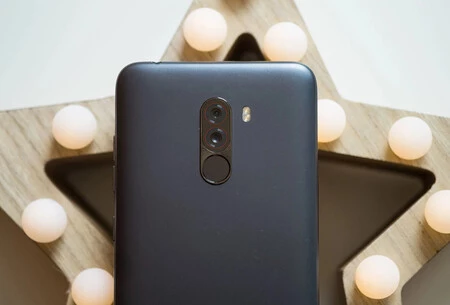
While OnePlus itself began its trajectory towards the premium segment, the "Flagship Killer" concept it pioneered continued to inspire other brands. A few years later, in 2018, Xiaomi’s sub-brand POCO attempted to rekindle that spirit with the Pocophone F1. This device, featuring a polycarbonate body but equipped with the most powerful Snapdragon processor of its time, offered an enticing blend of performance and affordability. The Pocophone F1 garnered significant praise for its value proposition, echoing the original OnePlus One’s success in delivering high-end specs at a mid-range price. However, the market landscape had changed considerably. The "innocence" of 2014, when such a proposition felt genuinely revolutionary, had been lost. Consumers had become more sophisticated, and the industry had matured. While the Pocophone F1 was a strong contender in its own right, it struggled to replicate the sheer disruptive force and cultural impact of the OnePlus One. The challenges of maintaining such a razor-thin margin business model, coupled with the increasing complexity and cost of smartphone components, meant that truly replicating the "Flagship Killer" purity became an almost impossible feat.
OnePlus Today: A Premium Player in a Crowded Market
This forced maturation profoundly transformed the DNA of the Chinese brand. From being the rebellious upstarts who mocked expensive mobile phones, OnePlus gradually transitioned to occupying the same competitive arena as its former targets. The OnePlus of today, as evidenced by models like the hypothetical OnePlus 15 in 2026, is a distinctly different entity. It continues to launch high-quality smartphones, often praised for their performance, design, and software experience. However, these devices now operate within the same premium price ranges that the original OnePlus One so vehemently challenged.
The company’s integration into the broader Oppo umbrella has further solidified its position within the established industry framework. This consolidation provides access to greater resources and economies of scale but also blurs the lines of its original independent identity. In the current market, OnePlus’s challenge is no longer to dismantle rival flagships but rather to justify its place alongside them. Competing against titans like Apple, Samsung, and Google, while also navigating an increasingly crowded field of Chinese manufacturers, demands continuous innovation and a clear value proposition. Furthermore, the company faces persistent rumors regarding a potential commercial retreat from Western markets, adding another layer of complexity to its future trajectory. The global smartphone market remains fiercely competitive, characterized by high consumer expectations and rapid technological cycles.
Enduring Impact: A Romantic Revolution Remembered
Despite the significant evolution of the brand and the industry, those who experienced the "OnePlus fever" of 2014 will never forget the revolution it ignited. It was a movement, almost romantic in its defiance, that profoundly impacted the Android ecosystem. The OnePlus One was revolutionary not just for its specifications or price, but for the widespread enthusiasm it generated within the community, particularly among users passionate about customization, open-source development, and custom ROMs. It was a device that empowered users, offering unparalleled freedom and performance at a price that felt almost too good to be true. Its legacy is a testament to the power of a bold vision and the enduring appeal of disruption, reminding the tech world that even from obscurity, a single device can fundamentally reshape an entire industry.
