
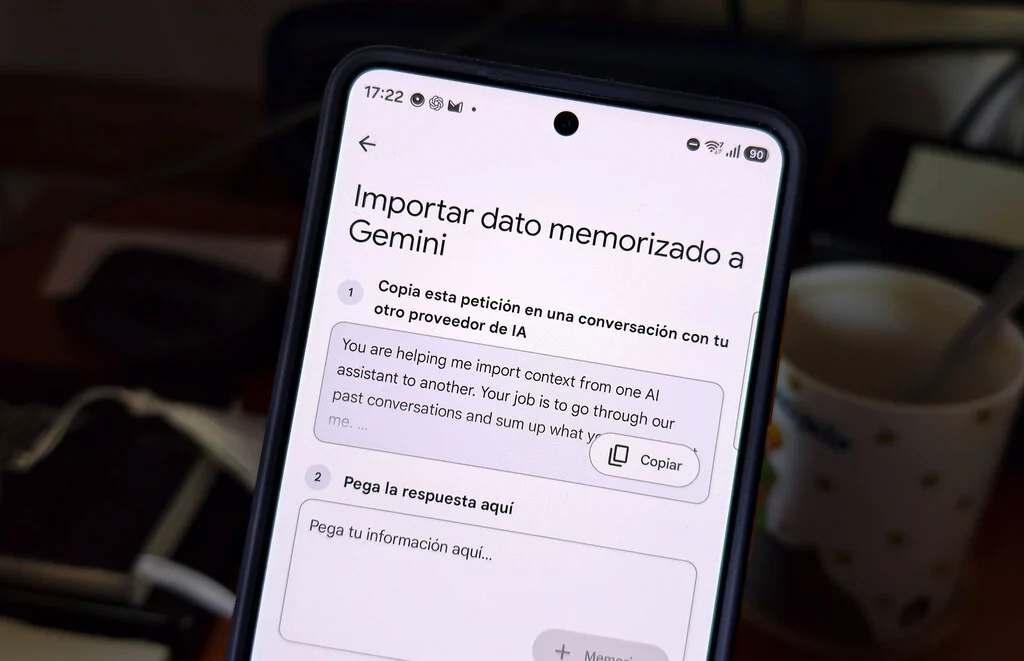

In a significant move aimed at solidifying its position in the rapidly evolving artificial intelligence landscape, Google has rolled out advanced migration tools for its Gemini AI platform. These new functionalities enable users to transfer accumulated "memory" and complete chat histories from other AI chatbots, such as OpenAI’s ChatGPT or Anthropic’s Claude, directly into Gemini. This initiative is designed to streamline the user experience, foster deeper personalization, and address the growing challenge of data fragmentation across multiple AI services. The feature, now active in several regions including Spain, marks a pivotal step towards greater interoperability within the AI ecosystem, potentially setting a new standard for user-centric AI development.
The proliferation of generative AI tools has led to a common user practice: engaging with multiple AI models for diverse tasks. While a primary AI often handles most interactions, users frequently switch between platforms to leverage specific strengths, save tokens, or gain varied perspectives. This multi-AI approach, however, has historically presented a hurdle for personalization. Each chatbot, over time, develops a unique understanding of a user based on their queries, preferences, and historical interactions—a form of digital memory. This accumulated knowledge allows the AI to provide more relevant, nuanced, and efficient responses, akin to the comfort and understanding found in a long-standing friendship versus a new acquaintance. The absence of a standardized method to transfer this learned context between platforms meant that users essentially had to "start fresh" with each new AI, sacrificing the benefits of personalized interaction. Google’s new migration capability directly confronts this issue, positioning Gemini as a more adaptable and user-friendly alternative.
The core of Google’s new offering lies in its ability to assimilate external AI knowledge. Users can now effectively "move their belongings" into Gemini, ensuring that the conversational context, preferences, and previously shared information are not lost in translation. This includes not only the abstract "memory" of past interactions but also the complete textual logs of prior conversations. For individuals managing complex projects, creative writing, or ongoing research across different AI platforms, this means an unprecedented continuity of work. Tasks initiated in one chatbot can now be seamlessly continued in Gemini without the need for laborious re-explanation or context-setting, thereby significantly enhancing productivity and reducing friction in the AI workflow.
The Strategic Imperative for Interoperability
The introduction of these migration tools is not merely a convenience feature; it represents a strategic imperative for Google in the fiercely competitive AI market. Since the public launch of ChatGPT in late 2022, the race to develop and deploy advanced generative AI has intensified dramatically. Companies like Google, OpenAI, Microsoft, and Anthropic are vying for user adoption and ecosystem dominance. A key differentiator in this battle is user stickiness, which is heavily influenced by the quality of personalized interaction and the perceived value derived from continuous engagement. By facilitating the transfer of user data, Google aims to reduce the switching costs associated with moving to Gemini, thereby attracting users who might otherwise be hesitant to abandon their established AI companions.
Industry analysts have long pointed to the "walled garden" effect in technology, where platforms strive to keep users and their data within their own ecosystems. While AI platforms naturally benefit from proprietary data for model training and refinement, user demand for flexibility and control over their digital assets is growing. Google’s move could be interpreted as a step towards a more open, albeit still managed, approach to AI data portability. It acknowledges that users often have legitimate reasons to use multiple tools and seeks to make Gemini the central hub by offering superior integration capabilities. This could set a precedent for other AI developers to consider similar features, potentially leading to a more interconnected and user-centric AI landscape in the future.
Understanding the Migration Process and Its Scope
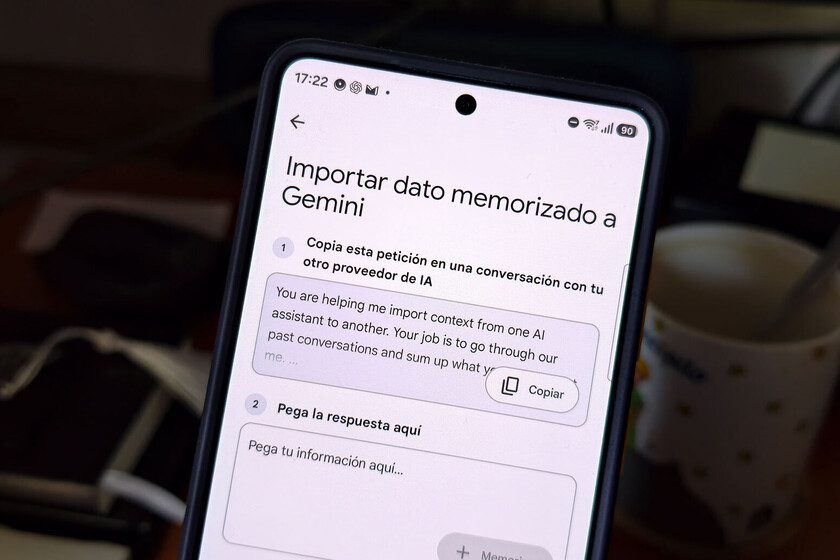
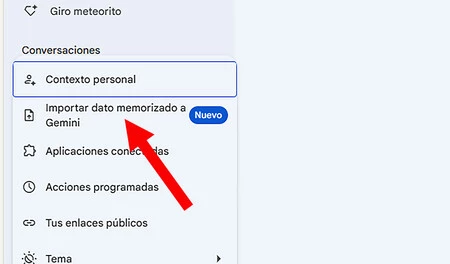
Google has engineered Gemini to integrate external AI memory and chat histories through a surprisingly straightforward process, typically initiated via a simple prompt. While the exact technical underpinnings involve sophisticated parsing and embedding techniques to translate the nuanced context from one AI model’s internal representation to Gemini’s, the user experience is designed to be intuitive.
The migration capability covers two primary aspects:
- Transfer of AI Memory: This refers to the implicit knowledge an AI has gained about a user’s preferences, style, common topics of interest, and specific instructions given over time. This memory is crucial for the AI to anticipate needs and tailor responses more effectively.
- Importation of Complete Chat Histories: Beyond implicit memory, users can transfer explicit conversational data. This includes entire dialogues, questions asked, answers received, and any specific outputs generated. This is particularly valuable for project continuity, reference, and maintaining a record of past interactions.
It is critical for users to understand that while Gemini can absorb the knowledge and context from other chatbots, it does not import their capabilities or underlying models. Gemini operates on its own proprietary models, such as the advanced Gemini Ultra, which possess distinct strengths, limitations, and behavioral characteristics. Therefore, while the transferred data will inform Gemini’s responses, the output will reflect Gemini’s inherent intelligence and architecture, not merely replicate the behavior of the source AI. This distinction is important for managing user expectations regarding the qualitative nature of Gemini’s interactions post-migration.
The Broader Context of Gemini’s Personalization Strategy
The new migration tools fit within a broader strategy by Google to enhance Gemini’s personalization capabilities. Earlier reports and linked information suggest that Gemini is being designed to deeply integrate with a user’s entire Google ecosystem. This includes the ability to search through personal data stored in Google Photos, Gmail, Google Drive, and other services, with explicit user consent. While the migration feature discussed here specifically addresses cross-chatbot data transfer, it underscores Google’s overarching vision: to make Gemini the most knowledgeable and context-aware personal AI assistant.
By having access to a user’s historical AI interactions (from other platforms) and potentially their personal Google data, Gemini aims to offer an unparalleled level of tailored assistance. Imagine an AI that understands your project’s history across multiple tools, knows your communication style from your emails, recognizes faces in your photos, and remembers your past preferences from your search history. This comprehensive data integration is intended to transform Gemini from a generic chatbot into a highly personalized digital confidante, capable of providing more proactive and relevant support.
Data Privacy and Security: A Paramount Concern
The transfer of personal data, whether from other AI services or from a user’s broader digital footprint, inevitably raises significant data privacy and security concerns. Google is acutely aware of these sensitivities and has emphasized that all such integrations and migrations require explicit user consent. The company typically employs robust encryption protocols and adheres to stringent data governance policies to protect user information.
However, the responsibility also lies with the user to understand what data is being shared and how it will be used. When migrating chat histories, users are effectively entrusting potentially sensitive information to a new platform. Google’s privacy policy, which outlines how data is collected, processed, and utilized, becomes a crucial document for users to review. The principle of "importing knowledge, not capabilities" also extends to privacy: users should verify that the data handling practices of Gemini align with their expectations, even if the original data came from another service with its own privacy framework. The potential for a more personalized AI experience must be carefully balanced against the imperative to safeguard personal information.
Implications for the AI Ecosystem and Future Trends

Google’s innovation in AI data migration carries significant implications for the entire artificial intelligence industry:
- Increased Interoperability: This move could pressure other major AI developers to implement similar data portability features. A future where users can seamlessly switch between AI models, carrying their context with them, would foster greater competition and user empowerment.
- Enhanced User Experience: By reducing friction and improving personalization, these tools will likely lead to higher user satisfaction and deeper engagement with AI platforms.
- Challenges for Data Silos: While companies benefit from proprietary data, a trend towards data portability could force them to find new ways to differentiate their services beyond simply locking in user data.
- Evolution of AI Memory Management: The concept of "AI memory" is still nascent. This development pushes the boundaries of how AI platforms store, retrieve, and interpret past interactions, potentially leading to more sophisticated memory architectures.
- Ethical AI Development: The emphasis on explicit user consent and the careful management of transferred data highlights the growing importance of ethical considerations in AI design and deployment. As AI becomes more personal, ethical guidelines for data usage, transparency, and user control will become paramount.
Looking ahead, it is plausible that this manual portability between AIs, currently driven by user prompts, could evolve into more automated or standardized protocols. Industry bodies might emerge to define common data formats or APIs for AI memory transfer, making the process even more seamless and secure. This would not only benefit individual users but also foster innovation across the AI sector by enabling developers to build more integrated and intelligent applications.
In conclusion, Google Gemini’s new migration tools represent a strategic leap forward in making AI more user-friendly and personalized. By enabling the transfer of accumulated AI memory and chat histories, Google is addressing a critical pain point for multi-AI users and aiming to solidify Gemini’s position as a leading personal AI assistant. While the benefits of enhanced personalization are clear, careful attention to data privacy and security remains essential. This development is poised to influence the broader AI landscape, potentially ushering in an era of greater interoperability and user-centric design across the industry.
