
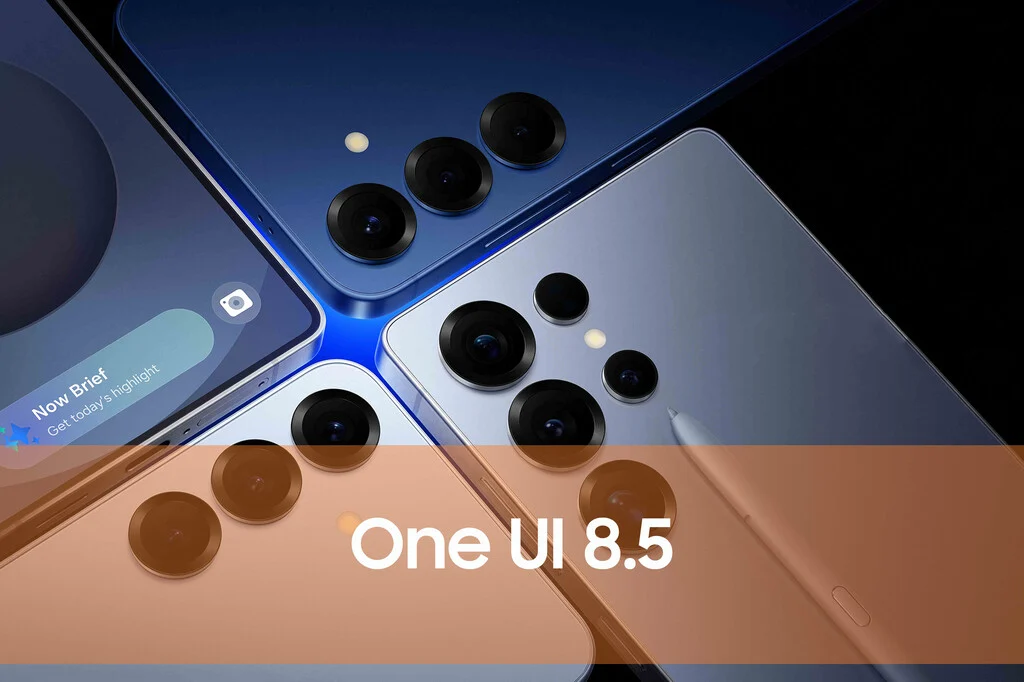

The highly anticipated rollout of Samsung’s One UI 8.5, the latest iteration of its proprietary Android user interface, has been postponed, leaving millions of Galaxy users worldwide awaiting a definitive release date. Initial expectations for the stable version of the software, widely reported to be April 30th based on information from a Samsung employee, were not met. Subsequent speculation, which pointed to May 4th as a revised launch date in line with Samsung’s historical preference for Monday releases, also proved unfounded. The current status, confirmed through direct interaction with Samsung’s support channels, indicates an indefinite delay with no concrete launch date available, primarily due to ongoing regional considerations.
The Unfolding Delay: A Chronology of Missed Deadlines
The journey towards the release of One UI 8.5 has been characterized by a series of shifting expectations and unfulfilled predictions. Initial reports of an impending launch circulated widely throughout the tech community, stemming from an alleged statement by a Samsung employee. This individual, in response to a user query, reportedly cited April 30th as the target date for the stable version of the new software layer. Such a direct, albeit unofficial, communication from within the company naturally generated significant anticipation among the vast global user base of Samsung Galaxy devices. For many, this specific date became a focal point, leading to vigilant monitoring of their devices and tech news outlets as the end of April approached.
However, as April 30th passed without any official deployment or notification, it became clear that the initial projection would not be met. The absence of the One UI 8.5 update prompted a swift reassessment within tech circles. Drawing upon Samsung’s established patterns for major software releases, which often occur on Mondays to facilitate a full week of post-launch monitoring and support, attention quickly shifted to May 4th. This theory gained considerable traction, offering a renewed sense of hope for users eager to experience the promised enhancements and refinements of the new One UI iteration.
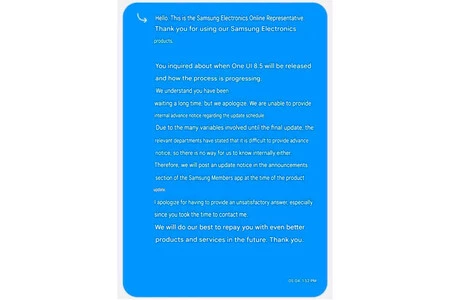
Yet, May 4th also concluded without the much-awaited update. The successive missed dates necessitated further inquiry. It was through direct engagement with Samsung’s customer support chat that the current state of uncertainty was officially corroborated. A representative confirmed that, as of the present moment, there is no concrete launch date for One UI 8.5. The communication highlighted that regional considerations are a primary factor influencing the deferment, a common but often unspecific reason cited for variations in global software deployment schedules. This sequence of events underscores the complexities involved in global software distribution, where initial internal projections can often diverge from the operational realities of a widespread release.
Behind the Scenes: Why Software Updates Face Delays
The postponement of a major software update like One UI 8.5 is a multifaceted issue, often rooted in the inherent complexities of developing, testing, and deploying a robust operating system across a diverse hardware ecosystem. Several critical factors contribute to such delays, reflecting a commitment to quality and stability over rushed deployment.
Firstly, rigorous testing and bug fixing are paramount. Before any stable software version is pushed to millions of devices, it undergoes extensive internal and external testing phases. These phases are designed to identify and rectify performance issues, compatibility problems, and critical security vulnerabilities. Even minor bugs, if widely distributed, can lead to widespread device instability, user dissatisfaction, or, in severe cases, data loss or security breaches. The discovery of unforeseen issues during late-stage testing can necessitate additional development cycles, thus extending the release timeline. For a ‘.5’ update, while not a complete version overhaul, it still implies significant under-the-hood changes that require thorough validation.
Secondly, optimization for a vast and varied hardware portfolio presents a monumental challenge. Samsung’s Galaxy line encompasses a staggering array of devices, from its cutting-edge flagship S and foldable Z series to its extensive range of A and M series smartphones and tablets. Each device features unique hardware configurations, including different chipsets, display technologies, camera modules, and memory specifications. Ensuring that One UI 8.5 performs optimally, without introducing new bugs or performance regressions, across this multitude of hardware variations demands meticulous optimization and extensive device-specific testing. An update tailored for a high-end Galaxy S25 might require significant adjustments to run smoothly on an older or mid-range model, leading to prolonged development and testing cycles.
Thirdly, regional and carrier-specific certifications play a significant role in staggered global rollouts. Mobile network operators in various countries often impose their own set of testing requirements and must approve a software update before it can be pushed to their subscribers’ devices. This is particularly true for features that interact directly with network services, such as Voice over LTE (VoLTE), Wi-Fi Calling (VoWiFi), or specific 5G functionalities. Furthermore, different national regulatory bodies may have specific compliance standards regarding privacy, data handling, or accessibility that must be met. These localized testing and approval processes can introduce unpredictable delays, as the rollout must often be customized and sequenced to meet these diverse demands. The mention of "regional considerations" by Samsung’s support directly points to these intricate logistical hurdles.
Finally, the sheer scale of server infrastructure and deployment logistics required for a global rollout cannot be underestimated. Pushing a multi-gigabyte update to hundreds of millions of devices concurrently demands immense bandwidth, robust server capacity, and efficient content delivery networks (CDNs) to ensure reliable and fast downloads worldwide. Any bottlenecks or unforeseen technical glitches in this vast infrastructure can lead to pauses or delays in the deployment process. Companies typically prefer a controlled, gradual rollout to prevent system overload and ensure a smooth, equitable update experience for all users.
These intricate technical and logistical challenges underscore that while delays can be frustrating for eager users, they often serve as an indicator of a manufacturer’s commitment to delivering a high-quality, stable, and secure software experience.
Official Communication and Future Outlook
Amidst the current uncertainty surrounding the One UI 8.5 launch, Samsung has outlined its primary channel for disseminating official updates. The company has indicated that comprehensive information, including a detailed "timeline" for the One UI 8.5 rollout, will be published through its dedicated user application, Samsung Members. This platform serves as a central hub for Galaxy users, offering direct access to support, community forums, diagnostic tools, and, crucially, official announcements regarding software updates. The anticipated timeline within Samsung Members is expected to provide specific dates or periods for when various Galaxy devices can expect to receive the update. While it may not encompass every single model within Samsung’s expansive portfolio, it is highly probable that key flagship devices and popular mid-range smartphones will be explicitly detailed.
Further clarification regarding the update’s deployment strategy has emerged from community interactions. A moderator from the Canadian Samsung community provided an insight into the prioritization of devices for the One UI 8.5 update. According to this statement, the Galaxy S25 series is slated to be the inaugural lineup to receive One UI 8.5. This strategy aligns perfectly with Samsung’s historical practice of debuting new software versions or significant feature updates on its latest flagship hardware, thereby optimizing performance and showcasing innovations on its most advanced devices. Following the Galaxy S25 series, the update will subsequently be rolled out to the Galaxy S24 series. It has been emphasized that the launch for these two premium ranges will not be simultaneous, implying a staggered approach where the S25 series will likely enjoy an initial period of exclusivity with the new software before its predecessor receives it. This phased rollout is a standard industry practice, allowing manufacturers to monitor initial feedback on the newest hardware before expanding to a broader user base.
The decision to leverage the Samsung Members app for official timeline announcements is a strategic move, centralizing information and reducing the proliferation of potentially inaccurate, unofficial reports. It also empowers users to proactively seek out the latest updates, fostering a sense of community engagement. However, the current absence of a firm date, even for the timeline’s release, continues to test the patience of the Samsung faithful, underscoring the ongoing need for clearer communication from the company.
Implications for Users and the Competitive Landscape
The indefinite delay in the One UI 8.5 release carries several significant implications, affecting both Samsung’s extensive global user base and its standing within the fiercely competitive smartphone market. For individual users, the primary consequence is one of frustration and prolonged uncertainty. Eagerly anticipating new features, performance enhancements, and crucial security updates, the absence of a clear and reliable timeline can lead to a diminished user experience and a feeling of being overlooked. In an era where timely software updates are increasingly perceived as a core component of a device’s value and long-term viability, extended delays can subtly erode user trust and brand loyalty. Consumers invest in Samsung devices with the expectation of consistent and prompt software support, and an indefinite postponement, even if technically justifiable, can be disconcerting.
From a competitive standpoint, the agility and predictability of software updates are crucial differentiators. Companies such as Apple have set a high industry standard with their synchronized global rollouts of iOS, establishing a benchmark for user expectation. While the Android ecosystem, with its diverse array of hardware manufacturers and complex carrier dependencies, inherently faces greater challenges in achieving such uniformity, Samsung, as the leading Android OEM, is often measured against its closest rivals. Delays, even when stemming from legitimate engineering and logistical challenges, can be perceived by consumers as a comparative weakness when juxtaposed against competitors who manage more streamlined and predictable update cycles. This perception can subtly influence future purchasing decisions, particularly among tech-savvy users who prioritize sustained software support.
Furthermore, software updates are indispensable for maintaining device security and enhancing functionality. Each new iteration of One UI typically incorporates the latest Android security patches, which are vital for addressing newly discovered vulnerabilities and safeguarding user data against evolving cyber threats. Delays mean that users might remain on older, potentially less secure software versions for a longer duration, increasing their exposure to risks. Additionally, performance optimizations and new features, often designed to maximize the user’s interaction with the latest hardware capabilities, remain inaccessible. For example, if One UI 8.5 includes specific advancements in Galaxy AI or refinements to camera algorithms tailored for the S25 or S24 series, the delay prevents users from fully leveraging the premium capabilities they expect from their high-end smartphones.
The current situation highlights the delicate balance between speed and quality in software development. While rushing an update to meet an arbitrary deadline could result in a buggy and unstable release, severely damaging brand reputation, protracted delays risk alienating a loyal user base and potentially ceding competitive ground. Samsung’s ongoing challenge is to transparently communicate the reasons for delays and, more importantly, to provide a credible and firm new timeline to reassure its extensive customer network.
What to Expect from One UI 8.5
While the original article does not delve into specific features, a ‘.5’ update within Samsung’s One UI framework typically focuses on refinement, optimization, and incremental enhancements rather than a complete overhaul. Users can generally anticipate improvements across several key areas:
- Enhanced Performance and Stability: A core objective of such intermediate updates is to bolster the overall smoothness and responsiveness of the user interface. This often involves optimizing system animations, reducing application load times, and ensuring a more fluid multitasking experience. Crucially, a significant portion of the development effort is dedicated to addressing bugs and performance glitches identified since the last major release (e.g., One UI 8.0 or 8.1), leading to a more stable and reliable operating environment.
- Subtle UI/UX Refinements: While a radical redesign is unlikely, One UI 8.5 may introduce minor aesthetic tweaks to the user interface. These could include updated iconography, refined elements within the notification panel, or improved layouts in various settings menus. Such changes are typically aimed at enhancing visual consistency and making the interface more intuitive and aesthetically pleasing without fundamentally altering the established user experience.
- Battery Life Optimizations: Software updates frequently incorporate backend optimizations designed to improve the device’s battery efficiency. These enhancements can range from more intelligent process management to refined handling of background applications and services, ultimately helping users extend their device’s usage time between charges.
- Latest Security Patches: A fundamental and critical component of any software update is the integration of the most recent Android security patches. These updates are essential for protecting user data and device integrity against newly discovered vulnerabilities and evolving cyber threats. Staying current with security patches is paramount for maintaining a secure smartphone ecosystem.
- Improvements to Samsung’s Proprietary Applications: The update may also bring enhancements to Samsung’s suite of pre-installed applications, such as the Camera app, Samsung Health, Samsung Wallet, or Bixby. These could manifest as new features, performance boosts, or bug fixes specifically tailored to these applications, improving their functionality and user experience.
- Further AI Integration (Particularly for Flagships): Given Samsung’s significant push into artificial intelligence with its Galaxy AI features, especially evident in the S24 series and anticipated for the S25, it is highly probable that One UI 8.5 could include further refinements, minor additions, or expanded capabilities for AI-powered functionalities. These might enhance aspects like photography processing, intelligent search tools, or personalized device interactions.
These improvements, though often incremental, collectively contribute to a more refined, secure, and enjoyable user experience, reinforcing the competitive edge of Samsung Galaxy smartphones.
Regional Discrepancies and Global Rollout Strategies
The explicit mention of "regional considerations" as a factor in the One UI 8.5 delay underscores a fundamental reality of global software distribution. Unlike a unified launch of a physical product, software rollouts for a company operating on Samsung’s scale are almost invariably conducted in stages across different geographical areas. This phased approach, while sometimes leading to frustration for users in later waves, is a pragmatic and necessary strategy for managing the inherent complexities of a worldwide technological ecosystem.
One primary reason for regional discrepancies lies in the sheer volume of devices and the vast diversity of network conditions globally. Attempting to launch an update simultaneously across all markets could overwhelm server infrastructure, leading to slow download
