

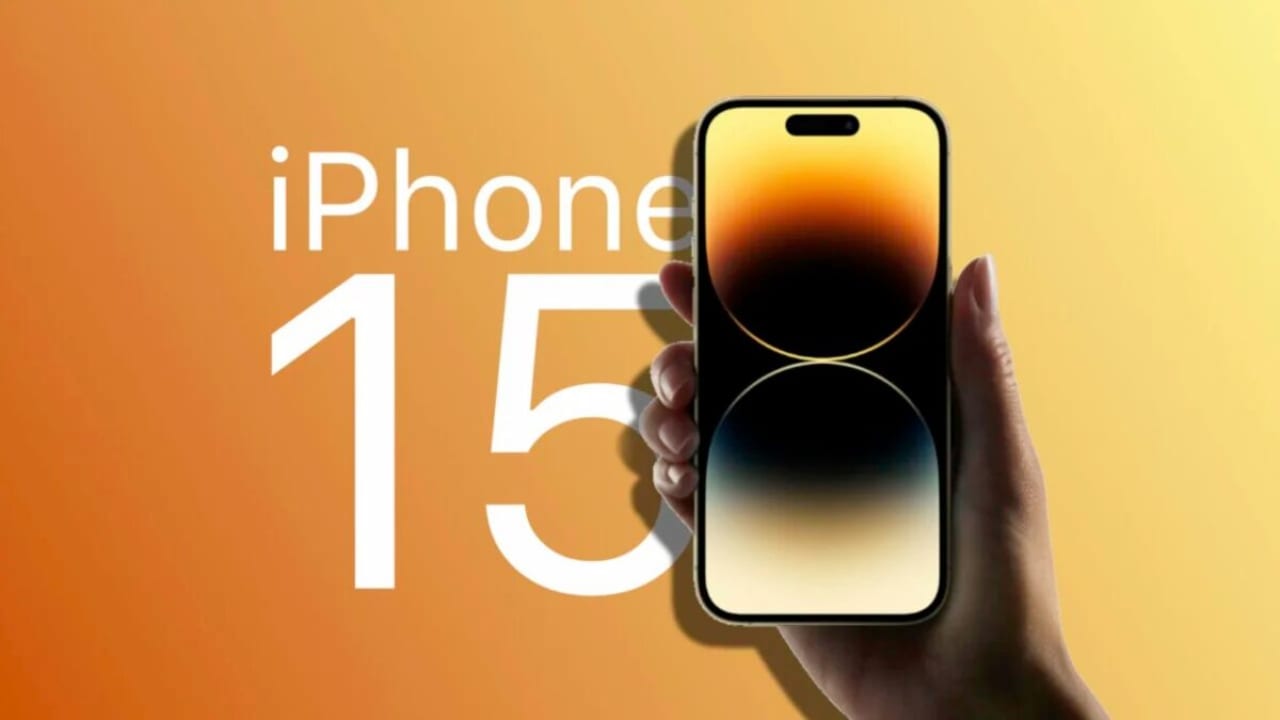
The global smartphone market is currently witnessing a pivotal shift in cellular connectivity as reports and industry analysts indicate that Apple is poised to expand its eSIM-only architecture to the iPhone 15 lineup. Following the precedent set by the United States version of the iPhone 14 in 2022, which shipped without a physical SIM tray, the upcoming flagship series is expected to broaden this digital-first approach to international markets. This transition represents one of the most significant changes to the iPhone’s external hardware and internal logic since the removal of the headphone jack, signaling a long-term industry trend toward a portless and more secure mobile ecosystem.
The Evolution of Cellular Identity: From Physical to Embedded
To understand the implications of the iPhone 15’s rumored design, it is essential to define the technology at its core. An eSIM, or embedded SIM, is a specialized hardware component—a programmable universal integrated circuit card (eUICC)—soldered directly onto the device’s motherboard during the manufacturing process. Unlike the traditional plastic nano-SIM card, which requires a physical slot and manual handling, the eSIM is entirely digital.
The evolution of the Subscriber Identity Module (SIM) has been a decades-long journey of miniaturization. Starting with the "Full-size" SIM (the size of a credit card) in 1991, the industry moved to the Mini-SIM, Micro-SIM, and eventually the Nano-SIM in 2012. Apple has consistently led these transitions, often being the first to adopt smaller standards to reclaim internal device space. The move to eSIM-only is the logical conclusion of this trajectory, removing the physical medium entirely in favor of over-the-air (OTA) provisioning.
Chronology of Apple’s eSIM Integration
Apple’s transition to eSIM technology has been methodical rather than instantaneous. The timeline below illustrates the strategic steps taken by the Cupertino-based tech giant to prepare the global market for a physical SIM-free future:
- 2018: Apple introduces the iPhone XS, XS Max, and XR, the first models to feature Dual SIM capabilities through a combination of a physical nano-SIM and an eSIM.
- 2021: The iPhone 13 series introduces Dual eSIM support, allowing users to activate two cellular plans simultaneously without using the physical slot.
- 2022: Apple removes the physical SIM tray entirely from all iPhone 14 models sold in the United States, forcing a transition to eSIM for millions of consumers.
- 2023: Rumors and supply chain reports, led by analysts such as Ming-Chi Kuo, suggest that the iPhone 15 Pro and iPhone 15 Pro Max will see an eSIM-only expansion into European markets, specifically France, which often serves as a logistical hub for broader EU distribution.
Technical Advantages: Why Apple is Abandoning the SIM Tray
The decision to remove the SIM tray is not merely an aesthetic choice; it is a strategic engineering move that offers several tangible benefits for device performance and longevity.
Reclaiming Internal Real Estate
In the world of smartphone engineering, every square millimeter of internal space is high-value real estate. By eliminating the SIM card slot and its associated reading mechanism, Apple engineers can reclaim a significant amount of space on the logic board. This volume can be repurposed for larger battery capacities, more advanced haptic engines, or additional sensors for augmented reality (AR) and photography. As devices become more complex, the removal of legacy mechanical components becomes a necessity.
Enhancing Structural Integrity and Durability
Every opening in a smartphone’s chassis represents a potential point of failure. The SIM tray requires a cutout in the frame and a rubber-gasketed mechanism to maintain water and dust resistance. By removing this port, the iPhone 15 can achieve a more seamless "unibody" construction. This reduction in physical apertures inherently improves the device’s IP (Ingress Protection) rating, making it more resilient against liquid immersion and fine particulate matter.
Advanced Security Protocols
Physical SIM cards are a known vulnerability in mobile security. "SIM swapping" attacks, where a bad actor steals a physical card or convinces a carrier to port a number to a new card, can be used to bypass two-factor authentication (2FA) on sensitive accounts. eSIMs are significantly more difficult to compromise. Because the profile is stored in the device’s secure element, it cannot be physically removed by a thief. If an iPhone is stolen, the perpetrator cannot simply discard the SIM card to prevent the device from being tracked via the "Find My" network; the digital profile remains active and connected.
Market Readiness and Carrier Adoption Data
The success of an eSIM-only iPhone 15 depends heavily on the infrastructure of global telecommunications providers. According to data from GSMA Intelligence, the number of mobile operators supporting eSIM services has grown by over 300% since 2018. As of late 2022, more than 260 carriers in 88 countries offered commercial eSIM services for smartphones.
In the United States, the "Big Three"—Verizon, AT&T, and T-Mobile—have fully optimized their activation flows for eSIM. However, the transition has been slower in emerging markets. In regions such as Southeast Asia, Africa, and parts of Latin America, physical SIM cards remain the dominant method for prepaid plan distribution. Analysts suggest that Apple may maintain a dual-approach for the iPhone 15, offering eSIM-only models in highly developed markets while retaining the SIM slot in regions where carrier infrastructure lags behind.
Challenges and Consumer Friction
Despite the technical benefits, the shift to an eSIM-only design is not without controversy. Several key drawbacks remain that Apple and its partner carriers must address to ensure a smooth transition.
International Roaming and Travel
One of the primary concerns for frequent international travelers is the ease of purchasing a local SIM card upon arrival in a new country. In many airports, travelers can buy a cheap plastic SIM and have immediate data access. While eSIM "travel apps" like Airalo and Holafly have gained popularity, they often provide data-only plans without a local phone number. For users who require a local voice line for business or government services abroad, the lack of a physical slot can complicate the process if the local carrier does not have an automated eSIM portal for tourists.
Secondary Market and Resale Value
The used smartphone market is a multi-billion dollar industry. A physical SIM slot makes a device "universally" compatible in the eyes of many resellers. There is a perceived risk that an eSIM-only iPhone may be harder to sell in countries where eSIM adoption is low. Furthermore, the process of "wiping" a device for resale must now include the explicit deletion of the eSIM profile to ensure the new owner can activate their own service without interference from the previous account.
Carrier Control and Lock-in
Some consumer advocacy groups have expressed concern that eSIM technology gives carriers more control over the device. With a physical SIM, moving a service from one phone to another is as simple as moving a piece of plastic. With eSIM, the process often requires an internet connection and, in some cases, carrier approval or the scanning of a unique QR code. While Apple has introduced an "eSIM Quick Transfer" feature in iOS that uses Bluetooth to move profiles between iPhones, this feature is not yet supported by all carriers globally.
Impact on MVNOs and Smaller Providers
The transition to eSIM-only could disrupt the business models of Mobile Virtual Network Operators (MVNOs). These smaller providers often rely on mailing physical SIM cards to customers to keep overhead costs low. Developing the digital infrastructure required to support instant eSIM activation involves significant capital expenditure. However, industry experts argue that in the long run, eSIM will actually benefit MVNOs by removing the costs associated with manufacturing and shipping physical plastic cards, allowing for near-instantaneous customer onboarding.
Expert Analysis: The Path to a Portless iPhone
Industry analysts view the iPhone 15’s eSIM-only rumors as a precursor to a "portless" iPhone. Apple has a history of removing legacy technologies to force innovation: the floppy drive in the original iMac, the optical drive in the MacBook Air, and the 3.5mm jack in the iPhone 7. By moving to eSIM, Apple is removing one of the last remaining mechanical "holes" in the device.
"The SIM tray is a relic of 1990s telecommunications," says tech analyst Jan Stryjak of Counterpoint Research. "Moving to eSIM is not just about space; it’s about digital transformation. It allows for a more fluid user experience where you can switch plans as easily as you switch Wi-Fi networks."
Conclusion and Future Outlook
The rumored transition of the iPhone 15 Pro models to an eSIM-only design marks a definitive end to the era of physical subscriber modules in the premium smartphone segment. While the shift may cause initial friction for international travelers and users in regions with developing infrastructure, the long-term benefits of enhanced security, improved water resistance, and streamlined device design are compelling.
As Apple prepares for its annual September launch event, the focus will remain on how the company addresses the global carrier landscape. If the iPhone 14’s US launch served as a successful pilot program, the iPhone 15 will likely be the catalyst that forces the rest of the global telecommunications industry to finalize their digital infrastructure. The era of the plastic SIM card is drawing to a close, replaced by a more secure, flexible, and integrated digital identity.
