
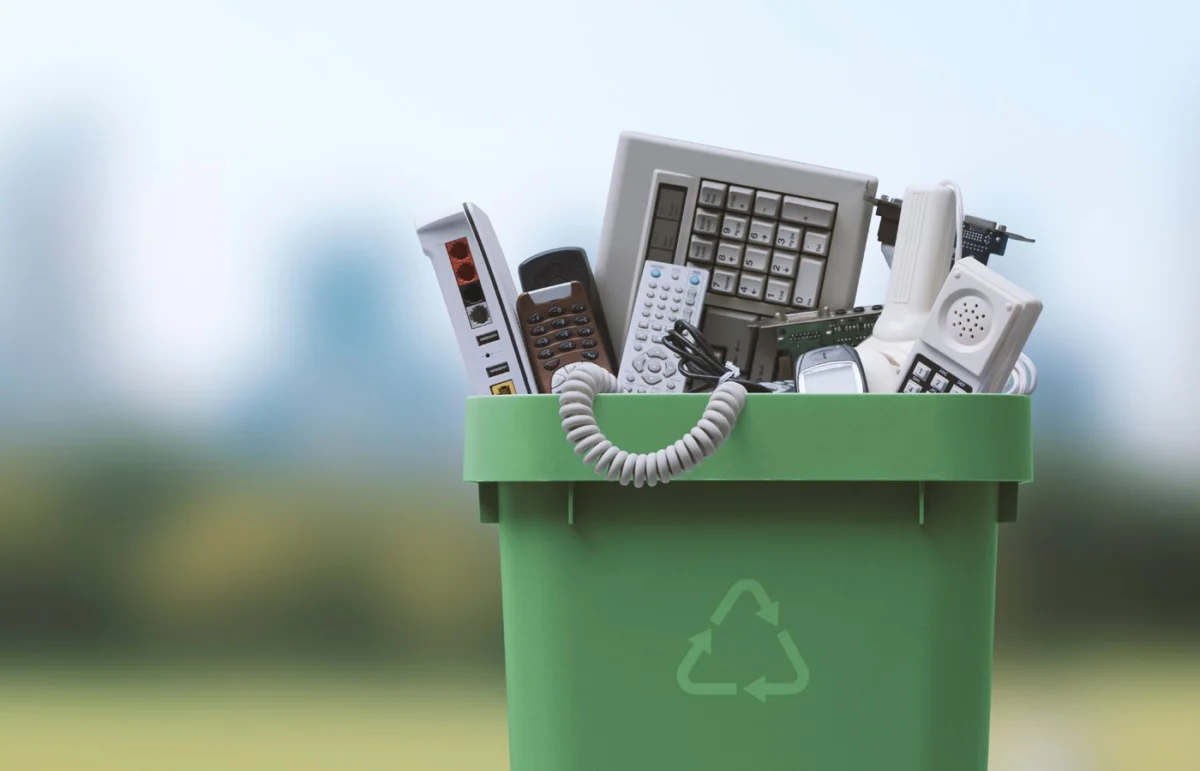

Electronic waste, or e-waste, a ubiquitous byproduct of our increasingly digital lives, represents a complex and escalating global challenge. From the smartphones in our pockets to the refrigerators in our kitchens, discarded electronic devices encompass a vast spectrum of items, each carrying both valuable resources and significant environmental and health risks. As technology continues its relentless march forward, the obsolescence of these devices accelerates, creating one of the fastest-growing waste streams on the planet. This burgeoning issue is at the forefront of Green IT initiatives worldwide, demanding a comprehensive and multi-faceted approach to management and recycling.
The inherent duality of e-waste lies in its composition. On one hand, these discarded electronics are a treasure trove of valuable materials, including precious metals like gold and copper, alongside critical elements essential for modern manufacturing. When processed responsibly, these materials can be recovered and reintroduced into the supply chain, fostering a more sustainable model of resource utilization. However, the flip side of this equation is far more concerning. E-waste also contains a cocktail of hazardous substances, such as lead, mercury, and cadmium, which, if mishandled, can leach into soil and water, contaminating ecosystems and posing severe threats to human health.
The sheer scale of the e-waste problem is staggering. In 2019 alone, an estimated 53.6 million metric tons of e-waste were generated globally, according to the World Health Organization. alarmingly, only 17.4% of this colossal amount was officially collected and recycled. This stark statistic underscores a critical gap between generation and responsible disposal, highlighting the immense challenge that lies ahead in establishing effective and sustainable e-waste management systems on a global scale. The rapid pace of technological innovation, coupled with shrinking product lifecycles and a pervasive "throwaway culture," has fueled an unprecedented accumulation of discarded electronics, making e-waste a primary concern for environmentalists and policymakers alike.
Understanding the Scope: Types of E-Waste
The term "e-waste" is a broad umbrella covering a diverse array of discarded electronic and electrical devices. These can be broadly categorized into several key types:
- Information Technology (IT) and Communications Equipment: This category includes computers, laptops, monitors, keyboards, mice, printers, scanners, and mobile phones. The rapid upgrade cycles in the IT sector contribute significantly to the volume of this type of e-waste.
- Consumer Electronics: This encompasses a wide range of entertainment and household electronic devices such as televisions, DVD players, video game consoles, cameras, and audio equipment. The constant desire for newer, more advanced models drives the disposal of these items.
- Large Household Appliances: Refrigerators, freezers, washing machines, dryers, dishwashers, and ovens fall into this category. While generally having longer lifespans than smaller electronics, their eventual disposal still presents a significant waste challenge, particularly due to their size and the refrigerants they may contain.
- Small Household Appliances: This includes items like toasters, vacuum cleaners, electric kettles, hair dryers, and electric shavers. Their smaller size can sometimes lead to them being overlooked in recycling efforts.
- Lighting Equipment: Fluorescent lamps and LED bulbs, while seemingly innocuous, can contain hazardous materials like mercury and require specialized disposal.
- Electrical and Electronic Tools: Power drills, saws, soldering irons, and other electrically powered tools contribute to the e-waste stream when they reach the end of their operational life.
- Toys, Leisure, and Sports Equipment: Battery-powered toys, electronic sports equipment, and similar items also contribute to the growing volume of e-waste.
- Medical Devices: While often subject to specific regulations due to hygiene and hazardous material concerns, discarded medical equipment, such as diagnostic machines and monitoring systems, also constitutes a form of e-waste.
The Environmental and Health Repercussions of Improper E-Waste Disposal
The improper disposal and inadequate treatment of e-waste unleash a cascade of detrimental environmental and health impacts, posing a grave threat to both ecosystems and human well-being.
- Environmental Contamination: Hazardous materials such as lead, mercury, cadmium, and brominated flame retardants, when leached from discarded electronics into landfills, contaminate soil and groundwater. This contamination can persist for decades, harming plant and animal life and potentially entering the human food chain. Mercury, for instance, is a potent neurotoxin that can bioaccumulate in fish, posing a significant risk to human health when consumed.
- Air Pollution: Informal recycling practices, often prevalent in developing nations, involve crude methods like burning circuit boards to extract precious metals. This process releases toxic fumes, including dioxins and furans, into the atmosphere, contributing to air pollution and causing respiratory illnesses and other health problems for nearby communities.
- Water Pollution: Improperly managed e-waste sites can lead to the runoff of hazardous chemicals into rivers, lakes, and oceans, endangering aquatic life and compromising sources of drinking water.
- Resource Depletion: The continuous extraction of raw materials for new electronic devices contributes to resource depletion and environmental degradation. Conversely, the failure to recycle valuable metals from e-waste means these finite resources are lost, necessitating further environmentally damaging mining operations.
- Health Risks to Workers: Individuals involved in the informal dismantling and processing of e-waste, often without adequate protective gear, are exposed to a range of health hazards. These include respiratory problems, skin conditions, neurological damage, and an increased risk of certain cancers. Pregnant women and children are particularly vulnerable to the toxic effects of lead and other heavy metals.
Navigating the Maze: E-Waste Management and Recycling
Effective e-waste management and recycling are not merely desirable; they are imperative for mitigating the profound environmental and health risks associated with this growing waste stream. While established processes and methodologies exist, their widespread and efficient implementation is hampered by persistent challenges.
The Mechanics of E-Waste Recycling: A Step-by-Step Overview
Although recycling and processing methods can vary depending on the specific type of e-waste and the technology employed, most processes generally follow these fundamental stages:
- Collection and Sorting: E-waste is collected from various sources, including household collection points, retail take-back programs, and industrial waste streams. Upon arrival at a recycling facility, it undergoes initial sorting to separate different types of electronics and to remove non-electronic waste.
- Dismantling: Trained technicians manually dismantle the electronics to separate components. This stage is crucial for recovering valuable materials and for isolating hazardous substances, such as batteries containing heavy metals or mercury switches.
- Shredding and Mechanical Separation: After dismantling, the remaining materials are often shredded into smaller pieces. This is followed by various mechanical separation techniques, such as magnetic separation (to recover ferrous metals), eddy current separation (to recover non-ferrous metals like aluminum and copper), and screening (to separate materials by size).
- Material Recovery: Precious metals like gold, silver, and palladium are typically recovered through more advanced processes, which can include smelting, refining, and chemical treatments. Plastics are often granulated for reuse, and glass from screens may be processed for use in other industries.
- Hazardous Waste Treatment: Components containing hazardous materials, such as batteries, capacitors, and CRT glass, are treated separately using specialized techniques to neutralize or safely contain the hazardous substances, preventing them from polluting the environment.
- Data Destruction: For devices containing sensitive information, secure data destruction processes are implemented to ensure that personal or corporate data is irretrievably erased before the device is recycled.
Hurdles in the Path: Challenges in E-Waste Management
Despite the existence of sophisticated recycling processes, numerous obstacles complicate the journey toward effective e-waste management:
- Lack of Infrastructure and Investment: Many regions, particularly in developing countries, lack the necessary infrastructure, technology, and financial investment to implement comprehensive e-waste recycling programs. This often leads to informal, unregulated recycling practices that pose significant environmental and health risks.
- Low Collection Rates: A significant challenge is achieving high collection rates for e-waste. Consumers may not be aware of proper disposal methods, or convenient collection points may be scarce. The sheer volume of discarded electronics also overwhelms existing collection systems.
- Complex Composition of E-Waste: The intricate mix of materials in electronic devices, including valuable metals and hazardous substances, makes separation and recovery a technically demanding and costly process.
- Economic Viability: The profitability of e-waste recycling can be inconsistent, influenced by fluctuating commodity prices for recovered materials. This economic uncertainty can deter investment in advanced recycling technologies and infrastructure.
- Illegal Export of E-Waste: A significant portion of e-waste generated in developed countries is illegally exported to developing nations, where it is often processed using primitive and hazardous methods. This practice undermines global efforts to manage e-waste responsibly.
- Consumer Awareness and Behavior: A lack of consumer awareness regarding the importance of e-waste recycling and the environmental impact of improper disposal contributes to the problem. Encouraging consumers to participate actively in recycling programs remains a significant challenge.
- Fragmented Regulatory Frameworks: Inconsistent and often weak regulatory frameworks across different jurisdictions can create loopholes and hinder the development of a cohesive global strategy for e-waste management.
The Multifaceted Landscape: Sectors Influencing E-Waste Management
E-waste management is not a monolithic issue; it is influenced by a diverse array of sectors, each playing a distinct role in the lifecycle and handling of electronic waste.
Corporate Stewardship: The Weight of Corporate Responsibility on E-Waste Management
The corporate world, as the primary designer, manufacturer, and marketer of electronic products, bears a profound responsibility in addressing the e-waste crisis. Recognizing this, various initiatives have been proposed and implemented to encourage greater corporate accountability.
- Extended Producer Responsibility (EPR): EPR schemes place the onus on manufacturers and importers to manage the end-of-life phase of their products. This often involves financing and organizing collection and recycling programs, incentivizing companies to design products that are more durable, repairable, and recyclable.
- Product Design for Sustainability: Leading technology companies are increasingly adopting "Design for Environment" (DfE) principles. This involves minimizing the use of hazardous materials, designing for easier disassembly, and utilizing recycled content in new products. Companies like Apple and Samsung have made commitments to increase the use of recycled materials in their devices.
- Take-Back Programs and Partnerships: Many electronics manufacturers and retailers offer take-back programs, allowing consumers to return old devices for recycling. These programs are often run in partnership with certified e-waste recyclers to ensure responsible processing.
- Transparency and Reporting: There is a growing demand for greater transparency in the supply chain and in the environmental impact of electronic products. Companies are increasingly reporting on their e-waste management efforts and their progress towards sustainability goals.
- Investment in Recycling Innovation: Some corporations are investing in research and development for advanced recycling technologies, aiming to improve the efficiency and environmental performance of e-waste processing.
The Consumer’s Crucial Role in E-Waste Management
The effective management of e-waste is a shared responsibility, and the actions and choices of consumers are paramount.
- Responsible Disposal: Consumers play a vital role by ensuring that their old electronics are not simply discarded in general waste. Seeking out designated e-waste collection points, participating in manufacturer take-back programs, or utilizing municipal recycling services are critical steps.
- Prioritizing Repair and Refurbishment: Before discarding an electronic device, consumers should consider whether it can be repaired or refurbished. This extends the product’s lifespan and reduces the demand for new manufacturing.
- Purchasing Durable and Repairable Products: Consumers can influence the market by choosing products that are known for their durability and ease of repair. This sends a clear signal to manufacturers about consumer preferences.
- Supporting Sustainable Brands: Researching and supporting brands that demonstrate a commitment to environmental responsibility and sustainable practices can encourage more companies to adopt greener approaches.
- Awareness and Advocacy: Educating themselves and others about the issue of e-waste and advocating for better policies and practices can contribute to broader societal change.
The Legal Framework: Policies and Legislation on E-Waste
The management of e-waste is increasingly governed by a complex web of policies and legislation at international, regional, and national levels. These regulations are crucial for shaping how e-waste is collected, processed, and recycled, ultimately aiming to protect the environment and public health.
Global Cooperation: International Frameworks and Agreements
International frameworks and agreements are pivotal in establishing standardized guidelines and fostering cooperation across nations, especially given the transboundary nature of e-waste.
- The Basel Convention on the Control of Transboundary Movements of Hazardous Wastes and Their Disposal: This landmark international treaty, adopted in 1989, aims to protect human health and the environment from the adverse effects of hazardous wastes. It strictly controls the transboundary movement of hazardous wastes, including e-waste, and requires prior informed consent from importing countries. Amendments to the convention have specifically targeted the control of hazardous e-waste.
- The WEEE Directive (Waste Electrical and Electronic Equipment): While a regional directive within the European Union, the WEEE Directive has had significant global influence. It sets collection and recycling targets for member states and promotes the environmentally sound management of e-waste, influencing legislation in other countries.
- United Nations Environment Programme (UNEP) Initiatives: UNEP plays a significant role in raising awareness, conducting research, and facilitating international cooperation on e-waste management, often through partnerships with governments and industry stakeholders.
National and Regional Safeguards: Regional and National Legislation
The battle against e-waste necessitates robust regional and national legislative frameworks. Numerous laws and directives have been implemented to address the multifaceted challenges of e-waste management.
- European Union (EU) WEEE Directive: This directive is a cornerstone of e-waste management in Europe, requiring member states to establish collection systems and achieve specific recycling and recovery targets. It also mandates the phasing out of hazardous substances in electrical and electronic equipment.
- United States E-Waste Legislation: In the U.S., e-waste legislation is primarily enacted at the state level. Many states have implemented Extended Producer Responsibility (EPR) laws, requiring manufacturers to fund and manage the collection and recycling of their products. California, for example, has comprehensive legislation addressing e-waste.
- China’s Measures for the Administration of the Recycling and Reuse of Waste Electrical and Electronic Products: China, a major producer and consumer of electronics, has implemented regulations to manage its growing e-waste problem, focusing on formalizing the recycling industry and addressing environmental concerns.
- India’s E-Waste (Management and Handling) Rules: India has established rules for the collection, segregation, and environmentally sound management of e-waste, with a focus on producer responsibility and the development of authorized recycling facilities.
- Canada’s Electronic Products Stewardship Programs: Canada has a decentralized approach with provincial and territorial stewardship programs that aim to collect and recycle e-waste, often funded by manufacturers and retailers.
Glimpses of Tomorrow: Future Innovations in E-Waste Handling
As the volume of electronic waste continues its inexorable rise, the future of e-waste handling hinges on innovative solutions and forward-thinking strategies. Emerging trends and technological advancements are poised to reshape how we manage this critical global challenge.
Harnessing Technology: Advanced Recycling Technologies
The pursuit of more efficient and environmentally friendly recycling methods is driving significant technological innovation.
- AI-Powered Sorting and Robotics: Artificial intelligence and robotics are revolutionizing e-waste sorting. AI-driven systems can identify and categorize different types of electronic components with remarkable accuracy, while robotic arms can perform delicate dismantling tasks, increasing efficiency and reducing human exposure to hazardous materials.
- Advanced Spectrometry and Material Identification: Techniques like X-ray fluorescence (XRF) and other forms of spectrometry allow for rapid and precise identification of materials within e-waste. This enables more targeted and effective separation processes, maximizing the recovery of valuable resources.
- Bioleaching and Bioremediation: Emerging biological processes, such as bioleaching, utilize microorganisms to extract valuable metals from e-waste. These methods offer a potentially greener and more sustainable alternative to traditional chemical and smelting processes.
- 3D Printing with Recycled Materials: Innovations in 3D printing are enabling the use of recycled plastics and metals derived from e-waste to create new products, further closing the loop in the material lifecycle.
Designing for Longevity: Design for Environment (DfE)
A fundamental shift in product design is essential to stem the tide of e-waste at its source.
- Modular Design and Repairability: The concept of modular design, where components of an electronic device can be easily replaced or upgraded, is gaining traction. This approach, exemplified by initiatives like Fairphone, significantly extends product lifespans and reduces the need for complete device replacement.
- Use of Sustainable and Recycled Materials: Manufacturers are increasingly exploring the use of more sustainable materials, including recycled plastics and metals, in their products. This reduces reliance on virgin resources and diverts waste from landfills.
- Minimizing Hazardous Substances: Continued efforts to eliminate or reduce the use of hazardous substances, such as lead and certain flame retardants, in electronic components will simplify recycling processes and minimize environmental risks.
- Software and Firmware Updates for Longevity: Providing long-term software and firmware support for electronic devices can help maintain their functionality and relevance for longer periods, delaying obsolescence.
Embracing Sustainability: Circular Economy Models
The transition from a linear "take-make-dispose" economy to a circular economy is paramount for sustainable e-waste management.
- Product-as-a-Service (PaaS): Models where consumers pay for the use of a product rather than its ownership are incentivizing manufacturers to design for durability, repairability, and recyclability. This ensures that the manufacturer retains responsibility for the product’s end-of-life management.
- Refurbishment and Resale Markets: The growth of markets for refurbished electronics provides consumers with more affordable options and extends the useful life of devices, diverting them from the waste stream.
- Closed-Loop Recycling Systems: Establishing closed-loop systems where materials recovered from e-waste are directly fed back into the manufacturing of new electronic products creates a truly circular economy for electronics.
- Digital Product Passports: The development of digital product passports, which detail the materials, components, and repair history of a device, can facilitate more efficient and effective recycling and refurbishment processes.
The Bottom Line: A Cleaner Future Hinges on Proactive E-Waste Management
Effective e-waste management is not a responsibility that can be delegated to a single entity; it is a collective endeavor demanding the concerted efforts of governments, industries, and consumers. The integration of innovative recycling technologies, the adoption of sustainable product designs, and the implementation of robust policies are fundamental steps toward mitigating the profound environmental and health impacts of electronic waste.
As we look toward the future, it is evident that the path to a cleaner planet is inextricably linked to our ability to adapt and evolve our e-waste handling methods. Embracing new technologies, actively participating in responsible recycling practices, and staying informed about the environmental footprint of our electronic consumption are vital actions for all stakeholders. Businesses, in particular, hold a powerful position to drive change through their manufacturing choices and their commitment to responsible end-of-life management of their products.
Beyond recycling, organizations can significantly reduce their carbon footprint and operational costs by enhancing the energy efficiency of their data centers and server rooms. Investing in optimized power consumption solutions and adopting greener IT practices are crucial components of a comprehensive sustainability strategy, complementing the vital efforts in e-waste management.
