


A recent customer experience with Spanish telecommunications giant Movistar has brought into sharp focus the prevalent, albeit often opaque, practice of "portability threats" (amago de portabilidad), through which consumers can significantly reduce their monthly bills by initiating a transfer to a competitor. This strategy, effectively a negotiation tactic, allowed one long-standing Movistar client to slash their monthly tariff from €79 to €32.50, a substantial 58% reduction, without sacrificing contracted services. The incident highlights a deeply entrenched system within major operators designed to retain "important" customers, raising questions about pricing fairness, market transparency, and the underlying profitability of standard tariffs.
The Genesis of a Negotiation Tactic: Understanding the "Amago de Portabilidad"
The "amago de portabilidad" translates literally to "portability feint" or "portability threat." It is a well-known consumer strategy in Spain and other competitive telecom markets where customers initiate a porting process to another operator, not necessarily with the intention of completing the switch, but to trigger a retention offer from their current provider. This tactic thrives on the premise that acquiring a new customer is generally more expensive for an operator than retaining an existing one, especially those with multi-product bundles (fiber, multiple mobile lines, TV services). The costs associated with marketing, sales, installation, and potential subsidies for new equipment often outweigh the immediate revenue loss from a discounted tariff for an established client.
The practice gained prominence with the liberalization of the telecommunications market and the introduction of number portability, which significantly lowered the barriers for consumers to switch providers. As competition intensified, particularly with the rise of virtual mobile operators (OMVs) offering aggressive pricing, incumbent operators like Movistar, Orange, and Vodafone developed sophisticated retention departments and a parallel set of "shadow tariffs" or promotional offers exclusively available to customers threatening to leave. These offers are typically far more attractive than those publicly advertised, creating a two-tiered pricing system that rewards negotiation rather than loyalty.
A Personal Odyssey Through Spain’s Telecom Landscape
The individual case in question offers a compelling narrative of this dynamic. The customer, whose journey through Spain’s evolving internet landscape began with iconic ADSL providers like Wanadoo (a precursor to today’s Orange España), has experienced a comprehensive spectrum of telecom services. This extensive history includes migrating through various companies, technologies, and pricing structures, reflecting the broader evolution of digital connectivity in the country. From early ADSL days, witnessing the foundational infrastructure development, to the current era of ultra-fast fiber optics, the consumer has maintained a consistent engagement with the market’s leading players.

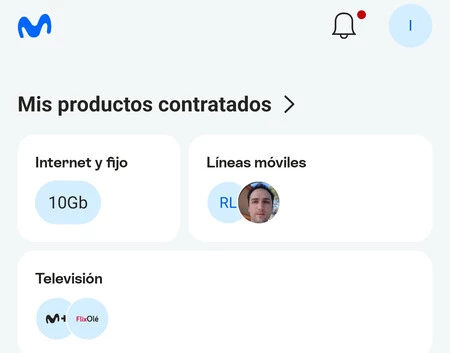
Following Movistar’s installation of fiber optic infrastructure in their residential area, the customer had been a loyal subscriber, transitioning between Movistar and its lower-cost brand, O2. This relationship continued until a recent upgrade to Movistar’s cutting-edge 10 Gbps fiber service. However, a misstep in negotiation during this upgrade led to an unexpectedly high monthly bill of €79 under the "miMovistar Max" plan. This substantial increase prompted the customer to explore alternatives, considering another major operator, Orange, and, critically, pondering the efficacy of the long-standing "amago de portabilidad" tactic in the current market environment. The decision to test this strategy was not driven by a strong desire to switch, but by a pragmatic assessment of potential savings.
The Swift and Streamlined Process of Retention
The execution of the "amago de portabilidad" proved to be remarkably swift and efficient, underscoring the well-oiled machinery behind major operators’ retention strategies. The process commenced on a Monday morning with the customer initiating a mobile line portability request through Orange’s website. Within an hour of this initial step, Movistar’s dedicated retention team was already in contact. The immediacy of this response highlights sophisticated internal tracking systems designed to flag potential churn risks almost instantaneously.
Despite the customer’s initial attempts to postpone the conversation due to work commitments, the persistent calls from Movistar underscored the urgency with which operators treat potential customer departures. When the customer finally engaged with Movistar’s retention department later that day, the negotiation was surprisingly brief. In less than five minutes, and without extensive haggling or detailed explanations beyond the simple fact of seeking a cheaper alternative, the monthly bill was successfully reduced from €79 to a mere €32.50. This represented an extraordinary 58% saving, achieved by merely expressing an intent to switch. The customer explicitly stated a disinterest in premium add-ons like football packages, simplifying the negotiation to core services and price.
Upon accepting Movistar’s highly attractive counter-offer, the customer was promptly provided with Orange’s cancellation contact number. The expectation of a protracted effort by Orange to retain the impending port was also quickly dispelled. A robotic voice prompt, requiring only DNI (national identification document) confirmation and a verbal agreement to cancel the portability, concluded the entire process in under a minute. The seamless, almost automated nature of both the retention offer and the cancellation of the porting request speaks volumes about the established infrastructure dedicated to managing these scenarios.
The "Shadow Economy" of Telecom Tariffs
This experience lays bare what can be described as a "shadow economy" of telecom tariffs. Publicly advertised prices, often complex and bundled, represent only one facet of an operator’s pricing strategy. Beneath this visible layer lies a robust portfolio of aggressive retention offers, deployed selectively to prevent high-value customers from defecting. These offers are not transparently published, creating a significant information asymmetry between operators and their customer base.
The existence of such a sophisticated and automated retention process points to a substantial investment in resources by major operators. This infrastructure is not only designed to facilitate client retention but also to minimize the operational cost of handling portability threats, particularly from customers who may not genuinely intend to switch but are merely leveraging the system for better deals. The ease and speed with which the discount was applied, reducing the bill by over half, strongly suggest that the initial €79 tariff incorporated a considerable profit margin. If operators can sustain profitability at €32.50 for the same services, it implies a significant overcharging of loyal customers who do not engage in the "amago" tactic.
Market Dynamics and the Role of OMVs
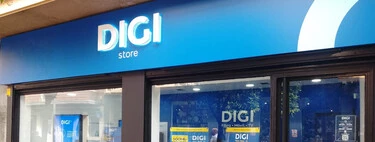
The Spanish telecommunications market is highly competitive, characterized by the presence of three major network operators—Telefónica (Movistar), Orange, and Vodafone—alongside a growing number of virtual mobile operators (OMVs) and convergent operators like MásMóvil Group (which now includes Yoigo and other brands, and is undergoing a merger with Orange). The emergence and rapid expansion of OMVs such as Digi, O2 (Telefónica’s low-cost brand), and various MásMóvil entities have been instrumental in driving down prices and increasing competitive pressure.
These smaller, more agile players often operate with lower overheads and focus on aggressive pricing, particularly for mobile and fiber-only packages. This has forced the larger incumbents to react, leading to the creation of "anti-Digi" tariffs and other defensive strategies aimed at stemming customer outflow. The threat of customers moving to these cheaper alternatives is precisely what empowers the "amago de portabilidad." Consumers, armed with knowledge of these lower-cost options, can exert pressure on their current providers.
Spain’s regulatory body, the Comisión Nacional de los Mercados y la Competencia (CNMC), has actively promoted competition and number portability to benefit consumers. These regulatory efforts, combined with substantial investments in fiber optic infrastructure across the country, have created an environment where customers have genuine choices, making retention a critical battleground for operators. The shift from legacy ADSL services to widespread fiber coverage, a technological leap that the customer in this article experienced firsthand, has further intensified this competition by enabling high-speed, reliable services to be widely available.
Ethical Implications and Consumer Empowerment
The prevalence and effectiveness of the "amago de portabilidad" raise significant ethical questions for the telecommunications industry. The most glaring issue is the apparent "loyalty penalty," where long-standing, non-negotiating customers effectively subsidize the discounts offered to those who threaten to leave. This practice can erode customer trust and foster a sense of unfairness, as loyal patrons realize they are paying a premium for simply not engaging in confrontational negotiation.
From an economic perspective, this behavior can be seen as a form of price discrimination, where operators charge different prices for the same service based on a customer’s perceived elasticity of demand (i.e., how likely they are to switch due to price). While common in many industries, the lack of transparency in telecom pricing, where the best deals are hidden behind a retention firewall, fuels consumer frustration.
However, the "amago" also represents a form of consumer empowerment. In a market often perceived as complex and dominated by large corporations, this tactic provides individuals with a tangible mechanism to influence their service costs. It transforms passive consumption into active negotiation, compelling operators to demonstrate the value of retaining their customer base. The ease and success rate of this maneuver indicate that a significant portion of the consumer base is aware of and willing to use this leverage.
Broader Impact and Future Outlook
The continued reliance on "portability threats" as a primary mechanism for securing competitive tariffs has several broader implications for the telecom sector. It places ongoing pressure on operators’ average revenue per user (ARPU) and profit margins, as a substantial portion of their customer base may be paying significantly reduced rates. This could, in the long term, impact investment in network infrastructure or the quality of customer service, though major operators generally prioritize these to maintain their premium positioning.
Furthermore, this practice perpetuates a market dynamic where published prices are less relevant than negotiated ones, potentially leading to a race to the bottom in perceived value for money. For operators, the challenge lies in balancing the need to retain valuable customers with the desire to maintain profitable pricing structures and foster genuine brand loyalty. A shift towards more transparent, equitable pricing models, where attractive offers are available to all customers, regardless of their negotiation tactics, could foster greater trust and reduce churn proactively.
As for the individual customer, the successful reduction of their bill by 58% without losing any services reinforces the effectiveness of the "amago de portabilidad." The ease and establishment of the process suggest it remains a viable strategy for consumers to manage their telecom expenses. The customer’s reflection that they might repeat the process in twelve months, once the current promotional period ends, underscores the cyclical nature of this retention game. Ultimately, as long as operators maintain a significant margin between their public and retention tariffs, and the process of switching remains straightforward, the "amago de portabilidad" will likely continue to be a potent tool in the consumer’s arsenal within the highly competitive Spanish telecommunications market. The episode serves as a clear reminder that in the absence of full pricing transparency, vigilance and strategic action remain key for consumers seeking fair value.
