
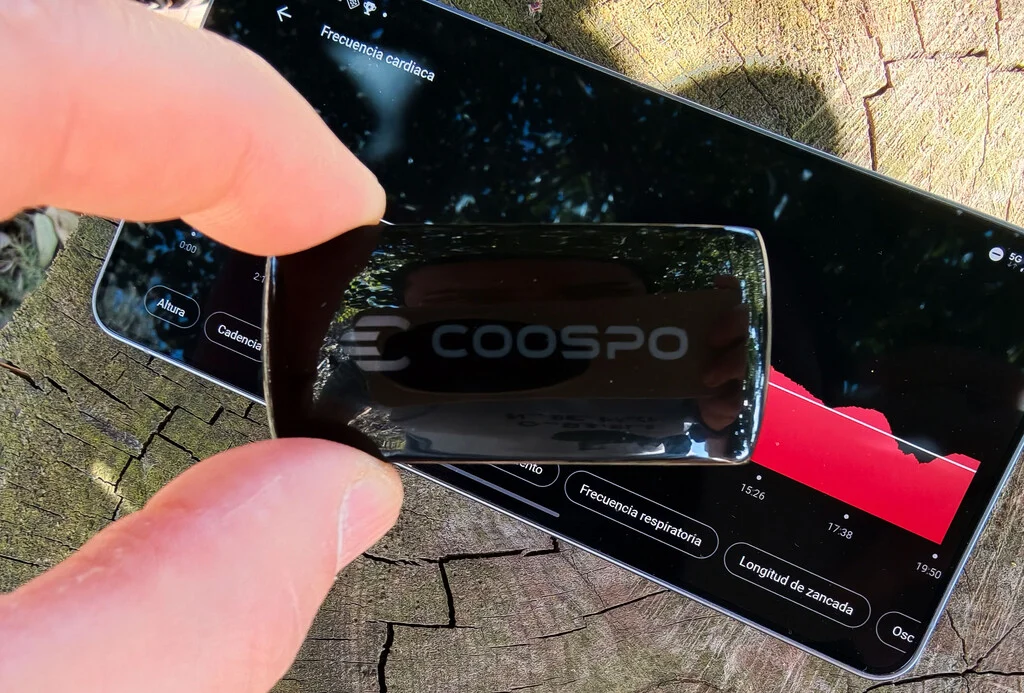

The meticulous tracking of heart rate during physical exertion has evolved from a niche practice among elite athletes to an essential component of training regimens for a growing number of amateur sports enthusiasts. Understanding one’s cardiac rhythm provides invaluable insights into exertion levels, optimal training zones, and, crucially, recovery metrics. Historically, many amateur athletes relied on the convenience of optical sensors integrated into smartwatches, yet a discernible trend indicates a shift towards more specialized and precise instruments, such as chest-strap heart rate monitors. This transition is often driven by a desire for data fidelity that surpasses the capabilities of wrist-based devices, particularly for nuanced metrics like heart rate variability (HRV) and rapid changes during high-intensity interval training (HIIT). While established brands like Garmin and Polar have dominated the market for professional-grade heart rate monitoring, a recent long-term evaluation highlights an unexpected contender from the budget segment: the Coospo H9Z, a device demonstrating remarkable accuracy and reliability at a significantly lower price point.
The Evolution of Heart Rate Monitoring in Sports
The journey of heart rate monitoring in sports began with rudimentary manual pulse checks, evolving significantly with the advent of wearable technology. Early chest straps, introduced decades ago, revolutionized physiological tracking by providing continuous, accurate heart rate data, primarily through electrocardiography (ECG) technology. This method detects the electrical signals generated by the heart, offering a direct and highly precise measurement. The late 20th and early 21st centuries saw the popularization of digital fitness trackers and, subsequently, smartwatches, which integrated optical heart rate sensors (photoplethysmography or PPG). These sensors work by emitting light into the skin and measuring changes in light absorption, which correlate with blood flow and, thus, heart rate.
While optical sensors offer unparalleled convenience, their accuracy can be compromised by various factors, including wrist movement, skin tone, hair density, and the intensity of exercise. During activities involving significant arm movement, such as running, cycling over rough terrain, or weightlifting, the signal can become erratic, leading to inconsistent or inaccurate readings. This limitation becomes particularly pronounced when athletes attempt to train within specific heart rate zones—such as aerobic, tempo, or anaerobic thresholds—where precision is paramount for optimizing performance and preventing overtraining. Furthermore, advanced metrics like Heart Rate Variability (HRV), which is a critical indicator of recovery, stress levels, and overall autonomic nervous system balance, require highly stable and accurate R-R interval data, a domain where ECG-based chest straps consistently outperform optical sensors.
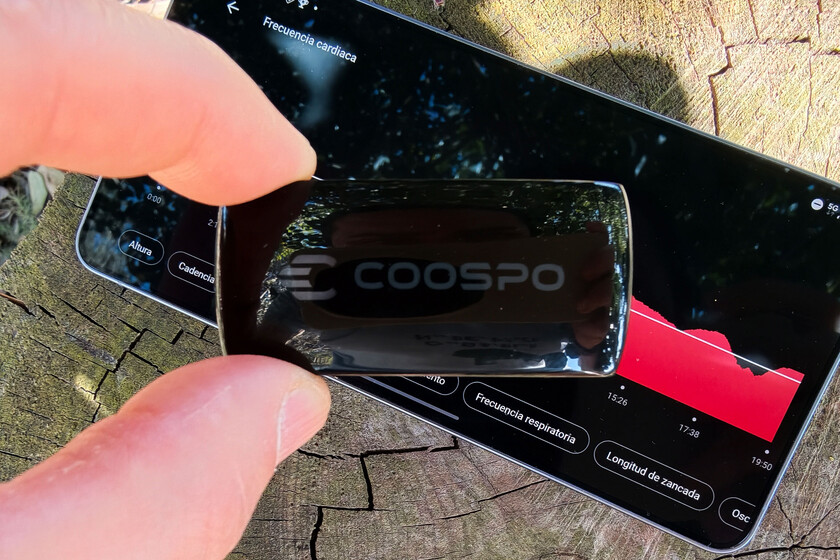
The market has long been stratified, with premium brands like Garmin, Polar, and Wahoo offering chest straps lauded for their accuracy, durability, and integration with comprehensive training ecosystems. These devices often retail for upwards of €80-€100, positioning them as a significant investment for many amateur athletes. The emergence of more affordable alternatives, particularly from Asian manufacturers, has created a new dynamic, challenging the perception that high precision must equate to a high price.
A Year-Long Assessment: The Coospo H9Z in Practice
The decision by an amateur runner to transition from a high-end smartwatch’s optical sensor (specifically, a Garmin Epix 2, known for its advanced optical capabilities) to a dedicated chest strap was motivated by a pursuit of enhanced data fidelity. The primary objectives were to more precisely gauge effort levels during training, optimize progression, and gain a deeper understanding of recovery status. After surveying the established market leaders, the individual opted for a seemingly unconventional choice: the Coospo H9Z, purchased for approximately €20 from AliExpress. This decision represented a calculated risk, betting on an unknown entity against the backdrop of skepticism often associated with ultra-budget electronics.
Over the course of a year, the Coospo H9Z has undergone rigorous testing through consistent use during multiple weekly running sessions. The device’s performance has not only met but, in many aspects, exceeded initial expectations, offering a compelling argument for its value proposition.
Product Specifications and User Experience
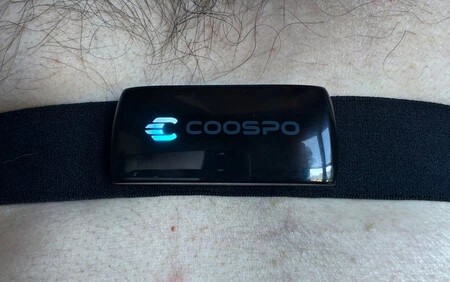
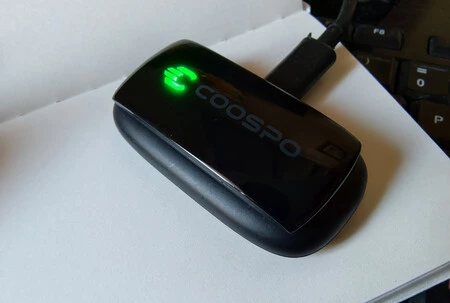
The Coospo H9Z is a minimalist yet functional heart rate monitor. Its core components include an elastic chest strap, an attachable sensor module with two metal electrodes, a magnetic charging base, and a USB-C cable. The sensor module, designed for simplicity, automatically activates upon detecting a pulse when worn, initiating data transmission.
Key specifications and features include:
- Connectivity: Dual compatibility with both Bluetooth (BLE) and ANT+ protocols. This broad connectivity ensures seamless pairing with a vast array of devices, including smartphones, smartwatches (Garmin, Apple Watch, Wear OS devices), cycling computers, and popular fitness apps like Strava, Zwift, and Wahoo Fitness.
- Battery Life: One of the standout features is its exceptional battery longevity. The user reported only needing to charge the device a couple of times over an entire year of regular use, indicating a highly efficient power management system. This minimizes maintenance and enhances user convenience.
- Durability: The device boasts IP67 water and sweat resistance, making it suitable for strenuous workouts and various weather conditions, a critical feature for outdoor athletes.
- Design: Its compact and lightweight design, coupled with the adjustable elastic strap, ensures a comfortable fit that remains secure during dynamic movements.
Performance Analysis: Precision and Reliability
The primary advantage of the Coospo H9Z, like other chest straps, lies in its ECG-based measurement principle. Unlike optical sensors that estimate heart rate from blood flow, the H9Z directly measures the electrical activity of the heart, providing data that is inherently more accurate and responsive to rapid physiological changes. This precision is particularly crucial during high-intensity intervals, where heart rate can fluctuate dramatically, or during steady-state efforts where maintaining a specific heart rate zone is vital. The evaluation confirmed that the H9Z consistently delivered stable and accurate readings, even during intense training sessions, significantly outperforming the optical sensors of premium smartwatches in these critical scenarios.
Integration with existing fitness ecosystems proved effortless. When paired with a Garmin smartwatch (e.g., Epix 2), the watch automatically prioritized the chest strap’s data over its internal optical sensor, providing a more robust and reliable data stream for training analytics. The data captured, including real-time heart rate, heart rate zones, and recovery progression, was readily accessible and highly actionable within the Garmin Connect platform. This seamless integration allows athletes to leverage the advanced analytical tools of their preferred ecosystem while benefiting from the superior accuracy of the chest strap. The device’s versatility was further demonstrated by its successful synchronization with various smartphones and other Wear OS watches, underscoring its broad compatibility.

Industry Context: Democratization of Advanced Tracking
The success of devices like the Coospo H9Z represents a significant development in the fitness technology market. For years, accurate heart rate monitoring was often perceived as a premium feature, necessitating substantial investment. Chinese brands like Coospo are effectively democratizing access to high-precision physiological data. By offering products that rival the performance of established market leaders at a fraction of the cost, they are empowering a broader demographic of amateur athletes to access sophisticated training tools.
This trend has several implications:
- Increased Accessibility: Athletes who might have been deterred by the cost of premium chest straps can now acquire a highly accurate device without financial strain.
- Enhanced Training Quality: With more precise data, amateur athletes can implement more structured and effective training programs, leading to better performance outcomes and reduced risk of injury or overtraining.
- Market Competition: The presence of high-performing, budget-friendly options exerts pressure on premium brands to innovate further and potentially adjust their pricing strategies, ultimately benefiting consumers.
- Consumer Education: It encourages consumers to look beyond brand names and consider performance-to-price ratios, fostering a more informed purchasing environment.
Technical Considerations and Security Implications
Despite its strong performance, the Coospo H9Z shares a common characteristic with many other ANT+/Bluetooth BLE fitness accessories: it broadcasts data in an open, unprotected manner. This means that anyone within range with a compatible device could potentially connect to the sensor and monitor the user’s heart rate in real-time. While this might be a minor concern for individuals training in isolated environments, such as solo outdoor runs, it presents a more significant privacy consideration in shared public spaces like gyms or group fitness classes. In such settings, the potential for unauthorized data access, however benign, highlights a gap in data security that consumers should be aware of. While the immediate risk of malicious exploitation of heart rate data is low, the principle of open broadcast warrants attention, particularly as personal biometric data becomes increasingly valuable.
Expert Perspectives and Broader Impact
Sports scientists and coaches consistently emphasize the critical role of accurate heart rate data, especially HRV, for optimizing training loads and ensuring adequate recovery. Dr. Sarah Johnson, a sports physiologist, notes, "While optical sensors have their place for general wellness tracking, for serious athletic training, particularly when trying to hit specific zones or monitor recovery through HRV, ECG-based chest straps remain the gold standard. Their ability to capture precise R-R intervals is unmatched." The emergence of reliable, affordable options like the Coospo H9Z aligns with this expert consensus, making these crucial tools accessible to a wider population.
The broader implications extend beyond individual training. The shift towards budget-friendly, high-performance devices signals a maturing market where technology previously exclusive to professionals is becoming commonplace. This democratization of data empowers amateur athletes to take a more data-driven approach to their fitness journeys, fostering a more informed and engaged athletic community. Furthermore, it reinforces the trend of minimalist training setups; the ability to rely solely on a chest strap and a smartwatch, leaving the smartphone behind, enhances the purity and focus of the workout experience, a preference for many dedicated runners and cyclists.
In conclusion, the Coospo H9Z heart rate monitor stands as a testament to the evolving landscape of fitness technology. Its year-long evaluation underscores its capability to deliver professional-grade accuracy and reliability at a price point that challenges traditional market paradigms. By bridging the gap between convenience and precision, and making advanced physiological monitoring accessible to the masses, devices like the Coospo H9Z are not merely accessories but catalysts, empowering amateur athletes to unlock new levels of performance and insight into their bodies. While the open broadcast nature of its data transmission warrants consideration for privacy in public settings, its overall value proposition—precision, durability, exceptional battery life, and broad compatibility—firmly establishes it as a highly recommendable tool for anyone serious about optimizing their athletic endeavors without incurring the cost of premium alternatives.
