
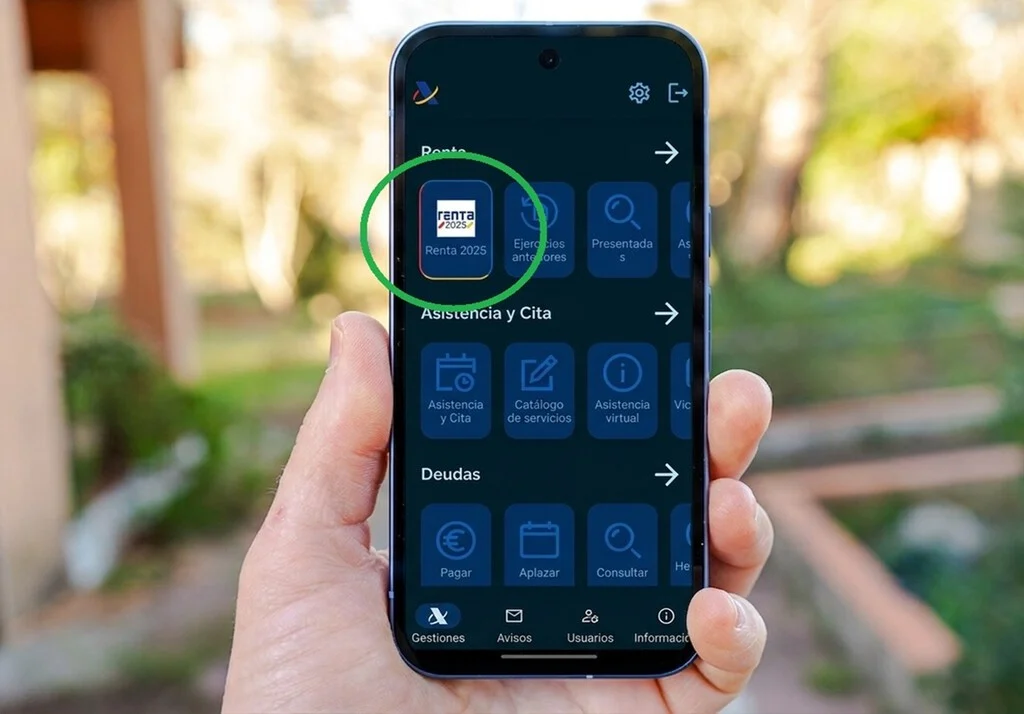

The Spanish Tax Agency (Agencia Tributaria) has officially commenced its Renta 2025 campaign, an annual process crucial for millions of taxpayers across Spain. This campaign, which pertains to the income generated during the 2024 fiscal year, is set to begin its formal filing period on April 8th. A pivotal element for all taxpayers navigating this process is the Renta reference number, a unique six-digit code essential for accessing a wide array of tax-related services. Recognizing the increasing reliance on digital platforms, the Agencia Tributaria has already made this vital reference number accessible through both its official website and mobile application, allowing citizens to prepare well in advance of the filing deadline.
The Cornerstone: Understanding the Renta Reference Number
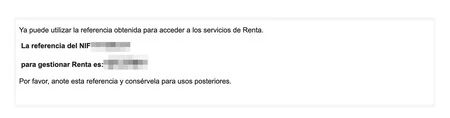
At the heart of the Spanish income tax declaration process lies the reference number. This alphanumeric code, typically composed of six characters, acts as a digital key, granting taxpayers secure access to their personal tax information, the pre-filled tax draft (borrador), the Renta Web service, and other essential procedures. Its importance cannot be overstated; without it, individuals are unable to interact digitally with the Agencia Tributaria regarding their annual income tax obligations. A critical point of understanding for all taxpayers is that this reference number is not permanent. It is generated anew for each fiscal year, meaning the number used for the Renta 2024 campaign (filed in 2024 for the 2023 fiscal year) is invalid for the current Renta 2025 campaign. This annual renewal ensures enhanced security and data integrity for each declaration cycle. The proactive availability of this number, even before the official filing window opens, underscores the Agencia Tributaria’s commitment to facilitating a smoother and more efficient process for taxpayers, allowing them to gather necessary credentials ahead of time.
Step-by-Step Guide: Obtaining Your Renta Reference Number
The Agencia Tributaria offers two primary, user-friendly digital avenues for obtaining the Renta 2025 reference number: through its official web portal or via its dedicated mobile application. Both methods are designed for convenience, reflecting the agency’s broader strategy to digitalize and simplify tax compliance.
1. Via the Official Web Portal:
To request the reference number online, taxpayers must navigate to the Agencia Tributaria’s official electronic headquarters (sede.agenciatributaria.gob.es). Within the "Renta" section, there will be a clearly marked option, typically titled "Obtén tu número de referencia" (Get your reference number). Upon selecting this option, the system will prompt the user to authenticate their identity through one of several secure methods:
- Digital Certificate or Electronic DNI (DNIe): For citizens who possess a valid digital certificate installed on their device or an electronic DNI with a compatible card reader, this is often the most straightforward method. These credentials provide the highest level of digital identification and streamline access to all government services.
- Cl@ve PIN: Cl@ve PIN is a public identification system designed for common administrative procedures. Users registered with Cl@ve PIN can receive a temporary access code on their registered mobile device after entering their DNI/NIE and a pre-set password. This method is widely adopted due to its balance of security and accessibility.
- Manual Identification (DNI and Box 505): For those who do not possess a digital certificate, DNIe, or Cl@ve PIN, the Agencia Tributaria provides an alternative, widely utilized method. This involves manually entering the taxpayer’s National Identity Document (DNI) or Foreigner Identification Number (NIE) along with the exact amount declared in Box 505 of their previous year’s income tax declaration (Renta 2024, corresponding to the 2023 fiscal year). Box 505 typically refers to the "Base liquidable general sometida a gravamen" (General taxable base subject to taxation). This specific box is chosen because its value is unique to each taxpayer and declaration, serving as a robust verification mechanism. It is crucial that taxpayers accurately recall or have access to their previous year’s declaration to use this method successfully. Once these details are validated, the six-digit reference number is immediately generated and displayed.
2. Via the Official Mobile Application:
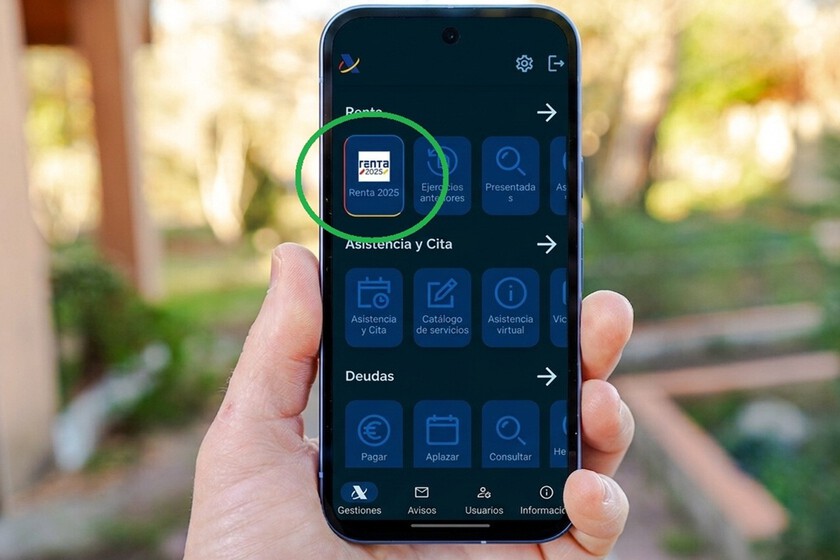
The Agencia Tributaria’s mobile application offers an even more streamlined experience, particularly for taxpayers already familiar with digital interactions. After downloading the official app from their respective app store (available for both Android and iOS devices) and successfully logging in using one of the aforementioned authentication methods (digital certificate, Cl@ve PIN, or DNI + Box 505 for initial setup), the process becomes exceptionally simple. Users typically only need to tap on their user profile icon or navigate to the "Renta 2025" section. The reference number is often prominently displayed on the main screen, or within the initial options presented, making it readily accessible for immediate use in any Renta-related transaction. This mobile-first approach caters to the growing segment of the population that prefers managing administrative tasks on their smartphones.
Beyond the Reference Number: Essential Digital Tools for a Seamless Declaration
While obtaining the reference number is the critical first step, the Agencia Tributaria has augmented its digital ecosystem with several other practical tools designed to empower taxpayers and simplify the Renta 2025 campaign. These resources aim to provide transparency, facilitate self-assessment, and prevent common errors.
1. The Renta Simulator:
One of the most valuable tools made available early in the campaign is the Renta Simulator. This online application allows taxpayers to estimate the outcome of their declaration well before the official filing period begins. By inputting relevant financial data, users can get an indicative figure of whether their declaration will result in a payment to the tax authorities (a pagar) or a refund from Hacienda (a devolver). The simulator incorporates national and regional tax regulations, providing a reasonably accurate projection. The benefits of this tool are manifold:
- Financial Planning: It enables taxpayers to anticipate potential tax liabilities or refunds, aiding in personal financial planning.
- Early Error Detection: By simulating various scenarios, individuals can identify potential discrepancies or areas where they might need to gather more information.
- Understanding Tax Impact: It helps users grasp how different income sources, deductions, and withholdings affect their final tax position.
The early activation of the simulator demonstrates the Agencia Tributaria’s commitment to proactive taxpayer assistance, allowing for informed decision-making.
2. Fiscal Data Consultation and Correction:
Another crucial feature is the ability to consult and, if necessary, correct one’s fiscal data. The Agencia Tributaria pre-fills much of the tax declaration with data it already possesses from employers, banks, property registries, and other sources. However, it is the taxpayer’s responsibility to verify the accuracy and completeness of this information. Through the online portal or mobile app, individuals can access their fiscal data well in advance of filing. This allows them to:
- Verify Accuracy: Check if all income, withholdings, real estate data, and other relevant information provided by third parties match their records.
- Identify Omissions: Ensure that no deductible expenses or income not automatically reported (e.g., certain capital gains, rental income from private contracts) have been overlooked.
- Make Corrections: If discrepancies are found, taxpayers can initiate corrections or gather supporting documentation before submitting their final declaration, thus avoiding potential future audits or penalties.
This proactive verification step is vital for ensuring compliance and leveraging all legitimate tax benefits.
3. Innovative Deductions Finder:
Navigating the complex landscape of tax deductions, which can vary significantly between national and autonomous community levels, is often a daunting task for taxpayers. Recognizing this challenge, the Renta 2025 campaign highlights an innovative, free deduction search tool. Developed by a Valencian entrepreneur, this tool simplifies the process dramatically. By answering just five straightforward questions, users receive a tailored list of all national and regional deductions that might apply to their specific circumstances. Crucially, the tool also provides an orientative amount for each potential deduction, offering a clear estimate of the financial benefit. This resource is particularly valuable because:
- Demystifies Deductions: It breaks down complex tax rules into an easily understandable format.
- Maximizes Savings: It helps taxpayers identify deductions they might otherwise overlook, potentially leading to significant tax savings.
- Empowers Informed Decisions: With clear information on applicable deductions and their estimated value, taxpayers can make more informed decisions when preparing their declaration.
This tool exemplifies how technology can be harnessed to bridge the knowledge gap between tax legislation and the average citizen, promoting greater equity and efficiency in tax compliance.
Timeline and Key Dates for the Renta 2025 Campaign
Understanding the chronological phases of the Renta 2025 campaign is essential for all taxpayers to ensure timely and compliant submission. The Agencia Tributaria typically structures the campaign into distinct periods for different submission methods.
- Early March (Already Active): The ability to obtain the Renta reference number and consult fiscal data is activated. The Renta Simulator is also made available. This early access period is designed for preparatory work.
- April 8th: The official period for submitting income tax declarations online (via Renta Web) begins. This marks the start of the primary filing window for most taxpayers.
- Late April / Early May (Dates to be Confirmed by AEAT): Typically, the period for telephone filing (Renta por teléfono) commences, offering assistance for those who prefer guided submission.
- Late May / Early June (Dates to be Confirmed by AEAT): The period for in-person filing at Agencia Tributaria offices begins, catering to taxpayers who require face-to-face assistance.
- June 26th (Provisional): This is typically the deadline for declarations with direct debit payments. Taxpayers who expect to pay must ensure their declaration is submitted by this date to allow sufficient time for the direct debit process.
- July 1st (Provisional): This marks the general deadline for submitting all income tax declarations, regardless of the outcome (payment or refund). After this date, declarations are considered late and may incur penalties.
Taxpayers are strongly advised to consult the official Agencia Tributaria calendar for the precise dates of each phase as they are formally announced, ensuring they do not miss any critical deadlines.
Background and Context: The Digital Transformation of Tax Administration in Spain
The comprehensive suite of digital tools and the streamlined processes observed in the Renta 2025 campaign are a testament to the Agencia Tributaria’s sustained efforts towards digital transformation. Over the past decade, Spain’s tax authority has progressively invested in technology to modernize its operations, enhance efficiency, and improve taxpayer services. This digitalization strategy is driven by several objectives:
- Increased Accessibility: Providing multiple channels (web, mobile app, telephone) ensures that tax services are accessible to a broader demographic, including those in remote areas or with mobility challenges.
- Enhanced Efficiency: Automating processes like data pre-filling, reference number generation, and online submission significantly reduces administrative burden for both the agency and taxpayers.
- Improved Compliance: Simplified processes, clear guidance, and accessible tools tend to increase voluntary compliance rates by reducing the complexity often associated with tax obligations.
- Fraud Prevention: Digital systems allow for more sophisticated data analysis and cross-referencing, aiding in the detection and prevention of tax fraud.
- Cost Reduction: Moving away from paper-based systems and manual processing leads to considerable cost savings in the long run.
This shift has not been without its challenges, including ensuring digital literacy across all age groups, maintaining robust cybersecurity measures, and continuously updating systems to adapt to evolving technological landscapes and legislative changes. However, the success of platforms like Renta Web and the increasing adoption of the AEAT mobile app demonstrate that the strategy is largely yielding positive results, fostering a more transparent and efficient tax environment.
Implications for Taxpayers and the Broader Economy
The proactive launch of the Renta 2025 campaign, coupled with its array of digital tools, carries significant implications for individual taxpayers and the Spanish economy. For individuals, the availability of resources like the simulator and the deductions finder empowers them to take greater control over their tax affairs, potentially leading to more accurate declarations and maximized legitimate savings. The ease of obtaining the reference number via mobile or web reduces barriers to entry for tax compliance, particularly for younger, digitally native generations. This improved accessibility and user-friendliness can alleviate much of the anxiety traditionally associated with tax season.
From a broader economic perspective, a more efficient and accessible tax system contributes to healthier public finances. By facilitating compliance, the Agencia Tributaria can ensure a more consistent and predictable flow of tax revenues, which are vital for funding public services, infrastructure projects, and social welfare programs. The reduction in processing errors and the increased transparency fostered by digital tools also contribute to a more equitable tax system, where all citizens can more easily fulfill their obligations and claim their rightful benefits. Furthermore, the push towards digitalization positions Spain as a modern, technologically advanced nation in its administrative functions, potentially setting a benchmark for other European tax authorities. The annual Renta campaign, therefore, is not merely an administrative exercise but a fundamental pillar supporting Spain’s economic stability and social cohesion.
In conclusion, the Agencia Tributaria’s Renta 2025 campaign is well underway, emphasizing digital accessibility and taxpayer empowerment. With the reference number now obtainable, and critical tools like the simulator and deductions finder at their disposal, Spanish taxpayers are encouraged to engage proactively with their tax obligations. Leveraging these digital resources will not only streamline the declaration process but also ensure accuracy and optimize financial outcomes, reinforcing the critical link between citizen responsibility and national development.