
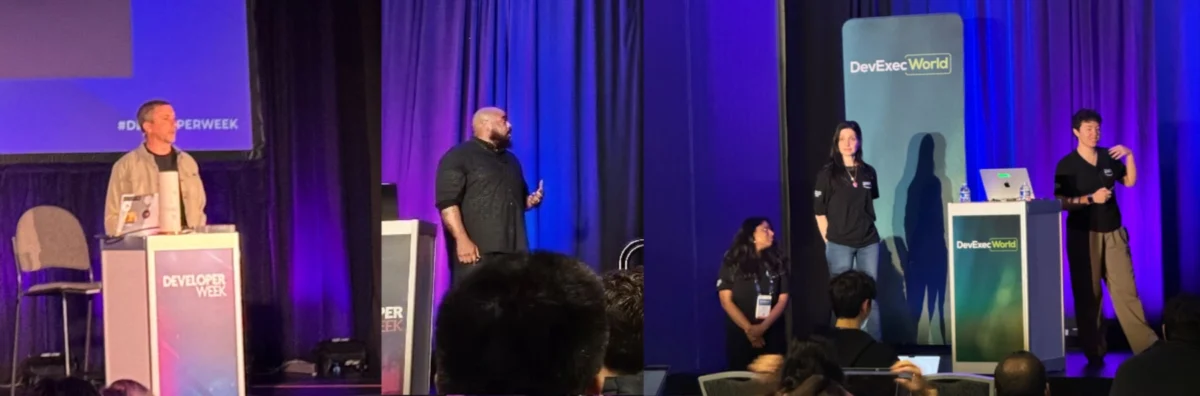

Amazon Web Services (AWS) recently concluded a significant showing at DeveloperWeek in San Jose, reinforcing its commitment to fostering innovation within the developer community, particularly in the rapidly evolving domain of artificial intelligence. The event served as a crucial platform for AWS to engage directly with developers, share insights on cutting-edge software paradigms, and gather invaluable feedback on emerging technologies like AI agents and human-AI collaboration. This active participation underscores AWS’s strategic focus on understanding and supporting the next generation of application development.
DeveloperWeek Highlights: The Dawn of Renascent Software
DeveloperWeek, a premier annual gathering for developers, engineers, architects, and technical leaders, drew thousands of participants to San Jose, a pivotal location in the global technology landscape. The conference, known for its focus on new dev technologies, languages, and tools, provided an ideal backdrop for AWS to present its vision for the future of software development. A central theme of AWS’s contribution was the concept of "renascent software," eloquently articulated by AWS colleague Vinicius Senger in a keynote address. This paradigm advocates for a transformative approach to building and evolving applications, where human developers and artificial intelligence systems collaborate as co-developers.
Senger’s presentation introduced Kiro, a platform designed to facilitate this human-AI partnership, demonstrating how intelligent systems can augment human capabilities, automate repetitive tasks, and accelerate the development lifecycle. The concept resonated strongly with attendees, reflecting a growing industry trend towards integrating AI not just as a feature within applications, but as an active participant in their creation. This shift promises to redefine productivity and innovation in software engineering, potentially leading to more complex, robust, and efficient applications. The discussions around renascent software highlighted a future where AI isn’t just a tool, but a peer, sharing in the creative and problem-solving processes inherent in development.
The Rise of AI Agents and Multi-Agent Systems
Beyond the keynote, AWS’s presence at DeveloperWeek was marked by a series of specialized talks and interactions centered on the practical aspects of building and deploying production-ready AI agents. Colleagues Du’An Lightfoot, Elizabeth Fuentes, Laura Salinas, and Sandhya Subramani delivered insightful sessions that delved into the intricacies of agent development. These sessions covered critical topics such as agent memory—how AI agents retain and utilize information across interactions—and the complexities of multi-agent patterns, which involve orchestrating multiple AI agents to achieve a common goal.
The overwhelming interest from developers in these topics, evidenced by the depth and volume of questions regarding meta-tooling and hooks, underscored the rapid acceleration of AI agent adoption across various industries. Developers expressed keen interest in the practical challenges of deploying agents, including managing their state, ensuring robust communication between agents, and integrating them seamlessly into existing software ecosystems. This hands-on engagement at DeveloperWeek provided AWS with direct insights into the real-world demands and pain points faced by developers working at the forefront of AI innovation. The discussions revealed that many developers are actively engaged in building sophisticated agent-based systems, signaling a significant evolution from traditional software architectures to more autonomous and intelligent applications. The implications for industries ranging from customer service and data analysis to complex scientific research are profound, as AI agents promise to automate and optimize processes at an unprecedented scale.
Continued Engagement: Upcoming dev/nexus Conference
AWS’s commitment to continuous developer engagement extends beyond DeveloperWeek, with a strong presence planned for the upcoming dev/nexus conference. Scheduled for March 4-6 in Atlanta, dev/nexus stands as the largest and longest-running Java ecosystem conference, attracting a vast community of Java developers, architects, and enterprise leaders. This engagement highlights AWS’s recognition of the enduring relevance of Java in enterprise computing and its strategic importance in the evolving landscape of AI-driven applications.
At dev/nexus, James Ward, another AWS colleague, is slated to deliver a presentation on building AI Agents using the Spring framework and MCP (MicroProfile), demonstrating how established Java technologies can be leveraged for modern AI development. This session is particularly significant as it bridges the gap between traditional enterprise development and the cutting edge of AI, offering a clear pathway for the vast Java developer base to integrate intelligent agents into their applications. Furthermore, Vinicius Senger, following his compelling address at DeveloperWeek, will join Jonathan Vogel to present "10 tools and tips to upgrade your Java code with AI." This session promises practical, actionable advice for Java developers looking to infuse their existing codebases with AI capabilities, ranging from machine learning model integration to natural language processing functionalities.
AWS’s consistent presence at major third-party developer conferences like DeveloperWeek and dev/nexus reflects a deliberate strategy to gather direct feedback from the developer community. This feedback loop is crucial for AWS to refine its existing services, identify unmet needs, and inform the development of new tools and platforms that genuinely address the challenges faced by developers. By being present where developers are actively learning and collaborating, AWS ensures its offerings remain aligned with industry trends and developer requirements, solidifying its position as a leading cloud provider for innovative software solutions.
The Broader Implications of AWS’s Developer Strategy
AWS’s focused engagement at these developer conferences carries significant implications for the broader tech ecosystem. The emphasis on AI agents and human-AI collaboration signals a pivotal shift in software development paradigms. This shift is not merely incremental; it represents a fundamental re-evaluation of how software is designed, built, and maintained. For developers, this means acquiring new skills in prompt engineering, agent orchestration, and understanding AI model limitations. For businesses, it translates into opportunities for unprecedented automation, personalization, and efficiency across operations.

The discussions at DeveloperWeek, particularly around the technical challenges of agent memory and multi-agent systems, highlight the ongoing need for robust infrastructure and development tools. AWS, with its extensive suite of AI/ML services (such as Amazon SageMaker, Amazon Bedrock, and services powered by Amazon Polly for voice capabilities), is strategically positioned to provide the foundational support for this new era of AI-driven development. By actively participating in community dialogues, AWS can tailor its offerings to meet these specific, evolving needs, thereby accelerating the adoption and maturation of AI agent technologies. The company’s investment in supporting frameworks like Spring and MicroProfile for AI integration also demonstrates its understanding of the existing enterprise landscape and its commitment to providing accessible pathways for AI adoption for a wide range of developers.
AWS Ecosystem: Launches, Updates, and Community Contributions
While specific announcements from the past week were not detailed in the provided context, AWS maintains a rigorous schedule of product launches, feature updates, and community contributions that are regularly publicized. These updates typically span new services, enhancements to existing ones, security improvements, and regional expansions, all designed to empower developers and enterprises building on the AWS cloud. Developers are encouraged to monitor the "What’s New with AWS" page for a comprehensive list of all official announcements, ensuring they remain abreast of the latest innovations.
Beyond product and service updates, AWS places significant value on its vibrant community. The "From AWS community" section, though unspecified in the provided snippet, usually highlights compelling blog posts, open-source projects, and insightful tutorials from AWS users and partners. These community-driven contributions are vital for sharing knowledge, best practices, and innovative solutions, fostering a collaborative environment that extends the reach and utility of AWS technologies. The AWS Builder Center serves as a central hub for this community, enabling developers to connect, share expertise, and access a wealth of content tailored to support their development journeys. This platform exemplifies AWS’s dedication to nurturing a self-sustaining ecosystem where collective intelligence drives innovation.
Upcoming AWS Events and Continuous Learning
AWS also maintains a comprehensive calendar of events, both in-person and virtual, designed to provide continuous learning opportunities and direct engagement points for its diverse customer base. These events range from large-scale conferences like AWS re:Invent to specialized workshops, webinars, and startup-focused gatherings. Developers are encouraged to explore the official AWS events pages to find suitable opportunities for skill enhancement, networking, and staying informed about the latest cloud computing trends. The availability of developer-focused events further underscores AWS’s commitment to empowering individuals at every stage of their professional journey.
In summary, AWS’s recent activities at DeveloperWeek and its upcoming participation at dev/nexus are indicative of a proactive and deeply integrated strategy to engage with the global developer community. By focusing on emerging trends like renascent software and AI agents, and by providing platforms for knowledge sharing and feedback, AWS is not only driving innovation but also ensuring that its cloud services remain at the forefront of technological advancement. The company’s commitment to understanding developer needs, fostering community growth, and offering continuous learning opportunities solidifies its role as a foundational partner in shaping the future of software development. This ongoing dialogue with developers is critical in translating complex technological advancements into practical, impactful solutions for businesses worldwide, paving the way for a more intelligent and collaborative future in software engineering.