
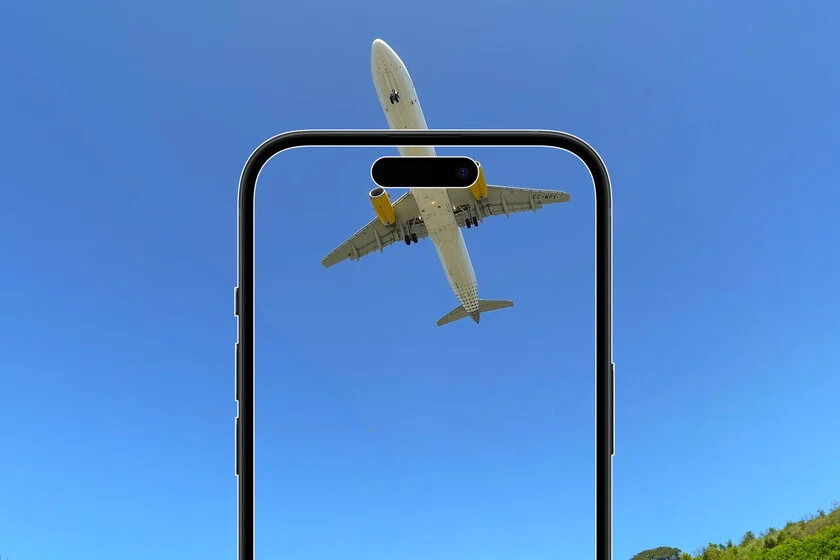

For many frequent travelers, the activation of airplane mode has long been an ingrained ritual, a digital nod to aviation safety as the aircraft hurtles down the runway. Yet, what began as a mandatory function for in-flight safety has evolved far beyond its original intent, transforming into a versatile tool for enhancing daily digital well-being, device performance, and personal productivity. This ubiquitous toggle, present on virtually every smartphone and tablet, offers a suite of benefits that extend well beyond the confines of an airplane cabin, making it an indispensable feature in the contemporary digital landscape.
The Genesis of Airplane Mode: From Aviation Mandate to Ubiquitous Feature
The concept of "airplane mode" emerged from a period of heightened caution regarding the potential electromagnetic interference (EMI) that personal electronic devices (PEDs) could pose to sensitive aircraft navigation and communication systems. In the early days of mobile technology, the precise impact of cellular and Wi-Fi signals on complex avionics was not fully understood, leading regulatory bodies worldwide to adopt a conservative approach. The Federal Aviation Administration (FAA) in the United States and the European Union Aviation Safety Agency (EASA) were among the primary entities that imposed strict regulations, requiring passengers to power off or disable the transmitting functions of their PEDs during all phases of flight.
Early mobile phones, particularly those from manufacturers like Nokia with its Symbian operating system in the early 2000s, began incorporating a "flight mode" or similar setting. These features allowed users to continue using certain device functions, such as playing games or listening to music stored locally, without emitting radio signals. However, it was the advent of Apple’s iPhone in 2007, and its subsequent popularization, that truly cemented the term "airplane mode" and its now-iconic airplane symbol into the global lexicon. This standardization made the function instantly recognizable and accessible to a broad user base.
Navigating the Skies: Regulatory Evolution and Technical Foundations
Over time, as mobile technology advanced and more rigorous testing protocols were developed, regulatory bodies began to reassess the necessity of such stringent restrictions. Comprehensive studies conducted by the FAA and EASA, often in collaboration with airlines and manufacturers, aimed to definitively quantify the risk of PED interference. These investigations largely concluded that modern aircraft systems possess robust shielding and redundancy, making them far less susceptible to interference from typical consumer electronic devices than initially feared.
This scientific re-evaluation led to significant policy shifts. In late 2013, EASA announced that passengers could keep their PEDs switched on during all phases of flight, provided they were set to airplane mode. This landmark decision paved the way for similar relaxations by other major aviation authorities. The FAA followed suit in 2014, allowing airlines to permit the use of PEDs in airplane mode during taxi, takeoff, and landing, with some carriers subsequently enabling Wi-Fi and Bluetooth connectivity while in airplane mode for their respective in-flight entertainment systems. These changes reflected a pragmatic adaptation to technological realities and passenger expectations, acknowledging that the primary concern was not the device itself, but its active radio transmissions.
Technically, when airplane mode is activated, a smartphone or tablet immediately disables all wireless radio transmission functions. This includes:
- Cellular Radio: Disconnecting from mobile networks, preventing calls, SMS messages, and mobile data usage (3G, 4G, 5G).
- Wi-Fi: Turning off the device’s ability to connect to wireless internet networks.
- Bluetooth: Deactivating short-range wireless communication with peripherals like headphones or smartwatches.
- GPS: While GPS reception (receiving signals from satellites) is often passive and does not transmit, some implementations might also disable it or limit its functionality in airplane mode to further conserve power.
By cutting off these connections, the device ceases its constant search for signals, its transmission of data, and its maintenance of active network links, leading to profound implications for battery life and device behavior.
Beyond the Flight Deck: The Diverse Benefits of Disconnection
The journey of airplane mode from a regulatory compliance feature to a multi-purpose utility highlights its inherent versatility. Users, like the original article’s author, have organically discovered its extensive applications in various aspects of daily life, transforming it into a "digital Swiss Army knife" for managing their interaction with technology.
Optimizing Device Performance: Battery Conservation and Accelerated Charging
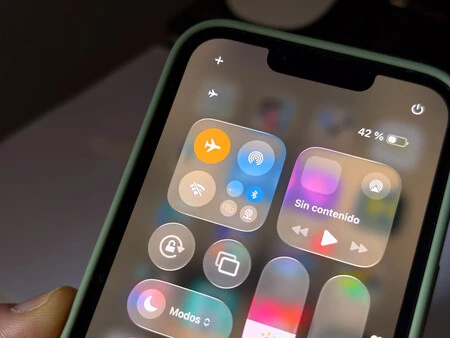
One of the most immediate and tangible benefits of airplane mode is its significant impact on battery life. The cellular modem, Wi-Fi radio, and Bluetooth transceiver are among the most power-intensive components of a smartphone. These modules constantly scan for networks, maintain connections, and transmit data, consuming considerable energy in the background. In areas with weak cellular signal, a device expends even more power as it struggles to find and maintain a connection, repeatedly boosting its transmission strength.
Activating airplane mode instantly cuts off these power drains. Studies and practical observations indicate that disabling wireless radios can reduce overall battery consumption by 15-30% or even more, depending on usage patterns and environmental factors. For instance, in a low-signal area, a device might consume an extra 10-15% of battery per hour simply trying to maintain a cellular connection. By eliminating this background activity, airplane mode dramatically extends a device’s standby time and the duration of active usage for offline tasks.
Furthermore, airplane mode subtly aids in faster charging. While not a radical acceleration, the reduction in background processes and network activity means the device generates less heat. Heat is a known enemy of battery health and charging efficiency; many modern smartphones automatically throttle charging speeds when they detect excessive temperatures to protect the battery. By keeping the device cooler, airplane mode allows for a slightly more efficient and potentially quicker charge, often translating to a 5-10% reduction in charging time, particularly from a low battery state. This minor improvement can be crucial when time is of the essence.
Cultivating Focus: A Shield Against Digital Distraction
In an increasingly hyper-connected world, digital distractions pose a significant challenge to concentration and productivity. Notifications, messages, and constant connectivity create an incessant demand for attention, fragmenting focus and impeding deep work. While "Do Not Disturb" modes offer a customizable solution, airplane mode provides a more absolute, radical form of disconnection without fully powering down the device.
By severing all external communication, airplane mode creates a digital sanctuary. The phone becomes a tool solely for its offline capabilities – reading e-books, working on documents, playing pre-downloaded games, or listening to local music files. This forced isolation from the digital stream eliminates the temptation to check social media, respond to emails, or engage with messaging apps. Research from institutions such as the University of Texas at Austin has demonstrated that even the mere presence of a smartphone can diminish cognitive capacity, regardless of whether it is actively being used. By intentionally eliminating incoming alerts and the psychological pull of connectivity, airplane mode empowers users to reclaim their focus for tasks requiring sustained attention, such as writing, studying, or creative work.
Promoting Restorative Sleep: Ensuring Uninterrupted Nights
The bedroom, once a sanctuary for rest, has often become another extension of our digital lives, with smartphones serving as alarms, entertainment hubs, and constant conduits to the outside world. However, the presence of these devices, particularly their blue light emissions and the disruptive nature of nocturnal notifications, has been linked to adverse effects on sleep quality. Blue light interferes with the body’s production of melatonin, the hormone regulating sleep-wake cycles, while notifications can jolt individuals awake, fragmenting sleep architecture.

For those who rely on their phones as alarms but wish to avoid these nocturnal disturbances, airplane mode offers an ideal compromise. It allows the alarm function to operate unimpeded while completely silencing all incoming calls, messages, and app notifications. This ensures an uninterrupted night’s sleep, free from the anxiety of missing an important alert or the irritation of being woken by a non-urgent ping. The National Sleep Foundation consistently recommends removing electronic devices from the bedroom or at least minimizing their disruptive potential, and airplane mode provides a practical, one-tap solution for improving sleep hygiene without resorting to powering down the device entirely.
Streamlining Connectivity: The Quick Reset for Network Glitches
Mobile devices, despite their sophistication, are not immune to occasional software glitches or network communication errors. Users frequently encounter situations where their cellular data stops working, Wi-Fi fails to connect, or Bluetooth devices struggle to pair. In such instances, the common troubleshooting advice is often to restart the device. However, a full restart can be time-consuming.
Airplane mode offers a quicker, less intrusive solution. Toggling airplane mode off and then on again forces a complete re-initialization of all wireless radios and their associated software stacks. This soft reset can effectively clear temporary network cache issues, re-establish a clearer connection with cellular towers, refresh Wi-Fi parameters, or resolve minor communication hiccups with Bluetooth peripherals. It’s akin to giving the device’s wireless components a brief "time-out" and a fresh start, often resolving connectivity problems in seconds without the need for a full reboot. This efficiency makes it a valuable first-line troubleshooting step for common network-related annoyances.
Financial Prudence Abroad: Avoiding Exorbitant Roaming Charges
International travel introduces a unique set of challenges related to mobile connectivity, primarily the potential for exorbitant roaming charges. While regulations within economic blocs like the European Union have introduced "Roam Like at Home" policies, allowing users to use their domestic plans abroad without extra cost within member states, this luxury does not extend to most other international destinations. Outside these zones, connecting to local cellular networks can incur significant fees for data usage, calls, and even incoming text messages. Unwary travelers can return home to "bill shock," with charges running into hundreds or even thousands of dollars for relatively brief periods of data consumption.
Activating airplane mode upon landing in a non-roaming-friendly country is a critical and foolproof measure to prevent these unwanted costs. It ensures that the device does not automatically connect to any local cellular network, thereby eliminating the risk of accidental data usage or call charges. Once airplane mode is active, travelers can selectively enable Wi-Fi to connect to hotel networks, local hotspots, or portable Wi-Fi devices, allowing them to access internet-dependent services like messaging apps, email, and navigation without incurring roaming fees. This strategic use of airplane mode empowers travelers to manage their connectivity consciously and economically.
Empowering Responsible Device Use: A Tool for Digital Parenting
For parents, allowing children to use smartphones or tablets for entertainment often comes with concerns about internet access, inappropriate content, in-app purchases, and exposure to advertising. While parental control apps and device restrictions exist, airplane mode provides a simple, immediate, and effective solution for creating a safe, offline-only environment.
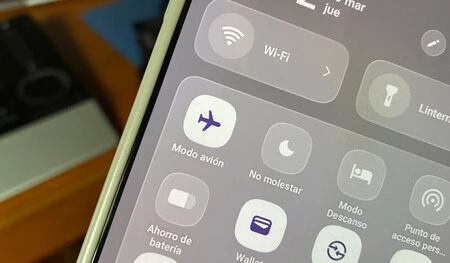
When a child is handed a device with airplane mode activated, it transforms into a dedicated gaming console or an offline media player. All online functionalities are disabled, preventing access to the internet, online multiplayer games, and social media. Crucially, for many ad-supported games, the advertising content often disappears when the device is offline, as ads typically require an internet connection to load. This not only provides a cleaner, uninterrupted gaming experience but also protects children from unsolicited advertisements, potential in-app purchase prompts, and accidental communication with others. As digital wellness experts increasingly advocate for mindful technology use, airplane mode serves as a practical tool for parents to control and guide their children’s digital interactions.
Enhancing Content Creation: Capturing Moments Without Interruption
For content creators, photographers, videographers, or even individuals simply trying to capture a perfect screenshot, interruptions can be a major hindrance. An untimely notification banner appearing during a screen recording, a pop-up message obscuring a critical detail in a screenshot, or an incoming call disrupting a video shoot can ruin an otherwise perfect take.
Airplane mode provides an elegant solution by creating a distraction-free recording environment. By disabling all incoming alerts, users can ensure that their visual content remains pristine and free from any digital overlays or audio interruptions. This is particularly valuable for tutorials, product demonstrations, or artistic photography sessions where maintaining focus and visual clarity is paramount. Furthermore, in scenarios where an individual wishes to immerse themselves fully in an activity, such as exploring a new city through photography or enjoying a mobile game, activating airplane mode allows for complete concentration, free from the constant pull of external communications. It offers a quick, accessible way to switch from a state of constant connectivity to one of focused engagement.
The Enduring Relevance of a Simple Toggle: A Pillar of Digital Well-being
The story of airplane mode is a testament to the unforeseen utility that can emerge from functionalities initially designed for specific, often regulatory, purposes. What began as a mandatory safety measure for air travel has blossomed into a versatile "Swiss Army knife" for managing one’s digital life. From extending battery longevity and accelerating charging to fostering deep concentration, ensuring restful sleep, troubleshooting connectivity, saving money abroad, enabling responsible digital parenting, and streamlining content creation, its benefits are far-reaching and deeply impactful.
In an era defined by pervasive connectivity and the constant demands of digital communication, the ability to intentionally disconnect, even partially, is becoming increasingly vital for mental well-being and productivity. Airplane mode offers this power with remarkable simplicity—a single tap can transform a hyper-connected device into a focused tool, a tranquil companion, or a protective guardian. Its continued relevance, over two decades after its initial appearance on mobile devices, underscores its enduring value as a fundamental feature in the ongoing quest for a healthier, more balanced relationship with technology. This unassuming button, often relegated to quick settings, deserves recognition as one of the most practical and impactful tools at our disposal in the digital age.