

Broadcom, a significant player in the cloud-native landscape, is reinforcing its long-standing dedication to the Cloud Native Computing Foundation (CNCF) by strategically donating Velero, a crucial Kubernetes backup and restore solution, to the CNCF. This move signifies a pivotal moment in Broadcom’s ongoing efforts to foster robust and adaptable cloud-native infrastructure for organizations worldwide. By entrusting Velero to the CNCF, Broadcom aims to accelerate its growth, enhance community involvement, and solidify its position as a comprehensive Kubernetes provider across both public and private cloud environments.
The recent donation of Velero by VMware, now under Broadcom, to the CNCF Sandbox marks a significant step in democratizing access and contribution to this vital open-source project. This transition is designed to empower a broader community of users and developers to integrate their specific needs directly into the project’s roadmap. The integration under the CNCF umbrella is anticipated to bolster Velero’s capacity to serve the evolving demands of the global cloud-native ecosystem, while simultaneously shifting direct governance away from Broadcom’s singular control. This strategic divestment of governance, while retaining significant technical contribution, positions Broadcom to focus on its broader Kubernetes strategy, encompassing end-to-end lifecycle management and integration with existing enterprise virtualization platforms.
A Strategic Shift for Velero and Broadcom
Velero, formerly a VMware project, has been instrumental in enabling users to back up, restore, and migrate Kubernetes cluster resources and persistent volumes. Its transition to the CNCF Sandbox signifies a commitment to open governance and collaborative development. This move is particularly pertinent given the increasing complexity and scale of Kubernetes deployments, where robust data protection and disaster recovery strategies are paramount.
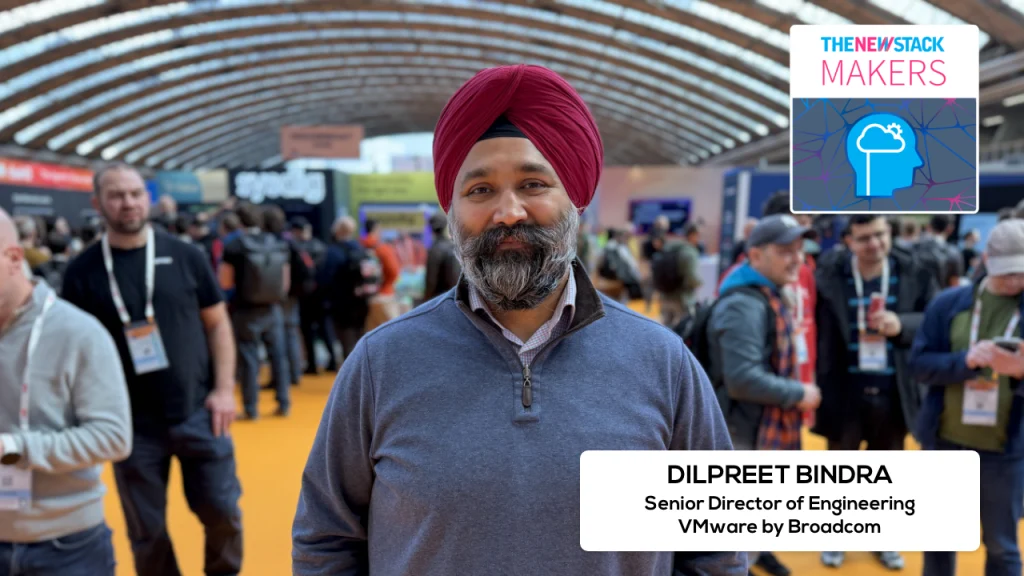
"Once we decided to donate Velero as a CNCF sandbox project, we got this resounding, ‘Yeah, this makes complete sense when the community voted on it,’" stated Dilpreet Bindra, Senior Director of Engineering at VMware by Broadcom, in a recent interview with The New Stack. "We really don’t want people to mistrust the open-source project and believe that it’s somehow a VMware thing even though it hasn’t been a VMware thing for quite some time."
Bindra elaborated on the strategic intent behind this donation: "We want to make sure that people are free to view that as a CNCF thing and not just a VMware thing. I think it will help Velero evolve into the type of data protection solution, the industry standard data protector solution that we want it to be… we plan to use it even broader than its current definition."
This sentiment underscores Broadcom’s vision for Velero: to evolve into a universally trusted and widely adopted standard for Kubernetes data protection, free from the perception of vendor lock-in. By fostering broader community ownership, Broadcom aims to accelerate innovation and ensure Velero’s continued relevance in the rapidly evolving cloud-native landscape.
Addressing the Kubernetes Adoption Challenge
The widespread adoption of Kubernetes as the de facto standard for container orchestration has been a transformative force in the IT industry. However, the operational overhead associated with managing and maintaining Kubernetes clusters remains a significant challenge for many organizations. Broadcom, as a leading contributor to the Kubernetes project itself—the CNCF’s largest—understands these complexities intimately.
"Broadcom addresses the ‘Kubernetes challenge’ by focusing on lifecycle management, long-term support, and tight integration with existing virtualization infrastructure, such as vSphere," Bindra explained. This multifaceted approach aims to simplify the Kubernetes journey for enterprises, enabling them to leverage the power of cloud-native technologies without being burdened by their inherent operational complexities.
This strategy involves several key pillars:
- Simplified Lifecycle Management: Broadcom is investing in tools and services that automate the deployment, scaling, and upgrading of Kubernetes clusters. This includes providing consistent operational experiences across different cloud environments, from on-premises data centers to public clouds.
- Long-Term Support (LTS) for Kubernetes: Enterprises require stability and predictability in their infrastructure. Broadcom is committed to offering extended support for Kubernetes releases, providing a reliable foundation for mission-critical applications and mitigating the risk of frequent, disruptive upgrades.
- Seamless Integration with Existing Infrastructure: For many organizations, cloud-native adoption is not a complete rip-and-replace but rather an evolution. Broadcom’s focus on integrating Kubernetes with established virtualization platforms like vSphere allows businesses to leverage their existing investments while gradually migrating to cloud-native architectures. This hybrid approach offers flexibility and reduces the friction of adoption.
The Significance of CNCF Sandbox Admission
The CNCF Sandbox provides a crucial entry point for promising open-source projects. Projects in the Sandbox are those that are new to the CNCF and are not yet ready for graduation to the Incubating or Graduated stages. Admission to the Sandbox signifies that a project has demonstrated potential and aligns with the CNCF’s mission, while also receiving guidance and support from the CNCF community and staff.
For Velero, this admission means:
- Increased Visibility and Adoption: Being part of the CNCF ecosystem exposes Velero to a wider audience of developers and organizations already invested in cloud-native technologies.
- Community Engagement and Contribution: The CNCF environment actively encourages contributions from a diverse set of individuals and companies, fostering a collaborative development model. This leads to faster iteration, bug fixes, and feature development.
- Vendor Neutrality: The CNCF’s vendor-neutral governance model ensures that Velero’s development is not dictated by the interests of a single company, promoting trust and wider adoption across the industry.
- Access to CNCF Resources: Projects in the Sandbox benefit from mentorship, legal support, marketing assistance, and access to CNCF’s extensive network of contributors and end-users.
The decision to donate Velero to the CNCF reflects a mature understanding of open-source dynamics. By relinquishing direct control, Broadcom is strategically investing in the long-term health and ubiquity of a project critical to the Kubernetes ecosystem. This aligns with the broader trend of major technology vendors contributing foundational technologies to open-source foundations to foster industry-wide standards and accelerate innovation.
Broader Implications for the Cloud-Native Landscape
The donation of Velero to the CNCF has several far-reaching implications for the cloud-native landscape:
- Enhanced Data Protection Standards: Velero’s integration into the CNCF ecosystem is likely to elevate the standards for Kubernetes backup and disaster recovery. With increased community involvement, the project can address a wider range of use cases and integrate with more storage providers and cloud platforms.
- Strengthened Ecosystem Trust: By embracing open governance, Broadcom is reinforcing the trust that organizations place in open-source solutions. This move counters potential concerns about proprietary control over critical infrastructure tools.
- Accelerated Kubernetes Adoption: Simplifying the operational aspects of Kubernetes, including data protection, is key to driving broader enterprise adoption. Projects like Velero, under the stewardship of the CNCF, play a vital role in reducing the perceived complexity of Kubernetes.
- Broadcom’s Strategic Positioning: While divesting direct governance of Velero, Broadcom solidifies its position as a holistic Kubernetes solutions provider. By contributing to foundational open-source projects and offering integrated enterprise-grade offerings, Broadcom can cater to a diverse set of customer needs, from those seeking pure open-source solutions to those requiring comprehensive, managed platforms.
The KubeCon + CloudNativeCon Europe 2026 conference, where the interview with Dilpreet Bindra was recorded, serves as a nexus for discussions and announcements shaping the future of cloud-native technologies. Broadcom’s commitment to open source, exemplified by the Velero donation, resonates strongly within this vibrant community. As organizations continue to navigate the complexities of cloud-native transformation, the availability of robust, community-driven tools like Velero, backed by the strategic vision of companies like Broadcom, will be essential for their success. The move ensures that Velero can evolve independently and inclusively, serving as a cornerstone of resilient cloud-native operations for years to come.