

The landscape of the smart home is undergoing a significant transformation, marked by key personnel changes at Amazon and a critical juncture for its flagship voice assistant, Alexa. As David Limp, Amazon’s head of devices, prepares for retirement—joining a notable exodus of executives from the tech giant over the past year—the future role and independence of Alexa and its associated Echo devices, which are approaching their 10th anniversary, are subjects of intense scrutiny. This period of transition prompts a deeper examination of the smart home’s evolution, exploring both its advancements and persistent challenges, exemplified by innovative yet high-cost consumer products and emerging cybersecurity concerns.
A Decade of Alexa and the Evolving Smart Home
Launched in November 2014, the Amazon Echo and its voice assistant, Alexa, rapidly became synonymous with the burgeoning smart home. Initially a novelty, Alexa evolved into a central hub for controlling an expanding ecosystem of connected devices, from lighting and thermostats to entertainment systems. Its integration into millions of households established a new paradigm for home automation, offering convenience and accessibility through voice commands.
However, as the smart home market matures, questions arise about the extent to which Alexa and the Echo can continue to innovate and maintain relevance independently. The reliance on a single ecosystem, while convenient for many, also presents potential vulnerabilities and limitations. The recent departure of key leadership figures like Limp, who was instrumental in shaping Amazon’s hardware strategy, adds another layer of complexity to the ongoing development of these influential devices. His tenure saw the expansion of the Echo line and the integration of Alexa into a wide array of third-party products, solidifying its market position.
Emerging Trends and Consumer Adoption Challenges
The current state of the smart home is characterized by both remarkable innovation and significant hurdles to widespread adoption. Examples like the Mill Kitchen Trash Can, a composting system developed by Nest co-founder Matt Rodgers, highlight the ambition within the industry to create sophisticated, automated home solutions. Such products aim to address specific consumer needs with advanced technology, but their price points can be a deterrent. The Mill system, for instance, offers a high-tech approach to waste management, but its cost places it in the premium segment of the market, potentially limiting its reach.
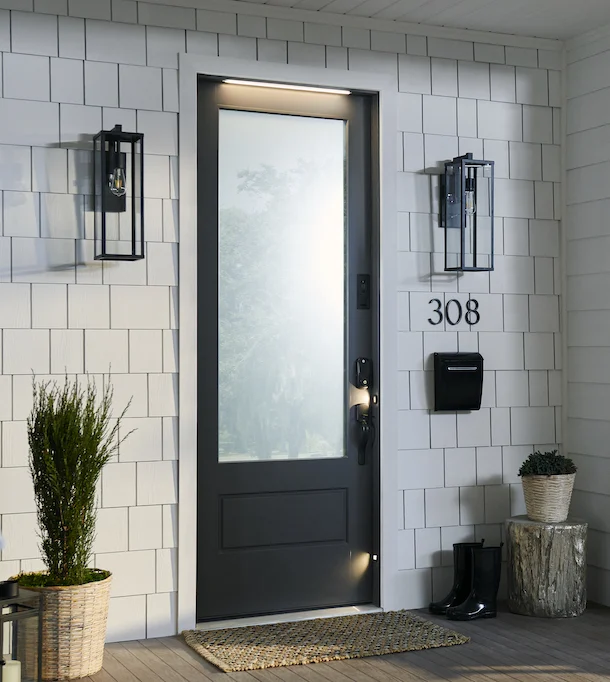
Similarly, the introduction of the Masonite M-Pwr smart door, now available at Home Depot, signifies a push towards integrating advanced security and connectivity into the very fabric of the home. While offering enhanced features like remote locking, access control, and integration with smart home systems, these premium doors represent a substantial investment. The accessibility of such high-end smart home components raises questions about market segmentation and the potential for a widening gap between early adopters and the mainstream consumer. This trend suggests that while the smart home is becoming more capable, its most advanced features often come with a considerable price tag, potentially hindering broader market penetration.
Regulatory Advancements in Cybersecurity
Amidst the development of increasingly connected devices, cybersecurity remains a paramount concern. The Federal Communications Commission (FCC) has taken a proactive step by releasing a Notice of Proposed Rulemaking for an Internet of Things (IoT) cybersecurity labeling program. This initiative aims to provide consumers with clearer information about the security features of smart devices, empowering them to make more informed purchasing decisions. The proposed labeling system is intended to incentivize manufacturers to adopt robust security practices and to help consumers identify products that meet certain cybersecurity standards.
The FCC has opened a 30-day comment period for the public to provide feedback on this proposal. This regulatory move is a critical development, as it acknowledges the growing risks associated with IoT devices and seeks to establish a baseline of security for the connected home. The success of such a program will depend on its comprehensiveness, the clarity of the labels, and the willingness of manufacturers to comply. The aim is to foster greater trust in smart home technology by addressing inherent security vulnerabilities.
Broader Cybersecurity Threats and Industry Responses
Beyond consumer devices, the interconnectedness of modern infrastructure presents significant cybersecurity challenges. Microsoft’s recent discovery of a new set of vulnerabilities affecting industrial control systems (ICS) underscores the potential for sophisticated attacks that could disrupt critical services, including power grids. These vulnerabilities, if exploited, could have far-reaching consequences, highlighting the need for enhanced security measures across all sectors that rely on connected technologies. The identification of such threats by major technology companies is a crucial step in fortifying defenses against potential cyber warfare and large-scale disruptions.

In response to the evolving needs of the smart home ecosystem, new players are emerging to bolster essential components. The Z-Wave Alliance, a prominent standards organization for smart home devices, is poised to benefit from a new company focused on becoming a secondary source for Z-Wave chips. This development is particularly significant given the ongoing global semiconductor supply chain challenges. A more diverse and resilient supply of Z-Wave chips could help stabilize device availability and potentially reduce costs for manufacturers, thereby supporting the broader adoption of Z-Wave-enabled smart home products.
Examining the Homey Pro Smart Home Hub
The quest for robust and flexible smart home control is also driving innovation in central hub technologies. Kevin’s review of the Homey Pro smart home hub offers valuable insights into the potential of such devices. While the Homey Pro comes with a significant price tag, it distinguishes itself by enabling local control of smart home devices. This feature is increasingly sought after by users who prioritize privacy, responsiveness, and independence from cloud-based services. Local control means that devices can operate even without an internet connection, offering a level of reliability that is attractive to many consumers.
The Homey Pro’s ability to integrate a wide array of smart home protocols, including Z-Wave, Zigbee, Wi-Fi, and Bluetooth, positions it as a powerful, albeit expensive, solution for unifying a disparate smart home ecosystem. Its potential lies in its capacity to bridge different technologies and offer a centralized management experience, appealing to advanced users and enthusiasts. The review underscores the ongoing tension between the convenience of cloud-connected, voice-activated systems and the desire for more robust, privacy-focused, and locally controlled smart home environments.
Bridging the Gap: Matter, Z-Wave, and Interoperability
The future of smart home interoperability is increasingly being shaped by emerging standards like Matter. Mariusz Malkowski, founder and CTO of Trident IoT, shared his perspectives on this crucial development in a recent discussion. Trident IoT is actively involved in the Z-Wave community, and Malkowski elaborated on how Matter will integrate with Z-Wave. He emphasized the importance of bridging technologies that allow these different standards to communicate effectively.
Trident IoT’s role extends to developing Z-Wave chips and acting as a Z-Wave certification house. Their focus on building or integrating various smart home radio protocols into devices signifies a broader industry trend towards creating more inclusive and interconnected smart home solutions. Malkowski discussed the future of Z-Wave, including advancements in Z-Wave Long Range and planned security upgrades. The ability of Matter to work seamlessly with Z-Wave, facilitated by companies like Trident IoT, is critical for ensuring that consumers are not locked into a single ecosystem and can build a smart home that best suits their needs, regardless of the underlying technologies. This interoperability is essential for the continued growth and consumer acceptance of the smart home market.
Addressing Specific User Needs: Lighting for Woodworking
Beyond the broader technological trends and market analyses, the practical application of smart home technology often comes down to individual use cases. A listener query regarding the appropriate light bulb for a woodworker building a lamp exemplifies this. For woodworking, optimal lighting is crucial for precision, detail work, and safety. Key considerations include color rendering index (CRI) and color temperature.
A high CRI (above 90) is desirable for woodworking as it accurately represents the true colors of materials, helping to identify imperfections and ensure consistent finishing. Color temperature, measured in Kelvin (K), affects the perceived warmth or coolness of the light. For tasks requiring focus and detail, a neutral to cool white light (around 4000K to 5000K) is often preferred, as it mimics natural daylight and can enhance alertness. Conversely, a warmer light (around 2700K to 3000K) might be suitable for ambient lighting in a workshop or for creating a more relaxed atmosphere. LED bulbs are generally the most efficient and offer a wide range of CRI and color temperature options, making them an ideal choice for this application. Smart LED bulbs, in particular, can offer adjustable brightness and color temperature, allowing woodworkers to tailor their lighting to specific tasks and preferences.
The evolving smart home landscape, marked by leadership changes, ambitious product development, regulatory attention to security, and advancements in interoperability, presents both opportunities and challenges. As devices like the Amazon Echo approach a decade of presence, their ability to remain independent and innovative will be a key determinant of their long-term success and their impact on the broader smart home ecosystem. The industry’s trajectory suggests a move towards greater connectivity, enhanced security, and a more unified user experience, albeit with a persistent need to balance innovation with affordability and accessibility.