

The smart home landscape is at a pivotal juncture, marked by significant leadership changes at Amazon and the impending tenth anniversary of its flagship voice assistant, Alexa, and the Echo smart speaker. This confluence of events, coupled with emerging market trends and regulatory developments, prompts a comprehensive examination of the smart home’s evolution and its future trajectory. The recent announcement of David Limp, Amazon’s head of devices, planning to retire, signifies a broader executive exodus from the tech giant over the past year, potentially signaling a strategic recalibration for its consumer electronics division, which has been instrumental in popularizing voice-controlled smart home technology.
The Decade of Alexa and the Echo: A Legacy of Disruption and Unfulfilled Potential
For nearly a decade, Amazon’s Alexa and the Echo line of smart speakers have been at the forefront of the consumer smart home revolution. Launched in November 2014, the Echo quickly became the de facto gateway to a connected living space, enabling users to control lights, thermostats, and other devices through simple voice commands. This innovation democratized smart home technology, moving it from niche enthusiast adoption to mainstream appeal. However, as Alexa and the Echo approach their tenth birthday, a critical assessment of their impact and the broader smart home ecosystem reveals a complex picture of both groundbreaking advancements and persistent challenges.
While the convenience of voice control has been widely embraced, the promise of a seamlessly integrated and truly intelligent home has yet to be fully realized. Many devices, despite their "smart" capabilities, often operate in silos, requiring separate apps or complex setup procedures. The fragmentation of the market, with a multitude of competing standards and ecosystems, has been a persistent hurdle for widespread adoption and interoperability. This is exemplified by recent product introductions that highlight both the aspirational and the cautionary aspects of the smart home.
High-End Innovations and the Affordability Gap
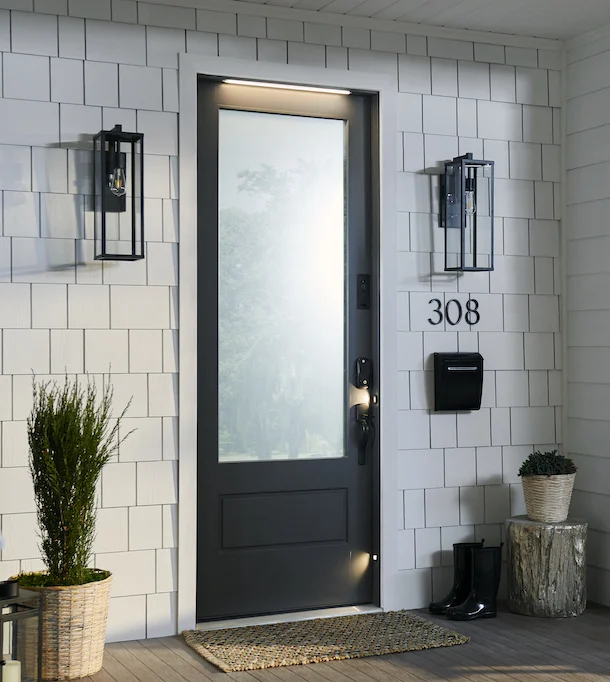
The recent review of the Mill composting system, developed by Nest co-founder Matt Rodgers, underscores the ongoing innovation in specialized smart home appliances. While such devices offer unique functionalities, their premium pricing can create an accessibility gap. Similarly, the introduction of Masonite’s "smart door" at Home Depot, priced at a significant premium, raises questions about the market’s readiness for high-cost, integrated smart home solutions. These expensive, specialized devices, while showcasing technological advancements, may inadvertently reinforce the perception of the smart home as a luxury rather than an essential utility for the average consumer. This trend suggests a bifurcation in the market, with high-end, feature-rich products catering to early adopters, while a more affordable and universally compatible segment struggles to gain traction.
Regulatory Momentum: The FCC’s Cybersecurity Labeling Initiative
Amidst the evolving smart home market, regulatory bodies are taking steps to address critical security concerns. The Federal Communications Commission (FCC) has proposed a new cybersecurity labeling program for Internet of Things (IoT) devices. This initiative, currently in a Notice of Proposed Rulemaking phase, aims to provide consumers with clear, standardized information about the cybersecurity posture of smart devices. With a 30-day public comment period, the FCC is soliciting feedback from industry stakeholders and the public on how best to implement this crucial program.
The proposal is a significant development, acknowledging the growing risks associated with an increasingly interconnected home environment. As more devices, from smart speakers to refrigerators, connect to the internet, they become potential entry points for malicious actors. A standardized cybersecurity label could empower consumers to make more informed purchasing decisions, prioritizing devices that meet established security benchmarks. This could, in turn, incentivize manufacturers to prioritize security throughout the product development lifecycle, fostering a more secure smart home ecosystem. The implications of this initiative are far-reaching, potentially influencing product design, manufacturing standards, and consumer trust in smart home technology.
Background on IoT Security Concerns
The need for such a labeling program is underscored by ongoing reports of vulnerabilities in connected devices. The increasing sophistication of cyber threats targeting the IoT sector has become a significant concern for national security and individual privacy. Previously, incidents involving compromised smart cameras, routers, and even children’s toys have highlighted the potential for these devices to be used for surveillance, data theft, or as part of larger botnet attacks. The FCC’s proposed program represents a proactive step towards mitigating these risks by introducing a layer of transparency and accountability.
Broader Security Threats and the Role of Specialized Hardware
Beyond consumer-facing devices, the interconnectedness of modern infrastructure presents broader cybersecurity challenges. Microsoft’s recent discovery of a new set of vulnerabilities impacting industrial control systems (ICS) serves as a stark reminder of the potential for cyberattacks to disrupt critical services, including power generation. These vulnerabilities, if exploited, could have severe consequences for national security and public safety. The sophistication and potential impact of such threats necessitate a robust and multi-layered approach to cybersecurity, extending from consumer electronics to industrial applications.
In the realm of smart home hardware, the market for specialized chips that power these devices is also evolving. The emergence of a new company poised to become a secondary source for Z-Wave chips offers a promising development for the Z-Wave ecosystem. Z-Wave, a wireless communication protocol widely used in smart home devices, has historically relied on a limited number of chip manufacturers. Diversifying the supply chain can lead to increased competition, potentially driving down costs and fostering further innovation within the Z-Wave standard.

The Z-Wave Ecosystem and the Impact of New Chip Providers
The introduction of a new Z-Wave chip provider is significant for several reasons. It addresses potential supply chain risks and can inject new competition into the market. This could lead to more affordable Z-Wave devices for consumers and encourage developers to create new products based on the standard. Furthermore, this development occurs within the context of broader efforts to unify the smart home.
The Future of Smart Home Hubs: Local Control and Interoperability
The discussion around the future of the smart home is incomplete without considering the role of central hubs that facilitate device communication and automation. Kevin’s review of the Homey Pro smart home hub highlights a growing trend towards devices that prioritize local control and offer extensive device compatibility. While the Homey Pro comes with a substantial price tag, its ability to manage devices directly on the local network, rather than relying solely on cloud services, offers enhanced privacy and reliability. This focus on local processing is a significant differentiator in an era where concerns about data privacy and cloud service dependency are escalating.
The Homey Pro’s strength lies in its potential to bridge different smart home protocols, a crucial aspect for creating a truly integrated experience. As the smart home market matures, the demand for sophisticated hubs that can manage a diverse range of devices, regardless of their underlying communication technology, is likely to increase. This is particularly relevant with the ongoing development of interoperability standards like Matter, which aims to unify smart home devices across different brands and ecosystems.
The Importance of Bridging Standards: Matter and Z-Wave
The integration of various smart home protocols is a critical step towards realizing the full potential of a connected home. Mariusz Malkowski, founder and CTO of Trident IoT, offers valuable insights into this domain. Trident IoT’s work focuses on developing solutions for the Z-Wave community, including the development of new Z-Wave chips. Malkowski’s expertise highlights the crucial role of bridging technologies that enable seamless communication between different smart home standards.
The interaction between Matter and Z-Wave is a key area of development. Matter, an IP-based connectivity standard, aims to simplify smart home device interoperability. Z-Wave, with its established presence and mesh networking capabilities, offers a robust foundation for many existing smart home devices. The ability to effectively bridge these two standards is essential for ensuring that new Matter-compliant devices can coexist and interact with the vast number of Z-Wave devices already deployed in homes. Trident IoT’s focus on building or integrating various smart home radio protocols and acting as a Z-Wave certification house positions them as a key player in this evolving landscape.
The Future of Z-Wave: Security and Long Range
Malkowski’s discussion also touches upon the future of Z-Wave, including plans for Z-Wave Long Range (LR) and significant security upgrades. Z-Wave LR promises extended range and improved power efficiency, enabling the protocol to be used in a wider array of applications and devices, potentially overcoming some of the range limitations of previous Z-Wave generations. The emphasis on planned security upgrades is particularly noteworthy, addressing the industry’s ongoing commitment to enhancing the robustness of connected device security. These advancements are crucial for maintaining consumer confidence and ensuring the long-term viability of the Z-Wave standard in a competitive market.
Addressing Listener Inquiries: Practical Smart Home Solutions
Beyond the broader industry trends, practical advice for consumers remains a vital component of smart home discourse. A listener question regarding the appropriate light bulb for a woodworker’s lamp exemplifies the need for tailored guidance. For such applications, considerations often include bulb type (e.g., LED, incandescent), color temperature (e.g., warm white, cool white), and lumen output, all of which can impact visibility and task performance. For woodworking, a neutral to cool white light with a high Color Rendering Index (CRI) is typically recommended to accurately perceive colors and details, crucial for precision work. LED bulbs are often preferred for their energy efficiency, longevity, and various color temperature options.
The current state of the smart home is one of dynamic evolution, characterized by both significant progress and persistent challenges. The leadership transitions at major players like Amazon, coupled with advancements in regulatory frameworks and the development of interoperability standards, suggest a period of significant change. As the industry navigates these shifts, the focus on security, interoperability, and user-centric design will be paramount in shaping the truly intelligent and accessible smart home of the future.