

The landscape of the smart home is at a pivotal moment, marked by significant leadership changes at Amazon, the approaching tenth anniversary of its flagship voice assistant Alexa and Echo devices, and a series of developments that highlight both the maturation and the persistent challenges of connected living. David Limp, Amazon’s Senior Vice President of Devices and Services, is slated to retire, joining a broader exodus of senior executives from the e-commerce giant over the past year. This transition comes as Alexa and the Echo line of products are poised to enter their second decade, prompting a critical examination of their impact on the smart home ecosystem and the evolution of consumer expectations.
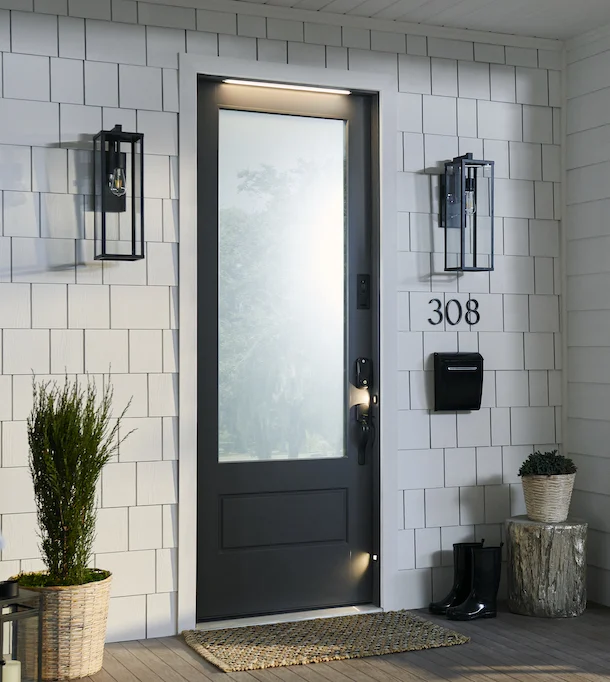
The challenges facing the smart home’s widespread adoption and seamless integration are underscored by recent product introductions and reviews. The Mill kitchen trash can, a composting system developed by Nest co-founder Matt Rodgers, and the expensive Masonite M-Pwr smart door, now available at Home Depot, exemplify the category’s push towards niche, high-end solutions that may not resonate with the average consumer seeking practical, affordable smart home enhancements. These offerings, while showcasing technological advancements, raise questions about the accessibility and perceived value of many smart home innovations.
However, the regulatory environment is also evolving, with the Federal Communications Commission (FCC) proposing a cybersecurity labeling program for Internet of Things (IoT) devices. This initiative, open for public comment for 30 days, aims to provide consumers with clearer information about the security posture of their connected devices, a crucial step in building trust and addressing growing concerns about data privacy and device vulnerabilities.
Leadership Shifts and the Future of Amazon’s Device Division
The departure of David Limp, a key figure in the development and expansion of Amazon’s hardware portfolio, including Alexa, Echo, Kindle, and Ring, signifies a potential recalibration for the company’s device strategy. Limp has been instrumental in shaping Amazon’s approach to consumer electronics, overseeing the integration of artificial intelligence into everyday devices and the creation of a vast ecosystem of connected products. His tenure saw the rapid growth of Alexa from a novel voice assistant to a central hub for many smart homes.
While Amazon has not publicly detailed the specific reasons for Limp’s retirement or named a successor, the timing, coupled with other executive departures, suggests a period of strategic review within the company. Amazon’s device division has faced scrutiny regarding profitability and the long-term vision for Alexa, particularly in light of increasing competition and evolving consumer needs. The company’s continued investment in AI, however, indicates a sustained commitment to the broader field, even as the specific direction of its hardware efforts may shift. Industry analysts suggest that the next phase for Amazon’s devices could involve a greater emphasis on AI-driven services and a more integrated approach to its cloud computing and e-commerce platforms.
The Decade of Alexa and the Smart Home’s Uneven Progress
Ten years ago, the Amazon Echo, powered by Alexa, entered the market, fundamentally altering the perception of how consumers could interact with their homes. Initially a novelty, voice control through smart speakers quickly became a cornerstone of the burgeoning smart home industry. The Echo’s ability to play music, answer questions, set timers, and control other connected devices laid the groundwork for an ecosystem that promised convenience and automation.
Over the past decade, the smart home market has experienced significant growth, with projections indicating a continued upward trajectory. According to Statista, the global smart home market is expected to reach a revenue of $187.70 billion in 2024, with a projected annual growth rate of 10.59% (CAGR 2024-2029). The number of connected devices in households has also surged, with estimates suggesting an average of 20 to 30 smart devices per home in developed markets.
Despite this growth, the smart home has not fully realized its potential for universal adoption. Key barriers remain, including cost, complexity of setup and management, interoperability issues between different brands and platforms, and persistent concerns about privacy and security. The initial promise of a seamlessly integrated, intelligent home environment has, for many, evolved into a collection of disparate devices that require constant attention and troubleshooting.
High-End Innovations and the Question of Accessibility
The recent spotlight on the Mill composting system and the Masonite smart door highlights a segment of the smart home market focused on premium features and design. The Mill kitchen trash can, for instance, offers a sophisticated solution for food waste, utilizing technology to reduce odor and volume, and potentially transforming waste into compost. Similarly, the Masonite M-Pwr smart door integrates power and connectivity directly into the door frame, enabling features like built-in lighting, security cameras, and smart lock capabilities.
While these products represent technological innovation, their high price points raise questions about their market reach. The Masonite M-Pwr smart door, for example, is marketed as a high-end security and convenience solution, with its initial availability and pricing suggesting a target demographic with significant disposable income. This focus on luxury and specialized functionality, while pushing the boundaries of what smart home technology can achieve, can inadvertently alienate a broader consumer base seeking practical, everyday smart home solutions. The challenge for the industry lies in balancing the development of cutting-edge features with the need for affordability and ease of use to drive mass-market adoption.

Regulatory Intervention: The FCC’s Cybersecurity Labeling Program
In response to the growing number of connected devices and the associated security risks, the FCC has taken a proactive step by proposing a cybersecurity labeling program for IoT devices. This initiative, formally a Notice of Proposed Rulemaking, aims to empower consumers by providing a clear, standardized way to identify devices that meet certain cybersecurity benchmarks. The proposed label would signify that a device has undergone security testing and adheres to established security standards, such as encryption, secure update mechanisms, and data protection protocols.
The public comment period, lasting 30 days from the issuance of the notice, provides an opportunity for industry stakeholders, consumer advocacy groups, and the general public to offer feedback and shape the final regulations. Such a program is crucial for fostering consumer confidence in the smart home market. Historically, security vulnerabilities in IoT devices have been exploited for malicious purposes, ranging from distributed denial-of-service (DDoS) attacks to unauthorized access of personal data. A transparent labeling system could significantly mitigate these risks by incentivizing manufacturers to prioritize security in their product development and by enabling consumers to make informed purchasing decisions.
Emerging Threats and the Need for Robust Security Frameworks
Beyond consumer-facing devices, the security of industrial control systems and critical infrastructure remains a paramount concern. Microsoft’s recent discovery of a new set of vulnerabilities affecting industrial equipment underscores the sophisticated nature of cyber threats targeting essential services. These vulnerabilities, if exploited, could potentially disrupt operations and even lead to the shutdown of critical facilities, such as power plants.
The implications of such discoveries are far-reaching, highlighting the interconnectedness of modern infrastructure and the potential cascading effects of cyberattacks. The constant evolution of threat vectors necessitates a continuous effort in vulnerability research, threat intelligence, and the implementation of robust security measures across all layers of networked systems. This includes not only the devices themselves but also the software, protocols, and network infrastructure that support them. The proactive identification and mitigation of these vulnerabilities are critical to maintaining the stability and security of society’s essential functions.
Innovation in Connectivity: Z-Wave’s Evolution and New Chip Providers
The smart home ecosystem relies on a variety of wireless communication protocols, each with its strengths and weaknesses. Z-Wave, a low-power radio wave technology primarily used for home automation, has been a significant player in the market, known for its reliability and mesh networking capabilities. Recent developments indicate a renewed focus on strengthening the Z-Wave standard and ensuring its continued relevance.
A new company is emerging as a secondary source of Z-Wave chips, a development that could significantly impact the market by increasing supply, fostering competition, and potentially driving down costs. This move is particularly important as the industry navigates supply chain challenges and seeks to ensure the availability of critical components. Furthermore, the integration of Z-Wave with emerging standards like Matter, the interoperability protocol designed to unify smart home devices, is crucial for its future. Mariusz Malkowski, founder and CTO of Trident IoT, a company involved in Z-Wave chip development and certification, discussed the importance of bridging Z-Wave with Matter, explaining how this collaboration will enable Z-Wave devices to function within a broader, more unified smart home ecosystem. Trident IoT’s efforts to build Z-Wave chips, integrate other smart home radio protocols, and act as a Z-Wave certification house are vital steps in ensuring the protocol’s longevity and adaptability. Plans for Z-Wave Long Range and security upgrades further signal a commitment to modernizing the standard.
The Homey Pro: A Glimpse into Local Control and Advanced Hubs
The discussion around smart home hubs also touches upon the growing desire for greater user control and local processing of device commands. Kevin’s review of the Homey Pro smart home hub offers insights into this trend. While the Homey Pro is positioned as an expensive device, its key selling point is its ability to manage and control smart home devices locally, rather than relying solely on cloud-based services.
This emphasis on local control addresses several consumer concerns, including privacy, latency, and the potential for service disruptions when internet connectivity is compromised. For advanced users and enthusiasts, hubs like the Homey Pro provide a powerful platform for creating complex automations and managing a diverse range of devices from different manufacturers. The fact that such a premium, locally-focused hub is gaining attention suggests a segment of the market actively seeking alternatives to cloud-dependent systems and prioritizing data sovereignty and responsive device performance.
Addressing Niche User Needs: The Woodworker’s Lamp Bulb Question
Beyond the broad technological trends, the smart home discussion also extended to practical, individual user needs. The question posed by a woodworker regarding the appropriate light bulb for a lamp he is building highlights the diverse applications and considerations within the smart home context. This seemingly simple query underscores the need for accessible information and tailored advice, even for basic components.
The answer to such a question would likely involve considering factors such as color temperature (e.g., warm white, cool white, daylight), brightness (lumens), energy efficiency (wattage equivalent), dimmability, and potentially smart capabilities (e.g., color-changing or Wi-Fi connected bulbs). For a woodworker, specific considerations might include the bulb’s ability to accurately render colors, which is crucial for discerning wood tones and finishes. This type of granular detail, when addressed, contributes to the overall user experience and reinforces the idea that smart home technology, in its broadest sense, aims to enhance everyday life through informed choices and tailored solutions.