

The smart home landscape is at a critical juncture, marked by significant leadership changes at Amazon and the approaching tenth anniversary of its foundational voice assistant, Alexa, and the Echo device line. David Limp, Amazon’s head of devices, is set to retire, joining a broader trend of executive departures from the tech giant over the past year. This transition, coupled with the impending milestone for Alexa and Echo, prompts a re-evaluation of their impact on the smart home ecosystem and the areas where progress has stalled or faltered.
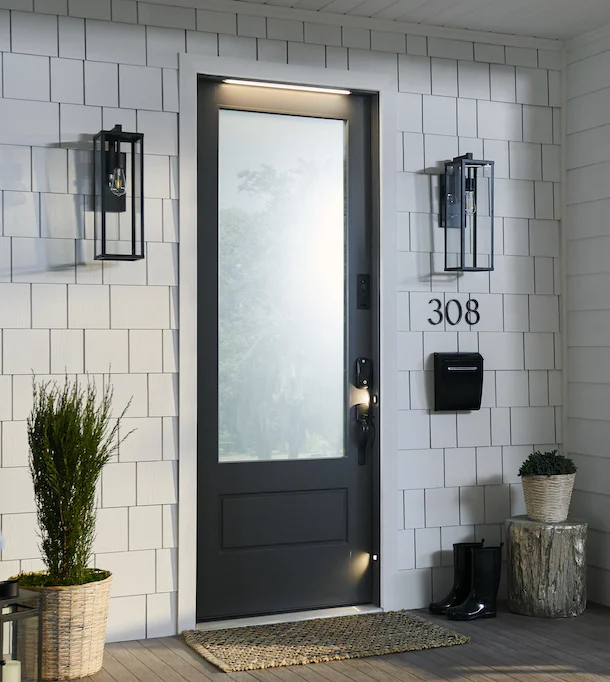
The challenges and complexities of the modern smart home are underscored by recent product developments and market trends. The Mill kitchen trash can, a composting system developed by Nest co-founder Matt Rodgers, offers a glimpse into the ambition and potential of connected appliances, yet also highlights the niche appeal and potential cost barriers for such innovations. Similarly, the introduction of the Masonite M-Pwr smart door at Home Depot, a product positioned as a premium, integrated solution, has drawn attention for its significant price point, raising questions about accessibility and mass market adoption. These examples illustrate a recurring theme in the smart home: the tension between cutting-edge functionality and practical, affordable integration into everyday life.
However, the regulatory environment is showing signs of proactive engagement. The Federal Communications Commission (FCC) has released a Notice of Proposed Rulemaking for an Internet of Things (IoT) cybersecurity labeling program. This initiative aims to provide consumers with clearer information about the security posture of their connected devices, a move widely anticipated by industry observers concerned about the growing cybersecurity risks associated with an interconnected home. The public comment period for this proposal is open for 30 days, inviting stakeholders and consumers to contribute to the development of these crucial consumer protection measures.
Further highlighting the evolving security landscape, Microsoft has identified a new suite of vulnerabilities with the potential to disrupt critical infrastructure. These vulnerabilities, if exploited, could theoretically be used to shut down power plants, underscoring the far-reaching implications of cybersecurity breaches in the interconnected world. While not directly a smart home issue, it serves as a stark reminder of the systemic risks inherent in widespread connectivity.
On the hardware and standards front, the Z-Wave protocol, a long-standing communication standard in the smart home, is receiving a boost with the emergence of a new chip provider. This development is significant for ensuring the continued availability and innovation of Z-Wave-enabled devices. Furthermore, the Homey Pro smart home hub has been reviewed, lauded for its extensive device support and local control capabilities, though its premium pricing positions it as a solution for enthusiasts rather than a mass-market offering.
The Z-Wave Ecosystem and the Dawn of Trident IoT
A key development shaping the future of smart home connectivity is the emergence of Trident IoT, a company poised to play a pivotal role in the Z-Wave ecosystem. Mariusz Malkowski, founder and CTO of Trident IoT, shared insights into the company’s mission and its implications for the broader smart home market. Trident IoT is not only focused on manufacturing Z-Wave chips but also on integrating other smart home radio protocols into devices, aiming to become a comprehensive solutions provider.
"Our vision is to bridge the gaps between different smart home standards and to ensure robust, secure, and interoperable devices," Malkowski stated. "The Z-Wave community has a strong foundation, and we believe in its continued relevance, especially with advancements like Z-Wave Long Range and planned security enhancements. Our role extends beyond chip manufacturing; we are committed to fostering innovation and ensuring that devices communicate seamlessly, regardless of their underlying protocol."
Trident IoT’s strategic focus on becoming a Z-Wave certification house further solidifies its commitment to the protocol’s integrity and growth. This dual role as a manufacturer and a certifying body is expected to streamline the development and deployment of new Z-Wave devices, potentially accelerating innovation and improving product quality.
Bridging the Divide: Matter and Z-Wave Integration
The advent of the Matter standard has been a significant catalyst for the smart home industry, promising greater interoperability between devices from different manufacturers. Malkowski elaborated on how Matter will interact with Z-Wave, emphasizing the importance of bridging technologies.
"Matter is a crucial step forward for the smart home, and Z-Wave will coexist and integrate with it," Malkowski explained. "We see a future where Matter acts as the overarching application layer, while Z-Wave continues to provide its reliable and low-power mesh networking capabilities. Trident IoT is actively working on solutions that facilitate seamless communication between Matter-enabled devices and existing Z-Wave infrastructure. This bridging is essential for a truly unified smart home experience, allowing users to leverage their existing Z-Wave devices within a Matter ecosystem."
The technical details of this integration involve translating communication between the different protocols. Z-Wave operates on a sub-gigahertz frequency, forming a robust mesh network, while Matter primarily utilizes Wi-Fi and Thread (also operating in the 2.4 GHz band). Bridges, often incorporated into smart home hubs, will be key to translating commands and data between these networks, ensuring that a Matter controller can effectively communicate with a Z-Wave sensor or actuator, and vice-versa. This interoperability is critical for preventing the fragmentation that has historically plagued the smart home market.
The Evolving Landscape of Z-Wave Technology
The Z-Wave protocol itself is not static. Malkowski highlighted upcoming advancements that will ensure its continued competitiveness. Z-Wave Long Range (LR) is a significant development, designed to extend the range of Z-Wave devices, particularly beneficial for larger homes or properties where traditional Z-Wave signals might struggle. This extended range can reduce the need for multiple signal repeaters, simplifying installations and improving network performance.

"Z-Wave Long Range addresses a key limitation of previous iterations, offering greater flexibility in device placement and network design," Malkowski noted. "Coupled with planned security upgrades, Z-Wave is evolving to meet the demands of a more sophisticated and security-conscious market."
The focus on security upgrades is particularly pertinent given the increasing awareness of smart home vulnerabilities. Z-Wave Alliance has been working on enhancing the security features of the protocol, aiming to provide end-to-end encryption and more robust authentication mechanisms. These enhancements are vital for building consumer trust and ensuring the long-term viability of the Z-Wave standard.
A Look at the Broader Smart Home Market
The discussions surrounding Alexa, Echo, and Z-Wave occur against a backdrop of a rapidly evolving smart home market. While Amazon’s leadership transition at its devices division might signal a period of internal reassessment, the demand for connected devices continues to grow.
Smart Home Device Market Growth (Illustrative Data):
- 2022 Global Smart Home Market Size: Approximately USD 80-90 billion.
- Projected Growth Rate: Compound Annual Growth Rate (CAGR) of 10-15% over the next five years.
- Key Segments: Smart speakers, smart lighting, smart thermostats, home security systems, and smart appliances.
Despite this growth, the market faces persistent challenges. The aforementioned Mill composting system and the high-priced Masonite smart door exemplify the difficulty in achieving broad consumer adoption for innovative, yet expensive, smart home products. The complexity of setup, concerns about privacy and security, and the lack of universal interoperability have historically been significant hurdles.
The FCC’s proposed cybersecurity labeling program represents a significant step towards addressing consumer concerns about device security. By providing a clear, standardized indicator of a device’s security features, consumers can make more informed purchasing decisions. This initiative is expected to incentivize manufacturers to prioritize security in their product development cycles.
Analysis of Implications
The departure of David Limp from Amazon’s devices division, occurring as Alexa and Echo approach their tenth anniversary, suggests a potential re-evaluation of Amazon’s long-term strategy for its smart home ecosystem. While Alexa has become a ubiquitous presence in many households, its ability to function as a standalone platform, independent of Amazon’s broader retail and services ecosystem, remains a subject of debate. The future trajectory of Alexa’s development and integration within the smart home will be closely watched.
The emergence of companies like Trident IoT, focusing on core connectivity protocols and interoperability, indicates a maturing of the smart home industry. The emphasis on bridging technologies like Matter with established protocols such as Z-Wave suggests a pragmatic approach to building a more cohesive and user-friendly smart home experience. The success of these bridging solutions will be critical in overcoming the interoperability challenges that have hindered widespread adoption.
The FCC’s cybersecurity labeling initiative, while still in its proposal stage, signals a growing recognition by regulatory bodies of the critical importance of security in the connected home. If implemented effectively, this program could drive a significant shift in manufacturer priorities, leading to more secure devices and greater consumer confidence.
Finally, the example of the Homey Pro, while offering advanced functionality, highlights the ongoing bifurcation of the smart home market between high-end enthusiast products and more accessible, mass-market solutions. For the smart home to truly achieve its potential, innovations must become more affordable and easier to integrate into the daily lives of a wider consumer base. The ongoing evolution of standards, increased competition in hardware manufacturing, and a greater focus on user experience will all be crucial in determining the ultimate success and ubiquity of the smart home.
The listener question regarding the appropriate light bulb for a woodworker building a lamp delves into a more practical, yet equally important, aspect of home integration: functionality and user needs. Choosing the right illumination can impact mood, task performance, and even the aesthetic of a crafted item. This seemingly simple query underscores the diverse range of considerations that constitute the "smart home" – from complex network protocols and cybersecurity to the fundamental utility of everyday objects. As the smart home continues to evolve, the interplay between advanced technology and fundamental user requirements will remain a defining characteristic of its development.