
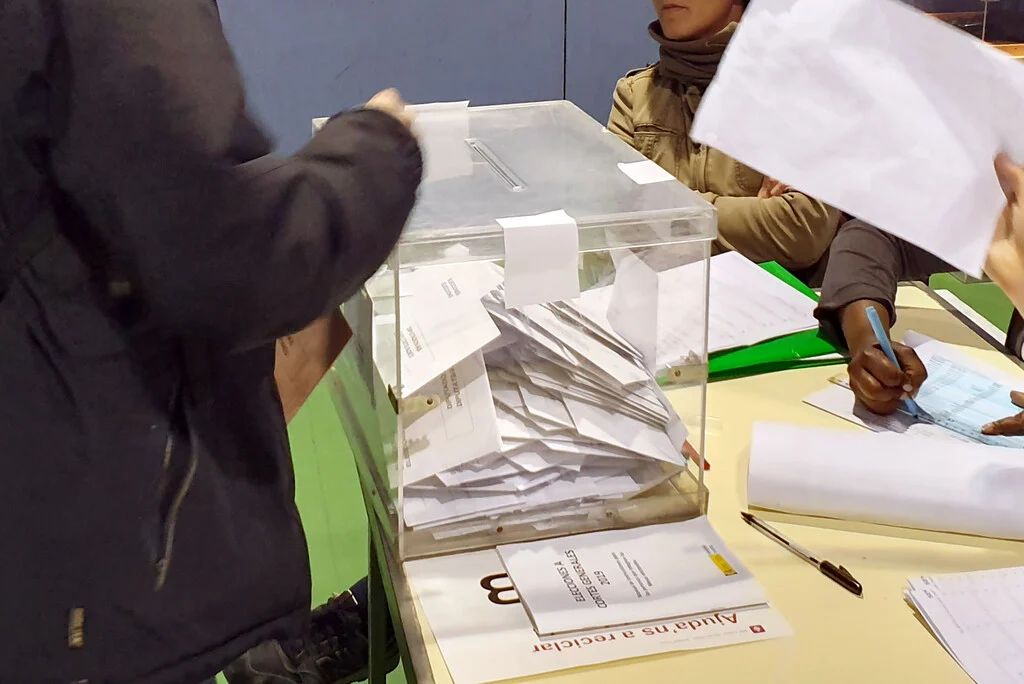

With merely a month and a half remaining until the highly anticipated Elecciones al Parlamento de Andalucía, the logistical preparations for this significant autonomous democratic event are largely in place. However, a pivotal element that has sparked considerable debate since its initial approval has now seen a decisive reversal: the use of the MiDNI mobile application as a valid form of identification at polling stations. This decision by the Central Electoral Board (Junta Electoral Central, JEC) not only contradicts previous rulings but also challenges broader governmental directives on digital identity, setting a precedent that could ripple across future electoral processes and the nation’s digital transformation agenda.
The MiDNI application, part of Spain’s broader push towards digital public services, was designed to allow citizens to carry a digital version of their National Identity Document (DNI) on their mobile phones, aiming to streamline identification processes across various interactions. Its potential utility in elections, offering a convenient alternative to the physical DNI card, was initially welcomed by some as a step towards modernization. However, this ambition has consistently been met with skepticism regarding security and verifiability, particularly in high-stakes contexts like electoral processes. The controversy is not entirely new; similar concerns arose during previous elections, notably the Elecciones al Parlamento de Aragón, where the app’s use also generated significant discussion. The expectation was that the Andalusian elections would follow a similar pattern of debate, a prediction that has now culminated in a definitive, albeit contentious, ruling from the JEC.
Background of MiDNI and the Digital Identity Push
The MiDNI app represents a cornerstone of the Spanish government’s strategy to enhance digital interaction between citizens and public administration. Launched with the promise of greater convenience and accessibility, it allows users to carry a legally recognized digital version of their DNI, complete with a photograph and personal data, accessible via a smartphone. This initiative aligns with broader European efforts, such as the eIDAS regulation (electronic IDentification, Authentication and trust Services), which seeks to create a secure and interoperable framework for digital identification across EU member states. The Spanish government, through various departments including the Ministry of the Interior and the National Police, has actively promoted the MiDNI app, emphasizing its legal validity for identification in most scenarios, from hotel check-ins to administrative procedures. Police Nacional, for instance, had previously clarified that citizens possessed the right to identify themselves using MiDNI and that such identification should be accepted.
The integration of MiDNI into electoral processes was seen as a logical extension of this digital push. For a country with over 47 million inhabitants and a substantial portion of its population actively using smartphones, offering a digital identification option for voting could, theoretically, enhance voter convenience and potentially streamline operations at polling stations. The initial agreements by the JEC seemed to pave the way for this integration, reflecting an intention to adapt electoral procedures to the digital age.
A Chronology of Contradictory Rulings and Mounting Concerns
The journey of MiDNI’s acceptance in elections has been marked by a series of shifting positions from the Central Electoral Board. Initially, the JEC had ratified the suitability of the MiDNI app, along with MiDGT (the digital driving license app), for voter identification in several sessions. Key among these were agreements dated February 16, 2023, September 18, 2025, and most recently, March 5, 2026. These earlier ratifications had opened the door for voters to use the app without requiring polling station officials to possess specialized reading devices. The prevailing understanding was that simply displaying the digital identification on a mobile device would suffice for verification by the polling station officials.
However, this approach immediately raised red flags regarding the security and integrity of the electoral process. The Partido Popular (PP), Spain’s main opposition party, was particularly vocal in its objections, submitting multiple complaints to the JEC. Their primary concern revolved around the lack of robust verification mechanisms. If a polling station official could only visually inspect a screen, how could they definitively ascertain the authenticity of the digital ID? The risk of fraud, such as presenting manipulated images, screenshots, or even sophisticated deepfakes of identification documents, became a central point of contention. Without a secure, machine-readable verification process, the integrity of voter identification could be compromised, potentially undermining the transparency and fairness of the elections.
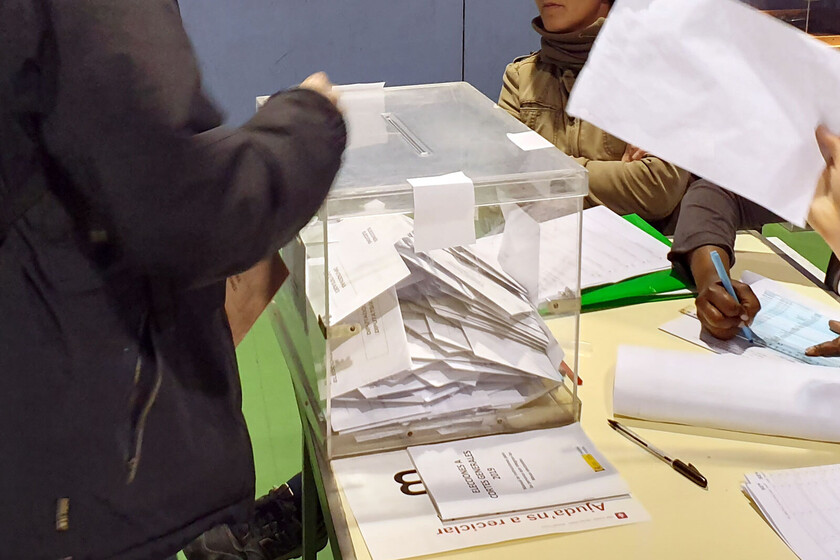
The experience in the Aragonese elections served as a practical precursor to these concerns. While the JEC had initially sought to address some of these issues, the fundamental problem of verifying a digital document without dedicated reading hardware remained largely unaddressed. The PP’s persistent complaints highlighted a critical gap between the convenience offered by digital IDs and the stringent security requirements of democratic elections.
The JEC’s Latest and Decisive Reversal
The culmination of these ongoing debates and security concerns arrived with the JEC’s latest session. Although the official publication of this session’s minutes on the JEC website was pending at the time of reporting, the decision was communicated directly to the press, signaling its immediate and significant impact. As reported by RTVE, the Central Electoral Board has now definitively reversed its earlier stance:
"The Board agrees to suspend the effectiveness of its Agreements of February 16, 2023, September 18, 2025, and March 5, 2026, which allowed the use of the ‘MiDGT’ and ‘MiDNI’ applications by voters at the time of casting their vote, either in person or by mail, until it is guaranteed that the control of the verification of the identity of voters by these systems is sufficiently secure."
This ruling unequivocally states that the digital DNI app is no longer a valid form of identification for exercising the right to vote in the upcoming Andalusian elections, nor for any other electoral process until adequate security guarantees are established. The key phrase, "until it is guaranteed that the control of the verification of the identity of voters by these systems is sufficiently secure," directly addresses the core security vulnerability that had been raised by critics.
Implications: Contradiction of Government Policy and Legal Discrepancies
This rectification by the JEC creates a significant divergence, at least within the electoral sphere, from one of the fundamental precepts established by the Spanish government regarding digital identification. The government’s legislative framework (e.g., through the Official State Gazette, BOE) and the directives from the National Police have consistently affirmed the legal validity and acceptance of MiDNI for identification purposes. The JEC’s decision, therefore, places electoral officials in a unique position where a generally accepted digital identification method is explicitly rejected.
This situation highlights a complex interplay between different legal and administrative bodies. While the government promotes digital transformation and the widespread use of digital IDs, the JEC, as the supreme body overseeing electoral processes, prioritizes the inviolability and security of voting. The JEC’s mandate is to ensure the utmost integrity and transparency in elections, and if a digital identification method cannot meet these stringent criteria, its use must be restricted. This raises questions about the coordination and alignment of digital strategy across various governmental and independent bodies.
The Core of the Security Concern: Lack of Verification Devices
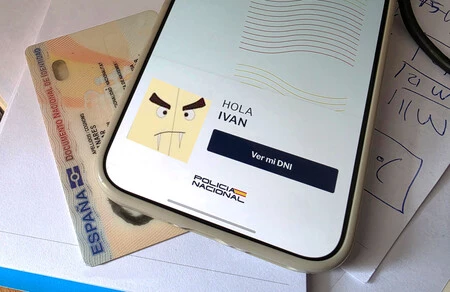
At the heart of the JEC’s decision lies the practical inability to securely verify the MiDNI app in the absence of specialized reading equipment at polling stations. The original approach, which relied solely on visual inspection by polling officials, was deemed insufficient. While the MiDNI app itself incorporates security features designed to prevent simple screenshots or tampering, its effectiveness relies on a counterpart verification system. Without a device that can read the embedded security features, such as QR codes or NFC tags, and cross-reference them with official databases in real-time, the visual display on a smartphone screen remains vulnerable to sophisticated fraud.
The PP had previously advocated for the provision of dedicated reading devices to each polling station to ensure proper verification. However, this request was denied, likely due to the immense logistical and financial challenges it would entail. Spain typically has around 80,000 polling stations spread across the country for general elections. Equipping each with a smartphone or a specialized reader, along with ensuring connectivity, software updates, and staff training, would represent a colossal investment and a complex logistical undertaking that was evidently not budgeted or planned for. The JEC’s current ruling implicitly acknowledges this practical hurdle: without these verification devices, sufficient security cannot be guaranteed. Given the prohibitive costs and tight timeframe for the Andalusian elections, eliminating the digital DNI option became the most pragmatic, albeit regressive, solution from a digital transformation perspective.
Practical Implications for Andalusian Voters and Future Digital Adoption
For the millions of voters heading to the polls in Andalusia, the directive is now clear: the physical DNI card is the only acceptable form of identification. This means that any voter arriving with only the MiDNI app on their phone will be denied their right to vote until they can present their physical document. This situation underscores a broader challenge for the implementation of digital public services: the gap between legal validity in principle and practical, secure applicability in real-world scenarios.
Furthermore, the JEC’s decision highlights a critical omission in the government’s digital identity strategy: the lack of a clear legal recourse or grievance mechanism for citizens when their digital DNI is not accepted. While the law may state its general acceptance, the absence of specific provisions for complaints or sanctions in cases of non-acceptance leaves citizens without a practical means to enforce their rights. This ambiguity can erode public trust in digital initiatives and create confusion among citizens who have embraced these modern tools.
This reversal also carries broader implications for Spain’s digital transformation agenda. It sends a message that while digital identity is being promoted, its full integration into critical public processes like elections still faces significant hurdles, particularly concerning security and infrastructure. This could slow down the adoption of other digital government services if citizens perceive them as unreliable or inconsistently accepted. The incident might prompt a re-evaluation of the rollout strategy for digital IDs, emphasizing the need for robust verification infrastructure to accompany legislative backing.
Conclusion: A Step Back for Digital Elections, a Priority for Security
The Central Electoral Board’s decision to suspend the use of the MiDNI app for voter identification in the upcoming Andalusian elections marks a clear prioritization of electoral security and integrity over digital convenience. While it represents a setback for the government’s ambitions for digital identity integration in public life, it underscores the JEC’s unwavering commitment to preventing any potential avenue for fraud in the democratic process.
Moving forward, the challenge for both the government and electoral authorities will be to bridge this gap. This could involve developing and implementing secure, cost-effective verification technologies for polling stations, or refining the MiDNI app itself to incorporate features that allow for indisputable, real-time verification without specialized hardware. Until such guarantees can be established, the familiar plastic DNI card will remain the indispensable key to exercising the right to vote in Spain, ensuring that while the digital age progresses, the foundations of democratic integrity remain uncompromised.