
South Korea stands as a global titan in information and communication technology, consistently ranking among the top nations for internet penetration and mobile connectivity speeds. As the country continues to push the boundaries of digital integration, the adoption of eSIM (embedded SIM) technology has transitioned from a niche convenience to a mainstream necessity for both international visitors and long-term expatriates. This digital evolution allows users to activate cellular plans directly on their devices’ internal chips, bypassing the logistical hurdles of physical SIM cards and providing a seamless transition into Korea’s high-speed 5G and LTE networks.
The Technological Evolution of eSIM in the Republic of Korea
The transition to eSIM technology in South Korea was catalyzed by the Ministry of Science and ICT (MSIT) in late 2022, when the government officially mandated that major domestic carriers support eSIM for the latest smartphone models. While the technology had been available internationally for several years, its formal integration into the Korean domestic market marked a significant shift in how the "Big Three" telecommunications providers—SK Telecom, KT, and LG U+—manage subscriber identities.
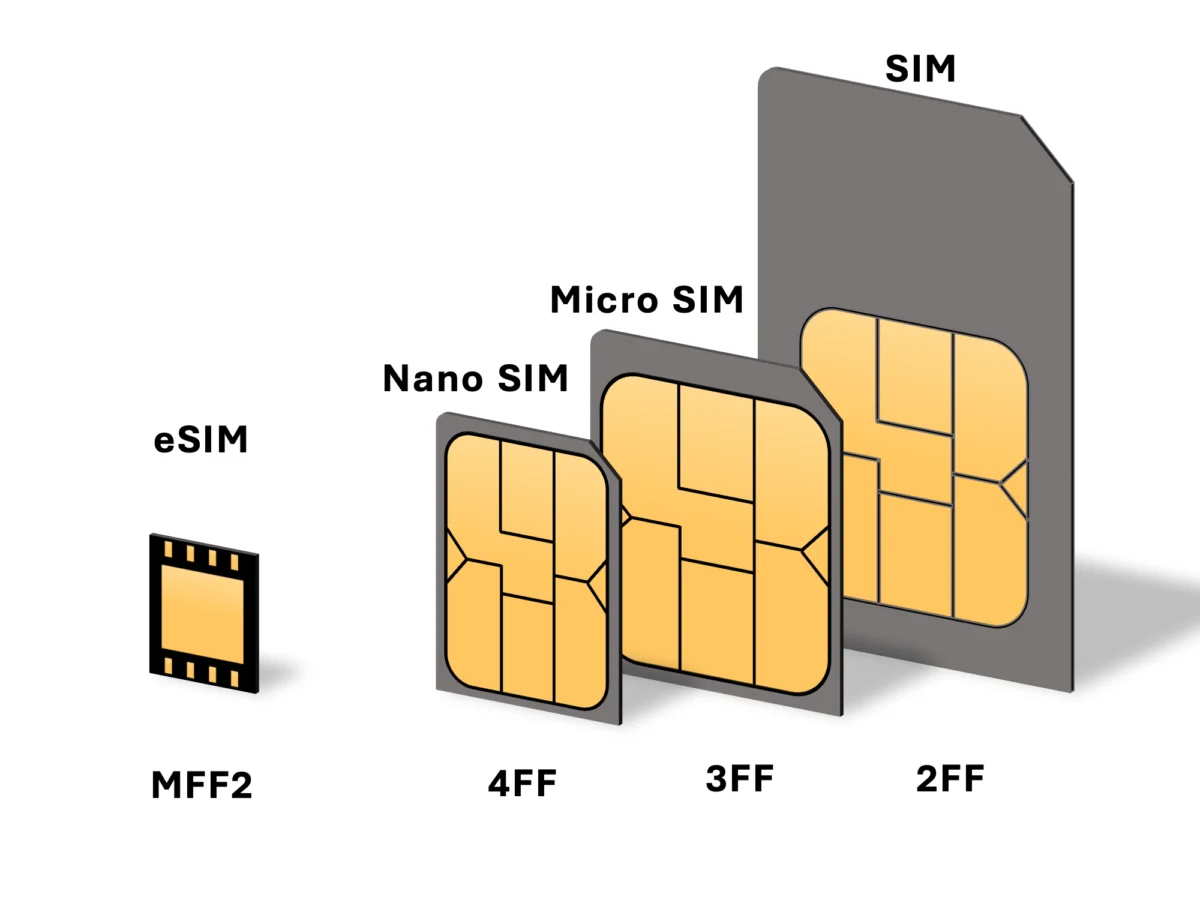
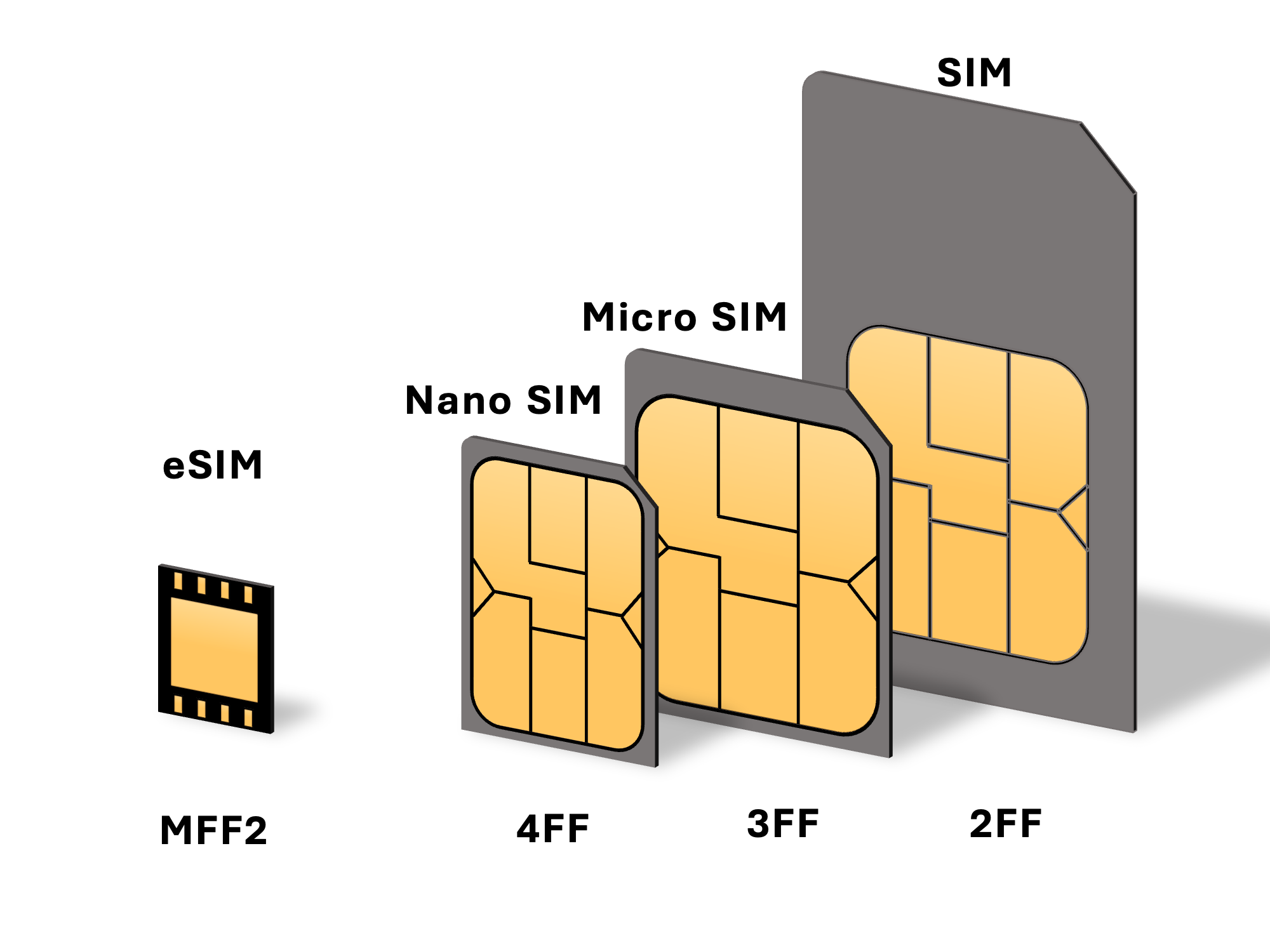
An eSIM is a programmable SIM that is soldered directly into the motherboard of a mobile device during manufacturing. Unlike the traditional plastic nano-SIM, which requires physical swapping and is prone to loss or damage, the eSIM can store multiple carrier profiles. For travelers landing at Incheon International Airport, this means they can transition from their home carrier to a local Korean network within minutes of landing, often by simply scanning a QR code received via email.
Strategic Benefits of Adopting eSIM Technology for Foreigners
The advantages of utilizing eSIM technology in South Korea extend beyond simple convenience. For the modern traveler or the newly arrived resident, the primary benefits include:
- Instantaneous Connectivity: Users can purchase and configure their plans prior to departure, ensuring that they have data access the moment their aircraft touches the tarmac.
- Dual-SIM Functionality: Most modern smartphones allow the eSIM to operate alongside a physical SIM. This enables travelers to keep their home number active for essential SMS (such as bank OTPs) while using a local Korean plan for data-heavy tasks like navigation via Naver Maps or KakaoTaxi.
- Enhanced Security: Because the SIM is embedded, it cannot be removed if the device is stolen, making it easier to track a lost phone and harder for unauthorized users to disable cellular tracking.
- Environmental Impact: The reduction in plastic waste and the elimination of physical shipping contribute to more sustainable tourism practices.
Market Analysis: Comparing Top eSIM Providers in Korea
The Korean telecommunications market is highly competitive, characterized by high infrastructure investment and a focus on 5G expansion. For foreigners, the market is divided between the primary network operators and specialized MVNOs (Mobile Virtual Network Operators) that cater specifically to international visitors.
Comparative Data Table: Standard Tourist eSIM Offerings (1GB Daily High-Speed + Throttled Unlimited)
| Provider | Base Price (Approx.) | Initial High-Speed Data | Validity | Network |
|---|---|---|---|---|
| SK Telecom | $35.00 | 1GB / Daily | 30 Days | SKT 5G/LTE |
| KT Olleh | $36.50 | 1GB / Daily | 30 Days | KT 5G/LTE |
| LG U+ | $39.00 | 1GB / Daily | 30 Days | LG U+ 5G/LTE |
| Korea SIM Card | $25.00 | 1GB / Daily | 30 Days | SKT/KT (Varies) |
Note: Prices are subject to exchange rate fluctuations and seasonal promotions.
Top eSIM Providers for Short-Term Tourists
1. Korea SIM Card (The Value Leader)
Korea SIM Card has emerged as the most popular choice for budget-conscious travelers. By partnering with major networks, they offer a streamlined digital experience. Their plans are particularly noted for their flexibility, offering data-only packages or comprehensive plans that include a local T-Money balance for public transportation. Their customer support is tailored for English, Chinese, and Japanese speakers, which is a significant advantage for those unfamiliar with the Korean language.
2. SK Telecom (The Coverage Specialist)
As the largest carrier in the country, SK Telecom (SKT) boasts the most extensive network coverage, particularly in mountainous regions and rural provinces. Their tourist eSIMs are highly reliable. While their price point is higher, the stability of their 5G network makes them the preferred choice for business travelers and digital nomads who require uninterrupted high-bandwidth connections for video conferencing.
3. KT Olleh (The Connectivity Hub)
KT is widely recognized for its "Olleh WiFi" network. When purchasing a KT eSIM, tourists often gain access to millions of secure Wi-Fi hotspots across Korea, including in subways, cafes, and public buildings. This can be a massive benefit for users looking to conserve their cellular data. Their activation process is highly automated and integrated with the Incheon Airport service desks.
4. LG U+ (The Multimedia Choice)
LG U+ often targets a younger demographic with competitive pricing for heavy data users. Their eSIM plans are frequently bundled with additional perks, such as discounts on local attractions or rental services. Their network is exceptionally strong in metropolitan areas like Seoul and Busan.
Best eSIM Solutions for Long-Term Residents
For those staying in Korea for more than 90 days—such as students, English teachers (E-2 visa holders), or corporate transfers—the requirements for an eSIM change. Long-term residents typically need a plan linked to their Alien Registration Card (ARC) to access essential "Real Name Verification" services required for Korean apps like Coupang, Baemin, and KakaoPay.
- SK Telecom (Long-Term): Offers post-paid plans starting around $29 per month. These plans often include unlimited domestic calls and texts, which are essential for navigating Korean bureaucracy and daily life.
- KT Olleh (Long-Term): Known for its "Family Bundles," KT is an excellent choice for expatriates moving with families. Linking multiple lines to a single home internet account can result in significant monthly discounts.
- LG U+ (Long-Term): Frequently offers the most aggressive pricing for "Unlimited Data" plans, which are crucial for residents who rely on their mobile devices as their primary gateway to entertainment and social media.
Timeline of eSIM Adoption and Market Growth
The trajectory of eSIM in Korea highlights the nation’s rapid adaptation to global tech trends:
- 2018: Early adoption begins with wearable devices (Apple Watch, Galaxy Watch) using eSIM for cellular connectivity.
- 2020-2021: During the global pandemic, the demand for "contactless" services leads to a surge in digital SIM purchases by essential travelers.
- September 2022: The South Korean government officially launches the domestic eSIM commercialization for smartphones, allowing local citizens to use dual-SIM devices.
- 2023-2024: Major carriers refine their digital-only brands (such as SKT’s "Da-Direct" or KT’s "Y-Direct") to offer cheaper, eSIM-only contracts to compete with MVNOs.
Critical Factors to Consider Before Selection
When choosing a provider, users should look beyond the sticker price. The following factors are vital for a satisfactory experience:
- Device Compatibility: Not all smartphones support eSIM. While iPhones (XS and newer) and Samsung Galaxy (S20 and newer) generally support it, regional variations exist. For example, many Chinese-market iPhones lack eSIM capabilities entirely.
- Data Speed Caps: Many "Unlimited" plans in Korea operate on a Fair Usage Policy (FUP). Typically, users get 1GB to 3GB of high-speed data per day, after which the speed is throttled to 5Mbps—sufficient for messaging and maps, but slow for high-definition streaming.
- Identity Verification: Tourists can usually sign up using just a passport. However, to get a Korean phone number (starting with 010) that can receive calls and texts, stricter verification is required compared to data-only eSIMs.
Activation and Technical Troubleshooting
The activation of a Korean eSIM is generally performed via a QR code. After purchase, the provider sends an email containing the code. Users must go to their phone’s "Cellular" or "SIM Card Manager" settings, select "Add eSIM," and scan the code.
Common Troubleshooting Steps:
- WiFi Connection: A stable Wi-Fi connection is required to download the eSIM profile from the carrier’s server.
- Carrier Lock: Ensure your device is "unlocked" from your home carrier. If the device is still under contract, the Korean eSIM will fail to activate.
- APN Settings: In rare cases, the Access Point Name (APN) must be manually entered. Providers usually include these details in the confirmation email.
Broader Economic Impact and Future Outlook
The shift toward eSIM is more than a technical upgrade; it is an economic driver for South Korea’s tourism sector. By lowering the barrier to entry for mobile connectivity, the government is facilitating a more "smart" tourism experience. This aligns with the "Visit Korea Year 2023-2024" initiative, which emphasizes the use of AI and big data to enhance the travel experience.
Industry analysts suggest that by 2026, physical SIM cards will be secondary in the Korean market. This transition is expected to save telecommunications companies billions of won in logistics and plastic production costs, while providing consumers with unprecedented freedom to switch providers based on performance and price. As South Korea prepares for the eventual rollout of 6G technology, the eSIM framework will serve as the foundational architecture for the next generation of hyper-connectivity.
In conclusion, whether visiting for a week-long tour of Seoul’s palaces or relocating for a career in the "Silicon Valley of the East," selecting the right eSIM provider is the first step toward a successful stay. By weighing the coverage of SKT, the hotspots of KT, the value of Korea SIM Card, or the innovation of LG U+, users can ensure they remain connected to the heartbeat of one of the world’s most digitally advanced societies.