
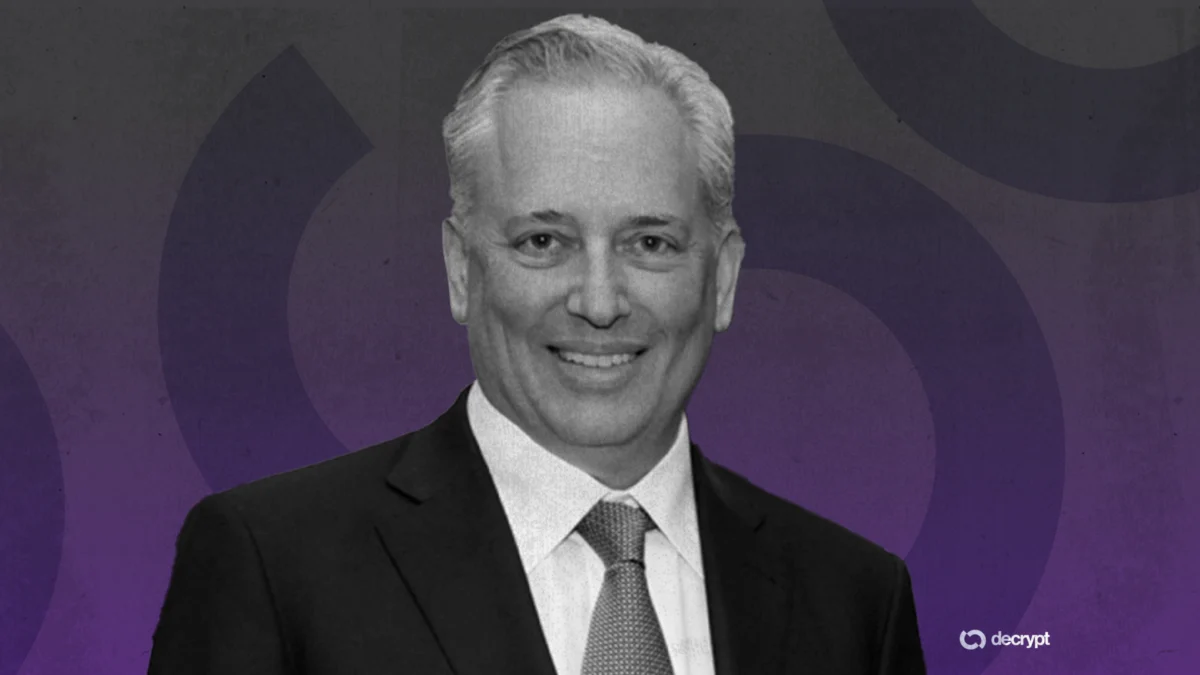

David Sacks, who served as a pivotal figure in shaping the Trump administration’s approach to artificial intelligence and digital assets, is stepping down from his role as the White House’s AI and crypto czar. His tenure, though relatively brief, has been instrumental in recalibrating the U.S. government’s strategy for these rapidly evolving technological domains. Sacks confirmed his departure in an interview with Bloomberg on Thursday, stating that his term as a special government employee had concluded upon reaching the 130-day statutory limit. While his direct oversight of digital asset policy concludes, Sacks will maintain a significant presence within the administration, transitioning to a co-chair position on the President’s Council of Advisors on Science and Technology (PCAST). In this expanded capacity, he will lend his expertise to a wider spectrum of technological issues facing the nation.
A Legacy of Digital Asset Policy Under Review
During his time in the White House, Sacks played a central and often outspoken role in formulating the Trump administration’s agenda concerning cryptocurrencies. His efforts were largely directed towards fostering a more favorable regulatory environment for the burgeoning digital asset industry. Key initiatives he championed included the push for comprehensive market structure legislation and the development of clear rules governing stablecoins. Furthermore, Sacks was a vocal proponent of exploring the establishment of a U.S. strategic Bitcoin reserve, an idea positioned as a means to solidify America’s standing in the global digital economy.
Sacks consistently articulated a critique of the regulatory approach adopted by the Biden administration prior to his appointment, characterizing it as excessively reliant on enforcement actions rather than proactive rule-making. This perspective aligned with a broader sentiment within certain circles of the Trump administration, which sought to differentiate its policy stance by emphasizing innovation and market growth. Sacks himself had previously divested his personal cryptocurrency holdings before assuming his White House position, a move he publicly stated was to preempt any potential conflicts of interest while still advocating for a more defined regulatory framework for the industry.
Despite these proactive efforts, several of the most anticipated legislative reforms championed by Sacks and the administration remain in progress, highlighting the complex and often protracted nature of policy-making in Congress. Sacks had initially expressed optimism that market structure and stablecoin legislation could be enacted within the administration’s first 100 days. However, these legislative endeavors have encountered significant headwinds and debate within Congress, extending well beyond the initial target timeline. The CLARITY Act, a significant piece of proposed legislation aimed at providing clearer guidelines for digital assets, continues to be a subject of ongoing discussion and negotiation.
Unfinished Initiatives and Shifting Strategies
The aspiration to create a permanent White House "crypto council," envisioned as a forum for direct engagement with industry leaders, ultimately did not materialize in its initial form. Citing reports from publications such as Decrypt, internal disagreements within the industry and the administration’s preference for more adaptable engagement strategies led to a shift. Instead of a permanent council, the administration opted for a series of periodic summits and the formation of an internal digital-assets working group. This approach aimed to maintain dialogue and gather input while navigating the complexities of industry representation and consensus-building.
Sacks was also instrumental in the early discussions surrounding the administration’s concept of a digital asset stockpile and a strategic Bitcoin reserve. These proposals were framed as integral components of a larger strategy to position the United States as a global leader in the cryptocurrency space. The envisioned reserve was to be continually replenished with Bitcoin seized by U.S. authorities in various enforcement actions. However, the practicalities of funding additional acquisitions and the precise mechanisms for managing such a reserve have remained subjects of ongoing discussion and uncertainty, indicating that this ambitious initiative has yet to achieve its full intended scope.
Throughout his tenure, Sacks also navigated sensitive political terrain, frequently addressing concerns regarding alleged links between former President Trump and World Liberty Financial, a decentralized finance (DeFi) firm with a substantial ownership stake held by the President’s sons. Sacks consistently downplayed these associations, emphasizing the administration’s commitment to a comprehensive and objective policy framework for digital assets, irrespective of individual industry affiliations.
The Road Ahead: AI and Broader Technological Strategy
Sacks’ departure signifies a shift in the administration’s immediate focus on digital asset policy, leaving key legislative efforts in a state of continued deliberation. Lawmakers are still engaged in robust debates concerning the appropriate regulatory architecture for digital assets, including the division of oversight responsibilities among various federal agencies and the specific governance frameworks for stablecoins.
However, Sacks’ transition to PCAST underscores a strategic recognition of the interconnectedness of various technological advancements. In his new role, he articulated his intention to broaden his advisory scope. "As co-chair of PCAST, I can now make a range of recommendations on not just AI but an expanded range of technology topics," Sacks stated. "This is how I’ll be involved moving forward." This suggests a forward-looking approach, acknowledging that the future of innovation lies not in isolated technological silos but in their synergistic development and their impact on national interests.
The President’s Council of Advisors on Science and Technology is a key advisory body that provides recommendations to the President on science and technology policy and funding. Its members are typically leading experts from academia, industry, and non-profit organizations. By appointing Sacks to this broader advisory role, the administration signals its intent to leverage his expertise across a wider technological landscape, potentially including advanced computing, cybersecurity, biotechnology, and other critical areas shaping the nation’s future competitiveness and security.
Context and Implications of Sacks’ Tenure
David Sacks’ appointment as a de facto AI and crypto czar in the Trump administration was a notable development, reflecting a growing acknowledgment within government of the strategic importance of these nascent technologies. His background as a technology entrepreneur and investor, co-founding PayPal and Palantir Technologies, provided him with a unique perspective that often differed from traditional government approaches.
His tenure occurred during a period of intense global competition and evolving regulatory landscapes for digital assets. Many nations were grappling with how to balance the potential benefits of blockchain technology and cryptocurrencies with concerns about financial stability, illicit finance, and consumer protection. Sacks’ approach was characterized by a desire to foster an environment conducive to innovation, often advocating for a lighter regulatory touch compared to the more enforcement-heavy strategies seen in some other jurisdictions.
The unfinished legislative agenda he leaves behind highlights the inherent challenges in achieving consensus on complex technological policy. The cryptocurrency industry itself is diverse, with various stakeholders holding differing views on the optimal regulatory path. Furthermore, the legislative process in the United States is often subject to political considerations, differing philosophical approaches to regulation, and the sheer volume of competing priorities before Congress.
The proposed U.S. strategic Bitcoin reserve, for instance, was a particularly novel concept. While proponents argued it could offer a unique monetary policy tool and a hedge against inflation, critics raised questions about its feasibility, liquidity, and the potential for market manipulation. The idea of using seized assets to fund such a reserve also presented legal and logistical complexities.
Sacks’ departure and his subsequent role on PCAST suggest a strategic realignment. The immediate focus on specific digital asset legislation may be yielding to a broader, more integrated approach to technology policy. This shift could reflect an understanding that advancements in artificial intelligence, quantum computing, and other emerging fields are as critical, if not more so, to the nation’s long-term economic and national security interests.
The impact of Sacks’ brief but impactful tenure will likely be assessed over time. His advocacy for clearer digital asset rules and his critique of existing regulatory frameworks have undoubtedly contributed to the ongoing national conversation. His continued involvement through PCAST ensures that his insights into the technological frontier will remain a valuable asset to the administration, albeit within a more encompassing portfolio of technological policy. The ongoing debates in Congress regarding cryptocurrency regulation underscore the enduring challenges and the continued need for expert guidance as the U.S. navigates the complex landscape of digital innovation.