


Google Wallet, a cornerstone of the digital payment ecosystem, has undergone significant advancements in recent years, solidifying its position as a robust platform for contactless transactions and digital card storage. However, as the landscape of personal finance and digital interaction continues to evolve, a detailed analysis reveals several crucial areas where the application could be further refined to substantially enrich the user experience and align with the increasingly sophisticated demands of modern consumers. A comparative perspective, particularly with its primary competitor, Apple Wallet, highlights specific functionalities that, if implemented, could elevate Google Wallet from an effective payment tool to a comprehensive financial management companion. This becomes particularly evident for users transitioning between ecosystems, like those moving from iOS to Android, who often notice subtle yet impactful differences in user interface and feature sets that dictate comfort and efficiency.
The Evolution of Digital Wallets: A Shifting Paradigm
The journey of digital wallets began in earnest with the introduction of Apple Pay in 2014, quickly followed by Google’s entry into the market, initially as Android Pay, then Google Pay, and ultimately consolidating under the Google Wallet brand. This evolution mirrors a broader societal shift towards cashless transactions and digital convenience. According to industry reports, the global digital wallet market size, valued at approximately $1.15 trillion in 2022, is projected to reach nearly $8 trillion by 2030, growing at a compound annual growth rate (CAGR) of over 24%. This exponential growth underscores the critical importance for platforms like Google Wallet to not only keep pace but also innovate ahead of user expectations. Initially focused primarily on NFC-based payments, these applications have steadily expanded their capabilities to encompass loyalty cards, public transport passes, event tickets, and even digital identification. The competitive landscape is fiercely contested, with Apple Wallet and Samsung Pay presenting formidable alternatives, each vying for market share by offering unique features and integrations within their respective ecosystems. User expectations have matured beyond simple payment processing; today’s users seek holistic financial tools that offer clarity, control, and convenience across all their monetary interactions.
Addressing the Card Organization Conundrum
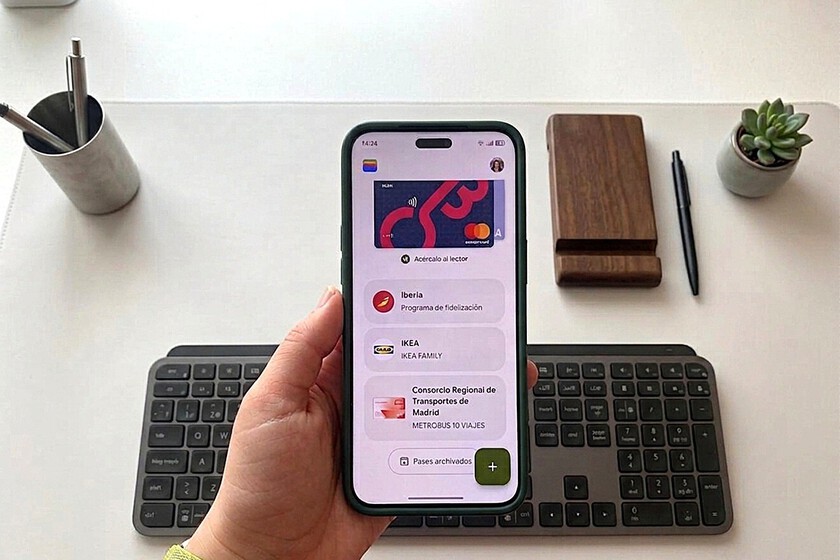
One of the most immediate and frequently cited areas for improvement in Google Wallet pertains to its card organization capabilities. While both Google Wallet and Apple Wallet allow users to manually reorder payment cards, loyalty programs, and transportation passes, the accumulation of a substantial number of these digital assets inevitably leads to a significant organizational challenge. For a user with multiple bank cards, several store loyalty cards, public transit passes, and perhaps even digital keys or event tickets, the current flat structure quickly devolves into a cumbersome scroll-through experience.
The absence of a robust categorization system forces users to navigate a potentially long list, diminishing the efficiency and convenience that digital wallets are intended to provide. For instance, a user might possess separate credit cards for business and personal expenses, multiple loyalty cards for different retail chains, and various transit passes for different cities or modes of transport. Without a structured method to group these, locating a specific card quickly, especially under pressure at a checkout terminal, becomes a source of frustration.
Apple Wallet offers a partial amelioration to this issue through a search function, allowing users to locate cards by name or issuing entity. While this provides a rudimentary level of assistance, it does not address the fundamental need for proactive organization. The proposed solution for Google Wallet is elegantly simple yet profoundly impactful: the implementation of user-definable folders or categories. Imagine a user being able to create categories such as "Work," "Personal," "Travel," "Shopping Loyalty," or "Public Transport." Within these folders, relevant cards could be grouped, transforming a chaotic linear list into a structured, easily navigable interface. This mirrors the organizational principles found in many email clients, file managers, and even photo galleries, where categorization significantly enhances user experience. The benefits extend beyond mere aesthetics; improved organization directly translates to faster transaction times, reduced cognitive load, and a heightened sense of control over one’s digital assets. From a user experience (UX) standpoint, such a feature would reduce friction and enhance satisfaction, reinforcing the wallet’s utility as a daily tool. While Google’s design philosophy might prioritize simplicity, the growing complexity of digital lives suggests that a balance must be struck between minimalist design and robust functionality.
The Imperative of Subscription and Scheduled Payment Management
In an era defined by the "subscription economy," where consumers routinely manage multiple recurring payments for services ranging from streaming platforms (Netflix, Spotify, Amazon Prime) to productivity software, cloud storage, and even daily essentials, tracking these financial commitments has become increasingly complex. It is common for users to lose track of renewal dates, inadvertently incur charges for services they no longer use, or miss payment deadlines for deferred purchases or installments. This financial oversight gap represents a significant opportunity for digital wallets to evolve into more comprehensive personal finance tools.
Here, Apple Wallet currently holds a distinct advantage with its "Pre-authorized Payments" feature. Integrated within the Wallet application, this functionality allows users to view a consolidated list of upcoming subscriptions, deferred payments, monthly bills, and installment plans that have been authorized via Apple Pay. This proactive alert system provides users with invaluable foresight, enabling them to budget effectively, cancel unwanted subscriptions before renewal, or ensure sufficient funds are available for impending charges. The feature essentially transforms the digital wallet into a miniature financial dashboard, offering a transparent overview of future financial obligations linked to the stored payment methods.
Google Wallet, in contrast, currently lacks a directly comparable integrated feature. While Google Pay’s transaction history can show past subscription payments, it does not offer a forward-looking aggregation of upcoming pre-authorized charges. Users are often left to rely on individual service providers’ notifications, banking apps, or third-party budgeting tools to manage this critical aspect of their personal finances. This fragmentation not only creates inconvenience but can also lead to financial stress and missed opportunities for savings.
The potential for Google to implement such a feature is considerable. Leveraging its vast ecosystem, Google could integrate data from Google Play subscriptions, link to Gmail for identifying recurring payment emails (with user consent), and partner with financial institutions to provide a comprehensive view. The implications extend beyond mere convenience; a robust subscription management feature contributes significantly to financial wellness, empowering users with better control over their discretionary spending and recurring liabilities. As consumers become more financially savvy and demand greater transparency, the inclusion of such a tool in Google Wallet would not merely be an enhancement but a strategic imperative to remain competitive and relevant in the evolving fintech landscape.
Unifying the Transaction History: Eliminating "Ghost Payments"
Perhaps one of the most frustrating aspects for users seeking a holistic view of their finances is the phenomenon of "ghost payments" – transactions made with a physical card or through other channels that do not appear in the digital wallet’s transaction history. While it is understandable that transactions are often grouped by the specific payment channel (e.g., Google Wallet transactions only show payments made via Google Wallet), this siloed approach creates a fragmented and incomplete financial record. A user who primarily uses their digital wallet but occasionally resorts to the physical card or makes an online purchase with the same card account will find their transaction history spread across multiple platforms: Google Wallet, their bank’s mobile app, and potentially individual merchant records.
The user expectation in an interconnected digital world is for a single, unified historical record for each financial instrument, regardless of the method of payment. If a particular credit card is linked to Google Wallet, users would ideally want to see all transactions associated with that card – whether initiated via contactless payment, a physical swipe, or an online entry – consolidated within the wallet interface. This desire stems from the need for simplified expense tracking, enhanced budgeting, and more efficient fraud detection without the necessity of constantly switching between banking applications and the digital wallet.
Apple Wallet attempts to address this with its "Connect full transaction history" option. While promising, this feature is currently limited by regional availability and the number of participating banking institutions. It represents a crucial step towards a more integrated financial experience, allowing users, where supported, to view a complete ledger of their card’s activities directly within their digital wallet.
For Google Wallet, the implementation of a similar, broadly accessible feature would be transformative. The technical challenges are significant, involving complex integrations with diverse banking systems, adherence to varying API standards, and stringent security and privacy protocols. However, the benefits far outweigh these hurdles. A unified transaction history would empower users with an unparalleled level of insight into their spending habits, facilitate quicker reconciliation of statements, and provide a convenient first line of defense against unauthorized transactions. It would move Google Wallet closer to becoming a central hub for personal financial oversight, reducing the reliance on multiple, disparate banking applications for basic account monitoring. The success of such a feature would hinge on Google’s ability to forge robust partnerships with financial institutions globally, while also transparently addressing user data privacy concerns through clear consent mechanisms and robust encryption.
Broader Implications and the Future Trajectory of Digital Wallets
The identified refinements in card organization, subscription management, and unified transaction history are not merely cosmetic improvements; they carry significant implications for Google Wallet’s competitive standing, user loyalty, and its role in the broader fintech ecosystem. In a market where users often have choices between multiple digital wallet platforms, the richness of features and the seamlessness of the user experience become critical differentiators.
Competitive Landscape and User Loyalty: By addressing these gaps, Google Wallet can significantly bolster its appeal against Apple Wallet, Samsung Pay, and even emerging fintech challengers that offer sophisticated budgeting and financial management tools. Users are increasingly likely to gravitate towards platforms that offer greater control and transparency over their finances. A more feature-rich Google Wallet could enhance user stickiness within the Android ecosystem, potentially influencing hardware choices in the long run.
Google’s Vision for Wallet: Google has been steadily expanding Wallet’s capabilities beyond payments, integrating digital driver’s licenses, health cards, event tickets, and even car keys. The suggested enhancements align perfectly with this broader vision of Google Wallet as a universal digital identity and financial hub. By improving financial oversight, Google could further solidify Wallet’s position as an indispensable daily tool, not just for transactions but for managing all aspects of one’s digital life.
Fintech Integration and Open Banking: The trend towards open banking initiatives (like PSD2 in Europe) facilitates the secure sharing of financial data with third-party applications, with user consent. This regulatory environment presents an opportune moment for Google to deepen its integration with banking partners to deliver features like unified transaction histories. The blurring lines between digital wallets, traditional banking apps, and dedicated personal finance management tools suggest that comprehensive financial services will increasingly be delivered through a single, convenient interface.
Leveraging Data and AI: Google’s unparalleled expertise in data analysis and artificial intelligence presents a unique opportunity. Imagine AI-powered smart categorization of transactions, predictive spending alerts based on recurring payments, or even personalized recommendations for optimizing loyalty points. These advanced features, built upon a foundation of well-organized cards and a unified transaction history, could redefine what a digital wallet can offer. However, any such implementation must be balanced with robust privacy safeguards and transparent user control over their data.
Conclusion: A Path to Comprehensive Financial Command
Google Wallet has undoubtedly come a long way, becoming an integral part of the digital lives of millions. Yet, as the digital payments landscape matures and user expectations grow, there remains a clear path for further enhancement. By prioritizing features such as sophisticated card organization, a comprehensive subscription and scheduled payment tracker, and a truly unified transaction history across all payment channels, Google Wallet can transcend its current role as a mere payment facilitator. These refinements are not just about convenience; they are about empowering users with greater financial control, transparency, and peace of mind in an increasingly complex digital world. For Google to maintain its leadership and foster unparalleled user loyalty, evolving Wallet into a holistic financial companion that anticipates and meets these advanced user needs is not merely an option, but an essential strategic direction. The future of digital wallets lies in their ability to offer not just speed and security, but also intelligent financial management that simplifies and enriches the user’s daily life.