
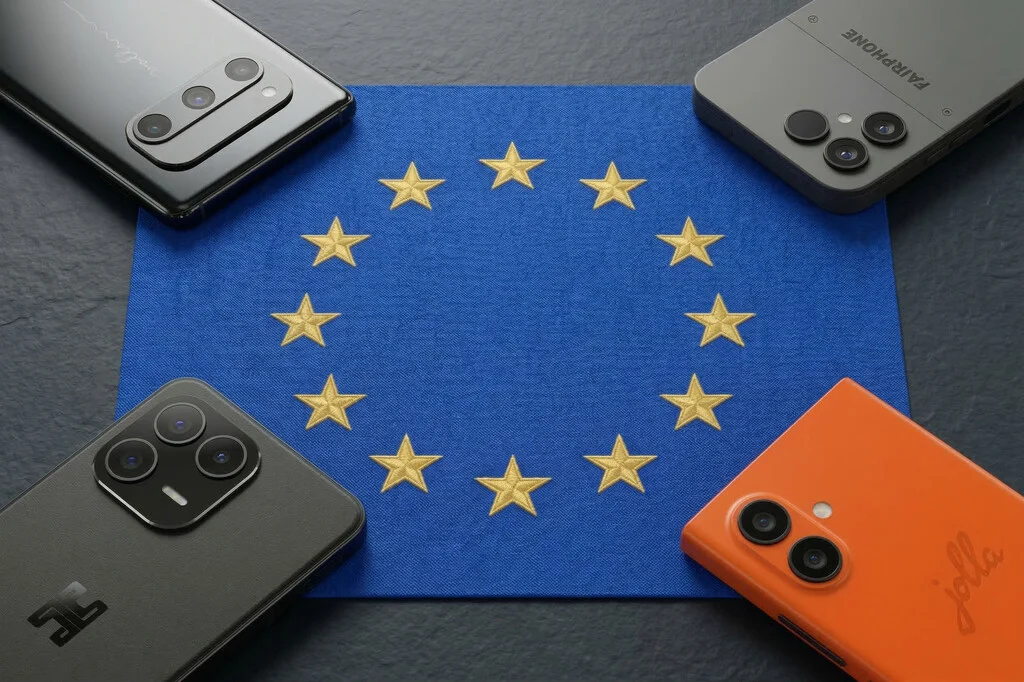

European citizens find themselves at the heart of a profound digital paradox. While residing under the protective umbrella of the General Data Protection Regulation (GDPR), a cornerstone of global privacy legislation, the vast majority of their mobile digital lives unfold on servers located in California and through hardware primarily assembled in China or India. From the foundational operating system to the most rudimentary messaging application, a near-absolute dependency on a handful of foreign technological giants has become an entrenched norm. This intricate web of reliance on non-European infrastructure and software raises significant questions about genuine data autonomy and the strategic implications for the continent, prompting a nascent but determined movement towards establishing a European "third way" in mobile technology.
The Digital Dependency Paradox: GDPR vs. Global Tech Dominance
The General Data Protection Regulation (GDPR), enacted in May 2018, was a landmark achievement for European data privacy, setting a global standard for how personal data is collected, stored, and processed. It grants individuals significant rights over their data, imposing strict obligations on organizations worldwide that handle data of EU citizens. Its influence has been far-reaching, inspiring similar legislation in other jurisdictions and forcing global tech companies to adapt their practices. However, the regulatory power of GDPR often clashes with the practical realities of the digital ecosystem.
Despite robust data protection laws, European users are overwhelmingly reliant on ecosystems controlled by American technology behemoths like Google and Apple. These companies not only develop the dominant mobile operating systems – Android and iOS, respectively – but also control the app stores, cloud services, and fundamental software infrastructure that underpin daily digital life. A study by StatCounter Global Stats in early 2024 indicated that Android commanded over 70% of the mobile operating system market share in Europe, with iOS holding most of the remainder, leaving virtually no room for alternative platforms. This duopoly means that even when European data is processed by local entities, the underlying technological stack, from hardware firmware to cloud services, frequently routes through non-European data centers and adheres to the legal frameworks of other nations, particularly the United States. This includes reliance on hardware components and assembly lines predominantly located in Asia, specifically China and India, making the "Made in China" or "Made in India" label almost ubiquitous on smartphone boxes, regardless of the brand.
This normalization of absolute dependence has significant implications beyond privacy. It impacts national security, economic competitiveness, and the ability for Europe to foster its own digital innovation. The paradox lies in the continent’s ambition for digital sovereignty—the capacity to act autonomously in the digital world—while its fundamental digital infrastructure remains largely outsourced and controlled by external powers.
Forging a European "Third Way": Ethics, Reparability, and Local Design
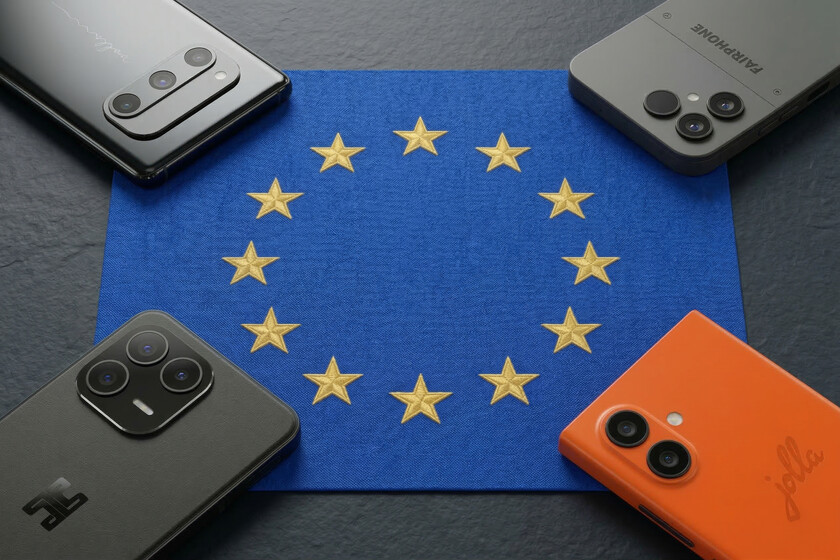
Amidst this landscape of profound dependence, a distinct "third way" is slowly but surely being forged within Europe. This emerging movement seeks to offer alternatives for users who are increasingly wary of mass data collection, who prioritize device longevity over planned obsolescence, and who desire technology that operates outside the direct influence of Google and Apple. These devices, while often still bearing an "assembled in Asia" label due to the realities of global supply chains and manufacturing viability, are distinguished by their European design, ethical principles, and software architecture.
The core tenets of this European approach include:
- Data Privacy: Prioritizing user privacy by minimizing data collection, offering encrypted services, and providing transparent control over personal information.
- Reparability and Longevity: Designing devices that are easily repairable, with readily available spare parts, thereby combating planned obsolescence and promoting a circular economy. The concept of "right to repair" is gaining significant traction in European policy discussions, aligning perfectly with this philosophy.
- Ethical Sourcing: Committing to supply chains that source conflict-free minerals and ensure fair labor practices, distinguishing them from the often-opaque practices of mainstream manufacturers.
- Openness and Transparency: Utilizing open-source software where possible and fostering a transparent development process, allowing for greater scrutiny and community involvement.
This vision aims to deliver devices that are not merely tools for communication but embody a set of values aligned with European regulatory and societal priorities.
Catalyst for Change: Geopolitics and the Push for Digital Sovereignty
The current geopolitical climate has significantly accelerated the conversation around digital sovereignty. Escalating trade wars, particularly between the United States and China, coupled with a broader global polarization, have highlighted the vulnerabilities inherent in an over-reliance on foreign technology. Initiatives like "Go European," a grassroots movement, exemplify a growing citizen awareness and desire to support European technological goods to foster digital independence. This movement aims to educate consumers about the importance of choosing products and services developed and managed within the continent, thereby bolstering the local economy and ensuring greater control over digital infrastructure.
EU institutions have also increasingly emphasized digital sovereignty as a strategic imperative. From the European Commission’s digital strategy to various national initiatives, the goal is to reduce reliance on non-European tech giants and build a robust, secure, and competitive European digital ecosystem. This involves investing in research and development, fostering European tech champions, and ensuring regulatory frameworks that support innovation while protecting citizens’ rights. The drive for digital autonomy is not merely about economic competitiveness but also about strategic independence, safeguarding critical infrastructure, and preserving democratic values in the digital age.
The Silent Software Superpower: European Operating Systems and Services
While Europe’s hardware manufacturing capability has atrophied in recent decades, its software ecosystem is a quietly potent force. Far from being left "uncommunicated" by opting out of mainstream platforms, users have access to a wealth of high-quality European software alternatives that can replace virtually any service offered by Google or Apple.
Examples of this robust software landscape include:
- Search Engines: Qwant (France), known for its privacy-focused approach, does not track users or filter results based on personal data.
- Cloud Storage: Nextcloud (Germany), an open-source, self-hosted cloud platform, offers complete control over data, a stark contrast to proprietary cloud services.
- Email Services: Proton Mail (Switzerland), providing end-to-end encrypted email, ensures that only the sender and recipient can read messages. Tutanota (Germany) offers similar encrypted email services.
- Messaging Apps: Threema (Switzerland), a paid, secure messenger, prioritizes privacy with end-to-end encryption and anonymous use. Signal (US-based but open-source and widely praised for security) is also a strong privacy-focused alternative often adopted by European users.
- Operating Systems: Beyond Android and iOS, Europe has been a hotbed for alternative mobile operating systems. Sailfish OS (Finland), developed by Jolla, offers a distinct user experience focused on gestures and privacy. /e/OS (France), developed by Murena, is a de-Googled Android fork, aiming to provide a privacy-respecting Android experience without Google services. Ubuntu Touch (initially Canonical, UK) continues to be developed by the UBports community, offering a Linux-based mobile experience.
The challenge, however, lies in integrating this rich tapestry of European software into competitive hardware that appeals to the average consumer. The software fabric is largely ready; the integration into user-friendly, widely available, and performant devices remains the critical hurdle.
Pioneers of European Hardware: Brands Leading the Charge
The landscape of European smartphone manufacturers is more diverse than often perceived, extending beyond the limited shelf space in mainstream retail. These firms range from established niche players to innovative startups, all united by a commitment to ethical production, sustainability, and user privacy.
- Fairphone (Netherlands): Perhaps the most recognizable name, Fairphone has become synonymous with ethical smartphones. Since its inception in 2013, the company has focused on modular design for easy repair, fair labor practices throughout its supply chain, and sourcing conflict-free minerals. Their phones are designed for longevity, challenging the throwaway culture of consumer electronics. The Fairphone 6, for instance, continues this tradition, offering reparability and ethical sourcing as core selling points.
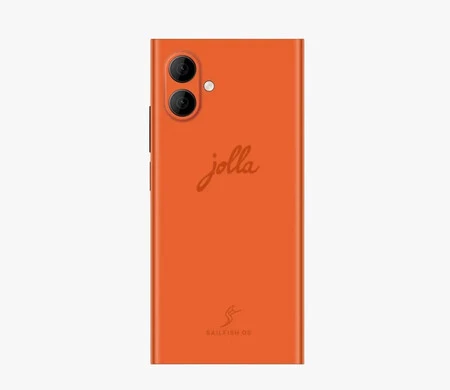
- Jolla (Finland): Originating from former Nokia employees, Jolla developed Sailfish OS and also produced the Jolla Phone. While their hardware efforts have been more intermittent, their commitment to a distinct, privacy-focused operating system positions them as a key player in European digital autonomy.
- Murena (France): Known for its /e/OS, Murena also offers "Murena One" smartphones pre-loaded with their de-Googled Android fork. Their focus is on providing a Google-free Android experience right out of the box, ensuring user privacy and control. They also offer refurbished devices with /e/OS installed, promoting sustainability.
- Volla (Germany): Volla Mobile offers smartphones designed for privacy and user-friendliness, often featuring alternative operating systems like Volla OS (based on Android AOSP) or Ubuntu Touch. Their philosophy emphasizes intuitive design and a minimalist approach to pre-installed apps, reducing potential tracking.
- iodé (France): Similar to Murena, iodé offers smartphones pre-installed with iodéOS, another de-Googled Android distribution. They focus on blocking ads and trackers at the system level, giving users greater control over their data footprint.
These brands represent a growing segment that consciously rejects the mass-market model of rapid obsolescence and extensive data harvesting. Their offerings are not just products but statements about how technology can be developed and consumed responsibly.
Overcoming the App Gap: The Unified Attestation Initiative
One of the significant hurdles for alternative mobile operating systems is the "app gap." Many critical applications, particularly those involving payments, banking, or identity verification, often refuse to function on "unofficial" operating systems due to security protocols that rely on Google’s proprietary SafetyNet Attestation API. This system verifies the integrity and authenticity of a device, effectively locking out non-Google-approved Android forks.
To address this critical issue, several European startups, including Volla, Murena, and iodé, have recently founded the "Unified Attestation" consortium. This ambitious project aims to create an independent device integrity verification system, entirely separate from Google’s. The goal is to enable users of alternative European operating systems to securely access essential services like mobile payments, banking apps, and government identity applications without compromising their privacy or digital freedom. This initiative is a direct response to Europe’s call for digital sovereignty, seeking to provide a foundational layer of trust and functionality that is currently monopolized by Google. If successful, it could significantly level the playing field for European OS developers and make privacy-focused devices more viable for the average consumer.
The Availability Conundrum: Price, Scale, and Market Reality
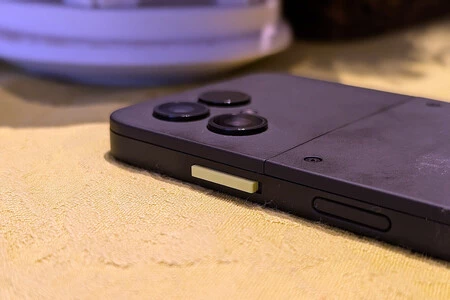
Despite the compelling ethical and privacy-focused narratives, purchasing a European smartphone today often feels less like a simple transaction and more like an act of digital militancy. The market faces a stark contradiction: escaping the entrenched duopoly of Big Tech and their associated supply chains is, in many ways, a luxury, often accompanied by a more challenging user experience for the uninitiated.
As Carl Pei, CEO of Nothing (a company striving for a distinct identity but still reliant on Asian manufacturing), candidly admitted, replicating the vast manufacturing ecosystem of Shenzhen in Europe is economically unfeasible without massive public investment. This statement serves as a harsh dose of reality, tempering idealistic promises with the practicalities of global production. While the design, software, and ethical principles can proudly bear a European passport, the sheer scale of mass manufacturing and assembly remains inextricably linked to Asian supply chains.
This reality has tangible implications for pricing and performance. European brands like Fairphone, Jolla, and Murena operate on a significantly smaller scale than their multinational counterparts. Consequently, when consumers purchase these devices, they are not primarily paying for the most cutting-edge chip or the market’s best camera. Instead, they are absorbing the premium associated with developing tracker-free operating systems, utilizing ethically sourced, conflict-free minerals, and maintaining smaller production runs.
The economic model of the dominant Chinese and American corporations is fundamentally different: brutal economies of scale, often coupled with hardware subsidized by extensive data collection. European brands, by rejecting this model, face market penalties. For instance, a phone like the Hiroh Phone (running /e/OS) might retail for €1,199, offering a mid-range chip from a couple of generations ago. Similarly, the Fairphone 6, priced at €599, competes in specifications with Asian smartphones that cost almost half. This price-to-performance disparity presents a significant barrier to mainstream adoption.
The inherent logic of these European manufacturers, though understandable, throws into sharp relief a critical question: Who is ultimately willing to foot the bill for technological sovereignty? Is it the everyday user, who typically prioritizes value for money, or are the institutions that demand digital independence prepared to finance the infrastructure necessary to make these alternatives truly competitive and accessible?
The Economic and Strategic Imperative: Beyond the Niche
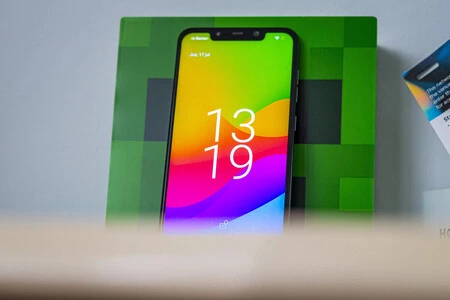
The quest for European digital sovereignty extends far beyond the individual consumer’s choice. It is an economic and strategic imperative for the entire continent. Relying heavily on non-European technology ecosystems means that critical data, intellectual property, and innovation flow outwards, potentially undermining Europe’s economic growth and its capacity to lead in future technological advancements.
Investing in European hardware and software development fosters local job creation, builds domestic expertise, and strengthens the continent’s industrial base. It reduces the risks associated with supply chain disruptions and geopolitical pressures, ensuring that Europe can maintain control over its digital destiny. Furthermore, a thriving European tech sector can lead to more diverse and innovative products that cater specifically to European values and regulatory standards, potentially creating new global benchmarks for ethical technology.
The challenge is significant, requiring a concerted effort from policymakers, industry, and consumers. Public funding for research and development, incentives for ethical manufacturing, and educational campaigns to raise consumer awareness are all crucial components. The goal is not merely to create niche products for privacy enthusiasts but to establish a robust, competitive, and mainstream European alternative that offers genuine choice and autonomy.
Conclusion: A Call for Collective Investment in Digital Freedom
The alternatives being developed and championed by European firms unequivocally demonstrate that the technology and software required to live outside the dominant Big Tech ecosystems exist and function effectively. From privacy-centric operating systems to ethically sourced hardware, the foundational elements for digital freedom are present.
However, the transition from this freedom being a privilege for a minority to becoming an accessible option for the broader public hinges on resolving the fundamental dilemma of cost and scale. Unless there is a collective willingness – from institutions, industry, and consumers – to invest in and support this burgeoning ecosystem, the paradox of European digital sovereignty will persist. The ambition for digital independence is clear; the path to making it a widespread reality requires sustained commitment to bridge the gap between ethical ideals and market realities. Only then can Europe truly achieve the digital autonomy it seeks, offering its citizens a genuine choice in how their digital lives unfold.