
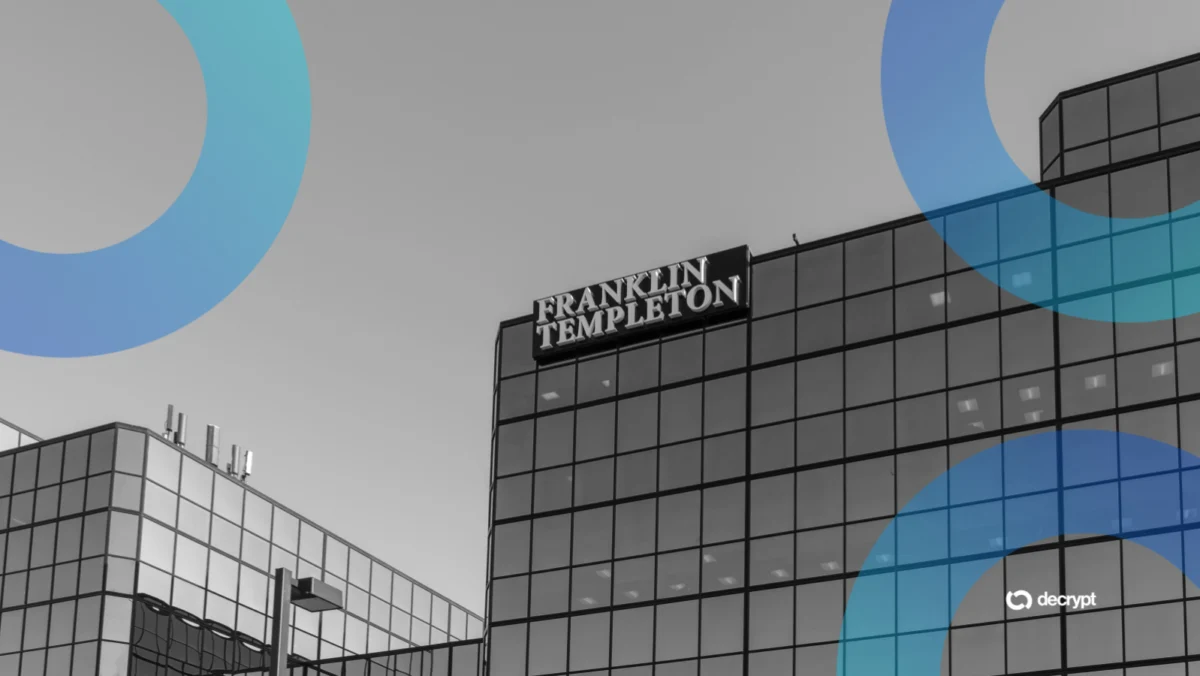

Global asset management giant Franklin Templeton is embarking on a significant initiative to democratize access to its investment products by partnering with Ondo Finance, a prominent firm specializing in the tokenization of real-world assets. This collaboration will see five of Franklin Templeton’s exchange-traded funds (ETFs) transformed into digital tokens, a move that promises to broaden investor reach and offer around-the-clock trading capabilities. The announcement, made on Wednesday, marks a pivotal moment in the ongoing integration of traditional finance (TradFi) with the burgeoning world of digital assets.
The initial cohort of tokenized ETFs includes Franklin Templeton’s high-yield corporate ETF, its focused growth ETF, and its responsibly sourced gold ETF. This selection indicates a strategic approach to offering a diverse range of asset classes within the tokenized framework. The primary objective of this partnership is to provide access to these investment vehicles for individuals who may not possess traditional brokerage accounts, thereby lowering the barrier to entry for sophisticated investment strategies. Furthermore, the inherent nature of blockchain technology will enable these tokenized ETFs to be traded continuously, breaking free from the constraints of traditional market hours.
A New Era of On-Chain Financial Optimization
Sandy Kaul, Franklin Templeton’s Head of Innovation, articulated the strategic vision behind this venture, stating, "The next phase of digital assets isn’t just about trading crypto, but building your optimized financial life on-chain, and we’re excited to combine efforts with Ondo to accelerate toward this next era of investing." This statement underscores a broader ambition to move beyond speculative cryptocurrency trading and towards the creation of robust, on-chain financial ecosystems where traditional assets play a crucial role. Kaul further emphasized the evolving needs of digital-native audiences, noting, "As digital-native audiences mature and their needs evolve, we’ll be ready to bring new innovative strategies to digital wallets alongside the trusted investment advice that Franklin Templeton has delivered to TradFi clients for nearly 80 years." This highlights Franklin Templeton’s commitment to leveraging its extensive experience and reputation in traditional finance to guide investors through the complexities of digital asset integration.
The partnership extends beyond mere product tokenization, encompassing a commitment to educational initiatives. Both Franklin Templeton and Ondo Finance will collaborate on programs designed to illuminate how traditional investment instruments can seamlessly integrate with and complement emerging financial ecosystems. This educational component is crucial for fostering wider adoption and understanding of tokenized assets among both institutional and retail investors.
Leveraging Ondo’s Robust Tokenization Platform
The tokenized ETF offerings will be powered by Ondo Global Markets, Ondo Finance’s specialized platform for tokenized securities. Since its inception last fall, Ondo Global Markets has demonstrated significant traction, achieving over $620 million in total value locked (TVL). This substantial TVL indicates a strong market demand for tokenized financial products and a robust infrastructure capable of supporting such offerings.
Ian De Bode, President of Ondo Finance, expressed enthusiasm for the collaboration, stating, "We’re excited to have selected Franklin Templeton to bring new investment products on-chain through Ondo Global Markets. Franklin Templeton’s institutional leadership in digital assets makes them a natural fit as we bring tokenized public equities and ETFs to wallet ecosystems globally." De Bode’s statement highlights Franklin Templeton’s established presence and credibility within the digital asset space, positioning them as an ideal partner for expanding the reach of tokenized securities.
Geographic Exclusions and Regulatory Considerations
It is important to note that access to these tokenized ETF products is not currently intended for users in the United States. U.S. individuals are ineligible to make trades on Ondo’s Global Markets platform. This restriction likely stems from the complex and evolving regulatory landscape surrounding digital assets and securities in the U.S. While the Securities and Exchange Commission (SEC) has shown increasing interest in tokenized securities, clarity on how traditional financial products can be offered in tokenized form to U.S. investors remains a work in progress.
Ondo’s Track Record in Tokenizing Equities
Ondo Finance has been a proactive player in the tokenization of traditional assets. In September, the firm rolled out access to over 100 tokenized U.S. equities on the Ethereum blockchain. This initiative coincided with a surge in interest surrounding tokenized equities and other financial products, driven by the potential for increased liquidity, fractional ownership, and 24/7 trading. The move to tokenize ETFs by Franklin Templeton builds upon this existing momentum and demonstrates a growing confidence in the underlying technology and market infrastructure.
Franklin Templeton’s Pioneering Role in Digital Assets
Franklin Templeton is no stranger to the world of tokenized assets, having been an early adopter and innovator. In 2021, the firm launched its Franklin On-Chain U.S. Government Money Fund on the Stellar network. Demonstrating its commitment to expanding its digital asset footprint, this offering was later extended to the Ethereum blockchain in 2024. Moreover, Franklin Templeton has strategically diversified its on-chain presence by making its tokenized fund available on various other leading blockchain networks, including Polygon, Aptos, Avalanche, Arbitrum, Solana, and Base. This multi-chain approach showcases a forward-thinking strategy to maximize accessibility and leverage the unique strengths of different blockchain ecosystems.
A Market Ripe for Tokenization
The timing of this partnership between Franklin Templeton and Ondo Finance is particularly noteworthy, as it follows a wave of significant developments in the tokenization space. Just a day prior to the announcement, the New York Stock Exchange (NYSE) revealed its collaboration with Securitize, a platform backed by BlackRock, for the tokenization of securities. This partnership signifies a major endorsement of tokenization by one of the world’s most established financial exchanges. Additionally, last week, Nasdaq secured SEC approval to test tokenized versions of certain securities as part of a pilot program. These developments collectively indicate a growing institutional embrace of tokenization as a transformative technology for financial markets.
Implications for the Future of Investing
The collaboration between Franklin Templeton and Ondo Finance has far-reaching implications for the future of investing. By tokenizing ETFs, these firms are effectively bridging the gap between traditional investment vehicles and the decentralized finance (DeFi) landscape. This integration could lead to several key outcomes:
- Enhanced Liquidity and Accessibility: Tokenization can unlock liquidity for traditionally illiquid assets and make a wider range of investment products accessible to a global audience, including those in emerging markets.
- Reduced Costs and Increased Efficiency: Blockchain technology has the potential to streamline back-office operations, reduce intermediaries, and lower transaction costs associated with trading and settlement.
- New Investment Strategies: The programmability of tokens on blockchain networks opens up possibilities for innovative investment strategies, such as automated rebalancing, collateralization, and participation in decentralized lending protocols.
- Democratization of Finance: By lowering entry barriers and offering 24/7 access, tokenization can contribute to a more inclusive and democratized financial system.
- Regulatory Evolution: The increasing involvement of major financial institutions in tokenization will likely accelerate regulatory clarity and development, paving the way for broader adoption.
Background Context: The Rise of Tokenization
Tokenization refers to the process of converting rights to an asset into a digital token on a blockchain. This can apply to a wide range of assets, including real estate, art, commodities, stocks, bonds, and in this case, ETFs. The core value proposition of tokenization lies in its ability to bring the benefits of blockchain technology – such as transparency, immutability, programmability, and efficiency – to traditional financial markets.
The concept of tokenized securities has been gaining traction over the past few years. Early use cases often involved private placements and alternative assets. However, as the technology matures and regulatory frameworks begin to take shape, the focus is shifting towards tokenizing more mainstream financial products like ETFs and equities. This trend is fueled by the growing demand for digital-native financial solutions and the recognition by traditional financial players of the transformative potential of blockchain.
Franklin Templeton’s long-standing engagement with tokenized assets, starting with its money market fund in 2021, demonstrates a consistent belief in the long-term viability of this technology. Their expansion across multiple blockchains signifies a strategic effort to be present where future digital asset activity will occur. Ondo Finance, as a specialized firm in this niche, provides the technical expertise and platform necessary to bring these complex financial products onto the blockchain.
Looking Ahead: A Collaborative Future
The collaboration between Franklin Templeton and Ondo Finance is a significant indicator of the accelerating convergence between traditional finance and the digital asset space. As more institutional players engage with tokenization, the financial landscape is poised for a profound transformation. The success of this initiative could serve as a blueprint for other asset managers looking to leverage blockchain technology to enhance product offerings and expand investor reach. The educational component of their partnership also highlights a critical need for investor education as the industry navigates this evolving frontier. The coming years will likely see a continued influx of innovative tokenized products and services, reshaping how investments are managed, accessed, and traded globally.