


At the tender age of 18, Zhenghua Yang faced a medical crisis that abruptly reshaped his life’s trajectory. What began as a seemingly innocuous nosebleed in Illinois, United States, escalated into a dire diagnosis: severe platelet deficiency, a condition so critical doctors estimated he had merely three hours to live. Yang’s remarkable survival, attributed to prompt hospital intervention and, as he recounts, the immersive world of video games, not only pulled him back from the brink but also ignited the spark for a thriving enterprise. For two years, he navigated the arduous landscape of hospital life, finding solace and purpose in titles like League of Legends, Minecraft, and World of Warcraft. These digital escapes, far from being mere distractions, became a vital lifeline, transforming from a coping mechanism into the very foundation of his future livelihood.
A Sudden Crisis and the Fight for Life
The initial incident, a seemingly minor epistaxis, or nosebleed, quickly spiraled into a life-threatening emergency for Zhenghua Yang in his late teens. Severe platelet deficiency, medically known as thrombocytopenia, is a condition characterized by an abnormally low count of platelets, the colorless blood cells that help blood clot. Without sufficient platelets, the body struggles to stop bleeding, leading to excessive bruising, internal hemorrhages, and a heightened risk of fatal bleeding, particularly in vital organs. Yang’s diagnosis of such a severe deficiency indicated an acute and profound threat to his life, underscoring the gravity of the medical team’s three-hour prognosis. The rapid medical response and subsequent intensive care were crucial in stabilizing his condition and initiating the long road to recovery.
During his extended hospitalization, a period that stretched over two challenging years, Yang found himself isolated from the typical experiences of young adulthood. It was within this confined environment that the digital realms of video games offered an unprecedented sanctuary. Games like the massively multiplayer online role-playing game (MMORPG) World of Warcraft provided a vast, persistent world to explore, fostering a sense of adventure and community. Minecraft, with its creative sandbox mechanics, allowed him to build and design, offering a tangible sense of accomplishment in a period of physical helplessness. League of Legends, a competitive online battle arena, provided intellectual stimulation and strategic engagement, diverting his mind from his physical discomfort and the anxieties of his illness. These games were more than just entertainment; they were tools for mental fortitude, fostering resilience and providing a much-needed sense of normalcy and control in an otherwise unpredictable and frightening reality.
The Seed of Serenity Forge: A Vision Born from Adversity
Yang’s profound experience with video games during his recovery planted a crucial seed. He recognized that while games like League of Legends were not inherently designed for therapeutic purposes, they had, in his own words, "basically saved my life." This revelation sparked a powerful question: "What if I developed games with the intention of helping people? What kind of power could that unlock?" This transformative insight would become the guiding philosophy behind his entrepreneurial venture.
Upon his discharge from the hospital, armed with a newfound perspective and a clear sense of purpose, Yang pursued a degree in business. This academic foundation, combined with his personal epiphany, provided the practical framework for his ambitious dream. With a modest initial investment of just $1,000, he founded Serenity Forge. The company was established with a distinct mission: to distribute independent video games that possessed significant emotional depth and narrative resonance. This approach deliberately diverged from the prevailing trend of purely commercial or hyper-casual game development, opting instead for titles that could evoke strong feelings, tell compelling stories, and potentially offer a form of emotional engagement akin to what Yang himself had experienced.
Serenity Forge: A Decade of Growth and Impact
Today, at 35 years old, Zhenghua Yang stands at the helm of a successful and influential gaming company. Serenity Forge has grown significantly, now boasting a team of over 40 employees and reporting an impressive annual turnover ranging between $10 million and $15 million. This growth underscores the viability of Yang’s vision to champion indie games with meaningful content. The studio has carved out a unique niche in the competitive gaming industry, distinguishing itself by prioritizing artistic integrity and emotional impact over pure commercial algorithms.
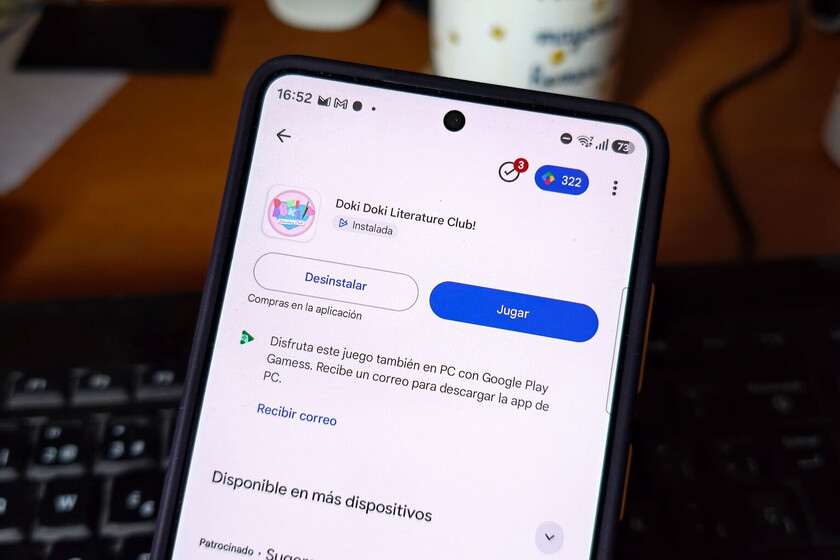
Serenity Forge’s portfolio includes a range of titles, many of which have garnered critical acclaim and a dedicated player base. Notably, some of their distributed games, such as Doki Doki Literature Club!, have achieved considerable success on mobile platforms. This particular title, known for its psychological horror elements and meta-narrative, exemplifies Serenity Forge’s commitment to games that challenge conventions and provoke thought. While not exclusively a mobile-first studio, their strategic presence on platforms like Android, iOS, and macOS demonstrates an understanding of diverse player demographics and accessibility. By maintaining a focus on creative and emotionally rich narratives, Serenity Forge has successfully navigated an industry often dominated by formulaic approaches, proving that there is a significant market for games that resonate on a deeper level. Their achievements serve as a testament to the power of a clear mission, rooted in a personal experience, to drive innovation and success in the digital entertainment landscape.
The "Silicon Valley Argument" and Serenity Forge’s Distinct Path
Yang’s foundational question, "What if I developed games with the intention of helping people? What kind of power could that unlock?", echoes a sentiment often heard in Silicon Valley – the ambition to create something that can genuinely change the world. However, Serenity Forge’s execution of this vision sets it apart from many tech startups. While many companies pursue innovation for market disruption or purely economic gain, Yang’s studio is grounded in a more human-centric purpose. It seeks to harness the interactive power of video games not just for entertainment, but for emotional enrichment and potentially, therapeutic benefit.
In an industry frequently swayed by trends towards simplified mechanics, microtransactions, and narrative minimalism, Serenity Forge has consciously chosen a different path. The studio has resisted the temptation to dilute its creative focus for the sake of broader, less discerning audiences, a common pitfall in the mobile gaming sector. Instead, they champion titles that feature intricate storytelling, innovative gameplay, and significant emotional weight. This commitment ensures that Serenity Forge is not merely a distributor of games, but a curator of experiences that aim to leave a lasting impact on players. Their success on both PC and mobile platforms, with a robust presence across Android, iOS, and macOS, demonstrates that a market exists for games that prioritize depth and artistic expression, even in an ecosystem often characterized by quick-play, disposable content.
The Shifting Landscape: From PC Desktops to Pocket-Sized Powerhouses
Zhenghua Yang’s personal experience of finding solace in video games during his hospitalization was facilitated by a laptop, a common gateway to gaming in the late 2000s. Fast forward 17 years, and the landscape of gaming has undergone a monumental transformation, with smartphones emerging as the primary conduit for interactive entertainment outside the home. This paradigm shift means that had Yang faced his health crisis today, his refuge would very likely have been his mobile device.
The three pivotal games that accompanied Yang through his recovery – League of Legends, Minecraft, and World of Warcraft – have all successfully adapted to this mobile-centric world, evolving into colossal successes in their own right. League of Legends: Wild Rift offers a streamlined, mobile-optimized version of the highly competitive MOBA experience, attracting millions of players globally. Minecraft: Pocket Edition has made the iconic block-building adventure accessible to an entirely new generation of players on the go. Even World of Warcraft, traditionally a PC-exclusive MMORPG, has seen its universe extend to mobile with companion apps and, more broadly, the influence of mobile-first MMORPGs that capture a similar spirit. This adaptation highlights a broader industry trend where established franchises recognize the imperative of a strong mobile presence to maintain relevance and reach.
The growth of the mobile gaming market is staggering. In 2023, mobile gaming accounted for over half of the global video game market revenue, projected to exceed $100 billion. This dominance is driven by several factors: the ubiquity of smartphones, their increasing processing power, and the accessibility of app stores. Mobile gaming has transcended its initial perception as a casual pastime, now offering a diverse range of genres from complex RPGs and strategy games to immersive narrative experiences.
The Ascendancy of Mobile Esports
Beyond casual gaming, the competitive esports scene has also profoundly embraced mobile platforms, signaling a significant shift in professional gaming. What was once considered the "minor" version of video games, mobile gaming now commands massive audiences and substantial prize pools in competitive play. Evidence of this transformation is compelling: global championships for games like PUBG Mobile consistently surpass the viewership numbers of their PC counterparts, attracting millions of concurrent viewers and demonstrating the immense reach of mobile esports. Similarly, the Clash Royale League has repeatedly broken its own viewership records, highlighting the growing enthusiasm and professionalization within the mobile competitive circuit.
This rise is not merely a fluke but a reflection of strategic investments by developers and esports organizations. Mobile esports offer a lower barrier to entry for aspiring professional players, as high-end smartphones are more accessible globally than dedicated gaming PCs. This democratized access, combined with intuitive touch controls and optimized game designs, has fostered a vibrant and highly competitive ecosystem. Major brands and sponsors have taken notice, pouring resources into mobile esports leagues and tournaments, further solidifying their legitimacy and global appeal. The mobile device is no longer just an entry point for casual players; it is a battleground for elite competitors and a significant driver of the entire esports industry, challenging traditional notions of what constitutes "serious" gaming.
Broader Implications: Gaming as a Force for Well-being
Zhenghua Yang’s journey is a powerful testament to the multifaceted role of video games in modern life, extending far beyond simple entertainment. His story underscores the growing recognition of gaming’s potential as a tool for psychological support, emotional resilience, and even recovery during periods of extreme duress. For Yang, games provided a crucial distraction from pain and anxiety, a sense of control in an uncontrollable situation, and a connection to something outside the confines of his hospital room.
This personal narrative aligns with an evolving understanding within the medical and psychological communities regarding the therapeutic potential of interactive media. The field of "serious games" and "game therapy" is expanding, exploring how specially designed video games can aid in rehabilitation, cognitive training, mental health support, and even pain management. Games can offer a safe space for emotional expression, foster social connections, improve problem-solving skills, and provide a sense of agency and accomplishment, all of which are vital for individuals facing chronic illness, long-term recovery, or mental health challenges. Yang’s entrepreneurial response, founding Serenity Forge to create and distribute emotionally resonant games, mirrors this broader societal shift towards valuing the deeper impact of digital interactions.
His experience serves as a compelling case study, illustrating how the immersive nature of gaming can offer profound psychological benefits. In an increasingly digital world, the ability of video games to provide solace, foster creativity, and even inspire entrepreneurial ventures like Serenity Forge highlights their transformative power. Yang’s story reminds us that while the technological landscape continues to evolve, the fundamental human need for connection, meaning, and escape remains constant, and for many, video games are proving to be an invaluable resource.
Conclusion
Zhenghua Yang’s journey from a life-threatening medical emergency at 18 to the helm of a multi-million dollar gaming studio at 35 is a compelling narrative of resilience, vision, and the unexpected power of video games. His two years of recovery, spent immersed in digital worlds, transformed a personal crisis into a profound understanding of interactive media’s potential for human connection and emotional well-being. This epiphany led to the founding of Serenity Forge, a company dedicated to curating and distributing indie games that prioritize emotional depth and narrative richness over fleeting trends.
Serenity Forge’s impressive growth and financial success, coupled with its commitment to meaningful content, demonstrate the viability of a mission-driven approach in the gaming industry. Yang’s story also mirrors the broader evolution of gaming itself, particularly the meteoric rise of mobile platforms and esports, which now serve as primary gateways for millions of players worldwide. From his laptop-bound escape to today’s pocket-sized powerhouses, the essence of gaming as a source of comfort, challenge, and connection remains. Yang’s experience is a powerful testament to the idea that, for some, when all else fails, the worlds within our screens can offer not just distraction, but a path to healing, inspiration, and ultimately, a new beginning.