
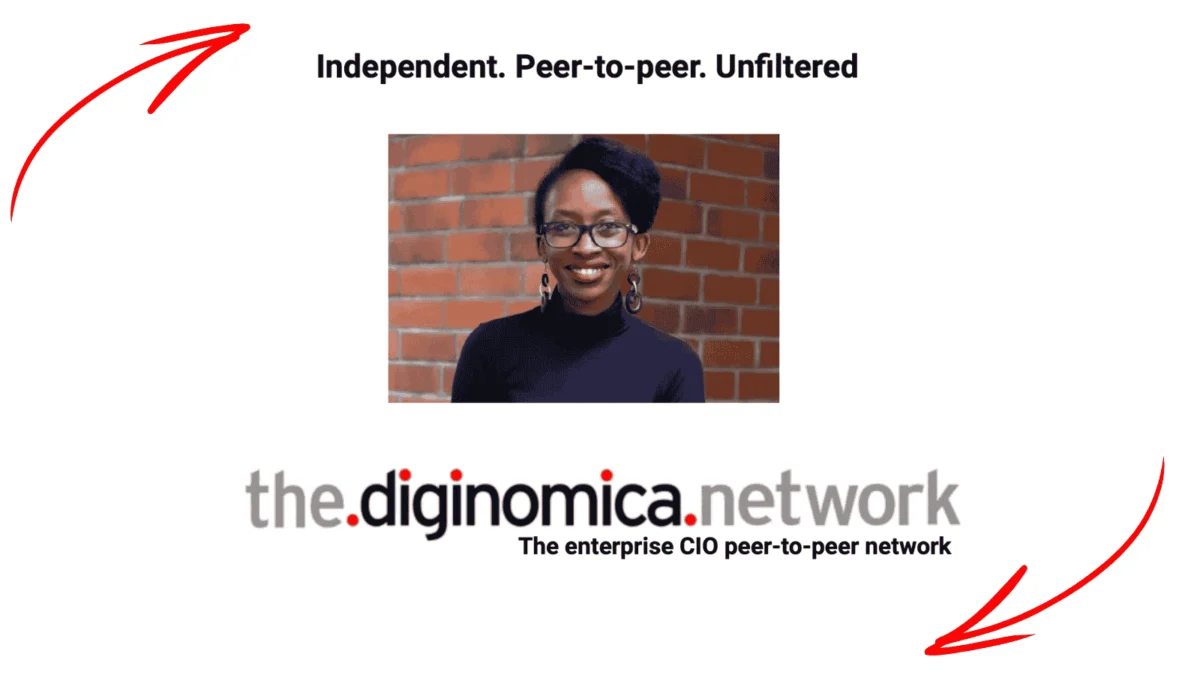

Shiro Theuri, the Chief Technology Officer of the Barcelona-based delivery giant Glovo, is currently spearheading a dual transformation within the organization, focusing on the aggressive integration of artificial intelligence while maintaining a steadfast commitment to human-centric leadership and talent cultivation. Since assuming the role of CTO in May 2024, following a successful tenure as Senior Director of Engineering, Theuri has become a pivotal figure in navigating the complexities of a post-acquisition landscape after Germany’s Delivery Hero took a controlling stake in the company in 2022. Her mandate extends beyond mere technical oversight; she is tasked with redefining the role of the modern technologist in an era where AI-driven automation is rapidly altering the software development lifecycle and consumer expectations.
The Strategic Integration of Artificial Intelligence in Software Engineering
Under Theuri’s leadership, Glovo has moved to the forefront of the digital services industry by adopting AI-augmented workflows to enhance code generation and accelerate the release cycles of new features. The integration of AI within Glovo’s engineering department is not merely a pilot program but a pervasive shift in operational philosophy. Theuri notes that AI penetration among her team of 400 software engineers is exceptionally high and continues to grow daily. The primary objective is to utilize AI as a "force multiplier," allowing developers to focus on high-level architecture and problem-solving while automating repetitive coding tasks.
However, this rapid adoption is governed by a rigorous framework of "responsible AI-driven development." Theuri has implemented specific guardrails to ensure that all AI-generated output is subject to human oversight. This "human-in-the-loop" model is designed to maintain the quality and security of the codebase, preventing the technical debt that can often arise from unmonitored automated generation. By positioning herself as a "guardian" of her team, Theuri emphasizes that the transition to AI is as much a change management challenge as it is a technological one. She advocates for providing engineers with diverse tooling options, ensuring they remain familiar with the evolving industry landscape rather than being sidelined by it.
Chronology of Growth and the Delivery Hero Acquisition
The trajectory of Glovo since its founding in 2014 reflects the broader consolidation and professionalization of the global delivery market. Originally established in Barcelona, the company quickly distinguished itself through its "multi-category" offering, delivering everything from restaurant meals to groceries and pharmaceutical products. This versatility allowed Glovo to capture significant market share in Southern Europe and emerging markets across Central Asia and Africa.
A defining moment in the company’s history occurred in July 2022, when Delivery Hero, the Berlin-based global delivery powerhouse, closed its acquisition of a majority stake in Glovo. This partnership has provided Glovo with enhanced leverage when negotiating with global cloud hyperscalers and technology vendors. The synergy between the two entities has fostered a culture of shared experimentation, where innovations in one region are analyzed and adapted for others. Theuri’s rise to the CTO position in 2024 marks a new chapter in this integration, where the focus has shifted from geographic expansion to operational efficiency and the modernization of the underlying technology stack.
Bridging the Digital Divide: The African Tech Leapfrog
One of the most compelling aspects of Theuri’s leadership is her perspective on the global talent pool, particularly in Africa. Having previously served as a CTO in Nairobi between 2017 and 2020, she brings first-hand experience of the "leapfrogging" phenomenon that characterizes tech development on the continent. In Kenya, the absence of traditional banking infrastructure led to the rapid-fire adoption of mobile money services, such as M-Pesa, which boosted financial inclusion from low double digits to over 80% in a remarkably short period.
Theuri views Africa not just as a consumer market—where Glovo operates in nations like Morocco, Kenya, Côte d’Ivoire, Uganda, Nigeria, and Tunisia—but as a vital source of technical expertise. She highlights the high concentration of skilled talent in tech hubs like Lagos, Cape Town, and Nairobi. While historical tech corridors have traditionally linked African talent to London or Amsterdam, Theuri is actively working to strengthen the pipeline between these regions and Spain. By advocating for the inclusion of African developers in European-based firms, she argues that companies can benefit from the unique problem-solving perspectives inherent in environments where resources are often constrained, and innovation is a necessity for survival.
Barcelona as a Global Hub for Digital Excellence
The decision to base Glovo’s headquarters in Barcelona was strategic, and the city has since evolved into one of Europe’s leading digital skills clusters. As of 2024, Barcelona is home to over 2,000 startups and numerous international tech hubs, supported by a robust ecosystem of universities and coding bootcamps. Theuri acknowledges Glovo’s responsibility in maintaining this momentum. Despite the increasing reliance on senior talent to manage complex AI systems, she remains a staunch advocate for investing in junior talent.
Glovo collaborates closely with local education providers to create direct pathways into the tech industry. This commitment is based on the philosophy that the senior leaders of tomorrow must be nurtured today. Theuri believes that for a company of Glovo’s scale, fostering a domestic talent pipeline is not just a social responsibility but a business imperative to ensure long-term sustainability in a competitive labor market.
Analyzing Consumer Behavior: The Lag in Conversational AI
While AI has significantly improved internal engineering productivity, its application in consumer-facing interfaces has met with more nuanced results. Glovo has experimented with conversational AI for order placement, allowing customers to use natural language to request deliveries. However, Theuri observes a notable lag in consumer adoption for this specific use case. "They are not finding it intuitive to talk into their phones and order a burrito," she notes, highlighting a disconnect between technological capability and human habit.
In contrast, consumer appetite for physical innovation appears stronger. Glovo is actively experimenting with robotic and drone delivery systems, mirroring trends seen in market rivals like Meituan in China or Starship Technologies in the US. These hardware-based AI applications are often viewed by the public as more tangible improvements to the service experience compared to conversational interfaces. This insight suggests that while the "backend" of delivery platforms will be entirely transformed by AI, the "frontend" user experience may require a more gradual evolution to align with cultural norms and personal preferences.
Leadership as a Force Multiplier in a Scale-Up Environment
The transition from a hands-on engineer to a high-level executive has required Theuri to develop what she calls "leadership muscle." Managing a team of 400 requires a shift from direct input to influencing outcomes through others. She defines her role as a "force multiplier," focused on creating an environment where engineers can maximize their productivity without being bogged down by administrative or technical friction.
This leadership philosophy is particularly relevant during the current AI transformation. Theuri posits that leaders must act as guardians of their employees’ career trajectories. By ensuring that the workforce is literate in AI tools and understands the logic behind automated processes, she aims to prevent the displacement of workers and instead promote their evolution into more strategic roles. This approach contrasts with more aggressive "automation-first" strategies that prioritize immediate cost-cutting over long-term human capital development.
Broader Implications for the Global Delivery Industry
The strategies employed by Theuri at Glovo provide a blueprint for other digital-first organizations grappling with the AI revolution. The delivery industry, characterized by thin margins and high operational complexity, is a natural laboratory for AI applications in logistics, route optimization, and demand forecasting. However, Glovo’s experience suggests that the human element remains the most critical variable.
As the industry continues to consolidate, the ability to integrate diverse talent pools—from the Mediterranean tech hubs to the emerging corridors of Sub-Saharan Africa—will likely become a key differentiator. Furthermore, the collaboration between Glovo and Delivery Hero illustrates how regional players can maintain their unique brand identity and local expertise while benefiting from the technological infrastructure of a global parent company.
In conclusion, Shiro Theuri’s tenure as CTO of Glovo represents a balanced approach to modern corporate leadership. By embracing the efficiencies of artificial intelligence while doubling down on human talent development and ethical oversight, she is positioning Glovo to navigate the next wave of digital disruption. As the company continues to expand its multi-category reach across three continents, its success will depend on its ability to turn technological potential into intuitive, reliable services for millions of customers, couriers, and partners worldwide.