
The smart home ecosystem is grappling with significant interoperability challenges, exacerbated by the nascent Matter standard and vendor-specific implementations. Simultaneously, advancements in edge computing, particularly the burgeoning field of Tiny Machine Learning (TinyML), are poised to revolutionize how devices process data, offering enhanced security, efficiency, and responsiveness. This week’s discussions delve into these critical developments, featuring insights from Honeywell’s VP of AI/ML Product and Services, Muthu Sabarethinam, on the company’s strategic approach to TinyML.
The Complex Landscape of Smart Home Interoperability
The promise of a seamlessly connected smart home, where devices from different manufacturers communicate effortlessly, has been a long-standing aspiration. However, the recent rollout and ongoing development of the Matter standard have highlighted persistent hurdles. Issues surrounding Thread credentialing, a crucial component for secure device onboarding and communication within the Matter framework, have been a focal point of user frustration and industry analysis. Reports from outlets like The Verge have detailed the complexities users face when attempting to integrate new devices, with inconsistent support across various hardware platforms contributing to a fragmented experience.
Challenges with Matter and Thread
The core objective of Matter, developed by the Connectivity Standards Alliance (CSA), is to simplify smart home device setup and operation by providing a unified application layer. It aims to transcend proprietary ecosystems, allowing devices that adhere to the standard to work together regardless of their manufacturer. Thread, a low-power, IP-based wireless networking protocol, serves as a vital transport layer for Matter, enabling reliable mesh networking for battery-powered and mains-powered devices.
Despite the collaborative effort behind Matter, early implementations have revealed significant friction points. The process of obtaining and managing Thread credentials, which are essential for devices to join a Thread network and communicate securely, has been identified as a particularly cumbersome aspect for consumers. This complexity can lead to failed device setups, requiring users to navigate intricate troubleshooting steps or resort to workarounds.
The unevenness in device support further complicates the Matter experience. While some devices offer a smooth integration, others may exhibit delayed responsiveness, incomplete functionality, or outright incompatibility. This inconsistency undermines the core promise of universal interoperability, leaving consumers with a sense of uncertainty and potential disappointment. The situation has led to considerable debate regarding accountability, with some analyses suggesting that the challenges stem not from the standard itself, but from the varying levels of vendor commitment and execution in implementing the standard.
Geopolitical and Industrial Shifts in Technology
Beyond the consumer-facing smart home, broader technological and geopolitical shifts are reshaping the industrial landscape. The discovery of potential manipulation of radiation sensors in Chernobyl, as reported by Kim Zetter, underscores the vulnerabilities inherent in interconnected sensor networks and the critical need for robust security measures. The incident, which reportedly involved spikes in radiation readings attributed to the tampering of monitoring equipment, highlights the grave implications of compromised industrial control systems. While the exact perpetrator and motivations remain under investigation, the event serves as a stark reminder of the potential for malicious actors to exploit technological weaknesses with far-reaching consequences.
The Rise of RISC-V and Semiconductor Alliances
In the semiconductor industry, a significant development is the formation of a new company backed by major players like Qualcomm, NXP Semiconductors, and Infineon Technologies, focused on accelerating the adoption of the RISC-V instruction set architecture. RISC-V, an open-source standard, offers a flexible and royalty-free alternative to proprietary architectures, fostering innovation and customization in chip design. This alliance signals a concerted effort to challenge the dominance of established architectures and to create a more competitive and open semiconductor ecosystem. The move is particularly significant for the Internet of Things (IoT) sector, where the demand for specialized, low-power processors is rapidly growing.
The implications of this collaboration are manifold. By pooling resources and expertise, these industry giants aim to drive the development of RISC-V-based solutions across a wide range of applications, from automotive and industrial automation to consumer electronics. This could lead to a proliferation of more cost-effective and power-efficient processors, ultimately benefiting end-users through more advanced and accessible technologies.
Strategic Acquisitions and Business Model Evolution
Concurrently, the industry is witnessing strategic acquisitions and divestitures as companies re-evaluate their core competencies and market positioning. Renesas Electronics Corporation’s proposed acquisition of Sequans, a specialist in cellular IoT modules, is a case in point. This move by Renesas, a major player in microcontrollers and automotive semiconductors, indicates a strategic push to bolster its offerings in the connected device space, particularly for low-power wide-area networks (LPWAN) like LTE-M and NB-IoT. The acquisition is expected to enhance Renesas’s ability to provide comprehensive solutions for the rapidly expanding IoT market, where connectivity is a fundamental requirement.
Honeywell’s Vision for TinyML at the Edge
Against this backdrop of evolving smart home standards and industrial technological shifts, Honeywell’s proactive engagement with TinyML presents a compelling case study in leveraging edge computing for enhanced operational efficiency and data security. Muthu Sabarethinam, VP of AI/ML Product and Services at Honeywell, shared insights into the company’s strategic direction, emphasizing the transformative potential of deploying machine learning algorithms directly onto sensors.

The Rationale Behind TinyML
Honeywell, a diversified technology and manufacturing company with a significant presence in industrial automation, building technologies, and aerospace, possesses a vast installed base of equipment and sensors deployed globally. The company’s approach to data utilization involves building services around the information generated by this equipment. Sabarethinam explained that the strategic imperative for TinyML lies in its ability to process data at the source – the sensor itself – rather than transmitting raw data to the cloud for analysis.
This "edge intelligence" approach offers several distinct advantages:
- Enhanced Security: By processing sensitive data locally, the risk of interception or compromise during transmission to the cloud is significantly reduced. This is particularly critical for industrial control systems and infrastructure where data breaches can have severe consequences.
- Improved Power Efficiency: TinyML models are designed to be exceptionally low-power, enabling them to run on battery-operated sensors or devices with limited power budgets. This extends device lifespan and reduces the need for frequent battery replacements.
- Reduced Latency: Processing data at the edge eliminates the delay associated with sending data to the cloud, performing analysis, and receiving a response. This near real-time processing is crucial for applications requiring immediate action, such as predictive maintenance alerts or anomaly detection in critical industrial processes.
- Bandwidth Optimization: Transmitting processed insights rather than raw data significantly reduces the amount of data that needs to be communicated, thereby optimizing network bandwidth and reducing associated costs.
Sabarethinam highlighted that Honeywell supports over a million sensors currently deployed in the field. The prospect of equipping these sensors with TinyML capabilities opens up unprecedented opportunities for real-time monitoring, diagnostics, and control, driving significant improvements in operational efficiency and safety across various industries.
Packaging Algorithms for Scalable Deployment
A key challenge in deploying TinyML at scale is the development and distribution of algorithms. Sabarethinam emphasized the importance of creating standardized methods for packaging and deploying these algorithms, making it easier for developers to integrate them into existing sensor architectures. This involves developing robust software frameworks and tools that abstract away the complexities of low-level hardware and enable efficient model optimization for resource-constrained environments.
The ability to easily deploy and update algorithms across a vast network of sensors is crucial for realizing the full potential of TinyML. This requires a well-defined ecosystem that supports the entire lifecycle of an ML model, from development and training to deployment, monitoring, and retraining. Honeywell’s focus on this aspect suggests a strategic commitment to building a scalable and sustainable TinyML infrastructure.
Business Models and Customer Access to Data
The discussion also touched upon the evolving business models surrounding data and analytics. As more intelligence is pushed to the edge, the way customers access and utilize this data is also being redefined. Honeywell is exploring various models that cater to customer preferences, whether it’s through direct data access, subscription-based analytics services, or integrated solutions that provide actionable insights. The core objective is to empower customers with the information they need to make informed decisions, optimize their operations, and enhance their overall business outcomes.
Innovations in Drone Technology and Smart Energy Management
Beyond industrial applications, innovative ventures are emerging in other technology sectors. A drone startup, Birdstop, is reportedly developing an on-demand drone network that aims to provide widespread aerial surveillance and delivery capabilities across America. The concept, which draws parallels to satellite networks, suggests a distributed infrastructure of drones capable of rapid deployment and operation for tasks such as critical infrastructure protection. While the logistical and regulatory hurdles for such a network are substantial, the ambition reflects the growing role of autonomous aerial systems in various industries.
Transition to Home Assistant and Audience Engagement
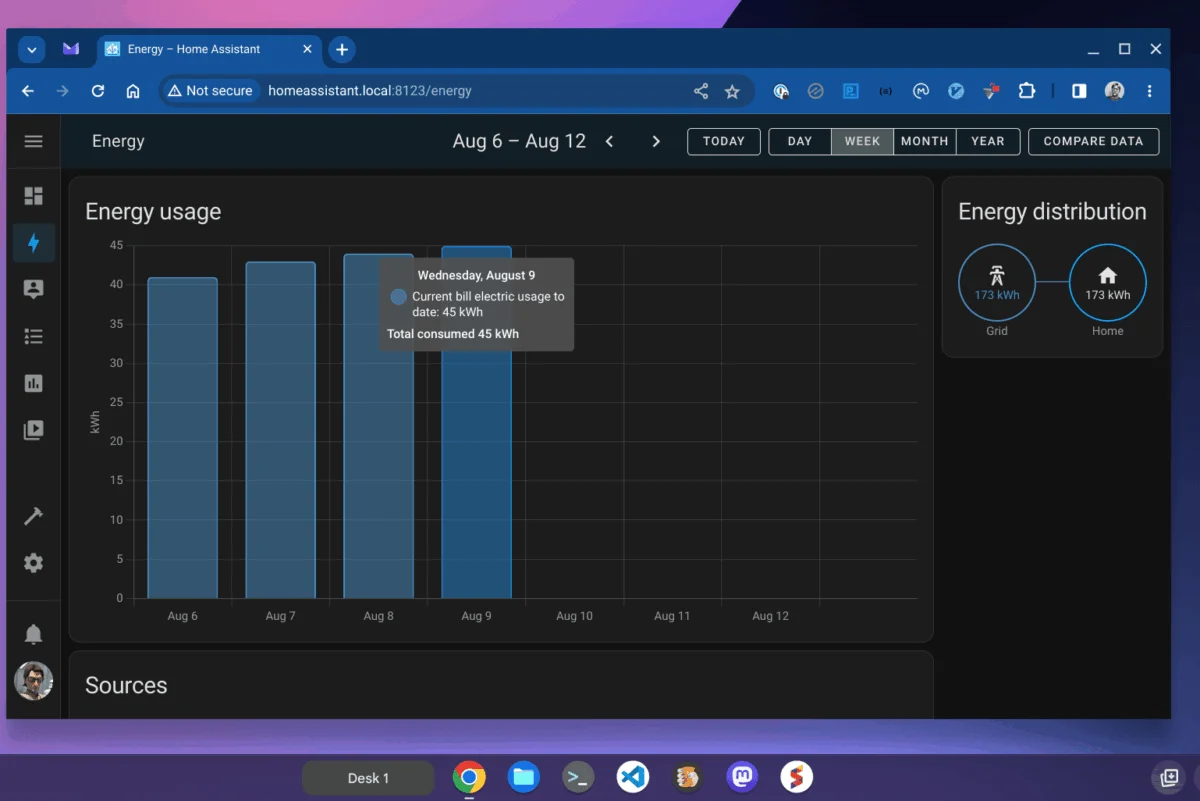
In the realm of smart home enthusiasts, Kevin’s personal experience and subsequent audience reactions to his transition to Home Assistant provided valuable insights into the user experience of smart home platforms. Home Assistant, an open-source home automation platform, is known for its flexibility and customization capabilities, appealing to users who seek greater control over their smart home devices and data. The engagement with audience comments highlights the active community surrounding such platforms and the importance of user feedback in shaping product development and adoption.
Preparing Homes for Smart Energy Management
With the increasing focus on energy efficiency and sustainability, proactive preparation for smart energy management programs is becoming essential for homeowners. Tips for optimizing home energy consumption, such as improving insulation, upgrading to energy-efficient appliances, and implementing smart thermostats, can significantly reduce utility costs and environmental impact. As utility companies roll out more sophisticated demand-response programs and smart grid technologies, homeowners who have taken these preparatory steps will be better positioned to benefit from these initiatives.
Listener Inquiries and Device Compatibility
The podcast also addressed listener questions, including inquiries about the Amazon Echo Show and its compatibility with other devices. Understanding the ecosystem of smart displays and their integration capabilities is crucial for consumers looking to build a cohesive smart home experience. While Amazon’s Echo Show offers a central hub for controlling various smart home devices, the effectiveness of this integration often depends on the specific devices and their adherence to common communication protocols.
In conclusion, the current technological landscape is characterized by both complex challenges and exciting innovations. From the persistent interoperability issues in the smart home sector to the transformative potential of TinyML in industrial IoT, and the rapid advancements in drone technology and open-source hardware, the future of connected devices promises to be dynamic and multifaceted. Honeywell’s strategic embrace of TinyML, coupled with broader industry trends, underscores a clear trajectory towards more intelligent, secure, and efficient edge computing solutions.