

The landscape of the Internet of Things (IoT) is undergoing a significant transformation, with a growing emphasis on processing data closer to its source. This shift, often referred to as edge computing, is particularly crucial in industrial settings where real-time decision-making, robust security, and efficient power consumption are paramount. Honeywell, a global leader in diversified technology and manufacturing, is actively exploring and implementing Tiny Machine Learning (TinyML) solutions to unlock new levels of intelligence at the sensor level. Muthu Sabarethinam, VP AI/ML Product and Services at Honeywell, recently shared insights into the company’s strategic approach to TinyML, highlighting its potential to revolutionize how equipment data is utilized and services are delivered.
The Imperative for Edge Intelligence: Honeywell’s Data-Centric Vision
Honeywell’s foray into TinyML is deeply rooted in its overarching strategy to leverage data from its vast installed base of equipment for enhanced service offerings. The company supports over a million sensors deployed in the field across various industries, including building automation, aerospace, and industrial manufacturing. Traditionally, data from these sensors would be transmitted to centralized cloud platforms for analysis. However, this approach presents inherent challenges, including latency, bandwidth limitations, and potential security vulnerabilities.
"The core idea is to move intelligence closer to where the data is generated," explained Sabarethinam in a recent discussion. "By embedding machine learning algorithms directly onto sensors, we can perform initial data processing, anomaly detection, and even predictive maintenance tasks at the edge. This not only reduces the reliance on constant cloud connectivity but also enables faster responses and more resilient operations."
This data-centric vision positions Honeywell to offer proactive and predictive services, moving beyond traditional reactive maintenance. For instance, a sensor equipped with TinyML could detect subtle deviations in equipment performance that might indicate an impending failure. This early detection allows for scheduled maintenance, preventing costly downtime and operational disruptions.
TinyML: A Paradigm Shift for Sensors
TinyML refers to the implementation of machine learning algorithms on extremely low-power microcontrollers, often found in small, embedded devices like sensors. These microcontrollers typically have limited memory and processing power, making them unsuitable for conventional ML models. However, advancements in model compression techniques, efficient algorithm design, and specialized hardware have made TinyML a practical reality.
Sabarethinam elaborated on the specific advantages Honeywell sees in deploying TinyML on its sensors:
Enhanced Security
Running algorithms at the edge can significantly bolster security by minimizing the amount of sensitive data that needs to be transmitted. For example, instead of sending raw sensor readings that could be intercepted, a TinyML model can process this data locally and only transmit aggregated insights or alerts. This is particularly critical in sensitive industrial environments where data breaches can have severe consequences. Furthermore, on-device processing can help in identifying and mitigating potential cyber threats in real-time, preventing unauthorized access or malicious manipulation of sensor data.
Power Efficiency
Many industrial sensors operate on battery power or have limited power budgets. Traditional cloud-based processing requires continuous data transmission, which is power-intensive. TinyML, by contrast, allows for localized processing, significantly reducing the need for constant communication. This leads to extended battery life for sensors and reduced overall energy consumption, contributing to operational cost savings and a more sustainable footprint.
Reduced Latency and Improved Responsiveness
In applications where immediate action is required, such as industrial control systems or safety monitoring, latency can be a critical factor. Transmitting data to the cloud, processing it, and sending back commands introduces delays. TinyML enables near real-time analysis and decision-making directly at the sensor, allowing for instantaneous responses to critical events. This is crucial for applications that demand millisecond-level reaction times.
Bandwidth Optimization
The sheer volume of data generated by millions of sensors can strain network infrastructure and incur significant bandwidth costs. By processing and filtering data at the edge, TinyML can dramatically reduce the amount of data that needs to be transmitted. This frees up network resources and lowers operational expenses, making large-scale IoT deployments more economically viable.
Packaging Algorithms for Scalability: A Key Challenge
One of the significant hurdles in deploying TinyML at scale is the efficient packaging and deployment of machine learning algorithms. Sabarethinam highlighted the need for standardized approaches that allow companies to easily develop, test, and deploy their algorithms across a diverse range of sensor hardware.
"The ability to package algorithms in a way that is hardware-agnostic and easily deployable is crucial for widespread adoption," he stated. "This involves creating robust software frameworks and development tools that abstract away the complexities of underlying hardware. Companies need to be able to create models once and deploy them across various sensor types and platforms without extensive re-engineering."
This challenge is compounded by the heterogeneity of sensor hardware within a single industrial facility, let alone across Honeywell’s global installed base. A unified approach to algorithm packaging would enable faster iteration cycles, easier updates, and more streamlined management of ML models deployed at the edge. The development of open-source initiatives and industry standards in this area is likely to accelerate progress.

The Broader Ecosystem: RISC-V and IoT Module Consolidation
The discussion around TinyML at Honeywell also touched upon broader trends in the semiconductor and IoT industries that are shaping the future of edge computing.
The Rise of RISC-V
A notable development in this context is the formation of a new RISC-V company backed by major players like Qualcomm, NXP, Infineon, and others. RISC-V is an open-source instruction set architecture (ISA) that offers a flexible and customizable alternative to proprietary architectures like ARM. The backing of such prominent companies signals a significant push towards the widespread adoption of RISC-V in embedded systems, including those used in IoT devices.
The implications of this are substantial. Open-source ISAs can foster innovation by lowering the barrier to entry for chip design and enabling greater customization for specific applications. For TinyML, RISC-V could offer highly optimized architectures for low-power, high-performance inference at the edge. This move suggests a strategic shift by these semiconductor giants to capture market share in the rapidly growing edge AI domain.
Consolidation in IoT Module Business
Another trend observed is the consolidation within the IoT module business. The proposed sale of an IoT module business to Renesas by an unnamed entity, as reported, indicates a market where specialization and scale are becoming increasingly important. IoT modules, which integrate connectivity, processing, and often sensor interfaces, are critical components for many IoT devices.
The acquisition of such businesses by larger players like Renesas, a prominent semiconductor manufacturer, suggests a move towards vertical integration and a desire to offer more comprehensive solutions to customers. This consolidation could lead to more integrated and cost-effective IoT modules, potentially accelerating the adoption of TinyML-enabled devices by simplifying the hardware supply chain.
The Promise of On-Demand Drone Networks
The conversation also ventured into the innovative application of drone technology, with a mention of a drone startup building an on-demand drone network that resembles a satellite network. This concept, aiming to provide aerial coverage on demand, has significant implications for critical infrastructure monitoring and inspection.
Imagine a network of drones strategically positioned and capable of being deployed rapidly to specific locations for tasks such as inspecting power lines, monitoring pipelines, or assessing damage after a natural disaster. This could offer a more agile and cost-effective alternative to traditional methods, providing real-time visual data and enabling swift response to emerging issues. The "on-demand" aspect suggests a highly automated and responsive system, likely leveraging advanced AI for flight path optimization and data analysis.
Navigating the Smart Home Landscape: Home Assistant and Energy Management
Beyond industrial applications, the discussion touched upon the evolving smart home ecosystem. Kevin’s experience and audience reactions to his transition to Home Assistant provided a relatable glimpse into the complexities and rewards of managing a personalized smart home environment. Home Assistant, an open-source home automation platform, offers a high degree of customization and local control, appealing to users who prioritize privacy and flexibility.
The challenges and triumphs of integrating various devices and services within Home Assistant resonate with many smart home enthusiasts. Audience comments often highlight specific integration hurdles, feature requests, and the ongoing learning curve associated with such powerful platforms. This feedback loop is invaluable for both users and developers in refining smart home solutions.
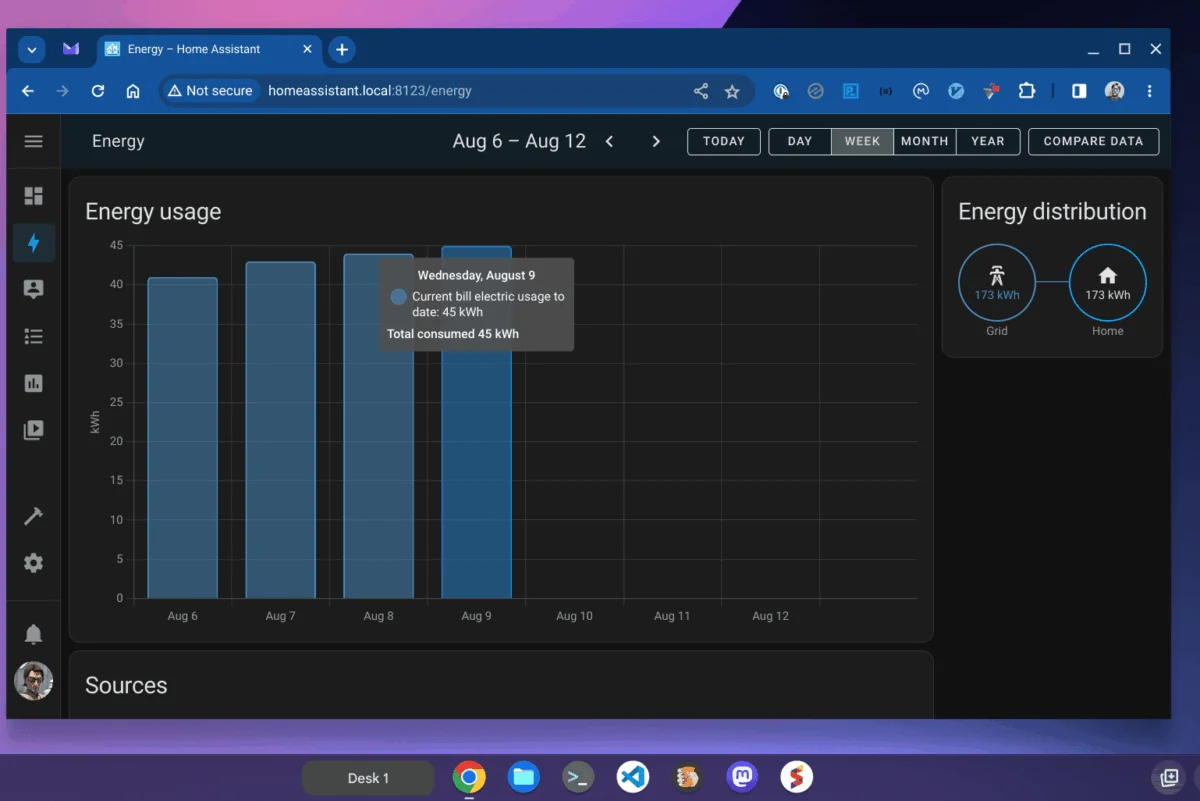
Furthermore, the article highlighted practical advice for homeowners looking to prepare for smart energy management programs. As utilities increasingly implement demand-response initiatives and time-of-use pricing, consumers can benefit from understanding how to optimize their energy consumption. This involves:
- Understanding your energy usage: Identifying high-consumption devices and periods.
- Investing in smart devices: Smart thermostats, plugs, and lighting can be programmed for efficiency.
- Exploring home energy monitoring systems: These provide detailed insights into energy flow.
- Researching local utility programs: Understanding incentives and available technologies.
These preparatory steps empower homeowners to actively participate in smart energy grids, potentially leading to significant cost savings and a reduced environmental impact.
Addressing Listener Inquiries: Amazon Echo Show and Compatibility
Finally, the podcast episode concluded by addressing a listener question concerning the Amazon Echo Show and its device compatibility. This common query underscores the user’s desire for seamless integration and a cohesive smart home experience. Understanding which devices work effectively with platforms like the Echo Show is crucial for consumers making purchasing decisions and for ensuring a functional and user-friendly smart home setup. The answer likely involved discussing compatible smart home protocols (e.g., Wi-Fi, Zigbee, Z-Wave, Matter) and specific product categories that have proven reliable with the Echo Show.
In conclusion, Honeywell’s strategic embrace of TinyML represents a forward-thinking approach to edge intelligence, promising enhanced security, efficiency, and responsiveness in industrial IoT. This initiative, alongside broader industry shifts towards open architectures like RISC-V and market consolidation, is paving the way for a more intelligent and interconnected future, extending from the factory floor to the smart home.