
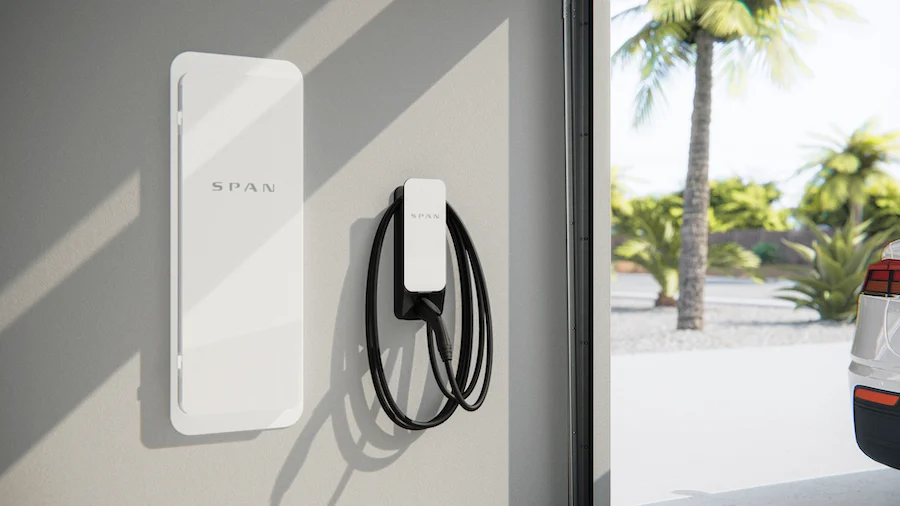

The confluence of extreme summer heatwaves and a heightened awareness of the fragility of our nation’s power grids has fostered a growing consensus: smart homes must increasingly incorporate robust smart energy management components. While currently, this often manifests as a smart thermostat integrated with a utility’s demand response program, the trajectory of technological advancement points toward a more comprehensive ecosystem. Within the next decade, this is expected to evolve to include sophisticated smart breaker boxes, intelligent electric vehicle (EV) chargers, and integrated solar or other energy storage solutions. Orchestrating these diverse elements will be advanced software capable of seamless communication between in-home devices and utility infrastructure, ensuring optimized power distribution, particularly during periods of high demand when power availability may be constrained.
The Evolving Landscape of Home Energy Management
The vision of a fully integrated smart home energy system, while promising, presents a significant undertaking for both homeowners and the industry. However, the emergence of innovative products from established manufacturers such as Schneider Electric, Eaton, Leviton, Savant, and Span is beginning to crystallize this future. Furthermore, legislative actions, including those enacted under the Biden administration, offer financial incentives designed to encourage consumers to transition from traditional, "dumb" electrical infrastructure to smarter, more responsive alternatives. These policy shifts are crucial in accelerating the adoption of technologies that promise greater grid stability and individual energy efficiency.
For the average consumer, the prospect of overhauling an entire home’s electrical system can appear far more daunting than the relatively simple act of replacing a thermostat. This raises a critical question for homeowners: how can an individual begin to intelligently adapt their home’s energy infrastructure for the modern era?
Initiating the Smart Energy Journey: The Breaker Box Audit
The most accessible and actionable first step toward smart energy management is an initiative that can be undertaken today by any homeowner: conducting a thorough audit of the existing breaker box. This process can be effectively executed with the assistance of a friend or family member. One individual can be stationed at the breaker box, while the other navigates through the home, communicating via a cell phone. The task of the person at the breaker box is to systematically flip each switch, one by one. Simultaneously, the person in the home observes which outlets and appliances are powered down when a specific circuit is de-energized.
For each circuit identified, a detailed list should be generated, documenting the specific outlets and the appliances connected to them. This comprehensive inventory serves as a foundational document for understanding the home’s current electrical load distribution. Crucially, this list should be maintained in proximity to the breaker box for easy reference.
Identifying Opportunities and Addressing Limitations
Beyond simply cataloging existing circuits, this audit offers an opportunity to identify any vacant circuits or available "headroom" within the electrical panel. This information is invaluable for future planning, particularly for homeowners considering popular electrification projects such as the installation of an EV charger, a heat pump, or an induction stove. These additions often require dedicated circuits and can significantly increase a home’s overall power demand.
For residents of older homes, the absence of sufficient headroom may necessitate a more substantial upgrade. In such cases, the options will likely involve increasing the amperage of the home’s electrical service line and potentially upgrading the breaker box itself to accommodate higher power demands. These upgrades, while essential for modernization, can represent a significant financial investment.
Navigating the Smart Breaker Box Market
For those with a more conservative approach or budgetary constraints, a strategic compromise may involve replacing the existing breaker box with a smart equivalent. These advanced panels are designed to intelligently manage and distribute power loads. For instance, a smart breaker box could be programmed to prioritize EV charging during off-peak hours, such as overnight, when other high-demand appliances are typically inactive. While this offers a degree of load management, it is important to acknowledge that such solutions provide only partial optimization and will not address all energy management needs.
The market for smart breaker boxes is evolving, with several distinct product categories emerging. Some devices, such as those offered by Sense or Emporia, are designed to be installed within the existing breaker box. These units excel at collecting and transmitting data on energy consumption patterns but do not offer direct control over individual circuits. While valuable for monitoring, their utility is limited when immediate action is required. As noted by early adopters, knowing a refrigerator consumes a specific wattage daily does not translate into the ability to remotely switch it off for energy savings, highlighting a functional limitation of purely monitoring devices.
A more advanced category includes "smart circuits" that possess the capability to be remotely switched on and off. This grants homeowners granular control over individual loads, enabling proactive energy management. Consumers can opt for an entirely smart breaker box or integrate a select number of smart circuits into their existing panel. A significant consideration within this segment is the prevalence of proprietary software that governs the management of these loads. For highly technical users and dedicated DIY enthusiasts, open-source alternatives are also available, offering greater flexibility and customization, though they typically demand a higher level of technical expertise.

Experiencing the Future of Home Energy Management
To gain a tangible understanding of what a more futuristic smart home energy management solution might entail, consumers can explore platforms like SmartThings Energy. This application leverages data from smart meters and real-time electricity rates to provide insights into the power consumption of compatible smart appliances. For users with Samsung appliances, the platform allows for the activation of a "Power Savings" mode directly through the app, aiming to achieve incremental energy savings.
While such integrated solutions are promising, the current landscape is characterized by a lack of universally adopted standards for communication between various appliances and breaker box software concerning energy usage. This interoperability challenge is a significant hurdle to achieving seamless, fully automated smart energy management. However, industry stakeholders and researchers are actively working towards establishing these crucial standards.
In the interim, homeowners are encouraged to prioritize the foundational step of conducting their energy audit. This proactive measure not only demystifies their home’s electrical system but also facilitates informed planning for future appliance acquisitions. As the market continues to mature and technological solutions become more sophisticated and standardized, a truly intelligent and responsive home energy ecosystem will become increasingly attainable, contributing to both individual savings and broader grid resilience.
The Broader Context: Grid Vulnerability and Electrification Trends
The urgency to adopt smart energy management solutions is underscored by recent events that have brought the vulnerability of the electrical grid into sharp focus. The extreme heatwaves experienced during recent summers have placed unprecedented strain on power infrastructure, leading to rolling blackouts and energy conservation advisories in various regions. These events are not isolated incidents but are increasingly recognized as symptomatic of a broader challenge: an aging grid struggling to cope with rising demand, exacerbated by the impacts of climate change.
The push towards electrification, driven by environmental concerns and government incentives, further intensifies this demand. As more households transition to electric vehicles, heat pumps for heating and cooling, and induction cooktops, the peak load on residential circuits and the overall grid can increase significantly. Without intelligent management systems, this growing demand could lead to more frequent and severe grid disruptions.
Legislative Support and Industry Innovation
Recognizing these challenges, policymakers have begun to implement measures to support the modernization of home energy infrastructure. The legislative actions taken under the Biden administration, aimed at incentivizing the replacement of outdated electrical components with smart alternatives, represent a critical step in this direction. These incentives can offset some of the upfront costs associated with smart breaker boxes, smart thermostats, and other connected energy devices, making these technologies more accessible to a wider range of consumers.
The private sector is responding with a wave of innovation. Companies like Schneider Electric, Eaton, and Leviton are developing and refining smart electrical panels and circuit breakers that offer enhanced monitoring and control capabilities. Startups such as Span are introducing integrated smart panels that combine circuit breaker functionality with advanced energy management software and user interfaces. Savant, known for its home automation systems, is also incorporating energy management features into its broader smart home ecosystem.
The Chronology of Smart Home Energy Evolution
The concept of smart home energy management is not entirely new, but its evolution has accelerated in recent years.
- Early Stages (Pre-2010s): The initial foray into smart home energy management was largely limited to programmable thermostats, offering basic scheduling capabilities to reduce energy consumption during unoccupied periods.
- Rise of Connected Devices (2010s): The proliferation of Wi-Fi and the Internet of Things (IoT) enabled the development of smart thermostats that could be controlled remotely via smartphones and integrated with utility demand response programs. These programs often offered incentives for consumers to reduce their energy usage during peak demand periods.
- Data-Driven Insights (Mid-2010s onward): Devices like the Sense energy monitor began to emerge, providing homeowners with detailed insights into their energy consumption patterns by analyzing the electrical signals within their breaker box. This allowed for a more granular understanding of which appliances were consuming the most power.
- Intelligent Control and Automation (Late 2010s – Present): The focus shifted from mere monitoring to active control. Smart breaker boxes and smart circuits began to appear, offering the ability to remotely switch circuits on and off, manage loads, and automate energy-saving actions based on various factors like time of day, electricity prices, or grid conditions.
- Integration and Ecosystems (Present and Future): The current trend is towards integrating all these components into a cohesive smart home energy ecosystem. This involves seamless communication between smart appliances, EV chargers, solar inverters, battery storage systems, and the central smart breaker box, all orchestrated by intelligent software. Government incentives and industry standardization efforts are key drivers in accelerating this integration.
Implications for Homeowners and the Grid
The widespread adoption of smart energy management systems holds significant implications. For homeowners, it promises greater control over energy bills through optimized consumption, potential savings from utility incentive programs, and increased comfort and convenience. As electrification continues, smart energy management will become essential for managing the higher electrical loads associated with EVs and electric heating systems, preventing potential overloads and ensuring reliable power.
From a grid perspective, smart homes can transform from passive consumers into active participants in grid stabilization. By intelligently managing their energy consumption and potentially exporting excess solar power back to the grid, smart homes can help reduce peak demand, defer costly infrastructure upgrades, and enhance overall grid reliability and resilience. This distributed approach to energy management is crucial for accommodating the increasing penetration of renewable energy sources and the growing demand from electric transportation.
The journey toward a fully smart energy-managed home is an ongoing evolution. However, by taking the initial step of understanding their current electrical setup through a breaker box audit, homeowners can lay a solid foundation for future upgrades and actively participate in creating a more sustainable and resilient energy future.