
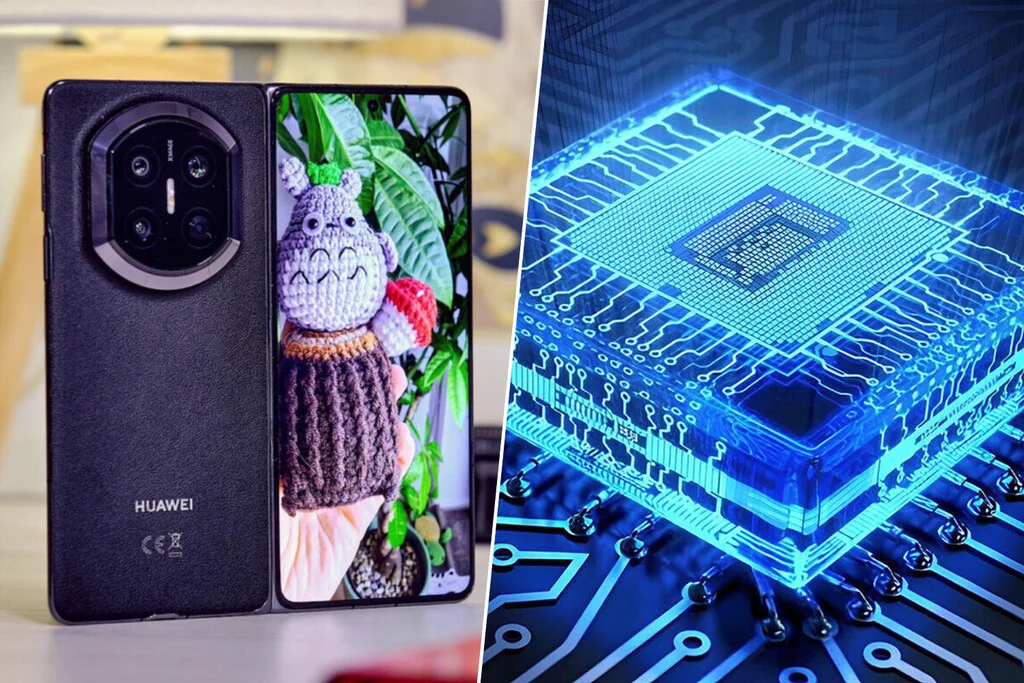

The narrative of Huawei’s survival and resurgence over the past years has been punctuated by significant milestones that have consistently captured media attention. From its remarkable return to 5G connectivity in mobile devices, defying earlier predictions, to the groundbreaking advancements by its foundry partner SMIC in overcoming lithographic barriers with the 7nm Kirin 9030 chip featured in the Huawei Mate 80 series, the company has steadily rebuilt its technological prowess. However, these triumphs, while impressive, largely remained confined to the high-end and premium segments of the market. These sectors, while offering substantial profit margins, inherently present a more limited sales volume. For Huawei to truly assert a comprehensive recovery and demonstrate the robustness of its independence, it needed to prove its capability to replicate this formula of self-reliance across broader, higher-volume market segments.
The Dawn of a New Era: Huawei’s Strategic Autonomy Takes Center Stage
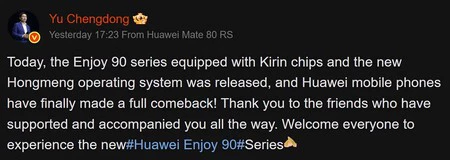
That decisive demonstration of force has now arrived, not through a flagship device, but with a more modest, yet profoundly symbolic, offering: the Huawei Enjoy 90 series. Unveiled recently in China, the presentation of these new smartphones was imbued with significant symbolism from Huawei’s top leadership. As reported by Huawei Central, He Gang, CEO of Huawei’s consumer division, emphatically declared that the company has finally returned "to full operational capacity." Echoing this sentiment, Richard Yu, CEO of Huawei’s Consumer Business Group, underscored that the Enjoy 90 model signifies Huawei’s authentic re-entry into the broader market. The profound reason behind this celebration is not the aesthetic design or specific features of the device itself, but rather a powerful, resonating statement that has begun circulating widely across Asian social media platforms, proudly proclaiming the brand’s renewed independence: "From now on, everything is Kirin."
This declaration marks a pivotal moment, signaling Huawei’s complete embrace of its vertically integrated strategy. For years, the shadow of external dependencies loomed large over the company’s aspirations, particularly in the critical domain of semiconductor supply. The ability to deploy proprietary Kirin chips across its entire product portfolio, from the most premium flagships to the accessible entry-level and mid-range devices, fundamentally alters Huawei’s competitive posture. It demonstrates a resilience and strategic foresight that few companies can match, transforming the challenges of sanctions into a catalyst for unparalleled self-sufficiency. This move is not merely about using different components; it represents a philosophical shift towards total control over its product destiny, ensuring that its market presence is no longer dictated by the whims of geopolitical tensions or external suppliers. The Enjoy 90, therefore, is more than just a new phone; it is a tangible manifestation of a hardened resolve and a testament to an ambitious long-term vision.
A Chronology of Resilience: Navigating the Sanctions Storm
To fully grasp the magnitude of this latest launch and the weight of the "everything is Kirin" declaration, it is imperative to revisit the tumultuous journey Huawei has endured since 2019. The United States government, citing national security concerns, initiated a series of escalating trade restrictions against Huawei, placing it on the Commerce Department’s Entity List. This act severed Huawei’s access to crucial American technology, including Google Mobile Services (GMS) for its Android devices and, more critically, advanced semiconductor manufacturing capabilities from global leaders like TSMC, which relied on US-origin equipment.
The Genesis of the Ban (2019): The initial sanctions dealt a severe blow to Huawei’s smartphone business, which was then a global powerhouse, vying for the top spot. Losing GMS meant that its new devices outside China could not offer essential Google apps and services, severely impacting their appeal in international markets. Simultaneously, the inability to source advanced chips threatened the very core of its hardware innovation. Huawei’s own designed Kirin chips, produced by TSMC, were at the forefront of mobile technology. The ban effectively cut off this lifeline, forcing the company into an unprecedented scramble for alternatives.
The Darkest Hour (2020-2022): In the immediate aftermath, Huawei’s global smartphone market share plummeted dramatically. Faced with dwindling supplies of its advanced Kirin processors and no access to cutting-edge manufacturing, the company was compelled to make difficult strategic decisions. It prioritized its limited inventory of self-designed silicon for its dwindling premium flagship line, aiming to maintain a foothold in the high-margin segment. For its crucial entry-level and mid-range devices, which historically generated significant sales volume, Huawei had to resort to using modified versions of Qualcomm’s Snapdragon processors, often limited to 4G connectivity due to the ongoing sanctions on 5G components. This period was characterized by a struggle for operational continuity, with the company focusing on survival and adapting its product roadmap under immense pressure. The reliance on a competitor’s chips, even for its lower-tier offerings, underscored the vulnerability that Huawei desperately sought to overcome.
Glimmers of Hope (2023): Against all odds, Huawei began to show signs of a remarkable comeback. The year 2023 marked a significant turning point with the quiet but impactful launch of the Mate 60 series. This device surprised the industry by featuring domestically produced 5G-capable Kirin chips, signaling a significant breakthrough in China’s indigenous semiconductor capabilities. While the exact manufacturing process and yield rates remained subjects of intense speculation, the mere existence of these chips, developed in collaboration with SMIC, demonstrated that China was making headway in overcoming the technological blockade. This was further solidified by the emergence of the Kirin 9030 in the Mate 80, showcasing SMIC’s ability to produce 7nm-class chips. These advancements were instrumental in Huawei reclaiming the number one position in smartphone sales within its home market, China, displacing global giants like Apple and other local competitors. These achievements, however, were still primarily confined to the premium segment, serving as powerful symbols of defiance and innovation rather than indicators of broad market penetration with independent technology.
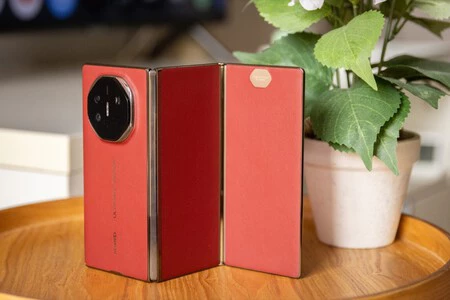
The Turning Point (Current): The introduction of the Enjoy 90 series, powered by in-house Kirin processors, represents the culmination of this arduous journey. It moves beyond symbolic victories in the high-end and signifies that Huawei’s self-sufficiency is no longer limited to niche premium products. The ability to integrate proprietary chips into its volume-driving mid-range and entry-level smartphones indicates that Huawei and its partners, such as SMIC and SiCarrier, have successfully stabilized and scaled their domestic supply chain. This is not merely an incremental improvement; it is a declaration of operational independence that impacts the entire product spectrum, fundamentally altering Huawei’s position in the global technology landscape.
The Pillars of Independence: In-House Chips and a Self-Reliant Ecosystem
The integration of Kirin processors into the Huawei Enjoy 90 series is far more than a simple component swap; it represents a fundamental operational inflection point. This move unequivocally confirms that Huawei and its critical partners, including SMIC (Semiconductor Manufacturing International Corporation) and SiCarrier, have not only achieved but also stabilized a domestic semiconductor supply chain capable of producing and delivering chips at a scale sufficient to meet the demands of the high-volume market segment. For years, following the stringent US sanctions, Huawei was forced to allocate its scarce reserves of proprietary silicon primarily to its premium models, relying on truncated 4G versions of Qualcomm’s Snapdragon processors to sustain its entry-level and mid-range offerings. The current shift signifies that this dependency has been largely eradicated.
Kirin: From Premium to Mass Market: The strategic deployment of Kirin chips across all segments, including the mass market, underscores a significant technical and logistical achievement. Huawei no longer requires Qualcomm for even its most affordable devices. This demonstrates that the Chinese manufacturer has successfully established a robust design and manufacturing ecosystem capable of scaling production from basic chips to high-end processors. This self-reliance allows Huawei to circumvent the commercial restrictions imposed from Washington, albeit still contending with certain inherent challenges, such as the need for further advancements in raw processing power and miniaturization compared to the cutting-edge offerings from global leaders like TSMC and Samsung Foundry. The stabilization of this supply chain for volume products is a testament to years of concerted investment and technological development within China. While the Nova Flip S, a mid-range foldable, previously hinted at this capability, its premium price point did not make it a true volume play. The Enjoy 90 series, targeting a much broader audience, unequivocally solidifies this achievement.
HarmonyOS: A Maturing Software Foundation: Beyond the hardware, the chip is merely the visible tip of an even deeper strategy of self-sufficiency. The new Enjoy 90 series, consistent with Huawei’s trajectory since the sanctions, arrives completely devoid of any trace of Google’s Android. Instead, it runs on the increasingly mature and independent HarmonyOS. The recent sixth iteration of Huawei’s operating system has solidified a platform that now boasts its own core, entirely decoupled from the base code of Android. This evolution is critical; it means HarmonyOS is not merely a fork of Android but a distinct operating system designed from the ground up for Huawei’s expansive ecosystem. Furthermore, this system has an Open Source counterpart—much like Android with AOSP—known as Open Harmony, which serves as the nervous system for an astonishing 1.2 billion devices. This vast installed base, predominantly within China, provides a fertile ground for developers and ensures a vibrant application ecosystem, further insulating Huawei from external software dependencies.
This vertical integration, where Huawei controls both the hardware (Kirin chips) and the software (HarmonyOS), mirrors the highly successful strategy employed by a select few technology giants, most notably Apple. By exercising complete dominion over its ecosystem, Huawei can meticulously optimize its software to extract maximum performance from its chips, even if those chips may not individually match the raw processing power of the most advanced silicon from its international rivals. This deep-seated synergy between hardware and software becomes a critical competitive advantage, allowing for superior efficiency, battery life, and overall user experience tailored specifically to Huawei’s proprietary components.
Nationalization of the Supply Chain: Complementing its chip and OS independence is Huawei’s aggressive nationalization of internal components. Recent detailed analyses and industry reports have revealed that an impressive nearly 60% of the parts used in Huawei’s latest smartphones now originate from local Chinese suppliers. This encompasses a broad spectrum of critical components, ranging from NAND flash memory modules for storage to the sophisticated development of CMOS photographic sensors. Huawei is meticulously weaving a robust safety net, systematically reducing its reliance on foreign suppliers across its entire bill of materials. This strategic pivot towards domestic sourcing not only enhances supply chain resilience against future geopolitical disruptions but also stimulates the growth and innovation within China’s broader technology manufacturing sector. The move towards in-house development of key components, such as its first one-inch camera sensor, further exemplifies this commitment to end-to-end independence.
Analysis: Implications for the Global Tech Landscape
The "total comeback" articulated by Huawei’s executives signifies much more than just a recovery in market share; it denotes the re-establishment of the company’s full operational muscle, built upon a foundation of deep-seated independence. Having already recaptured the coveted number one spot in smartphone sales within its fiercely competitive home market, China—a triumph that saw it dethrone established players like Apple and other domestic brands—Huawei now commands an increasingly comprehensive product catalog. This portfolio spans the top-tier flagships, robust mid-range offerings, and accessible entry-level devices, all fundamentally underpinned by technologies that are no longer reliant on foreign licenses or external, potentially vulnerable, supply chains.
A New Competitive Paradigm: Huawei’s ability to achieve this level of autonomy, particularly in critical areas like semiconductor design and manufacturing, and operating system development, fundamentally shifts the competitive landscape. It demonstrates that a major technology player can successfully build a complete, independent ecosystem, even under severe duress. This creates a new paradigm, particularly for other Chinese technology companies, showcasing a viable path to self-reliance and challenging the long-held notion that global leadership in tech necessitates deep integration with Western supply chains and intellectual property. The sanctions, initially intended to cripple Huawei, have inadvertently forced it to become a more formidable, self-sufficient entity.

Challenges Ahead: Despite these monumental achievements, Huawei still faces significant hurdles. One prominent challenge remains the need to elevate its high-end chips to the absolute cutting edge in terms of raw power and miniaturization, to truly rival the performance benchmarks set by global leaders like Apple and Qualcomm. While its vertical integration strategy allows for excellent optimization, bridging the gap in pure silicon performance is a continuous, resource-intensive race.
More crucially, the path to global expansion, as hinted at during the Enjoy 90’s presentation, presents a monumental challenge. Exporting an ecosystem that fundamentally lacks Google Mobile Services (GMS) to markets like Europe, where GMS is deeply embedded in consumer habits and app availability, remains an uphill battle. While HarmonyOS is robust and growing, the absence of popular Google applications (such as Gmail, Maps, YouTube, and the Google Play Store) significantly impacts user adoption outside of China. Huawei has invested heavily in its own AppGallery and HMS (Huawei Mobile Services), but overcoming years of ingrained Android and GMS dominance in international markets will require extraordinary effort and innovation.
Geopolitical Ramifications: The broader geopolitical implication of Huawei’s resurgence is profound. The US sanctions, rather than halting Huawei’s progress, have inadvertently spurred an accelerated drive towards technological self-sufficiency within China. This forced independence has resulted in the creation of a powerful, autonomous tech giant that is now poised to compete on its own terms, free from the constraints of external dependencies. This development carries significant weight for global supply chains, international trade relations, and the future of technological competition, potentially fostering a more bifurcated global tech ecosystem. The "vetos did not achieve their objective" is a powerful conclusion, as they have instead catalyzed the creation of a self-sustaining powerhouse ready to challenge established norms.