
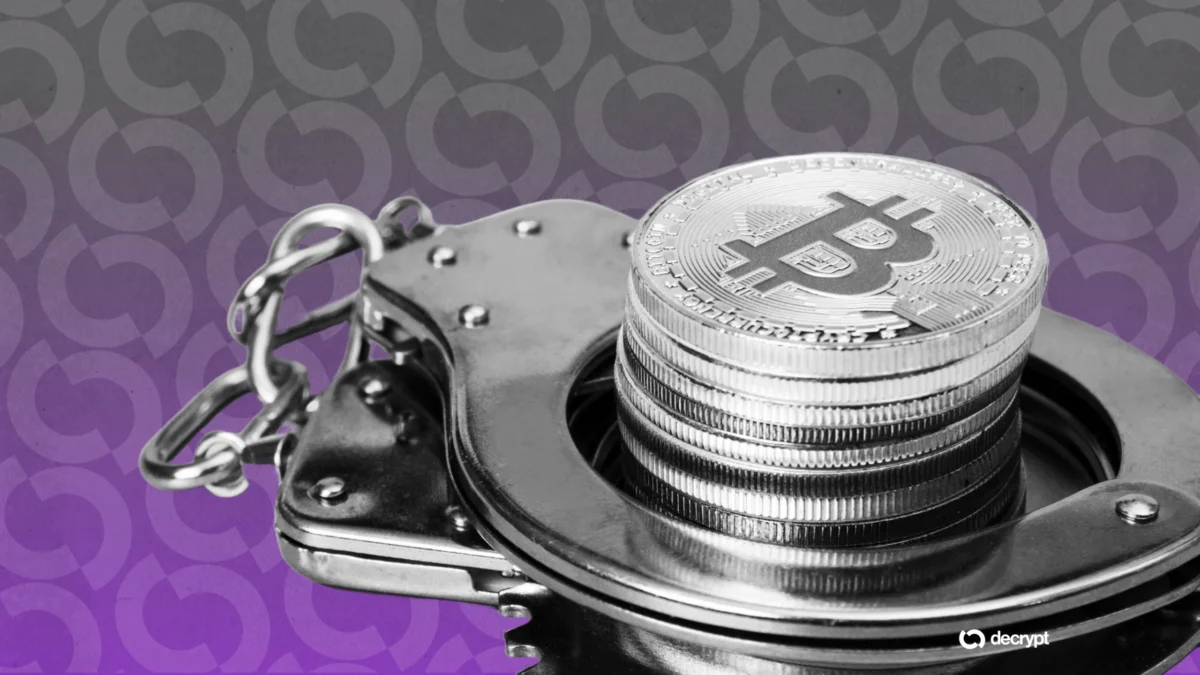

The Criminal Assets Bureau (CAB) in Ireland has achieved a significant breakthrough, successfully accessing a Bitcoin wallet containing approximately 500 BTC, a digital fortune now valued at around $34 million (or €30 million). This marks the first successful breach of twelve Bitcoin wallets that were seized from a convicted drug dealer in 2019. At the time of their seizure, these wallets held a considerably smaller sum, but their value has since surged dramatically, reaching an estimated $418 million (or €360 million) due to the volatile and appreciating nature of the cryptocurrency.
This pivotal success was facilitated by crucial international cooperation. Europol’s European Cybercrime Centre provided "highly complex technical expertise and decryption resources," which were described in a Garda statement as "vital to the success of the operation." This collaboration underscores the evolving landscape of law enforcement in combating sophisticated financial crimes that transcend national borders and leverage advanced technology. The 500 BTC unlocked in this operation, each valued at approximately $71,000 at the time of reporting, have been officially confirmed by CAB as "the proceeds of crime."
The Rise of a Digital Fortune from Humble Beginnings
The individual at the centre of this seizure is Clifton Collins, a 55-year-old former beekeeper. Collins was sentenced to five years in prison after being convicted for cultivating cannabis within rented properties and subsequently distributing the drug to criminal networks. His foray into the illicit drug trade, however, was paralleled by an early and prescient investment in Bitcoin. Beginning in 2011, when Bitcoin’s trading range was a mere $0.30 to $29, Collins began acquiring the cryptocurrency with the profits generated from his illegal activities. By the end of that year, Bitcoin closed trading at $4.72, a price point that pales in comparison to its current market value.
Over time, Collins meticulously amassed his digital wealth, creating a total of twelve distinct Bitcoin wallets to store his growing fortune. In a now-revealed attempt to safeguard his private keys – the digital credentials required to access and control Bitcoin – he reportedly documented them in a physical document. This document was allegedly hidden within a fishing rod case. This case was, according to reports, kept at a rented property located in County Galway.
A Cat-and-Mouse Game with Digital Keys
The narrative surrounding the loss of access to these keys is a key element in the unfolding story. In interviews with gardaí (Irish police), Collins maintained that he had not seen the fishing rod case again following a reported break-in at his home. However, subsequent investigations and reports suggest a different possibility. It is believed that a comprehensive clear-out of the rented property after his arrest may have inadvertently led to the loss or misplacement of the case containing the crucial private keys. This detail highlights the often-unconventional methods employed by criminals to conceal their ill-gotten gains and the challenges faced by law enforcement in uncovering them.
The initial seizure of these twelve wallets in 2019 was significant in itself. At that time, the contents were valued at approximately $61 million (or €53 million). The dramatic escalation in value over the intervening years is a testament to Bitcoin’s speculative nature and its remarkable price appreciation, particularly during periods of increased investor interest and broader adoption.
CAB’s Persistent Pursuit of Criminal Assets
The Criminal Assets Bureau, established in 1996, plays a critical role in the Irish legal system by targeting the proceeds of criminal activity. The Bureau operates under civil law, allowing it to seize assets deemed to be the profits of crime without necessarily requiring a criminal conviction for the specific asset itself. This civil forfeiture power is a powerful tool in disrupting criminal enterprises by removing their financial resources.
The CAB’s 2023 annual report provides further context to their ongoing efforts concerning Clifton Collins’ assets. The report details that an earlier recovery from Collins yielded approximately $1.3 million (or €1.2 million). This recovery was achieved through the confiscation of various assets, including 89 Bitcoin, alongside more tangible items such as a fishing boat, a Gyro plane (a type of gyrocopter aircraft), a metal detector, an electric bicycle, and a collection of motor vehicles. This multi-faceted approach demonstrates CAB’s strategy of targeting both digital and physical assets linked to criminal activity.
The Evolving Battlefield: Cybercrime and Cryptocurrency
The successful decryption of these Bitcoin wallets by the CAB, with the assistance of Europol, signifies a crucial development in the fight against cyber-enabled financial crime. Cryptocurrencies, while offering anonymity and decentralized control, also present significant challenges for law enforcement agencies tasked with tracing and recovering illicit funds. The ability to overcome sophisticated encryption and access these digital vaults represents a hardening of the investigative capabilities available to agencies like CAB and Europol.
This operation also shines a light on the substantial sums of money that can be generated and laundered through the illicit drug trade, particularly when combined with early and successful investments in emerging digital assets. The initial seizure in 2019, while substantial, was a mere fraction of the ultimate value held within the wallets. This highlights the long-term implications of investing criminal proceeds in assets with high growth potential.
Expert Analysis and Broader Implications
The success of the CAB in accessing these wallets is likely to have several significant implications. Firstly, it serves as a strong deterrent to criminals who might be using cryptocurrencies to launder money or store illicit gains. The message is clear: even seemingly secure digital assets are not beyond the reach of determined law enforcement agencies equipped with the right technical expertise and collaborative networks.
Secondly, this case underscores the vital importance of international cooperation in tackling modern crime. The involvement of Europol’s European Cybercrime Centre demonstrates that cross-border collaboration is no longer an option but a necessity in addressing the globalized nature of cybercrime and financial illicit activities. The sharing of specialized skills and resources is crucial for overcoming the technical hurdles presented by encrypted digital assets.
Thirdly, the sheer scale of the recovered funds, particularly the dramatic increase in value from the time of seizure to the time of access, raises questions about asset recovery strategies. While CAB’s civil forfeiture powers are potent, the long-term holding of seized, volatile assets like Bitcoin presents both opportunities and challenges. The appreciation of these assets, as seen in this case, can significantly enhance the funds available for reinvestment in crime prevention and victim support initiatives. Conversely, a significant depreciation could diminish their value.
From a legal perspective, this case may also contribute to the growing body of jurisprudence surrounding the seizure and forfeiture of cryptocurrency assets. The methods used for decryption and the legal basis for claiming ownership of these assets will be scrutinized and potentially set precedents for future cases.
The story of Clifton Collins and his Bitcoin fortune is a stark illustration of how illicit activities, coupled with early adoption of innovative financial technologies, can lead to extraordinary accumulations of wealth. It also highlights the evolving sophistication of both criminal enterprises and the law enforcement agencies working to dismantle them. As digital currencies continue to mature and integrate into the global financial system, the ability of agencies like the Criminal Assets Bureau to effectively monitor, investigate, and recover assets within this space will remain a critical determinant in the ongoing battle against organized crime. The approximately $34 million unlocked in this operation represents not just a financial recovery, but a significant victory in the ongoing effort to disrupt the financial underpinnings of criminal enterprises.