
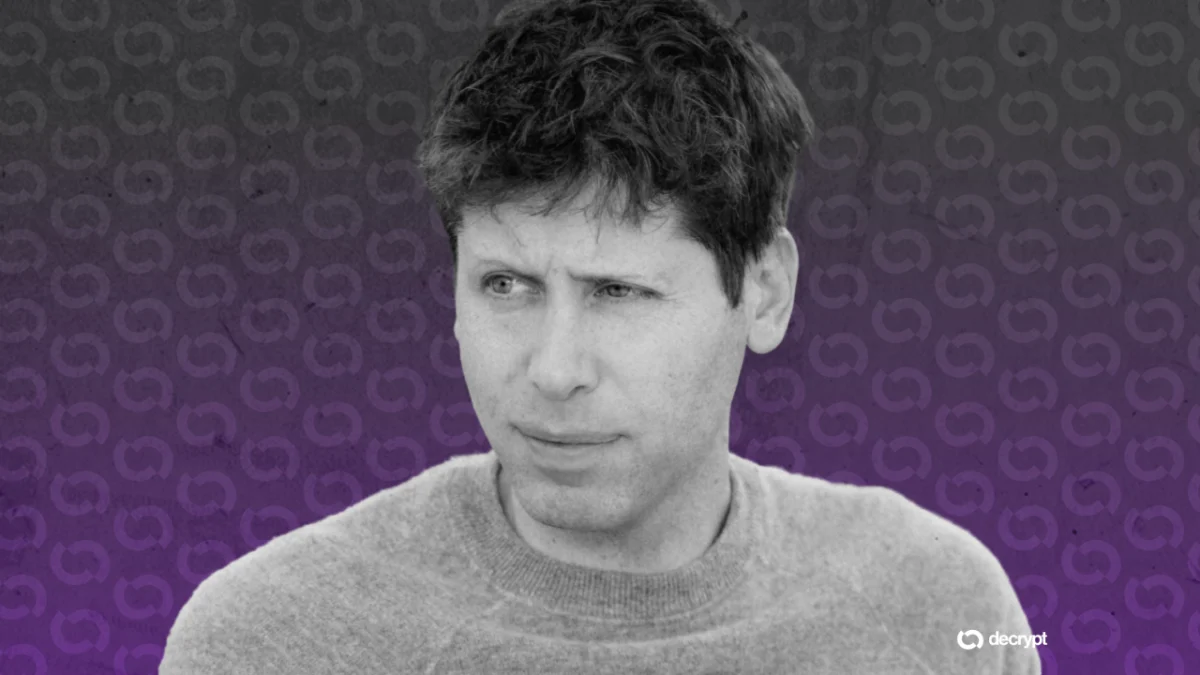

San Francisco police apprehended a suspect early Friday morning in connection with a brazen Molotov cocktail attack on the residence of OpenAI CEO Sam Altman and subsequent threats made against the company’s San Francisco headquarters. The incident, which occurred in the pre-dawn hours, has amplified concerns about the escalating tensions and potential for violence surrounding the rapid advancements and societal impact of artificial intelligence.
The early morning hours of Friday, April 5th, 2024, saw a dramatic escalation of security concerns for OpenAI, a leading research and development company at the forefront of artificial intelligence. According to an official report from the San Francisco Police Department (SFPD), officers were dispatched to Altman’s home in the affluent North Beach neighborhood at approximately 4:12 a.m. Pacific Time following a report of a fire. Upon arrival, authorities discovered that an incendiary device, identified as a Molotov cocktail or a similar explosive, had been hurled at an exterior gate of the property, igniting a small fire before the perpetrator fled the scene.
Chronology of Events
The incident unfolded in a rapid sequence, highlighting the speed at which such events can transpire and the challenges faced by law enforcement in apprehending perpetrators.
- Early Morning Hours (Approximately 4:12 a.m. PT): SFPD receives a report of a fire at Sam Altman’s North Beach residence.
- Investigation at the Residence: Officers respond and determine that an incendiary device, described as a Molotov cocktail, was thrown at an exterior gate, causing a fire. The suspect is reported to have fled the scene.
- Subsequent Threats at OpenAI Headquarters: While investigating the incident at Altman’s home, SFPD receives reports of threats being made against OpenAI’s San Francisco headquarters.
- Suspect Apprehension: Responding officers, patrolling the vicinity of OpenAI’s headquarters, detain an individual.
- Identification of Suspect: Officers recognize the detained individual as the same suspect involved in the earlier incident at Altman’s home.
- Detention and Ongoing Investigation: The suspect, identified as a 20-year-old male, is taken into custody. Authorities have not yet released the suspect’s name, and charges are pending as the investigation continues.
Details of the Incendiary Attack and Threats
Investigators meticulously pieced together the events of that morning. The Molotov cocktail, a primitive but effective incendiary weapon typically consisting of a glass bottle filled with flammable liquid and a wick, was deployed with the clear intent to cause damage and potentially harm. The fire, though contained to an exterior gate, represented a direct and alarming assault on the personal safety of a prominent figure in the AI industry.
The gravity of the situation was compounded by subsequent threats directed at OpenAI’s corporate facilities. While details of the nature of these threats were not immediately released, the SFPD’s swift response and apprehension of a suspect near the company’s headquarters suggest a direct link to the earlier attack. The police’s ability to identify and detain the same individual at a second location within a relatively short timeframe underscores the coordinated nature of the alleged actions.
Official Statements and Responses
OpenAI issued a statement acknowledging the incident and expressing gratitude for the swift response of the San Francisco Police Department. A spokesperson for the company confirmed the attack on Altman’s home and the threats made against their headquarters. "Early this morning, someone threw a Molotov cocktail at Sam Altman’s home and also made threats at our San Francisco headquarters," the spokesperson stated. "Thankfully, no one was hurt. We deeply appreciate how quickly SFPD responded and the support from the city in helping keep our employees safe."
The company reiterated its commitment to cooperating fully with law enforcement in their ongoing investigation. This collaboration is crucial for understanding the motives behind the attack and ensuring the safety and security of OpenAI’s personnel and facilities. The SFPD has stated that the investigation remains active and that charges are still pending against the detained suspect.
Broader Context: Rising AI-Related Threats
This incident does not occur in a vacuum. It emerges against a backdrop of increasing societal anxieties and concerns surrounding the rapid development and deployment of artificial intelligence. As AI technologies become more powerful and integrated into various aspects of life, debates have intensified regarding their ethical implications, potential for misuse, and impact on employment, privacy, and security.
Recent events have underscored these growing tensions. A report by the New York Times highlighted a case in Indiana where shots were fired into the home of a city council member who had supported the construction of a data center. A note left at the scene explicitly stated, "No data centers," indicating a direct connection between infrastructure supporting AI development and acts of intimidation or violence. Such incidents suggest a growing segment of the population that views AI development with extreme suspicion and is willing to resort to extreme measures to express their opposition.
Furthermore, a separate security scare at OpenAI in November, reported by Wired, involved a lockdown of the company’s San Francisco offices following a violent threat. This threat was reportedly linked to an anti-AI activist who had previously visited the company’s facilities and was believed to be planning harm against employees. These recurring security incidents paint a concerning picture of the challenges faced by leading AI organizations as they navigate public perception and potential backlash.
Analysis of Implications
The attack on Sam Altman’s home and the threats against OpenAI’s headquarters carry significant implications for the artificial intelligence industry and the broader societal discourse surrounding AI.
- Personal Security for AI Leaders: The incident directly highlights the personal security risks faced by individuals at the forefront of AI innovation. As these leaders become more visible and their companies wield increasing influence, they may become targets for those who oppose their work. This could necessitate enhanced personal security measures and a reassessment of public visibility strategies.
- Escalation of Anti-AI Sentiment: The use of a Molotov cocktail and the direct threats represent a tangible escalation of anti-AI sentiment beyond online discourse. It signals a potential shift from passive opposition to active, and potentially violent, forms of protest. This could create a chilling effect on AI development or, conversely, spur greater efforts to address public concerns.
- Impact on AI Investment and Talent: Persistent security threats and a climate of public hostility could deter investment in AI research and development. Potential employees might also be hesitant to join organizations perceived as high-risk targets. This could slow down the pace of innovation and the potential benefits that AI might offer.
- Need for Dialogue and Public Engagement: The incident underscores the urgent need for more robust and constructive dialogue between AI developers, policymakers, and the public. Addressing public fears and misconceptions about AI through transparent communication, ethical guidelines, and inclusive policy-making is paramount to fostering trust and mitigating the risk of such extreme reactions.
- Law Enforcement Preparedness: The SFPD’s swift response and apprehension are commendable. However, the increasing frequency of such incidents may require law enforcement agencies to develop specialized protocols and resources for addressing threats related to advanced technology sectors.
While Sam Altman has not publicly commented on the incident, and the investigation is ongoing, the events of Friday morning serve as a stark reminder of the complex and often contentious landscape in which the future of artificial intelligence is being shaped. The coming days and weeks will likely see further developments as authorities work to bring the suspect to justice and as OpenAI and the broader tech community grapple with the implications of this alarming event. The incident serves as a critical inflection point, demanding a serious examination of how society can collectively navigate the transformative power of AI while ensuring safety, security, and public trust. The legal ramifications for the suspect, once charges are finalized, will also be closely watched, potentially setting precedents for how similar acts of technologically-motivated aggression are prosecuted.