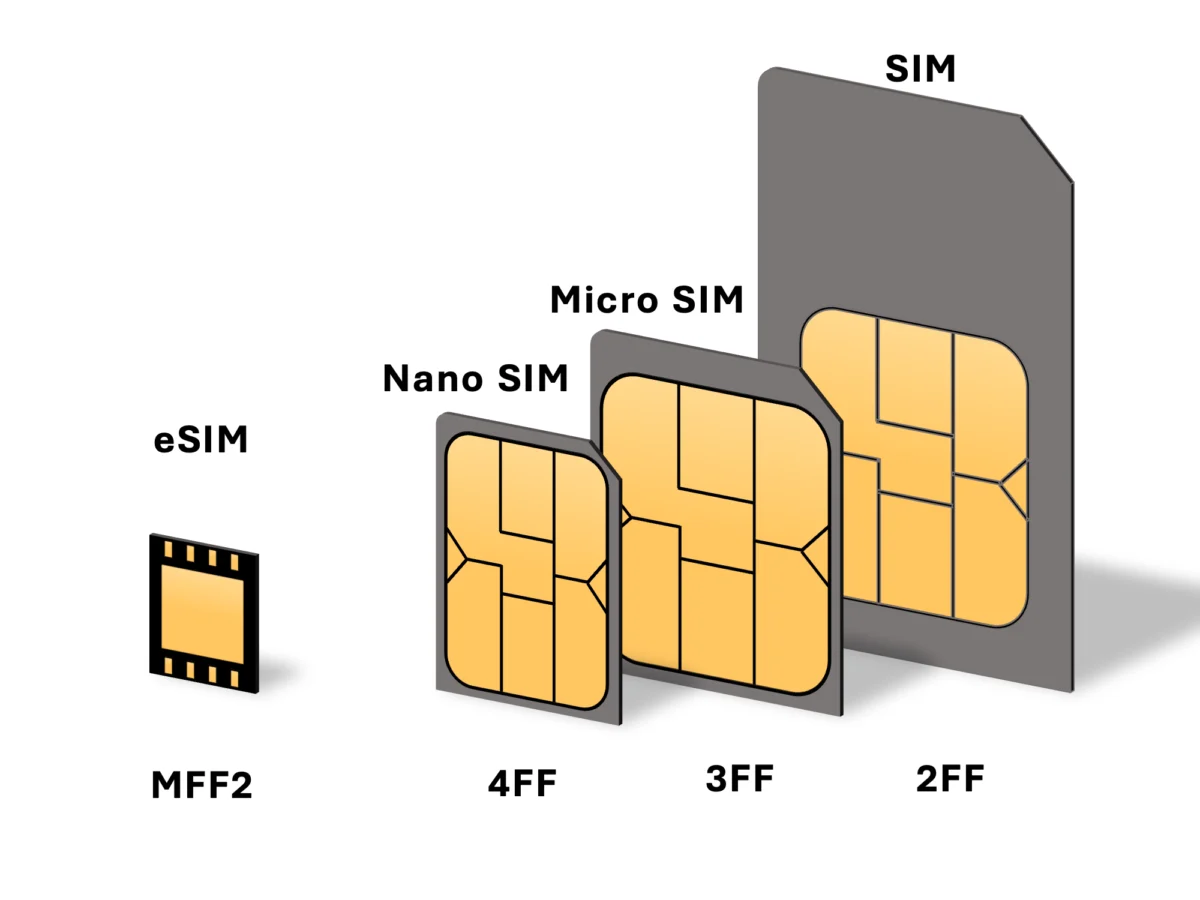

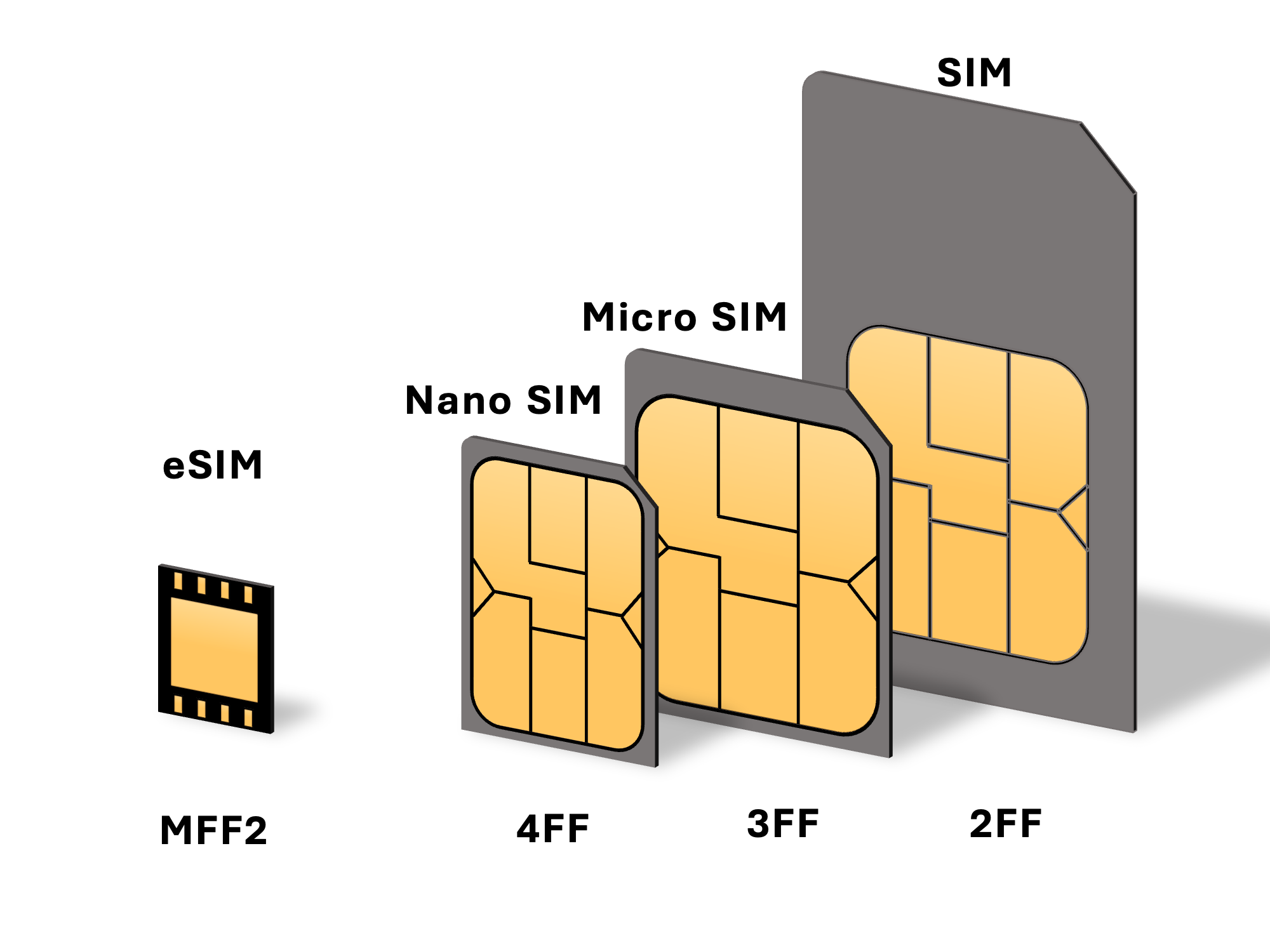
South Korea has long maintained its reputation as one of the most technologically advanced nations globally, consistently leading in internet speeds and mobile network penetration. As the world transitions toward more integrated digital solutions, the telecommunications sector in Korea has undergone a significant transformation with the adoption of eSIM technology. An eSIM, or embedded Subscriber Identity Module, represents a paradigm shift in how mobile devices connect to cellular networks. Unlike the traditional physical plastic cards that have been the standard for decades, an eSIM is a small chip built directly into a device’s hardware. This innovation allows users to download and activate cellular profiles digitally, offering unprecedented flexibility for both international travelers and domestic residents.
The evolution of eSIM technology in South Korea was catalyzed by regulatory shifts and consumer demand for "contactless" services, a trend that accelerated during the global pandemic. In late 2022, the South Korean Ministry of Science and ICT formally mandated that major domestic carriers support eSIM functionality for the latest smartphone models, aligning the country with global standards. This move effectively ended the era of physical SIM card dominance, opening the door for a more competitive and user-friendly market. For the millions of tourists who visit Seoul, Busan, and Jeju Island annually, as well as the growing expatriate community, understanding the nuances of the Korean eSIM market is essential for maintaining seamless connectivity.
The Technical Framework and Evolution of eSIM in Korea
To understand the current state of the market, one must first grasp the technical advantages that eSIM technology brings to the Korean infrastructure. The eSIM operates on the eUICC (Embedded Universal Integrated Circuit Card) standard, which allows for remote provisioning. This means a user can switch between different network providers or data plans without ever needing to visit a physical retail store or wait for a SIM card to arrive by mail.
Historically, the South Korean mobile market was dominated by a "walled garden" approach, where physical SIM cards were strictly tied to specific devices and long-term contracts. The chronology of the eSIM rollout in Korea highlights a deliberate move toward liberalization:
- Pre-2020: eSIM support was largely limited to wearable devices like the Apple Watch and Galaxy Gear.
- 2021: Increased pressure from international manufacturers and tech-savvy consumers led to pilot programs for smartphone eSIM support.
- September 2022: Official nationwide implementation began, with the "Big Three" carriers—SK Telecom, KT, and LG U+—launching dedicated eSIM registration systems for the iPhone 14 and Galaxy Z Fold4/Flip4 series.
- 2023-2024: The market expanded to include various prepaid "Tourist eSIMs," allowing visitors to bypass the traditional airport kiosk queues.
Comparative Analysis of Major Korean Telecommunications Providers
The South Korean telecommunications landscape is characterized by three primary infrastructure-based providers and several specialized MVNOs (Mobile Virtual Network Operators). Each offers distinct advantages depending on the user’s duration of stay and data requirements.
SK Telecom: The Market Leader
SK Telecom (SKT) holds the largest market share in South Korea, accounting for approximately 47% of all mobile subscribers. Their eSIM offerings are prized for having the most robust coverage, particularly in mountainous regions and remote islands. For tourists, SKT provides a 1GB daily high-speed plan for approximately $35 per month, which includes access to their extensive 4G LTE and 5G networks. While the price point is slightly higher than some competitors, the reliability of the connection is often cited as a primary factor for business travelers.
KT Olleh: The Connectivity Giant
KT (formerly Korea Telecom) is the second-largest provider and is renowned for its vast network of public Wi-Fi hotspots. KT’s eSIM plans for tourists typically start at $36.50 for a 30-day validity period. A unique value proposition for KT is the inclusion of "Olleh WiFi" access, which allows users to connect to high-speed hotspots in subways, cafes, and public buildings across the country, effectively preserving their cellular data allowance.
LG U+: Competitive Innovation
LG U+, the third major player, often competes on price and digital ease-of-use. Their eSIM plans are generally priced around $39 for 1GB of data over 30 days. While their physical infrastructure was historically smaller than SKT’s, recent investments in 5G have narrowed the gap significantly. LG U+ is often preferred by younger demographics and digital nomads who prioritize high-speed data for streaming and social media.
Specialized Providers: Korea SIM Card
For many tourists, the "Korea SIM Card" brand acts as a vital bridge. As a specialized provider catering specifically to international visitors, they offer the most aggressive pricing, starting as low as $25 for a 30-day plan. Their service model is built on the infrastructure of the major carriers but streamlined for English-speaking users, providing multi-language customer support that the primary carriers sometimes lack in their domestic-facing departments.
Data Breakdown: Pricing and Allowance Comparison
When analyzing the value of various eSIM plans, it is important to look beyond the base price and consider the price-per-gigabyte and the inclusion of auxiliary services.
| Provider | Base Price | Data Allowance | Validity | Network Type |
|---|---|---|---|---|
| Korea SIM Card | $25.00 | 1GB + Unlimited (Slow) | 30 Days | LTE |
| SK Telecom | $35.00 | 1GB + Unlimited (Slow) | 30 Days | LTE/5G |
| KT Olleh | $36.50 | 1GB + Unlimited (Slow) | 30 Days | LTE/5G |
| LG U+ | $39.00 | 1GB + Unlimited (Slow) | 30 Days | LTE/5G |
For long-term residents (those holding an Alien Registration Card), the pricing structure shifts to a monthly subscription model. These plans are significantly more cost-effective, often offering 2GB to 10GB of data, unlimited domestic voice calls, and texts for between $29 and $35 per month.
Strategic Factors for Consumer Decision-Making
Choosing the right eSIM provider in Korea requires a balanced assessment of four critical factors: network coverage, pricing, customer support, and value-added services.
1. Network Coverage and Speed: While South Korea has near-universal 4G coverage, 5G availability can vary. SK Telecom generally offers the most consistent speeds in rural areas, whereas KT and LG U+ are exceptionally strong in urban centers like Seoul and Incheon.
2. Pricing and Transparency: Travelers should be wary of "hidden" fees. Some providers charge an activation fee for the eSIM profile, while others include it in the package price. It is also vital to check if the "unlimited" data plans involve "Fair Usage Policies" (FUP), where speeds are throttled after a certain daily limit (usually 500MB to 3GB).
3. Language-Specific Support: For non-Korean speakers, the quality of customer service is paramount. Korea SIM Card and KT have invested heavily in English, Chinese, and Japanese support channels, including WhatsApp and KakaoTalk help centers.
4. Ecosystem Integration: Some eSIM plans come with additional perks, such as T-Money integration (Korea’s transportation card) or discounts at major tourist attractions. For long-term residents, the ability to use the mobile number for "Identity Verification" (a requirement for most Korean apps and websites) is the most crucial factor, often necessitating a plan from one of the "Big Three."
Activation and Top-Up Procedures: A Digital Workflow
The primary appeal of the eSIM is the elimination of physical logistics. The activation process in Korea typically follows a standardized digital workflow:
- Device Verification: The user ensures their device is carrier-unlocked and supports eSIM (e.g., iPhone XS or newer, Samsung Galaxy S20 or newer).
- Online Purchase: The user selects a plan on the provider’s website and submits a digital copy of their passport (required by Korean law for all SIM registrations).
- QR Code Delivery: Within minutes, a QR code is sent via email.
- Profile Installation: The user scans the QR code through their phone’s cellular settings.
- Network Attachment: Once the user arrives in Korea, the device automatically connects to the local towers.
Topping up an eSIM is equally streamlined. Most providers offer a web portal or a dedicated mobile app where users can add data or extend their validity period using an international credit card or local payment methods like KakaoPay.
Broader Implications and Future Outlook
The rapid adoption of eSIM technology in South Korea has broader implications for the global telecommunications industry. Environmentally, the shift reduces the production and disposal of millions of plastic SIM cards and their associated packaging. Economically, it lowers the barrier to entry for international travelers, fostering a more connected tourism environment.
Furthermore, the South Korean government’s push for eSIM is part of a larger strategy to integrate 6G research and Internet of Things (IoT) infrastructure. As more devices—from tablets to smartwatches and even connected vehicles—utilize eSIMs, the distinction between "mobile phone service" and "universal connectivity" will continue to blur.
Industry analysts suggest that within the next three to five years, physical SIM slots may disappear entirely from flagship smartphones sold in the Korean market. This will likely lead to even more competitive pricing as the "switching cost" for consumers drops to near zero, forcing providers to compete on service quality and network performance rather than long-term lock-in contracts.
In conclusion, for anyone visiting or living in South Korea, the eSIM represents the most efficient and flexible way to stay connected. By choosing a provider that aligns with their specific needs—whether it be the budget-friendly Korea SIM Card or the infrastructure-heavy SK Telecom—users can ensure they have the digital tools necessary to navigate one of the world’s most connected societies. As technology continues to evolve, the Korean eSIM market stands as a blueprint for the future of global mobile telecommunications.