
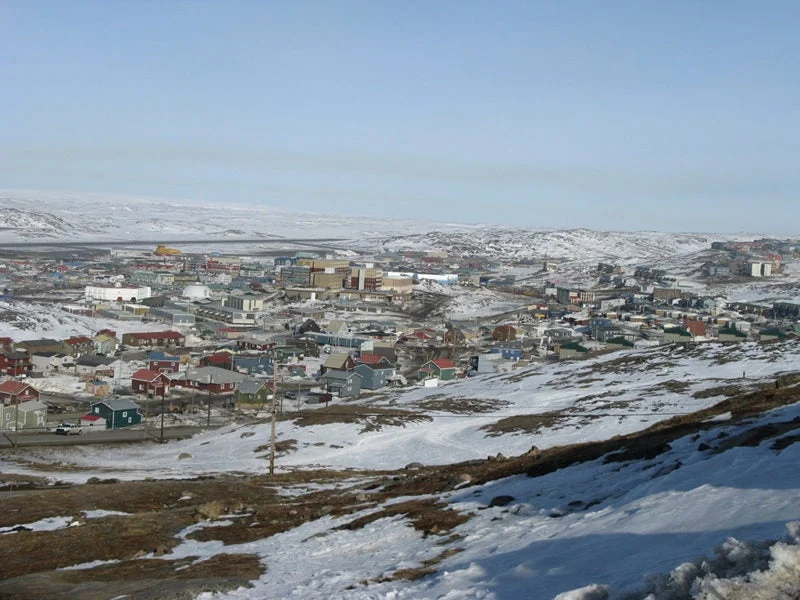

In a significant move toward bridging the digital divide in some of the most geographically challenging regions on Earth, Canadian telecommunications provider Northwestel has officially entered into a multi-year contract with Telesat to utilize the upcoming Lightspeed Low-Earth Orbit (LEO) satellite constellation. This strategic partnership aims to provide high-speed, enterprise-grade broadband services to remote communities across the Yukon, the Northwest Territories, Nunavut, and northern parts of British Columbia and Alberta. By leveraging Telesat’s advanced satellite technology, Northwestel intends to deliver internet speeds that meet or exceed the national standards set by the Canadian government, ensuring that residents and businesses in the North have access to the same level of connectivity as those in southern urban centers.
Under the terms of the agreement, Northwestel will tap into a dedicated capacity pool of the Telesat Lightspeed network, which was established through a CA$600 million investment by the Government of Canada in 2020. This federal initiative was designed specifically to ensure that internet service providers (ISPs) and mobile network operators could access satellite capacity at subsidized rates, thereby making high-speed internet more affordable for rural and Indigenous communities. The partnership is expected to facilitate broadband plans offering at least 50 Mbps download and 10 Mbps upload speeds, featuring unlimited monthly data usage—a critical requirement for modern digital participation in education, healthcare, and commerce.
A Strategic Response to Northern Connectivity Challenges
The Canadian North presents a unique set of logistical and environmental hurdles for telecommunications infrastructure. Traditional fiber-optic cables are difficult and expensive to lay across vast stretches of permafrost, rugged mountains, and tundra. While Northwestel has made significant strides in expanding its terrestrial fiber footprint, many communities remain "off-grid" in terms of high-capacity landlines. For these areas, satellite technology has historically been the only viable option, though older Geostationary (GEO) satellites often suffered from high latency and limited bandwidth.
The transition to Low-Earth Orbit (LEO) technology represents a paradigm shift for Northern connectivity. Unlike GEO satellites that orbit approximately 35,000 kilometers above the Earth, LEO satellites like those in the Lightspeed constellation orbit at altitudes of around 1,000 kilometers. This proximity drastically reduces latency—the delay in data transmission—making real-time applications such as video conferencing, online gaming, and cloud-based business tools functional for the first time in remote Arctic regions.
Northwestel’s decision to integrate Lightspeed into its service portfolio is a direct response to the increasing demand for reliable, high-capacity backhaul. In areas where fiber is not yet available or is too costly to deploy, the LEO constellation will serve as the primary backbone, connecting local community networks to the global internet.
The Chronology of Telesat Lightspeed and Federal Involvement
The path to this agreement has been paved by years of technological development and government policy focused on rural inclusion. Telesat, a cornerstone of the Canadian aerospace industry for over 50 years, began developing its LEO constellation concept in the mid-2010s to compete in the burgeoning global market for satellite-based internet.
In November 2020, the Government of Canada announced a CA$600 million agreement with Telesat. This funding was a cornerstone of the "High-Speed Access for All" strategy, aimed at connecting 98% of Canadians by 2026 and 100% by 2030. The government’s investment effectively pre-purchased a significant portion of the Lightspeed capacity to be used by Canadian ISPs at reduced rates. This "capacity pool" ensures that the benefits of Canadian-made space technology are felt domestically before the capacity is sold to international markets.
In 2023, the Lightspeed program reached a major milestone when Telesat finalized a contract with MDA Ltd. to serve as the prime satellite manufacturer. This shift in the supply chain allowed Telesat to optimize the constellation’s design, reducing the number of satellites while maintaining high performance, which improved the project’s overall capital efficiency. With the manufacturing phase underway, Northwestel’s commitment marks one of the most significant domestic commercial adoptions of the platform to date.
Supporting Data and Technical Specifications
The performance metrics outlined in the Northwestel-Telesat agreement are aligned with the Canadian Radio-television and Telecommunications Commission (CRTC) universal service objective. The 50/10 Mbps standard is considered the baseline for modern digital life.
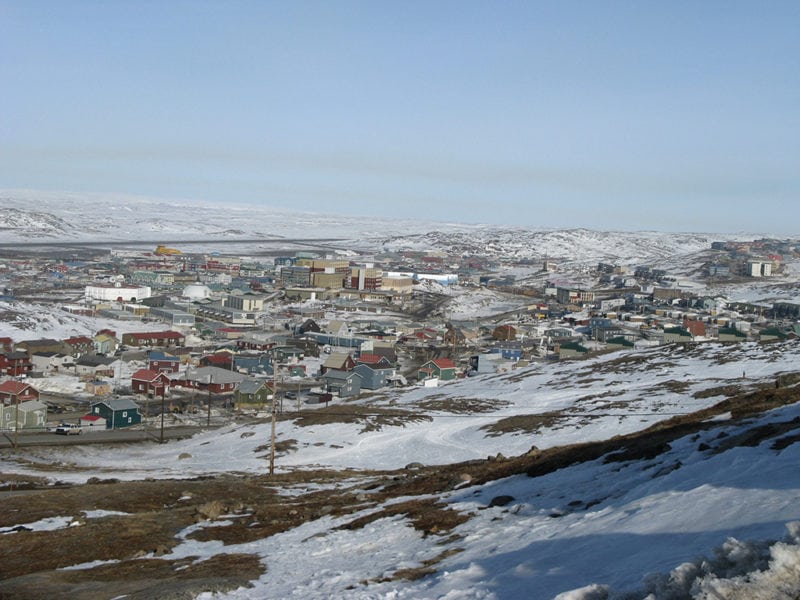
To put the impact of this agreement into perspective, consider the current state of connectivity in Nunavut. Many households currently rely on aging GEO satellite technology where speeds can fluctuate significantly, and data caps are often strictly enforced to manage limited bandwidth. By moving to the Lightspeed LEO system, Northwestel can offer:
- Reduced Latency: Expected to drop from 600-800 milliseconds (GEO) to under 50 milliseconds (LEO).
- Unlimited Usage: Eliminating the "bill shock" that many Northern residents face when exceeding low data caps.
- Resilience: The LEO mesh network provides multiple paths for data, reducing the risk of total outages caused by a single point of failure.
Furthermore, the scale of the Lightspeed constellation—which will eventually consist of 198 satellites in its initial phase—is designed to provide continuous coverage across Canada’s entire landmass, including the High Arctic, where coverage from other satellite providers can sometimes be spotty or non-existent.
Official Responses and Stakeholder Reactions
The announcement has been met with optimism from both corporate and government leaders. Tammy April, Vice President of Strategic Growth at Northwestel, emphasized the importance of domestic innovation. "This agreement reflects our commitment to Canadian innovation that directly serves Canadian needs," April stated. She noted that by partnering with Telesat, Northwestel is investing in technology that not only improves speed but also strengthens Northern sovereignty.
The concept of "sovereignty" is a recurring theme in Northern telecommunications. As the Arctic becomes more strategically significant due to climate change and shifting geopolitics, maintaining Canadian-owned and operated communication infrastructure is seen as a national security priority. By using a Canadian constellation (Telesat) and a Canadian provider (Northwestel), the government ensures that critical data remains within domestic jurisdiction.
While the Telesat agreement is a major pillar of Northwestel’s strategy, it is not the only one. On the same day the satellite deal was publicized, the Canadian government also awarded Northwestel more than CA$86 million (approximately $62 million USD) from the Universal Broadband Fund (UBF). This specific grant is earmarked for the expansion of physical fiber-to-the-home (FTTH) infrastructure in Nunavut. This dual-track approach—fiber where possible, satellite where necessary—is intended to create a "future-proof" network for over 11,500 households in the territory.
Analysis of Broader Implications and Future Outlook
The partnership between Northwestel and Telesat is more than just a business contract; it is a blueprint for how public-private partnerships can address the infrastructure deficit in remote regions. The implications of this deal extend into several key areas:
1. Economic Development
High-speed internet is a prerequisite for modern economic growth. In the North, this means Indigenous-owned businesses can reach global markets, the mining and resource sectors can implement more advanced automated technologies, and the burgeoning "knowledge economy" can finally take root in the Arctic. Reliable connectivity allows for the remote monitoring of environmental sites and the digital management of logistics, which are vital in a region where travel is prohibitively expensive.
2. Social and Health Equity
Telehealth is perhaps the most transformative application for the North. Many communities lack permanent doctors, requiring residents to fly to major centers for routine consultations. High-speed, low-latency broadband enables high-definition video diagnostics and real-time remote monitoring, potentially saving lives and reducing the massive costs associated with medical travel. Similarly, in education, students in small hamlets will have access to the same digital resources and remote learning opportunities as students in Toronto or Vancouver.
3. Competitive Landscape
The agreement also positions Northwestel and Telesat against global competitors like SpaceX’s Starlink. While Starlink has gained a foothold in rural markets, the Northwestel-Telesat partnership leverages government subsidies and existing local service infrastructure. For many Northern customers, having a provider with "boots on the ground" for installation and maintenance, combined with government-backed pricing, provides a compelling alternative to foreign satellite services.
4. Environmental and Climate Monitoring
The Arctic is warming at nearly four times the global average. Reliable broadband is essential for the network of sensors and research stations that monitor permafrost melt, sea ice levels, and wildlife migration. The Lightspeed constellation will provide the necessary data pipe to transmit this critical climate data to researchers worldwide in real-time.
Conclusion
The multi-year agreement between Northwestel and Telesat represents a milestone in Canada’s journey toward digital ubiquity. By combining the strengths of a legacy Northern service provider with the cutting-edge capabilities of a new LEO satellite constellation, the partnership addresses the long-standing complaints of Northern residents regarding slow, expensive, and capped internet services.
As Telesat moves closer to the full deployment of the Lightspeed constellation and Northwestel begins the physical work of expanding its fiber and satellite ground stations, the digital map of Canada is being redrawn. The promise of 50/10 Mbps speeds and unlimited data is no longer a southern luxury, but a looming reality for the residents of the Yukon, the Northwest Territories, and Nunavut. This evolution in infrastructure is poised to unlock unprecedented opportunities for the people of the North, ensuring that the vast distances of the Canadian Arctic are no longer a barrier to the opportunities of the 21st century.