
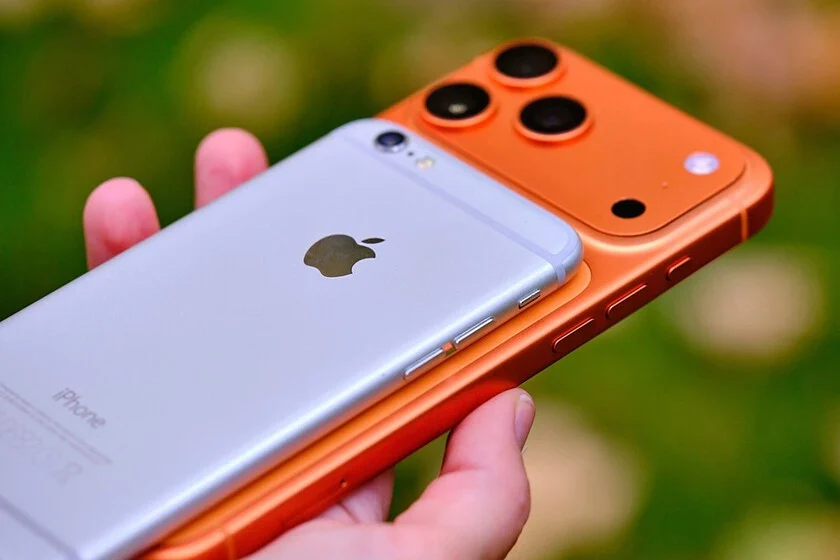

The market for refurbished technological devices, particularly smartphones, is experiencing a significant surge, transforming consumer purchasing habits and challenging traditional notions of product ownership. This burgeoning sector offers a compelling alternative to new devices, driven by a confluence of economic factors, growing environmental consciousness, and the maturing landscape of mobile technology. Once viewed with skepticism, refurbished phones are now gaining widespread acceptance, recognized for their value proposition that extends beyond mere cost savings to encompass quality assurance and sustainability benefits.
Defining the Refurbished Market: Beyond Second-Hand
A fundamental distinction must be drawn between "refurbished" and "second-hand" or "used" mobile phones. While both categories involve devices that have had previous owners, the refurbishment process entails a rigorous professional overhaul that elevates these products far beyond typical used goods. Second-hand phones, often sold directly by individuals through platforms like Wallapop or Vinted, typically come in "as-is" condition, with their operational state and cosmetic appearance varying widely. Buyers assume a greater risk, as the device’s history, internal wear, and battery health are often opaque, and post-sale support or warranty is rarely provided.
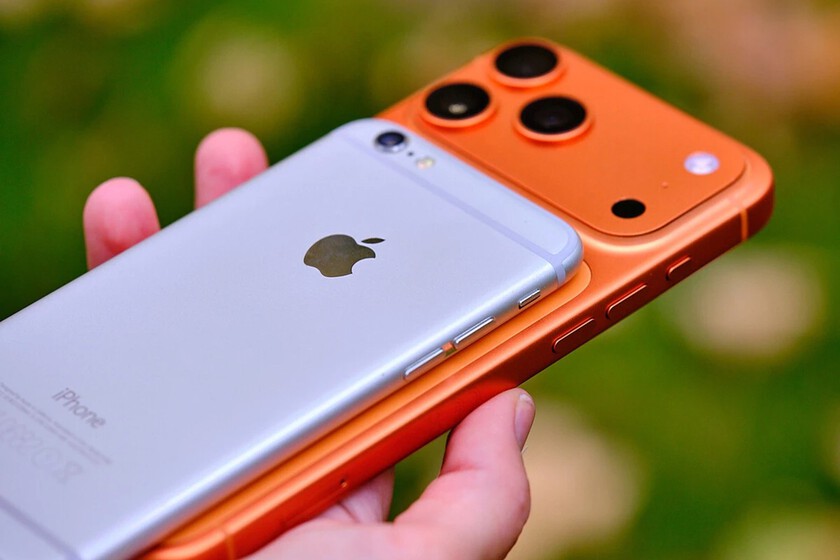
In contrast, refurbished phones, also known as refurbished or remanufactured devices, undergo a comprehensive inspection, testing, and repair process by specialized companies or the original manufacturers themselves. This process typically includes:
- Diagnostic Testing: Thorough checks of all hardware components, including screen, camera, microphone, speakers, ports, and internal sensors.
- Component Replacement: Faulty or worn-out parts, such as batteries, screens, or outer casings, are replaced with new or equivalent-quality components.
- Software Restoration: Devices are wiped clean of previous user data and restored to factory settings, ensuring a fresh start for the new owner.
- Cosmetic Refurbishment: External wear and tear are addressed, often resulting in devices that appear near-new, although different cosmetic grades (e.g., "excellent," "good," "fair") may exist, impacting pricing.
- Quality Control: Each device must pass stringent quality checks before being repackaged and offered for sale.
This meticulous process ensures that a refurbished phone is fully functional, reliable, and meets specific performance standards, bridging the gap between a brand-new device and a standard used one. Industry analysts, such as Counterpoint Research, have noted that the global market for refurbished smartphones grew by approximately 5% year-on-year in 2023, underscoring its increasing traction and consumer trust. This growth is projected to continue, with forecasts indicating significant expansion in the coming years, driven by both supply-side improvements and evolving consumer demand.
Economic Advantages: Substantial Savings Without Compromise
The primary driver for consumers opting for refurbished smartphones remains the considerable cost savings. Buying a refurbished flagship model can typically result in a discount of 20% to 50% compared to its brand-new counterpart, depending on the device’s age, model, and cosmetic condition. For example, a premium smartphone from the previous generation, which might still be considered top-tier in performance, can be acquired at a significantly lower price point when refurbished.

Consider the pricing dynamics of leading brands like Apple and Samsung. While their latest flagship models frequently launch at prices exceeding €1,000, previous-generation models, when available as refurbished units, often sell for hundreds of euros less. This price differential is particularly attractive given the incremental nature of annual smartphone upgrades. A device that is one or two years old still boasts powerful processors, high-quality cameras, and robust software support, delivering a user experience that is largely indistinguishable from the very latest models for the vast majority of users.
Data from major refurbished retailers consistently illustrates this economic benefit. A recent analysis of pricing on platforms specializing in refurbished electronics showed that consumers could save an average of €300-€500 on high-end models that are one generation older. These savings are not limited to premium segments; mid-range and entry-level devices also see substantial price reductions when purchased refurbished, making advanced technology more accessible to a broader consumer base. This economic prudence is particularly pertinent in periods of economic uncertainty, where consumers are increasingly seeking ways to maximize value for money without sacrificing quality or functionality.
The Assurance of Warranty and Consumer Protection
One of the most critical differentiators setting refurbished phones apart from private second-hand sales is the inclusion of a warranty. While not always matching the three-year statutory warranty typically afforded to new electronics in some European jurisdictions, refurbished devices almost invariably come with a minimum warranty period, commonly 12 months from the date of purchase. This warranty provides invaluable peace of mind, assuring buyers that their device will function as described and offering recourse in case of unexpected defects.
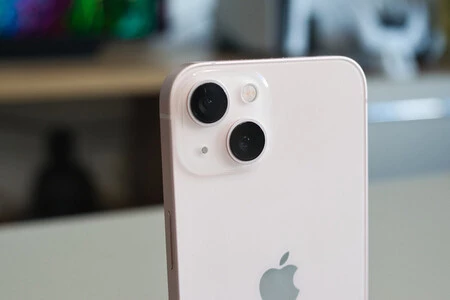
Reputable refurbishing companies and retailers adhere to strict quality standards and stand behind their products. This means that if a refurbished phone develops a fault within the warranty period that is not due to accidental damage, loss, or theft, the seller is obligated to repair or replace the device. This policy is a cornerstone of consumer confidence in the refurbished market, mitigating the risks traditionally associated with non-new purchases. The rigorous testing procedures undertaken during refurbishment aim to prevent defects, but the warranty serves as a crucial safety net, ensuring functionality and product integrity.
The legal framework surrounding refurbished goods is also evolving, with increasing emphasis on consumer protection. While specific regulations may vary by region, the general trend is towards providing consumers with similar rights to those purchasing new goods, albeit sometimes with adjusted warranty durations reflecting the product’s status. This regulatory environment further professionalizes the refurbished market, making it a more secure option for consumers.
A Growing Ecosystem of Trusted Vendors
The increasing demand for refurbished devices has led to the proliferation of diverse purchasing channels, offering consumers more choice and greater accessibility. These channels can be broadly categorized into three main types:
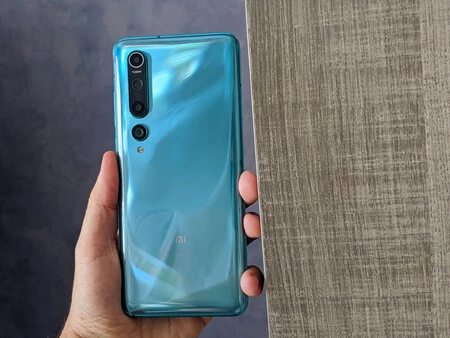
- Original Equipment Manufacturers (OEMs): Companies like Apple and Samsung have recognized the value in the refurbished market and offer their own "Certified Refurbished" programs. These programs typically involve the highest standards of refurbishment, often using original parts and offering warranties comparable to new devices, albeit at slightly higher price points than third-party refurbishers. The assurance of manufacturer-backed quality control is a significant draw for many consumers.
- Major Retailers: Large electronics retailers and e-commerce giants such as Amazon (through its "Amazon Renewed" program), PcComponentes, and MediaMarkt have dedicated sections for refurbished products. These platforms leverage their extensive supply chains and established customer service infrastructure to offer a wide range of devices from various brands. Their rigorous vetting processes for third-party sellers and often standardized return policies contribute to consumer trust.
- Specialized Refurbishment Platforms: Companies like Back Market have built their entire business model around refurbished electronics. These platforms aggregate devices from numerous certified refurbishers, often categorizing products by cosmetic condition (e.g., "Mint," "Good," "Fair") to provide transparent pricing based on aesthetic wear. They typically offer strong warranties and robust customer support, solidifying their reputation as go-to sources for refurbished tech.
The rise of online purchasing for refurbished goods further enhances accessibility. While the inability to physically inspect a device might seem like a drawback, reputable online vendors compensate with detailed product descriptions, clear grading systems, high-quality images, and consumer-friendly return policies, often mirroring those for new products. This commitment to customer satisfaction ensures that even remote purchases can be made with confidence.
Environmental Stewardship: A Sustainable Choice
Beyond the economic benefits, purchasing a refurbished smartphone carries significant environmental advantages, contributing to a more sustainable consumption model. The production of new electronic devices is resource-intensive, requiring vast quantities of precious metals, rare earth elements, and plastics, often extracted through environmentally damaging processes. Furthermore, manufacturing consumes substantial energy and generates considerable carbon emissions.
By extending the lifespan of existing devices, the refurbished market actively participates in the circular economy, drastically reducing electronic waste (e-waste) and the demand for new production. E-waste is a growing global concern, with millions of tons of discarded electronics ending up in landfills annually, leaching toxic chemicals into the environment. Giving a phone a second life through refurbishment directly combats this issue.
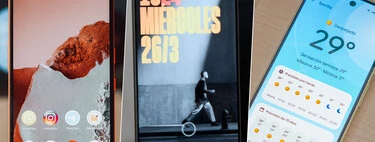
Studies indicate that purchasing a refurbished smartphone can reduce its carbon footprint by a significant margin, potentially by 50-70% compared to buying a new device. This reduction stems from avoiding the energy-intensive manufacturing process and the environmental impact of raw material extraction and transportation. In an era where climate change and resource depletion are pressing global challenges, opting for refurbished technology aligns with eco-conscious values, allowing consumers to make a tangible positive impact on a smaller scale. Companies and environmental organizations alike advocate for the refurbishment model as a crucial step towards more responsible consumption patterns and resource management.
Technological Maturity: The "Peak of Excellence"
The rapid pace of innovation that once characterized the smartphone industry has, to some extent, plateaued. While manufacturers continue to introduce new models annually, the generational leaps in performance, camera technology, and user experience are often incremental rather than revolutionary. Modern flagship smartphones, even those released two or three years ago, possess processing power, display quality, and camera capabilities that far exceed the needs of the average user.
This "peak of excellence" means that the perceived value of always owning the "latest and greatest" has diminished for many consumers. A smartphone from the previous generation can still handle demanding applications, deliver stunning photography, and provide seamless multitasking, often with robust software support for several years. The core functionalities and user experience remain largely consistent, making the significant premium for a brand-new model less justifiable purely on performance grounds.
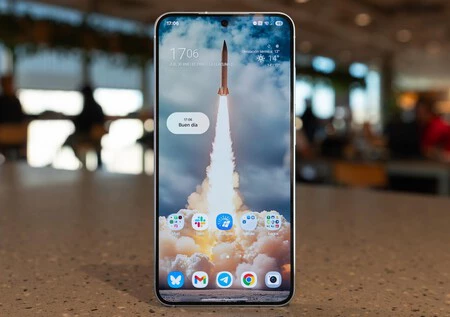
Consequently, the market for refurbished phones is often populated by high-quality devices that, while not the absolute newest, are far from obsolete. These devices offer excellent performance, reliability, and features at a fraction of the original cost, without the user feeling that they are missing out on essential advancements. This technological maturity empowers consumers to make more rational purchasing decisions based on actual needs and value rather than succumbing to the pressure of perpetual upgrades.
Addressing the Considerations: Minor Trade-offs
While the benefits of purchasing refurbished smartphones are compelling, it is important to acknowledge certain considerations. These are generally minor trade-offs that, for most consumers, are outweighed by the advantages.
- Limited Availability and Configuration: Unlike new phones, where specific colors, storage capacities, or regional variants are readily available, the stock of refurbished devices can be more variable. Finding the exact model with the preferred specifications might require patience or flexibility, as availability depends on the influx of devices into the refurbishment pipeline. This element of chance can be a drawback for consumers with very specific requirements.
- Slightly Shorter Warranty: As previously noted, while refurbished phones come with a warranty, it is typically 12 months, which is shorter than the 24 or 36 months offered for new devices in some regions. While 12 months provides substantial coverage, it is still a shorter period of guaranteed protection.
- Cosmetic Imperfections: Depending on the "grade" of refurbishment, some devices may exhibit minor cosmetic imperfections, such as faint scratches on the casing or screen. While these are usually clearly communicated by reputable sellers and do not affect functionality, they might not meet the expectations of consumers seeking a factory-fresh aesthetic.
- Non-Original Packaging and Accessories: Refurbished phones often arrive in generic packaging rather than the original manufacturer’s box. Similarly, accessories like chargers or headphones might be high-quality third-party alternatives rather than the original ones. For some users who value the unboxing experience or collect original packaging, this can be a minor point of contention, though it rarely impacts the device’s functionality.
- Perceived Risk: Despite advancements in the industry, a lingering perception of risk or lower quality can still exist among some consumers, particularly those unfamiliar with the rigorous refurbishment processes. Overcoming this perception requires continued education and transparency from vendors.
In conclusion, the refurbished smartphone market has matured into a viable and highly attractive option for a broad spectrum of consumers. The compelling combination of significant cost savings, robust quality assurance backed by warranties, a positive environmental impact, and the sustained performance of slightly older models positions refurbished phones as a smart, sustainable, and economically prudent choice in today’s technological landscape. For those prioritizing value, reliability, and environmental responsibility, embracing refurbished technology represents a forward-thinking approach to device ownership.