
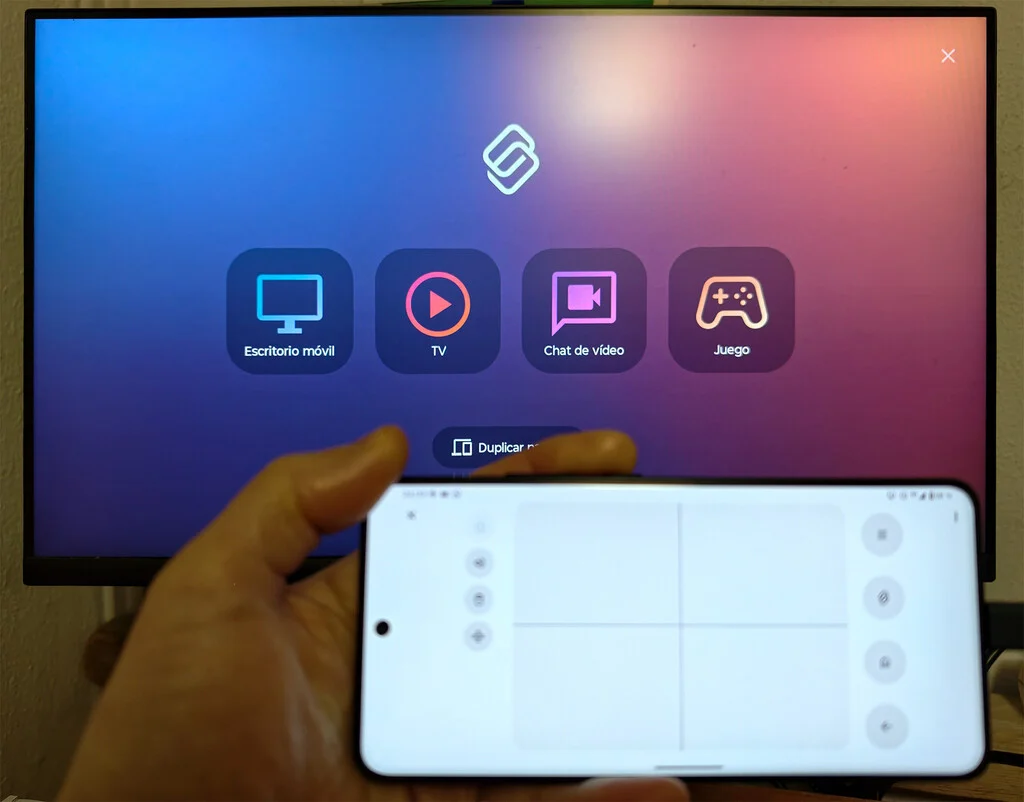

The distinction between a mobile phone and a portable computer has traditionally been clear, yet the technological landscape is rapidly evolving, pushing these devices towards a remarkable convergence. Modern smartphones, particularly those running Android, are increasingly capable of transcending their handheld form factor, transforming into near-desktop experiences when connected to an external display. This "desktop mode" functionality, a testament to the immense power packed into contemporary mobile processors, offers users the compelling proposition of a 2-in-1 device, potentially eliminating the need to carry multiple gadgets. However, while Android champions this versatile approach, Apple’s premium iPhone, despite its equally potent hardware, conspicuously lacks such a feature, a strategic omission that sparks ongoing debate among tech enthusiasts and industry analysts.
Android’s 2-in-1 Revolution: A Deep Dive into Desktop Modality
For years, the dream of turning a smartphone into a primary computing device remained largely aspirational. Early attempts, often clunky and limited, failed to capture mainstream attention. However, with the exponential growth in mobile processing power, enhanced operating system capabilities, and the ubiquity of USB-C with video output, Android has spearheaded a significant shift. The core Android operating system includes a basic desktop mode, allowing the phone’s interface to adapt to a larger screen, presenting apps in resizable windows, and supporting external peripherals like keyboards and mice. This fundamental capability has been significantly enhanced and refined by various manufacturers, transforming a mere feature into a compelling value proposition.
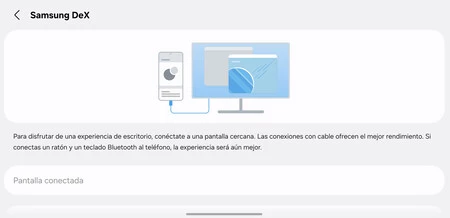
Samsung’s DeX (Desktop Experience) stands as the most prominent and mature example of this Android-driven convergence. Introduced in 2017, DeX has evolved from a physical docking station requirement to a seamless wired or wireless connection to any compatible monitor or smart TV. When activated, DeX presents a familiar desktop-like interface, complete with a taskbar, app shortcuts, and multi-window support. Users can launch Android applications, many of which are optimized for larger screens, and manipulate them with a mouse and keyboard, mimicking the workflow of a traditional PC. This functionality has proven particularly valuable for business professionals, students, and digital nomads who appreciate the ability to conduct presentations, edit documents, or manage emails on a larger display without needing a laptop. Samsung has continuously invested in DeX, enhancing its performance, app compatibility, and user experience, effectively positioning it as a key differentiator for its high-end Galaxy devices. Its robust capabilities allow for efficient multitasking, leveraging the phone’s powerful ARM-based chipsets to drive a desktop environment that can handle office suites, web browsing, and even some light photo or video editing.
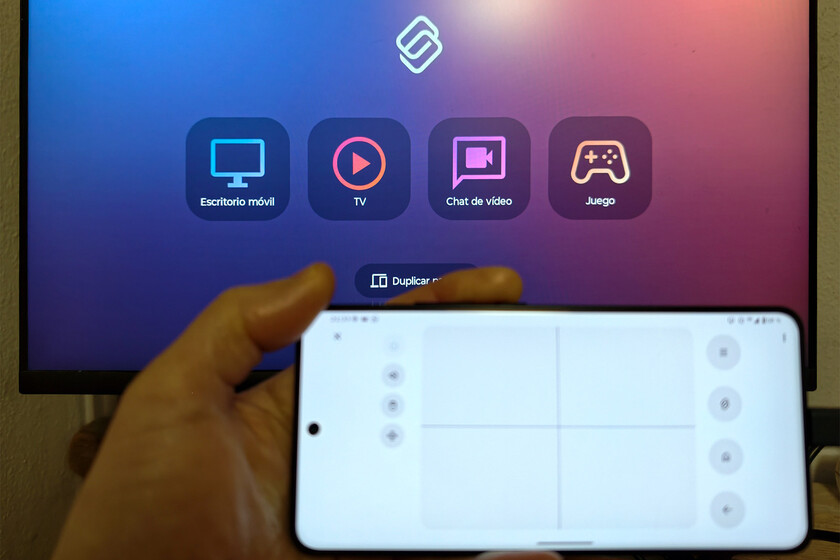
Beyond Samsung, other Android manufacturers have also embraced and innovated upon the desktop mode concept. Motorola, with its "Ready For" platform, offers a similar but distinct approach. Launched in 2021, Ready For extends the phone’s capabilities to external displays, offering not just a desktop interface but also specialized modes for gaming, video calls, and media consumption. This platform emphasizes versatility, allowing users to transform their phone into a console-like gaming machine on a TV, a larger screen for video conferences, or a more immersive entertainment hub. These OEM-specific enhancements go beyond the generic Android desktop mode, providing tailored experiences that leverage the unique strengths and target demographics of their respective hardware. The common thread, however, is the underlying Android flexibility that enables such diverse interpretations of phone-to-desktop convergence.
From a practical standpoint, the benefits are undeniable. For many, a single high-performance smartphone with desktop mode capabilities can serve as a primary computing device for travel or light work, reducing the need to purchase and carry a separate laptop or tablet. This not only offers cost savings but also simplifies data management and workflow, as all files and applications reside on a single, highly portable device. The ability to connect a keyboard, mouse, and external monitor transforms a pocket-sized gadget into a productivity powerhouse, making mobile gaming more immersive, professional tasks more manageable, and media consumption more enjoyable. This added value significantly enhances the utility of an Android smartphone, particularly for power users or those seeking a minimalist technological footprint.
The iPhone Paradox: Untapped Power and Strategic Segmentation
In stark contrast to the Android ecosystem, Apple’s iPhone, despite consistently featuring some of the most powerful mobile processors on the market, notably lacks any form of native desktop mode. The A-series and now M-series chips (found in iPads and Macs, but whose architectural lineage traces back to the A-series) housed within iPhones boast computational prowess that often rivals or even surpasses entry-level laptops. For instance, the A17 Pro chip in the iPhone 15 Pro family is capable of running console-quality games like Resident Evil Village and Death Stranding natively, showcasing its immense graphical and processing capabilities. This raw power underscores the technical feasibility of an iPhone driving a desktop-like environment, making its absence a deliberate strategic choice rather than a hardware limitation.
The situation becomes even more perplexing when considering the iPad Pro, which utilizes Apple’s M-series chips—the same silicon found in MacBooks. Despite this desktop-class hardware, iPadOS, while a sophisticated tablet operating system, still operates under certain constraints that prevent it from fully mirroring the macOS desktop experience. Multi-window management, external monitor support, and file system access, while improved over the years, remain distinct from a true desktop OS. This deliberate differentiation between iOS, iPadOS, and macOS highlights Apple’s deeply ingrained product segmentation strategy.
Apple’s business model thrives on a clearly defined ecosystem where each product category serves a distinct purpose and target audience. The iPhone is positioned as the ultimate mobile device, the iPad as a versatile tablet for touch-first experiences and content creation, and the Mac as the traditional desktop/laptop workhorse. Introducing a desktop mode on the iPhone, or even fully unleashing the iPad’s potential with a macOS-like experience, could blur these lines significantly. The primary concern for Apple would likely be the potential for cannibalization. If an iPhone could effectively double as a desktop computer for many users, it could reduce the incentive to purchase a separate Mac or even an iPad, thereby impacting sales of these higher-margin products. Apple’s desktop market share, while smaller than Windows globally, remains significant and highly profitable within its niche, and protecting this segment is paramount to its financial strategy.
Historical Precedents and Industry Trajectories
The concept of mobile-desktop convergence is not new. Before Android’s current success, several companies attempted to bridge this gap with varying degrees of success. Microsoft’s Continuum for Windows Phone, for example, allowed certain Lumia phones to connect to an external display and run universal Windows apps in a desktop-like interface. While innovative, Continuum suffered from a lack of app support and the overall decline of the Windows Phone platform. Similarly, Ubuntu Phone explored a "convergence" strategy, aiming to provide a full desktop experience from a smartphone, but ultimately failed to gain significant market traction. These early attempts, while ahead of their time, laid some groundwork for understanding the challenges and potential of such integration.
What distinguishes Android’s current desktop mode implementations is their evolution from extending the smartphone experience rather than trying to fully replace a PC. They leverage the existing Android app ecosystem, which is vast and well-developed, ensuring a greater degree of utility from the outset. Furthermore, the broader industry trend towards ARM-based computing, exemplified by Apple’s own M-series Macs and Microsoft’s continued investment in Windows on ARM, further blurs the lines between mobile and desktop architectures. This convergence at the silicon level makes the software differentiation feel increasingly arbitrary from a purely technical standpoint. The underlying hardware is often more than capable; it is the operating system and business strategy that dictate the user experience.
Apple’s Ecosystem Strategy and Revenue Implications
Apple’s meticulous control over its hardware and software allows for deep integration and a premium user experience, but it also enables a carefully orchestrated market segmentation. Each product, from the Apple Watch to the Mac Pro, is designed to occupy a specific niche, encouraging users to invest in a broader ecosystem of interconnected devices. This strategy maximizes overall revenue by diversifying product offerings and creating multiple upgrade paths.
For Apple, the Mac product line, despite its relatively smaller global market share compared to Windows PCs, represents a significant source of revenue and profit. In Q4 2023, for instance, Mac sales contributed billions to Apple’s coffers. Introducing a macOS-like desktop experience on an iPhone could directly jeopardize this established revenue stream. While an iPhone desktop mode might not fully replace a high-end MacBook Pro for intensive creative work, it could certainly satisfy the needs of many users who currently purchase entry-level Macs or iPads for tasks like web browsing, email, document editing, and presentations. This potential erosion of sales across its other product lines is a formidable deterrent for Apple.
Moreover, Apple’s services revenue, which includes App Store purchases, subscriptions, and other digital offerings, is heavily tied to its distinct platforms. While many apps are universal, the specific user behaviors and monetization strategies differ across iOS, iPadOS, and macOS. A radical convergence could necessitate a re-evaluation of these models, potentially disrupting a highly profitable and growing segment of Apple’s business.
The User Perspective: A Justified Desire for Versatility
From the user’s standpoint, especially for those who invest in premium iPhones, the desire for a desktop mode is often rooted in the pursuit of enhanced versatility and value. An iPhone Pro, with its top-tier processor, advanced camera systems, and premium display, already commands a significant price tag. The ability to transform this powerful device into a functional desktop computer when connected to an external screen would provide a substantial additional layer of utility, arguably helping to justify its cost. For professionals constantly on the go, a single device that seamlessly transitions between mobile and desktop environments could be a game-changer, simplifying their tech arsenal and streamlining their workflow.
Consider a scenario where an iPhone could run a version of macOS when docked to a monitor. This would leverage the existing vast library of macOS applications, many of which are already optimized for ARM architecture thanks to Apple Silicon Macs. The transition between a touch-optimized iOS on the phone screen and a mouse/keyboard-driven macOS on an external display would offer an unparalleled "2-in-1" experience. While a portable form factor like a laptop would still be separate, the desktop mode would cater to fixed-station productivity needs, offering a compelling alternative to a dedicated desktop PC or even a light-duty laptop. The "Pro" designation for iPhones could then extend beyond camera and processor improvements to include advanced software capabilities like a desktop operating system, further differentiating these high-end models.

Technical Feasibility and Potential Implementation
Technically, the path to an iPhone desktop mode is not fraught with insurmountable obstacles. Modern iPhones already support external display output via USB-C (on newer models) or Lightning with adapters. The core challenge lies in the software adaptation: creating a user interface that is intuitive for a mouse and keyboard, ensuring apps scale correctly, and providing robust multi-window management. Android has demonstrated that this is achievable, even with a fragmented hardware ecosystem. For Apple, with its tightly integrated hardware and software, the implementation could potentially be even more seamless and optimized.
Apple could choose to implement a scaled-down version of macOS, specifically tailored for external displays when an iPhone is docked. Alternatively, it could significantly enhance iPadOS’s desktop capabilities and extend them to the iPhone when connected to a monitor, providing a more refined and desktop-like experience than currently offered. The fact that Apple’s M-series chips (derived from A-series) power its Macs already proves that the underlying architecture is more than capable of handling a full desktop operating system.
The Future Outlook: Will Apple Reconsider?
Despite the clear technical feasibility and growing user demand, Apple’s current stance appears firmly rooted in its established product segmentation. The company’s implicit message remains clear: each device has its domain. However, the tech industry is dynamic, and competitive pressures can often force even the most entrenched giants to reconsider their positions. If Android’s desktop mode capabilities continue to mature and become a significant purchasing argument for a substantial segment of users, Apple might eventually feel compelled to offer a competitive solution.
The idea of an iPhone seamlessly transitioning between iOS on its native screen and a full macOS experience on an external display remains a powerful vision for many. It represents the ultimate convergence of mobile and desktop computing, a true "buy a smartphone, get a computer" proposition. While Apple currently prioritizes its distinct product categories, the underlying hardware prowess of the iPhone, combined with the relentless march of technological integration, keeps the dream alive. Whether Apple chooses to unlock this potential, or continues to guard its ecosystem segmentation, remains one of the most compelling strategic questions in the mobile tech landscape. The future of mobile computing may very well be defined by this ongoing debate between convergence and specialization.