
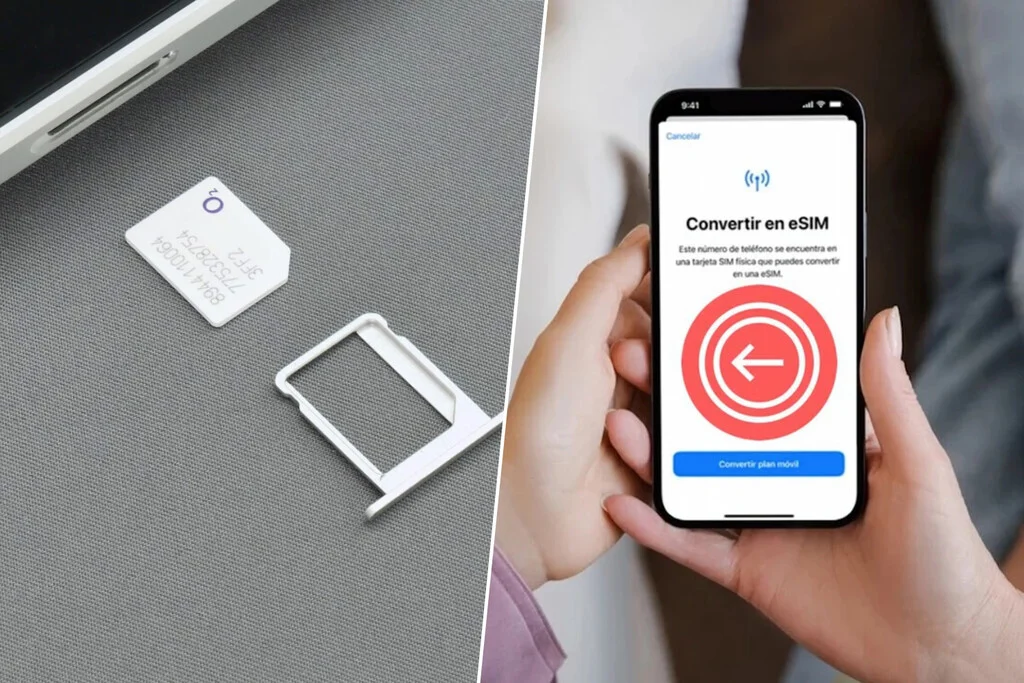

For decades, the Subscriber Identity Module (SIM) card has been an indispensable component of mobile telephony, a steadfast companion through various technological revolutions. From the early days of mobile communication, predating the T9 keypads, BlackBerry’s full QWERTY keyboards, and the advent of touchscreen displays, the SIM card has been a constant. Initially, in 1991, this rigid piece of plastic was the size of a credit card. Over time, it underwent a process of miniaturization, shedding its borders through successive iterations: the Mini-SIM, Micro-SIM, and finally, the ubiquitous Nano-SIM. Yet, despite these physical transformations, its fundamental identity remained that of a SIM.
Today, the telecommunications industry is ushering in a new era, positioning the physical SIM card as a relic of the past and vigorously promoting the embedded SIM, or eSIM. This aggressive push is evident in major market shifts, such as the introduction of certain iPhone models in Spain without a physical SIM tray (mirroring a trend that began in the United States with the iPhone 14 series) and other manufacturers increasingly omitting the physical slot. The message from the industry is unequivocal: the eSIM is poised to become the next standard for mobile connectivity. While the theoretical advantages of this digital transformation are compelling, the practical realities for some users, particularly those who frequently switch devices, reveal a more nuanced picture, prompting a resistance to abandon the tried-and-true physical SIM.
A Historical Perspective: The Evolution of Mobile Identity
To fully appreciate the current transition, it is crucial to understand the journey of the SIM card. Introduced by Giesecke & Devrient in 1991, the first SIM cards were indeed the size of a standard credit card (85.6 mm × 53.98 mm). These early cards stored user authentication information, enabling network access and providing a portable identity for mobile subscribers. As mobile phones became more compact and sophisticated, the demand for smaller components grew.
The first significant reduction came with the Mini-SIM, launched in 1996, measuring 25 mm × 15 mm. This smaller form factor allowed for more efficient use of internal phone space. A decade and a half later, in 2010, the Micro-SIM (15 mm × 12 mm) made its debut with devices like the iPhone 4, pushing the boundaries of miniaturization further. The trend culminated in 2012 with the introduction of the Nano-SIM (12.3 mm × 8.8 mm), which is essentially just the chip itself with minimal plastic surrounding it. This version became the standard for most modern smartphones, allowing for even slimmer device designs and more internal space for other components like larger batteries. Each iteration reflected the ongoing quest for efficiency, both in terms of physical space and manufacturing processes.
The Dawn of eSIM: A Digital Revolution in Connectivity
The eSIM represents the logical next step in this evolution, moving from a removable physical card to a software-based, embedded module directly integrated into a device’s motherboard. Unlike its predecessors, an eSIM is not a physical card that can be inserted or removed. Instead, it’s a small chip, compliant with GSMA specifications, that can be remotely provisioned with network profiles. This means users can switch carriers or data plans digitally without needing a new physical SIM card.
The industry’s embrace of eSIM is driven by several key factors. For device manufacturers, eliminating the SIM tray and its associated internal components frees up valuable internal space. This space can then be reallocated to larger batteries, more advanced camera modules, or enhanced ingress protection against water and dust. For mobile network operators, eSIMs streamline the activation process, reduce logistical costs associated with manufacturing and distributing physical cards, and open doors to new service models, particularly in the burgeoning Internet of Things (IoT) sector. Moreover, the environmental benefits are noteworthy; the shift to eSIM significantly reduces plastic waste from discarded physical SIM cards and their packaging.
According to a report by Counterpoint Research, eSIM-compatible smartphone shipments reached 500 million units globally in 2022, and this figure is projected to exceed 1 billion units by 2025. Another study by Juniper Research indicates that the number of active eSIM devices will reach 3.4 billion by 2025, up from 1.2 billion in 2020, representing a compound annual growth rate of 22%. These figures underscore the rapid acceleration of eSIM adoption across various device categories, from smartphones and wearables to tablets and IoT devices.
The Theoretical Advantages of Virtual Connectivity
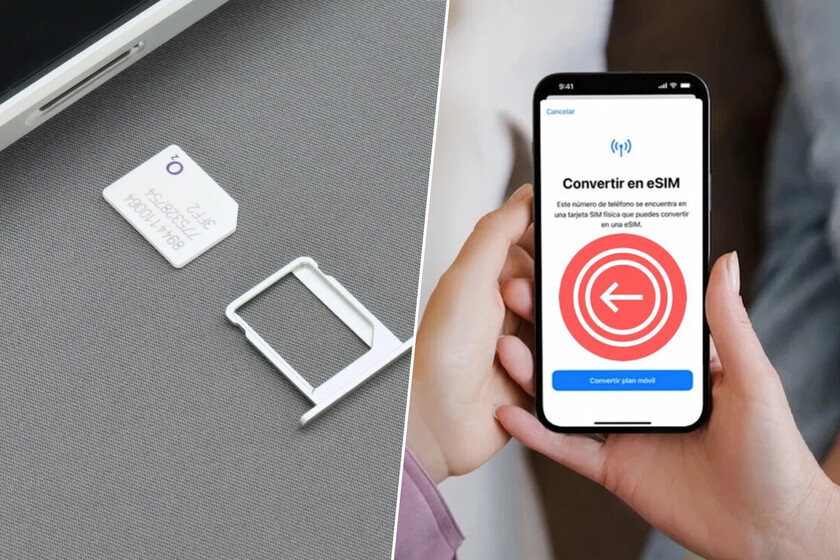
On paper, the eSIM offers a compelling array of advantages that often surpass those of its traditional counterpart. These benefits span across device design, security, and user convenience, particularly for international travelers.
From a design perspective, the most immediate benefit for manufacturers is the liberation of internal chassis space. Removing the physical SIM card reader and its external slot, which typically requires a waterproof seal, allows engineers to reclaim precious cubic millimeters. This newly available space can be strategically utilized to integrate larger battery cells, a critical factor in extending smartphone autonomy, or to enhance the device’s resistance to environmental elements like water and dust. Devices like Apple’s iPhone 14 series in the U.S., which are eSIM-only, demonstrate this commitment to a more streamlined and resilient design.
Security is another almost unassailable argument in favor of eSIMs. In the unfortunate event of smartphone theft, a thief can no longer simply remove the physical SIM card to render the device untraceable or inaccessible. With an eSIM, the subscriber’s line is digitally "soldered" to the device’s mainboard and protected by biometric authentication or passcode. This significantly complicates efforts to misuse the device or disconnect it from network tracking, potentially improving the chances of recovery and protecting sensitive user data. While not foolproof, it adds a substantial layer of protection against opportunistic theft.
Furthermore, for frequent international travelers, the convenience offered by eSIM technology is a game-changer. The ability to purchase and activate a local data plan within minutes of landing in a foreign country, without the need to locate a physical store, navigate local bureaucracy, or swap physical cards, is genuinely transformative. Services offering global or regional eSIM plans have proliferated, providing seamless connectivity and often more cost-effective options compared to traditional international roaming charges. This "magic" of instant connectivity has been personally validated by many, including the original author of the source material, who lauded the ease of securing data plans while abroad.
The Practical Realities: Navigating eSIM’s Roadblocks
Despite its compelling theoretical advantages, the transition to eSIM is not without its practical challenges, particularly for certain user segments. For an average user who purchases a smartphone and uses it for several years, the eSIM often presents a seamless and superior experience. However, for individuals who, by profession or hobby, frequently switch between multiple smartphones, the virtual SIM can introduce significant friction and inconvenience.
The process of transferring a physical SIM card from one phone to another is remarkably simple and efficient for many. It involves a quick swap: insert the ejector tool, remove the Nano-SIM, insert it into the new device, and after a brief reboot, the line and data are fully functional. This process is entirely self-contained, requiring no internet connection, no passwords for online portals, and no interaction with customer support. It grants the user immediate, independent control over their mobile identity.
In contrast, transferring an eSIM profile between devices can be a more convoluted process. While recent operating system updates, such as those in iOS 16 and Android 13 (not Android 16 as mentioned in the original text, which likely refers to future versions or a generalized improvement), have introduced features to facilitate eSIM profile transfers between devices within the same ecosystem (e.g., iPhone to iPhone), the process remains far from universally straightforward. Cross-platform transfers (e.g., Android to iOS) or transfers to devices from manufacturers that do not yet fully support streamlined eSIM migration can be particularly problematic.
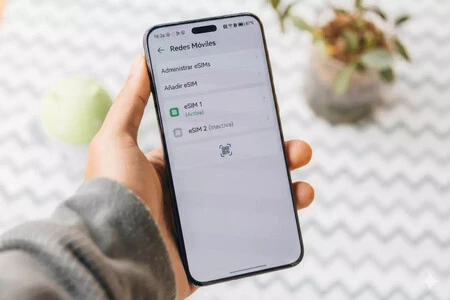
One illustrative case cited in the original article highlights these difficulties: a user attempting to switch devices with an eSIM found themselves without service for an entire day, waiting for their operator’s support to provision a new eSIM profile. This experience underscores a critical dependency: an eSIM effectively relinquishes direct physical control of the mobile number to the operator’s servers. Unlike a physical SIM, which acts as a tangible, portable token of identity, an eSIM profile is tied to a specific device and its secure element. Transferring it often requires interacting with the carrier’s systems, which can involve online portals, QR codes, or even direct customer service intervention. This reliance on an internet connection for activation or transfer, coupled with potential delays in operator support, can be a significant drawback in situations where immediate connectivity is paramount or internet access is limited.
Industry analysts acknowledge these challenges. "While the technical infrastructure for eSIM is robust, the user experience layer, particularly around seamless transferability, is still maturing," states Dr. Anya Sharma, a telecommunications expert. "Operators and device manufacturers are working towards more unified and intuitive transfer protocols, but the current fragmentation can be frustrating for power users or those in critical situations."
Broader Implications and the Road Ahead
The widespread adoption of eSIM technology carries significant implications across the mobile ecosystem, affecting consumers, manufacturers, and operators alike.
For Consumers: The long-term benefits include enhanced security, greater flexibility with multiple profiles (e.g., separate personal and work numbers, or local data plans for travel) on a single device, and potentially a reduction in physical clutter. However, the initial hurdles of device switching and the perceived loss of direct control over one’s mobile identity remain valid concerns that need to be addressed through improved user interfaces and standardized transfer protocols. The environmental benefit of reduced plastic waste is also a silent but important gain for all consumers.
For Manufacturers: The shift to eSIM provides unprecedented design flexibility, enabling more compact devices, improved water resistance, and the potential for new form factors that might not accommodate a physical SIM slot. This also contributes to reduced manufacturing complexity and potentially lower component costs in the long run. Major players like Apple have been instrumental in driving this change, with other Android manufacturers like Samsung and Google also embracing and promoting eSIM functionality in their flagship devices.
For Operators: eSIMs promise a more efficient operational model. Remote provisioning reduces the need for physical SIM card production, packaging, and distribution, leading to significant cost savings. It also simplifies customer onboarding and allows for more dynamic service offerings, such as instant activation of new lines or temporary data plans. The ability to manage customer profiles digitally also opens up new avenues for personalized services and improved customer relationship management. However, operators must invest in robust digital infrastructure to support eSIM activation and transfer processes seamlessly, ensuring customer satisfaction.
Security and Privacy: While eSIMs enhance security against physical theft, they also introduce new considerations regarding digital security and privacy. The remote provisioning capabilities mean that the security of the eSIM profile relies heavily on the integrity of the operator’s systems and the device’s secure element. Robust encryption and authentication protocols are paramount to prevent unauthorized access or manipulation of eSIM profiles.
The transition to eSIM is not merely a technological upgrade; it represents a fundamental shift in how mobile identities are managed and how users interact with their mobile services. While the industry is undeniably moving towards a future where physical SIM cards will be obsolete, the pace and smoothness of this transition will largely depend on addressing the practical concerns of all users. As long as manufacturers continue to offer devices with physical SIM trays, a segment of the user base, particularly those who value autonomy and simplicity in device management, will likely cling to the humble piece of plastic. The journey towards an entirely digital mobile identity is underway, but it is a complex path with both undeniable progress and persistent challenges.